Game review
The Soul Collector 2 - Idle Game
4.5 / 10
- Developer
- Olento Productions
- Publisher
- Olento Productions
- Released
- 16 December 2025
- Platforms
- Windows, Linux
- Genre
- Idle, Casual, Simulation, Indie
- Monetisation
- One-off purchase, no in-app purchases, no DLC listed on Steam's own category list
- Players
- Single-player only. No multiplayer, co-op or leaderboard category on Steam's own listing
The short version
The Soul Collector 2 casts you as an underworld overseer who executes captured villagers, drops their bodies in a pit and spends the resulting souls on upgrades and summoned creatures that eventually raid whole villages for you. It is a three-person team's second pass at the idea, built in GDevelop and priced under eight dollars, and there is nothing dishonest about its pitch: it is exactly the dark, cartoonish clicker its screenshots promise.
The problem is what happens once the premise runs out. Every review this game has on Steam at the time of writing is negative, and all three converge, independently, on the same two complaints: the content is visible within the first twenty to thirty minutes, and the price of each subsequent upgrade then jumps by orders of magnitude with nothing new to show for it. One reviewer adds a third, more concrete problem — the game slows down once you own enough units, with no bulk-buy or speed-up option to work around it. Steam's own achievement data shows a real fall-off exactly where the reviews say the wall sits.
Biggest strengths
- The pitch is exactly what the screenshots and trailer clips show — no bait-and-switch between the store page's dark, gorily cartoonish tone and what reviewers describe actually happening on screen
- A genuine sequel rather than a reskin: it adds village-raiding, summoned creatures and a prestige layer (a "First Prestige" achievement exists and roughly a third of owners have reached it) on top of the original browser game's execute-and-collect loop
- Clean, unambiguous monetisation for the asking price — a single flat purchase, no in-app purchases, no DLC and no advertising found anywhere in the store material
Biggest weaknesses
- Every review the game has on Steam at the time of writing is negative, and all three make variations of the same complaint independently: most of what the game has to show you is visible in the first twenty to thirty minutes
- The core progression curve is the specific target of the criticism — one reviewer describes the price of the next upgrade jumping "a hundred fold for absolutely no reason aside from stretching the runtime," which is a padding complaint, not a difficulty one
- No bulk-buy and no speed-up controls, which one reviewer names directly as the reason a would-be quick 100%-completion run instead became a slog once performance started sagging under a large unit count
Who it's for: Genre die-hards who want to see a very small studio's take on the dark-humour idle loop for a couple of dollars, and who don't mind a short, front-loaded session over a long one.
Our recommendation: Wait for a deep sale, or skip it. The premise and the early execution are fine for a lunch break, but this review found no evidence the price is currently earning its keep past the first half hour.
4.5 / 10
Execute, collect, repeat
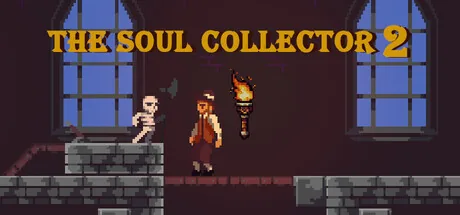
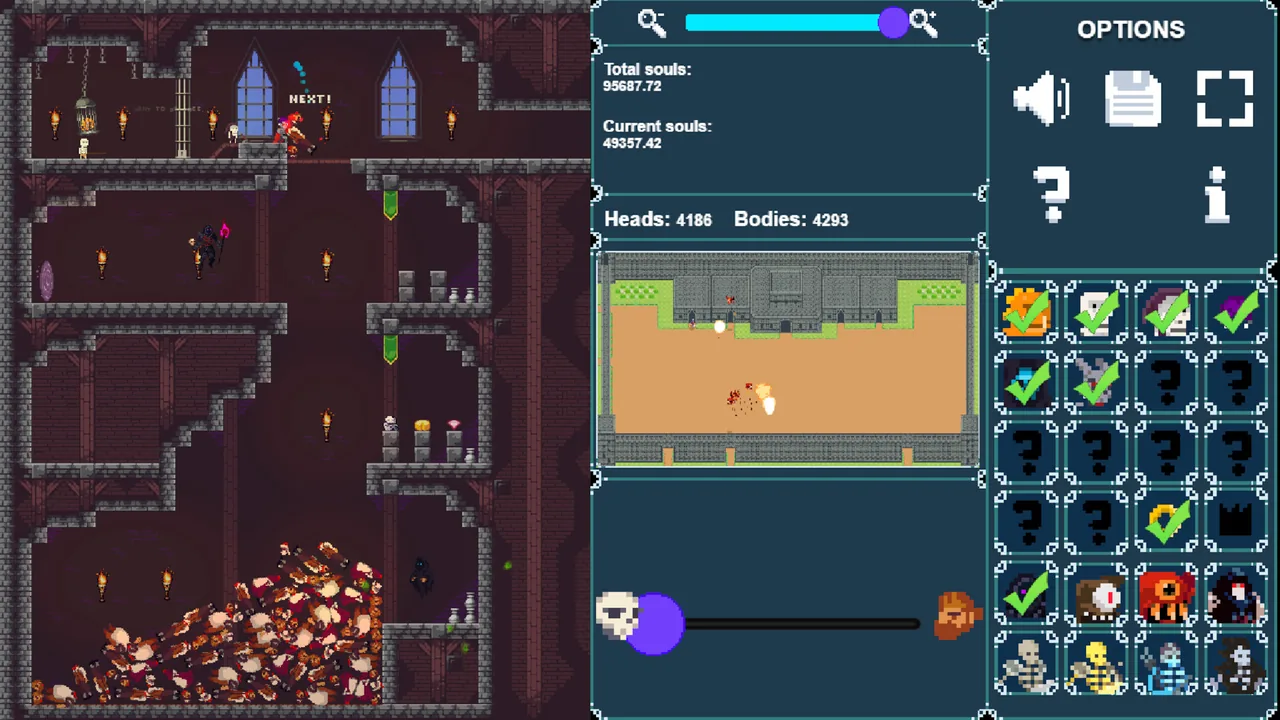
The Soul Collector 2 states its loop plainly on its own store page, almost as a stage direction: execute human, collect soul, drop body to the pit, repeat. That is the entire early game, and it is delivered with a cartoonish, over-the-top darkness rather than anything genuinely grim — skeleton warriors, a "cage slave" you periodically poke for extra souls, and a pit that fills up and needs managing as its own small sub-loop. It's a three-person team's work (Olento, RapaGamez and Eljas Games, credited together on the itch.io release this Steam version is built from), made in GDevelop rather than a custom engine, and there's no attempt to dress that up as more than it is. For a NZ$7.34 asking price, that honesty counts for something.
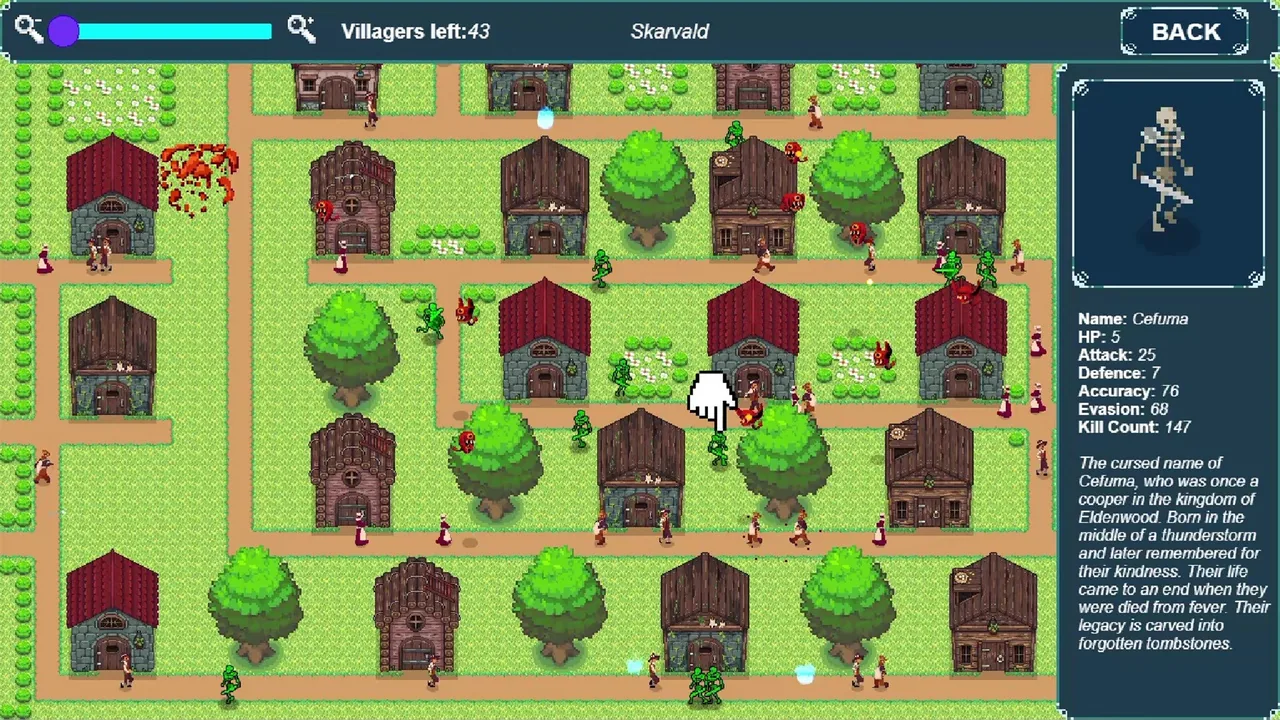
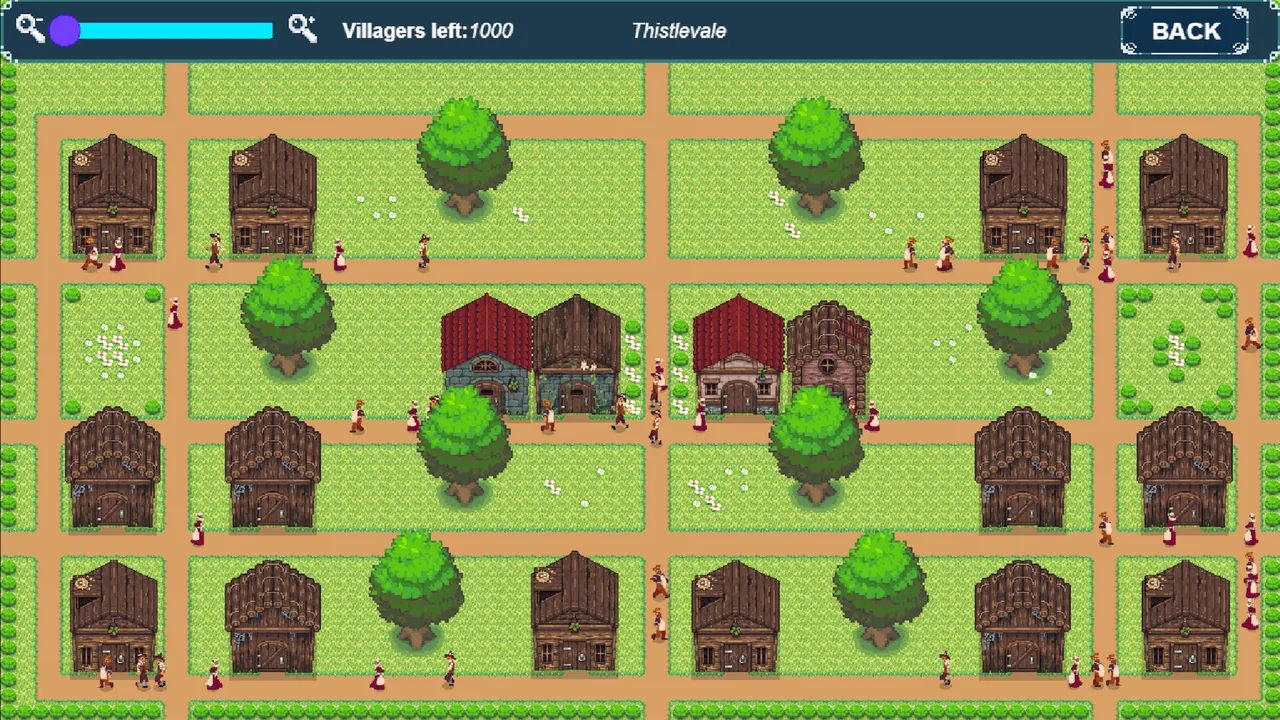
The sequel framing is real, not cosmetic. Where the first Soul Collector appears to exist only as a free browser release on itch.io — this review found no separate Steam listing for it — the second game adds village-raiding, summoned creatures that fight on your behalf, and a prestige reset with its own achievement. Steam's own achievement list confirms the shape of that late-game structure even where the review corpus doesn't: an "All Villages Unlocked" achievement and a "Win Jackpot" achievement both exist as end-state goals sitting well past the opening loop.
What every review the game has says
At the time of writing, The Soul Collector 2 has exactly three reviews on Steam, and every one of them is negative — Steam doesn't display a percentage score for a sample this small, but the raw count is 0 positive, 3 negative. That's thin enough that this review read all three in full rather than sampling, and it's worth being direct about what a three-review sample can and can't tell you: it's not a statistically reliable verdict on a wide audience, but it is a complete record of everyone who has bothered to leave a public opinion on the game so far, and all three independently reach for versions of the same complaint.
One reviewer, at 194 minutes played, says they'd have 100%-completed the game "in under an hour" if not for two specific problems: no speed-up option, and the game visibly bogging down once you own too many units. They also name the game's core late-game lever directly — "the main money multiplier late game as far as I can tell... is having more units" — which reads as a design complaint as much as a technical one, since owning more units is also the thing making the game run slowly. A second reviewer, at 103 minutes, makes the padding complaint most bluntly: "You easily see almost everything in the first 20 minutes, then the price of the next upgrade jumps a hundred fold for absolutely no reason aside from stretching the runtime." A third, at 40 minutes, requested a refund, calling the game "too shallow and too empty to deserve a price tag" — while specifically noting, unprompted, that the game doesn't suffer from the current wave of AI-generated idle-game reskins flooding the genre's low end, and wishing the developer well on future work.
That last point is worth taking at face value rather than reading past it. None of the three reviewers describe the game as a scam, a clone, or dishonest about what it is — the complaint in all three cases is that the loop is short and the numbers afterward are stretched rather than earned.
The achievement curve tells the same story
Steam's global achievement data, pulled independently of the review text, lines up with the "front-loaded" complaint almost exactly. The early milestones are reached by nearly everyone who owns the game: 96.8% collect their first hundred souls, and 87.2% reach 100,000. That's consistent with a fast, satisfying opening ramp — the part of the game none of the three reviewers actually criticise.
The curve then breaks. Collecting a million souls is still reached by 74.4% of owners, but ten million drops to 39.2%, and the game's prestige reset — the mechanic that is supposed to be the payoff for reaching the point where the base loop stops growing — has only ever been triggered by 32.8% of owners. Fully unlocking every village sits at 15.2%. Winning the game's jackpot minigame, its rarest tracked achievement, sits at 6.4%. Read next to the reviews, this isn't a curve that looks like players losing interest gradually across a long, healthy tail — it's a curve with one sharp step down right around the "million souls" mark, which is close to where a player logging one to three hours would plausibly land. That's the same one-to-three-hour window all three negative reviews were written from.
Monetisation is genuinely clean
Whatever else is contested here, the business model isn't. The Soul Collector 2 is a single flat purchase with no in-app purchases and no DLC on Steam's own category listing, and this review found no advertising anywhere in the store material. For a genre where free-to-play idle games routinely gate progress behind energy timers and gem shops, a game that simply charges once and lets you keep everything you unlock is worth crediting plainly, even inside a review that can't otherwise recommend the price. It also means the game's central problem is a design one rather than a monetisation one — nobody is being asked to pay twice, the pacing just doesn't currently give the second half of that one payment much to do.
Final verdict
The Soul Collector 2 is a small, honest game about a genuinely fun idea — its opening half hour, by every account available, delivers exactly the dark-comic execute-and-collect loop its screenshots promise, with no deceptive marketing and no predatory monetisation anywhere in sight. What keeps this from being an easy recommendation at even its low asking price is that literally every review it has so far, and Steam's own achievement curve independently of those reviews, point at the same wall: the content runs out fast, the numbers afterward are stretched rather than earned, and there's no bulk-buy or speed-up tool to soften that stretch. This is a very new, very small release, and a later balance patch could genuinely fix what every reviewer is describing — nothing here suggests bad faith on the developer's part, and one reviewer says as much directly. Until that happens, this is a wait-for-a-deep-sale game rather than a full-price one.
Pros and cons
Pros
- The pitch is exactly what the screenshots and trailer clips show — no bait-and-switch between the store page's dark, gorily cartoonish tone and what reviewers describe actually happening on screen
- A genuine sequel rather than a reskin: it adds village-raiding, summoned creatures and a prestige layer (a "First Prestige" achievement exists and roughly a third of owners have reached it) on top of the original browser game's execute-and-collect loop
- Clean, unambiguous monetisation for the asking price — a single flat purchase, no in-app purchases, no DLC and no advertising found anywhere in the store material
- No sign of the AI-slop production values that plague much of the low-end idle-game shelf; one reviewer explicitly credits the game for that even while recommending a refund
Cons
- Every review the game has on Steam at the time of writing is negative, and all three make variations of the same complaint independently: most of what the game has to show you is visible in the first twenty to thirty minutes
- The core progression curve is the specific target of the criticism — one reviewer describes the price of the next upgrade jumping "a hundred fold for absolutely no reason aside from stretching the runtime," which is a padding complaint, not a difficulty one
- No bulk-buy and no speed-up controls, which one reviewer names directly as the reason a would-be quick 100%-completion run instead became a slog once performance started sagging under a large unit count
- Steam's own achievement curve backs the "front-loaded" complaint with numbers: 87.2% of owners reach 100,000 souls, but only 32.8% ever hit the game's first prestige and just 15.2% unlock every village — most players are shown stopping well short of the content the late upgrades gate
Screenshots
-
The Soul Collector 2 - Idle GameImage: Olento Productions via Steam -
The Soul Collector 2 - Idle GameImage: Olento Productions via Steam -
The Soul Collector 2 - Idle GameImage: Olento Productions via Steam -
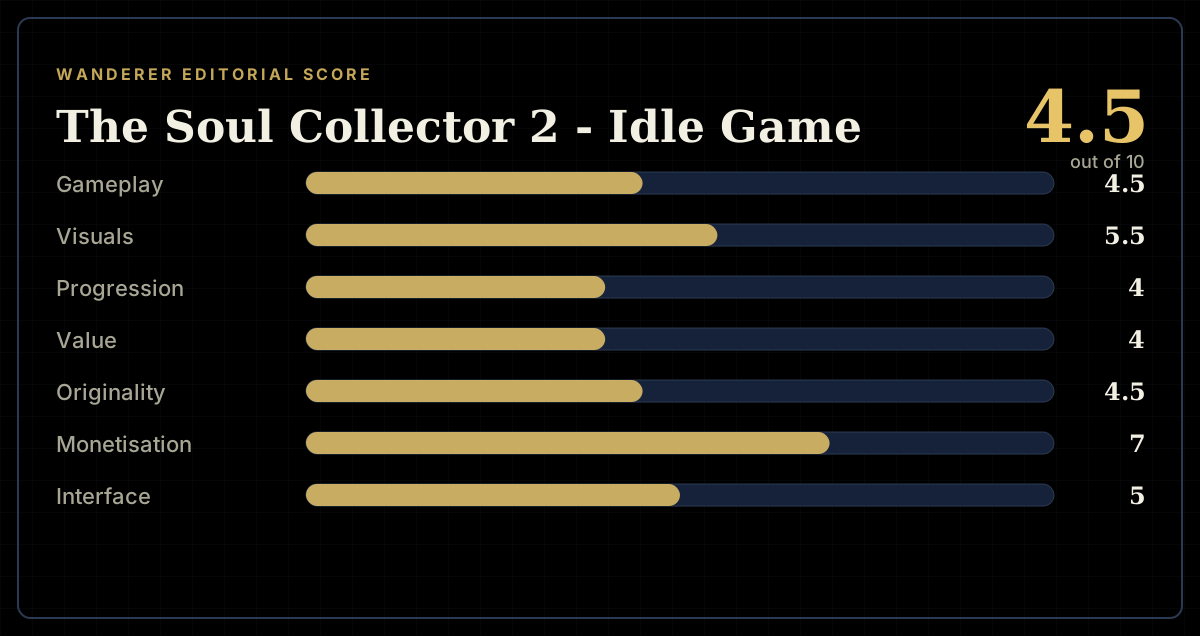
How the review scores each part of the gameWanderer Editorial -
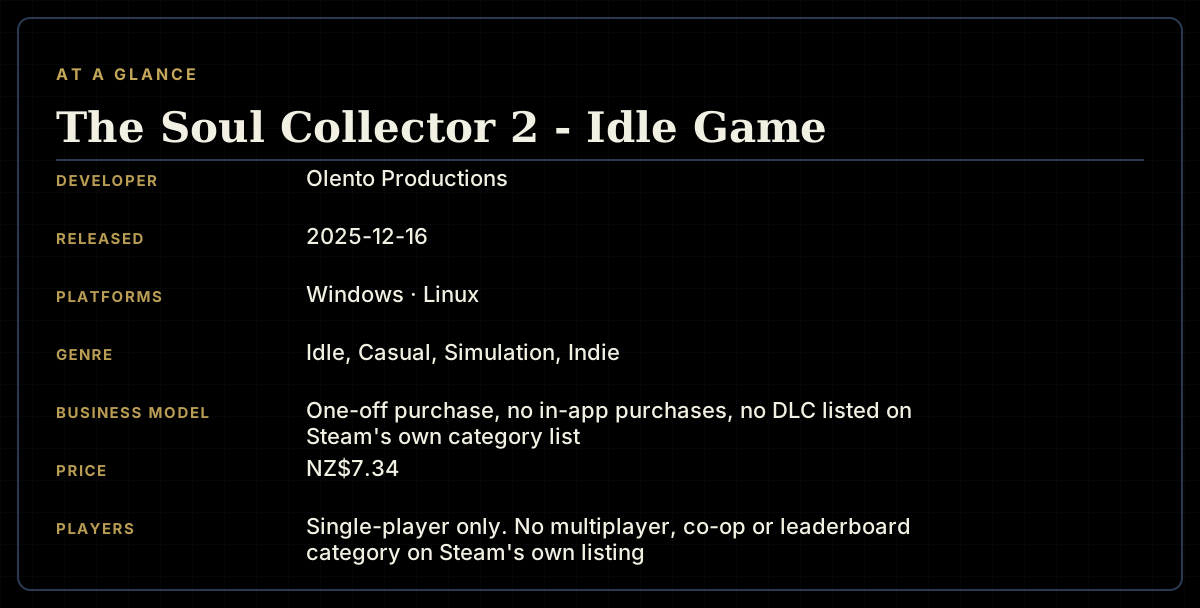
The game at a glanceWanderer Editorial -
The short versionWanderer Editorial