Game review
The Last Letter
5.6 / 10
- Developer
- JustTomcuk
- Publisher
- JustTomcuk
- Released
- 23 April 2026
- Platforms
- [Windows]
- Genre
- Horror
- Monetisation
- Premium
- Players
- false
The short version
The Last Letter delivers exactly what its developer's fans expect, immaculate VHS-horror atmosphere and genuinely effective sound design, in a package so short and so heavy on unadjustable camera sway that it undercuts its own strongest ideas.
Biggest strengths
- Immaculate sound design and ambient audio that reviewers consistently credit as the game's strongest element
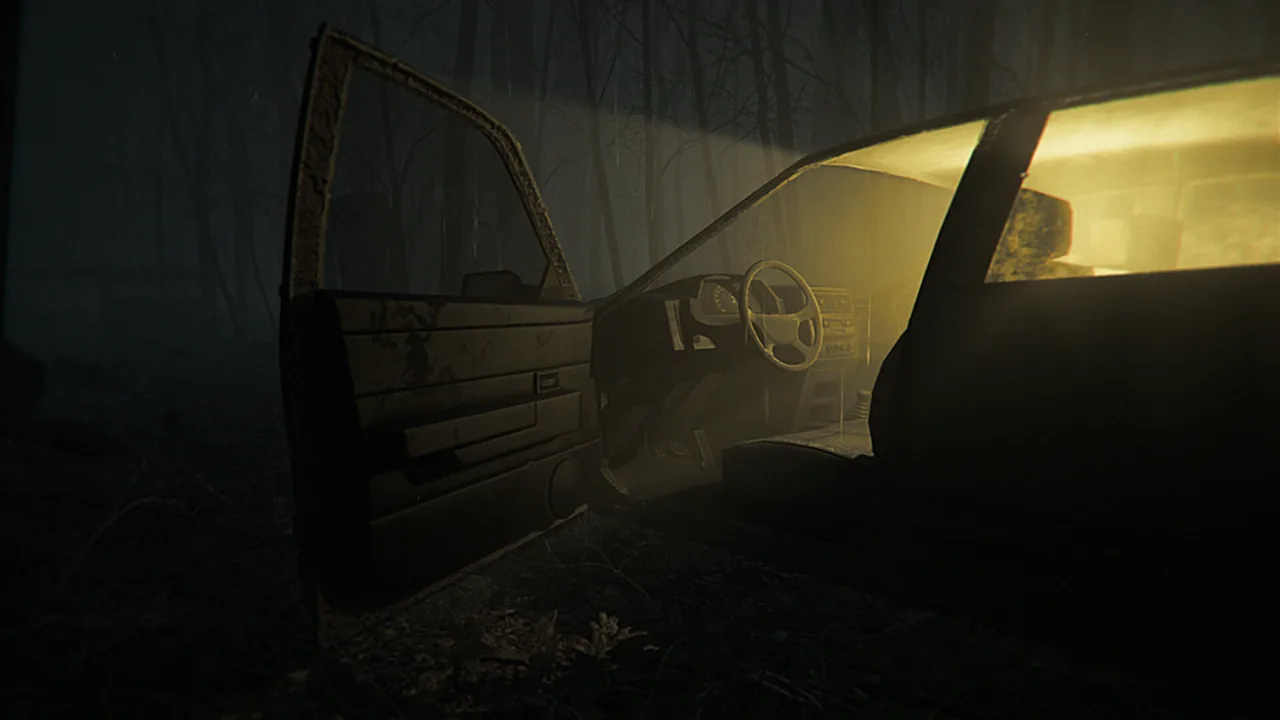
- A convincingly detailed, atmospheric VHS-styled abandoned house environment
- Genuinely effective jumpscares for the majority of the review sample, with tension that builds well through audio cues
Biggest weaknesses
- Extremely short, most reviewers report full completion in 20 to 90 minutes, with 40 to 60 minutes being the most common range
- No option to disable camera head-bob or view sway, a recurring complaint from multiple reviewers who report genuine motion sickness
- A thin, confusingly told story that several reviewers say leaves key plot points unexplained
Who it's for: Fans of short, atmospheric indie horror walking sims, especially existing JustTomcuk fans, who don't suffer from motion sensitivity.
Our recommendation: Recommended with reservations
5.6 / 10
Coordinates in the mail
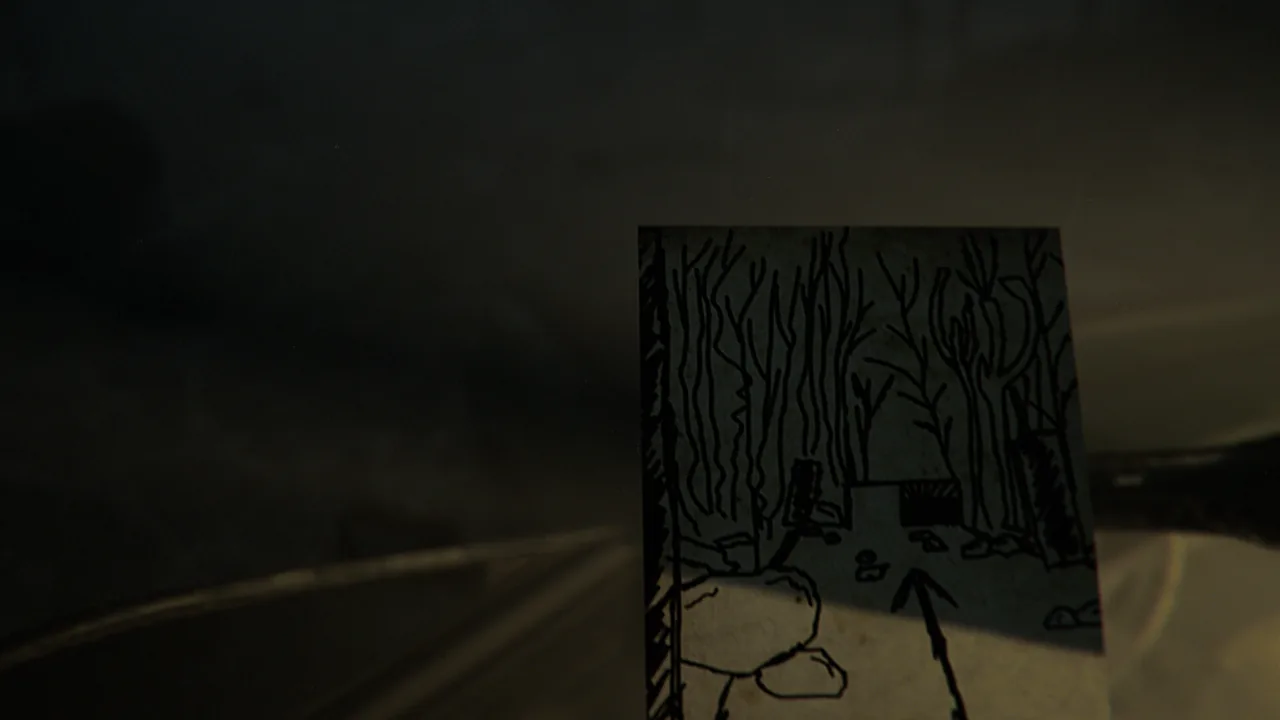
The Last Letter, developed and self-published by solo horror specialist JustTomcuk, released April 23, 2026. Its setup is familiar first-person indie-horror territory: a film student named Mike, in the habit of documenting his life on camera, begins receiving anonymous letters containing coordinates to a house deep in the forest and the promise that he'll learn the truth about his past there. He grabs his camera and drives out to investigate, and from there the game follows the well-trodden path of exploring a decaying house, solving a handful of light environmental puzzles, and fleeing from whatever's watching from the shadows. It launched to a Very Positive reception, 94 reviews and roughly 86% positive, from an audience that includes a substantial number of repeat buyers of the developer's earlier games.
A developer who knows exactly what he's doing with sound
The single most consistent praise across the review sample, in nearly every language represented, is for the audio design. Reviewers repeatedly single out ambient sound cues, distant noises, and the VHS-style audio texture as doing the heaviest lifting in building tension, with one reviewer calling the developer "a master at creating anxiety using sound effects and background noises." That reputation clearly precedes this specific release, several reviewers frame their purchase explicitly around already trusting the developer's track record, treating The Last Letter as the latest entry in an ongoing, dependable catalogue rather than a standalone discovery.
The environment does real work
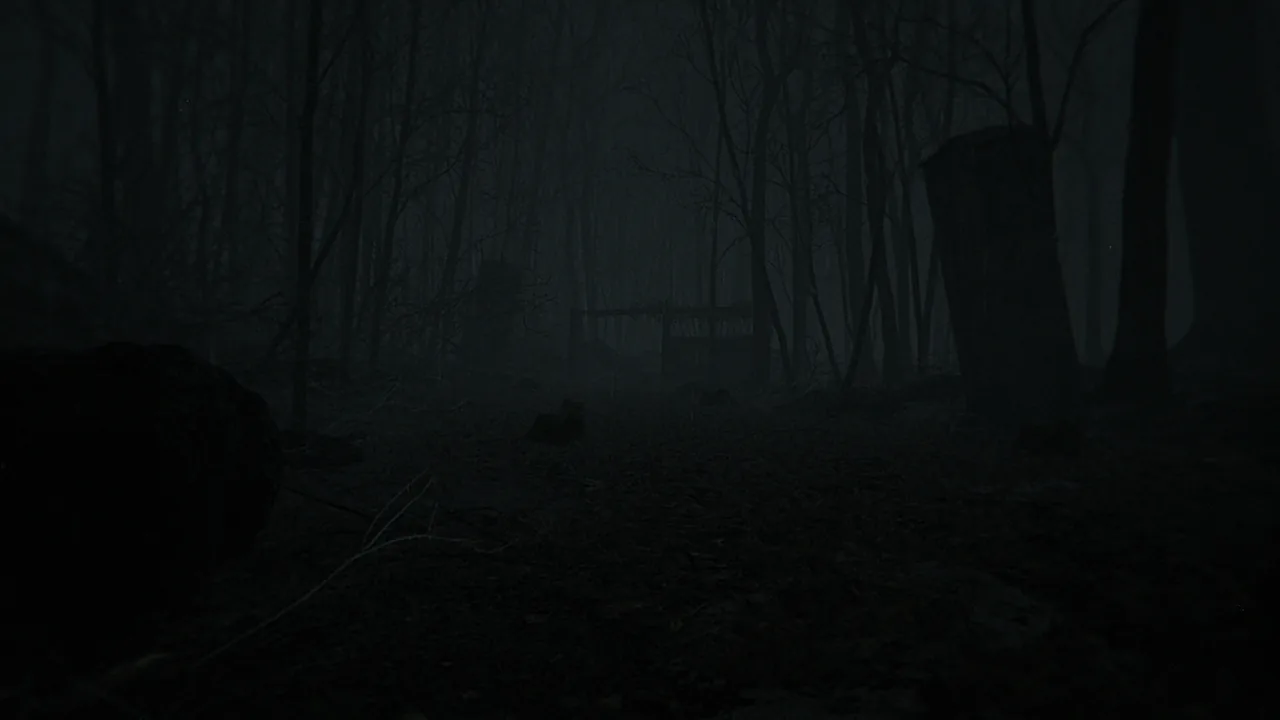
Beyond sound, the detailed, lived-in decay of the forest house earns specific praise, several reviewers mention simply walking through the space as enjoyable independent of the scares, and the VHS visual filter is consistently described as atmospheric rather than gimmicky. Jumpscares land for the large majority of the sample, several reviewers describe being genuinely startled, one saying the game "almost made me stop playing horror games completely," though a smaller group finds the scares predictable or "goofy" rather than effective, a split that's common across the jump-scare-driven horror subgenre generally.
Barely long enough to unpack its own premise
The dominant criticism, again nearly universal across the sample, is runtime. Reported completion times range from as little as 15 to 20 minutes up to roughly 90, with the bulk of reviewers landing somewhere between 30 and 60 minutes. At $4.99, most reviewers judge that a fair trade, several explicitly do the math and conclude the price matches the length reasonably, but a vocal minority disagrees sharply, one Korean-language reviewer runs a detailed cost-per-hour comparison against AAA games to argue the price doesn't hold up, and a few English and German reviewers flag the runtime as the game's clearest weakness even while recommending it overall.
An accessibility problem worth taking seriously
The most consistent, specific complaint in the sample isn't about length, it's about the camera. Multiple reviewers across English, German, and Chinese report genuine motion sickness from head-bob and view sway while walking, with no in-game option to reduce or disable it. One reviewer says they had to stop after six minutes, unable to even reach the house, and several others, while still recommending the game overall, explicitly call out "enough with the head bobbing" as a running frustration across the developer's catalogue. For a short horror game that depends on players staying immersed in a slow-paced exploration loop, this is a real, reported barrier rather than a minor nitpick, and it's the single change requested most consistently across the review sample.
A story that trades clarity for atmosphere
Narrative clarity draws mixed reactions. Several reviewers praise a well-paced story with a satisfying, occasionally touching ending, but a meaningful minority describe the plot as thin or confusingly told, with key details communicated only through easy-to-miss environmental notes. One reviewer specifically flags an unresolved detail involving a "third hand" that never gets addressed, and another admits enjoying the game while acknowledging they never fully understood what happened. It's a pattern in keeping with a developer whose reviews consistently praise atmosphere over plot mechanics.
Where it sits in a crowded subgenre
Short, cheap, VHS-aesthetic horror walking sims are their own well-established Steam microgenre, and one German reviewer draws the direct comparison to Chillas Art, another prolific studio working the same formula. The Last Letter doesn't reinvent that formula, and reviewers who've played the developer's other games consistently describe a reused structural framework across releases, but within that formula, its sound design and environmental detail put it comfortably above genre average.
One developer, a very large catalogue
Part of what colours reception here is context: JustTomcuk isn't a newcomer experimenting with the format, several reviewers reference having played "all his games" and treat each new release as a known quantity rather than a gamble. That familiarity cuts both ways in the sample. It buys real goodwill, reviewers extend patience toward rough edges they might flag harder in a debut title, and it sets a comparison bar the developer mostly clears, with more than one reviewer explicitly saying this entry represents a step up in polish from earlier releases. But it also means the criticisms repeat from game to game rather than being fixed between them. The head-bob complaint in particular reads less like a one-off oversight and more like a structural choice the developer has carried across a run of titles despite years of players asking for a toggle, which makes it harder to excuse as an early-access rough edge and easier to read as a known, unaddressed gap in an otherwise well-oiled production pipeline.
The verdict
The Last Letter is a well-crafted, genuinely unsettling hour of horror built on excellent sound design and a convincingly decayed setting, but it's short even by the standards of its own subgenre, and an unaddressable camera-sway issue is a real accessibility barrier for a meaningful share of players. It's an easy recommendation for existing fans of the developer and for horror completionists who know what they're buying, and a much harder sell for anyone hoping for more than an hour of substance or anyone prone to motion sickness.
Pros and cons
Pros
- Immaculate sound design and ambient audio that reviewers consistently credit as the game's strongest element
- A convincingly detailed, atmospheric VHS-styled abandoned house environment
- Genuinely effective jumpscares for the majority of the review sample, with tension that builds well through audio cues
- A returning fanbase who say the developer's craft is visibly improving release over release
Cons
- Extremely short, most reviewers report full completion in 20 to 90 minutes, with 40 to 60 minutes being the most common range
- No option to disable camera head-bob or view sway, a recurring complaint from multiple reviewers who report genuine motion sickness
- A thin, confusingly told story that several reviewers say leaves key plot points unexplained
- No save-game option according to at least one reviewer, and a formulaic structure some describe as reused from the developer's other titles
Screenshots
-
The Last LetterImage: JustTomcuk via Steam -
The Last LetterImage: JustTomcuk via Steam -
The Last LetterImage: JustTomcuk via Steam -
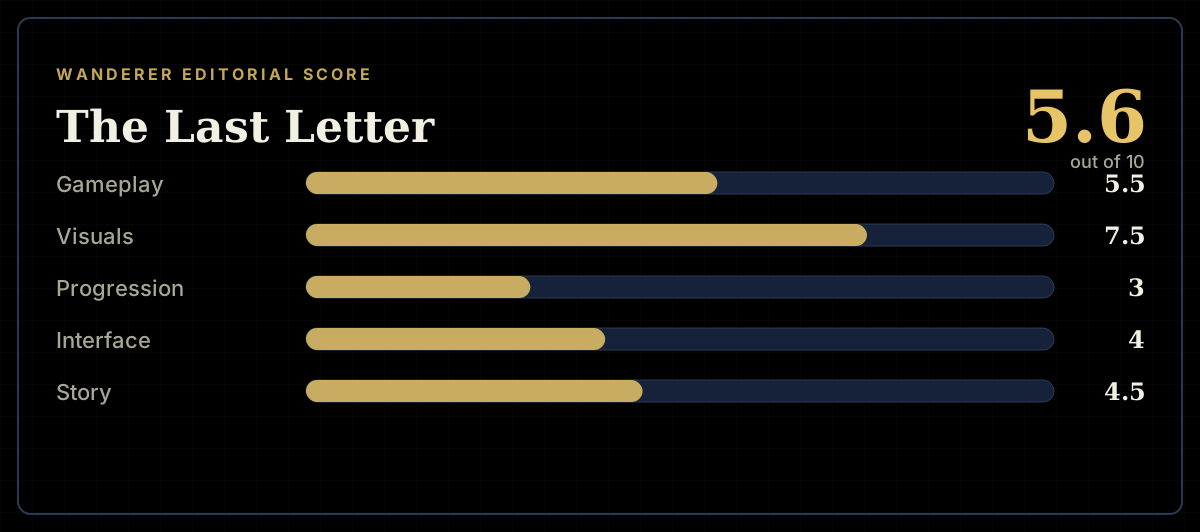
How the review scores each part of the gameWanderer Editorial -
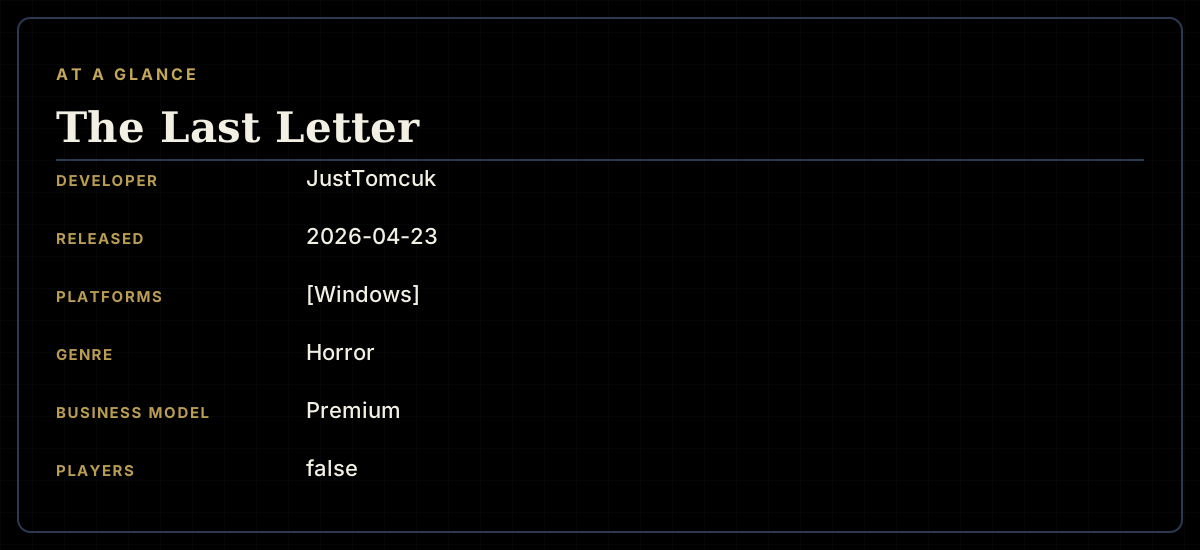
Key facts at a glanceWanderer Editorial -
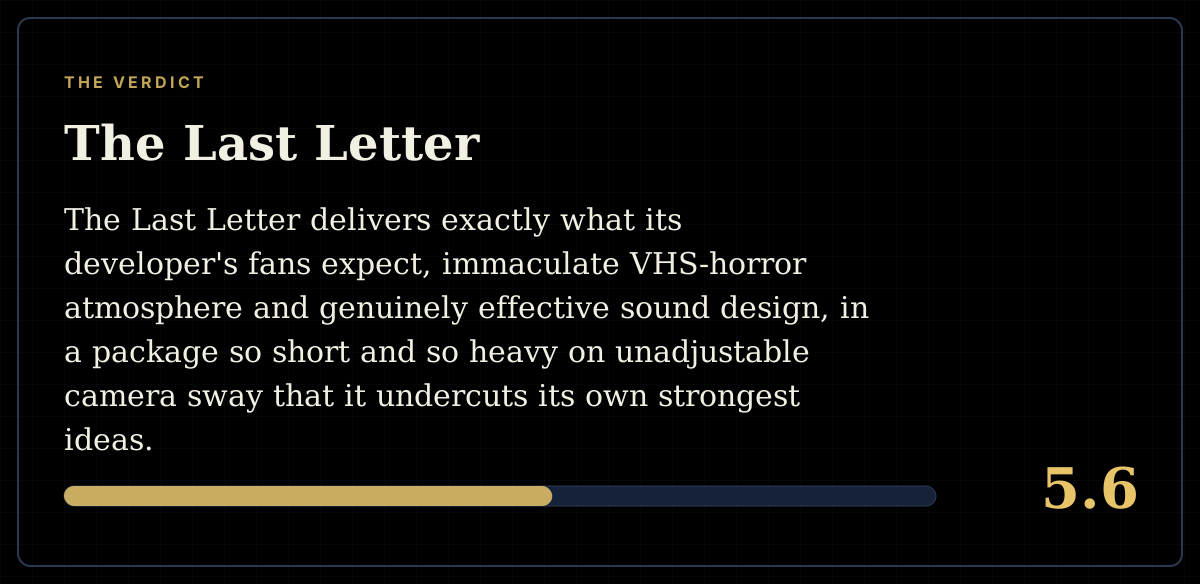
The short versionWanderer Editorial