Game review
The Joust
7 / 10
- Developer
- The Joust
- Publisher
- The Joust
- Released
- 29 June 2026
- Platforms
- Windows
- Genre
- Action, Simulation
- Monetisation
- paid
- Players
- true
The short version
Biggest strengths
- An enormous amount of content and customization for a $1 game, with over 80 playable classes and multiple distinct game modes (roguelike co-op, two campaigns, arcade)
- Genuinely rewarding physics combat once the initial learning curve is overcome, with reviewers repeatedly describing a real 'click' moment where the jank starts to feel intentional and satisfying
- A visibly active developer shipping frequent updates and directly engaging with critical reviewers, including reworking content in direct response to specific complaints
Biggest weaknesses
- A camera system corroborated by two independent detailed reviewers as a genuine usability problem: a whipping third-person camera that's hard to aim swings with, and a first-person view with low field of view and obstructed sightlines
- An overloaded, unevenly paced tutorial, also corroborated by two independent detailed reviewers, that dumps too many mechanics at once and left both unable to properly learn parrying and riposte
- A detailed single-source report, later acknowledged by the developer as a known issue being worked on, of multiplayer being close to unplayable at the time of writing, including weapons getting stuck at spawn and opponents dying on contact
Who it's for: Fans of physics-based combat sandboxes like Toribash or Half Sword who enjoy fighting the controls as much as the opponent, not recommended for players wanting a polished, immediately readable combat system
Our recommendation: recommended
7 / 10
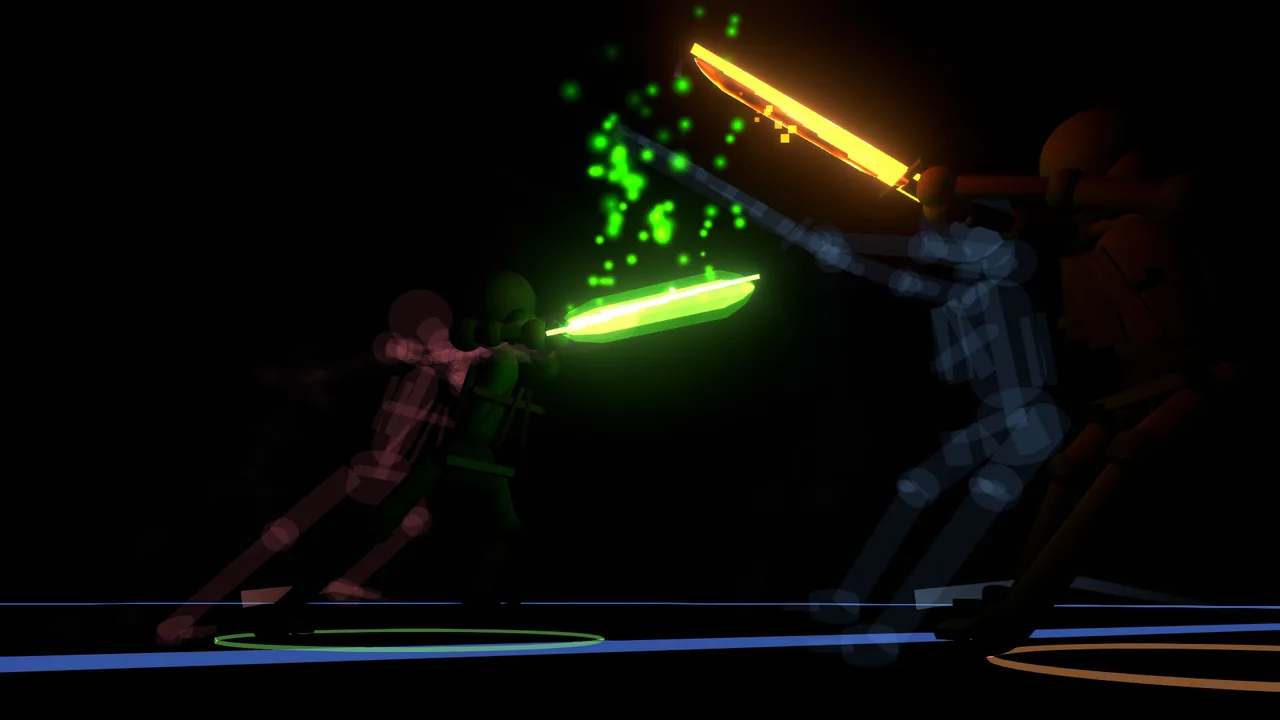
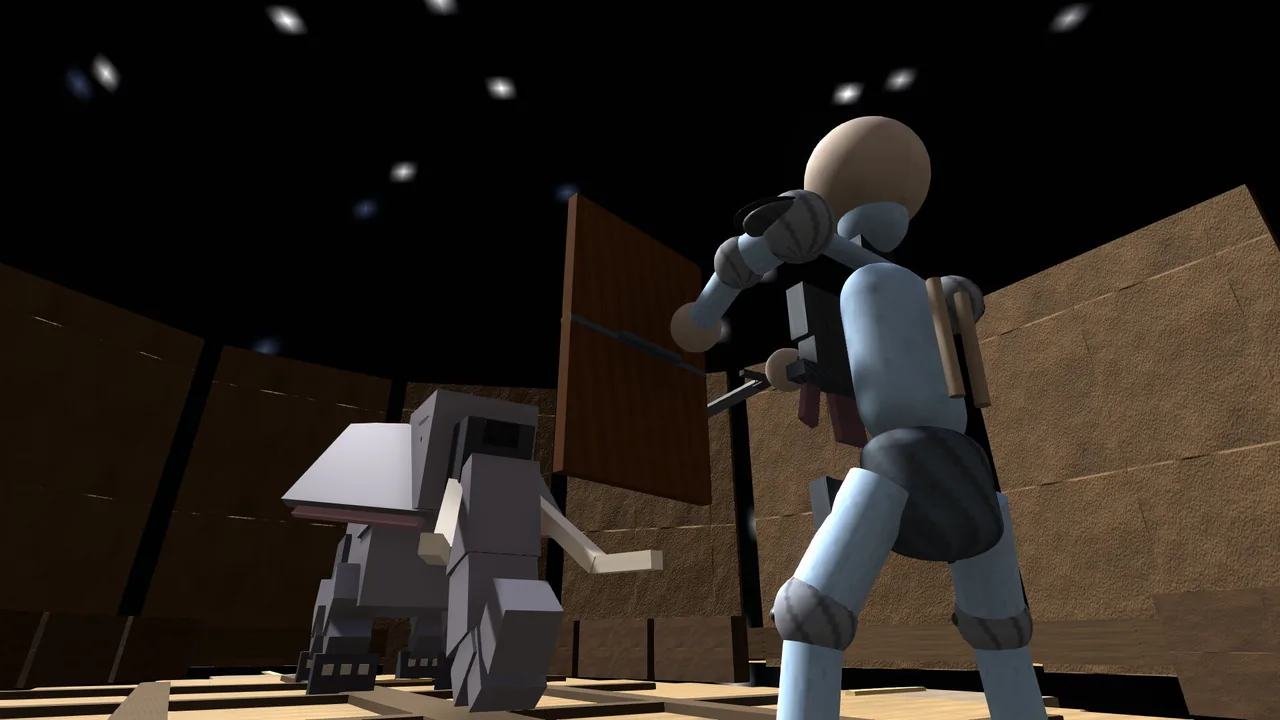
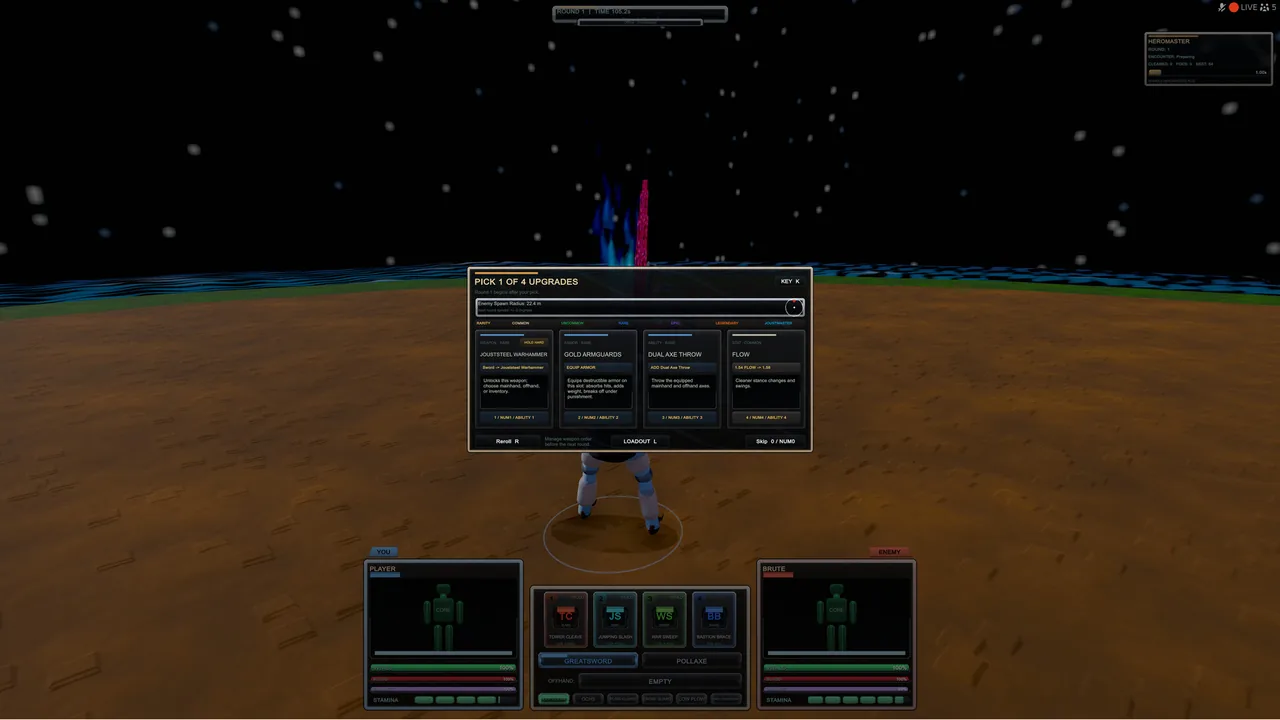
The Joust released in full on Steam on June 29, 2026, an absurdly cheap physics-based melee combat sandbox with over 80 playable classes, from medieval knights to space warriors to an elephant, and both single- and multiplayer support. Its 38-review English pool sits at Positive (36 up, 2 down, 95%), and the reviews consistently describe a genuinely rough-edged but deeply rewarding fighting game whose physics-driven jank is, for the right player, most of the appeal rather than a flaw to tolerate.
The learning curve is the pool's most consistent, most vividly described theme. One reviewer detailed a full arc across a single session: frustrated in the first twenty minutes, close to dropping the game entirely, before roughly thirty more minutes of practice turned "frustrating and jank" into "a little unintuitive but fun and surprisingly rewarding." They specifically described the satisfaction of severing an opponent's arm, dropping them, and finishing with a knockout as feeling "like you just hit a glory kill." A separate, more analytically written review reached a similar conclusion from the opposite direction, describing the combat as an "extensive, elaborate tech of body part hit boxes, armor, weapon types, weight, abilities," recommending the game specifically "as a tech demo, tech exploration, and mechanics exploration" even while stopping short of calling it a traditional, easily "played through" game.
That same pair of detailed reviewers independently converged on the camera as a genuine, specific problem rather than a matter of taste. The first reviewer described the third-person camera whipping "around while trying to swing," and found the first-person view's field of view "too low" with their own character's "arms/FX" blocking visibility. The second reviewer laid out the same three camera modes and reached nearly identical conclusions: wide is "not very useful," third-person is "hard to target your swings," and first-person is "hard to see where your hands and weapon went." Two independent, detailed reviewers landing on the same specific complaint about the same three camera modes makes this a fair, well-supported criticism rather than a one-off gripe.
The tutorial draws a similarly corroborated complaint. The first reviewer admitted getting stuck partway through and never finishing it, which they suspected was "probably why I didn't understand how to play for so long." The second, more systematic reviewer described the tutorial as "elaborate" with a helpful rewind-and-replay feature, but ultimately "too much at once, too little time on each gameplay mechanics element," reporting they still hadn't grasped parrying and riposte by the time it stopped progressing for them. Two independent reviewers failing to complete or fully absorb the same tutorial, for related reasons, points at a real onboarding problem sitting between new players and the combat system's genuine depth.
Multiplayer draws the pool's most serious individual complaint, though it's worth noting the context around it directly. One detailed, specific review, later updated with a note that "devs reached out and are working on improving these complaints," reported that multiplayer was close to unplayable at the time: swords stuck at their spawn point, opponents dying instantly on contact with their own or the player's weapon, and characters unable to move, "no fix" available. It's a single-source report, but a specific and technically detailed one that the developer apparently didn't dispute, which is different from an unverifiable accusation; it's flagged here directly for anyone specifically buying the game for its multiplayer.
VR support tells a more encouraging story about the same underlying pattern of rough launches followed by real fixes. One reviewer reported VR mode simply not toggling on at launch, regardless of how it was launched, before returning with an edit confirming "the VR Mode has been fixed! It now kinda functions!" and offering to help the developer refine it further. A separate reviewer described a comparable arc with the medieval campaign specifically: after leaving an initial negative review, they found the developer had "revamped" it based directly on their feedback, and came away with "a much better experience the 2nd time around."
Value and content volume are where the pool is most unified. At $1, reviewers repeatedly framed the purchase as close to risk-free: one called it "cheap enough that you can buy copies for your friends to play with you," while another simply advised, "if you're interested by the idea and videos, it's a steal at $1," specifically citing "an insane amount of customization" as the reason. Multiple reviewers separately praised the pace of ongoing updates and a closely engaged developer community as reasons for confidence in the game's trajectory beyond launch.
A handful of reviewers also used their reviews to suggest where the class roster could grow next, one specifically floated tanks, SUVs, or planes as future additions, unsure how balance would work but intrigued by the idea given how far the existing 80-plus roster already stretches the "knight versus elephant" premise. That kind of speculative wishlisting, rather than frustration at what's missing, is itself a decent signal of how much goodwill the game's sheer breadth of content has already banked with its audience.
Taken together, The Joust is a scrappy, genuinely inventive physics combat sandbox that asks real patience of new players before it clicks, then rewards that patience with a surprisingly deep, class-rich combat system unlike almost anything else at this price point. Camera and tutorial friction are real, corroborated rough edges, and multiplayer specifically may need more time to stabilize, but for a dollar, with a developer this visibly engaged in fixing what's broken, it's an easy recommendation for players who don't mind a little jank on the way to something special.
Pros and cons
Pros
- An enormous amount of content and customization for a $1 game, with over 80 playable classes and multiple distinct game modes (roguelike co-op, two campaigns, arcade)
- Genuinely rewarding physics combat once the initial learning curve is overcome, with reviewers repeatedly describing a real 'click' moment where the jank starts to feel intentional and satisfying
- A visibly active developer shipping frequent updates and directly engaging with critical reviewers, including reworking content in direct response to specific complaints
- Extreme value, cheap enough that multiple reviewers specifically recommended buying copies for friends given how much content is on offer for the price
Cons
- A camera system corroborated by two independent detailed reviewers as a genuine usability problem: a whipping third-person camera that's hard to aim swings with, and a first-person view with low field of view and obstructed sightlines
- An overloaded, unevenly paced tutorial, also corroborated by two independent detailed reviewers, that dumps too many mechanics at once and left both unable to properly learn parrying and riposte
- A detailed single-source report, later acknowledged by the developer as a known issue being worked on, of multiplayer being close to unplayable at the time of writing, including weapons getting stuck at spawn and opponents dying on contact
- VR mode shipped in a non-functional state at launch, though one reviewer's follow-up update confirmed the developer patched it into a working, if still rough, state
Screenshots
-
The JoustImage: The Joust via Steam -
The JoustImage: The Joust via Steam -
The JoustImage: The Joust via Steam