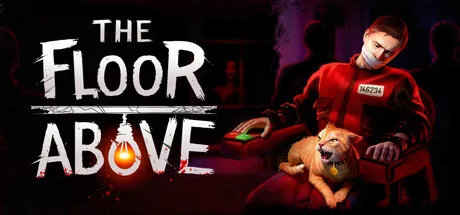
Game review
The Floor Above
7.9 / 10
- Developer
- Swytapp Games
- Publisher
- Swytapp Games
- Released
- 8 April 2026
- Platforms
- [Windows]
- Genre
- Adventure
- Monetisation
- $12.99
- Players
- false
The short version
The Floor Above takes the spot-the-anomaly horror formula popularized by Exit 8 and gives it a genuinely fresh, claustrophobic spin with a strong mascot and real scares, but inconsistent anomaly rules, a harsh all-or-nothing scoring system, and a confusing final stretch keep it from greatness.
Biggest strengths
- A genuinely fresh spin on the anomaly-hunting horror formula, built around a tense blink-to-observe mechanic instead of simple walking and looking
- Strong atmosphere and well-earned jump scares that reviewers across many languages consistently praise as effective without feeling cheap
- Morty the cat, a beloved recurring mascot that reviewers mention constantly as a highlight amid the horror
Biggest weaknesses
- Inconsistent anomaly detection rules that multiple reviewers across English, German, and Chinese reviews describe as unclear or unreliable even when carefully comparing rooms
- A harsh all-or-nothing scoring system where a single mistake can zero out an entire floor's progress, which several reviewers single out as needing softening
- Real technical issues: high GPU and RAM usage even while idling at the main menu, reported crashes near the end of a playthrough, and a reported desync between an enemy's visual position and its audio cue
Who it's for: Fans of anomaly-hunting horror games like Exit 8 looking for a fresh, atmospheric spin with a strong sense of humor and a beloved cat.
Our recommendation: Buy it
7.9 / 10
Strapped to a chair, one floor at a time
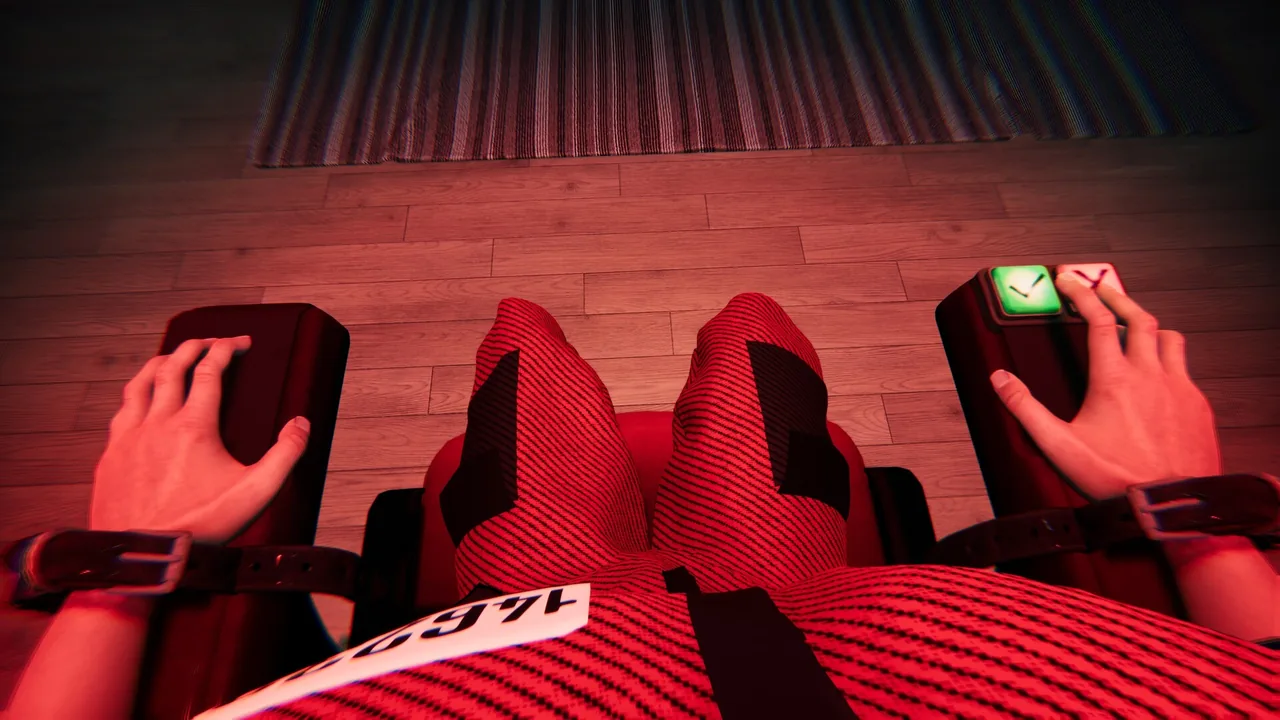
The Floor Above, released April 8, 2026 from developer and publisher Swytapp Games, wakes you up strapped to a chair in a looping room. You can only rotate your view, blink, and choose whether the room in front of you is safe or hiding an anomaly. Each cycle the room repeats one floor higher, and each floor demands you spot what's changed before deciding to press through or call it out. It's a small, claustrophobic premise executed with real confidence, and it landed to a Very Positive reception (270 reviews, roughly 90% positive) built on genuine word-of-mouth enthusiasm.
A fresh spin on a familiar formula
Anomaly-hunting horror has become its own crowded subgenre since Exit 8 popularized the "spot the difference in this loop or die" format, and several reviewers explicitly acknowledge The Floor Above as another entry in that lineage — one Ukrainian reviewer jokes that half of Ukrainian indie horror right now is an Exit 8 clone. What distinguishes this one, according to the sample, is the blinking mechanic itself: instead of simply walking and looking, you're forced to close your eyes and reopen them to actually register changes, which reviewers repeatedly single out as a clever, genuinely unsettling way to build tension without relying purely on jump scares.
Meet Morty
If there's one thing nearly every review mentions regardless of language, it's Morty (sometimes Morby) the cat, a recurring in-game presence that reviewers describe with real affection amid an otherwise tense, claustrophobic horror experience. It's a small detail, but the consistency with which it comes up across English, German, Korean, and Ukrainian reviews suggests it does real work softening the game's atmosphere without undercutting the scares — several reviewers specifically credit it with making the game feel approachable enough to play with family or stream with friends.
Rules that don't always add up
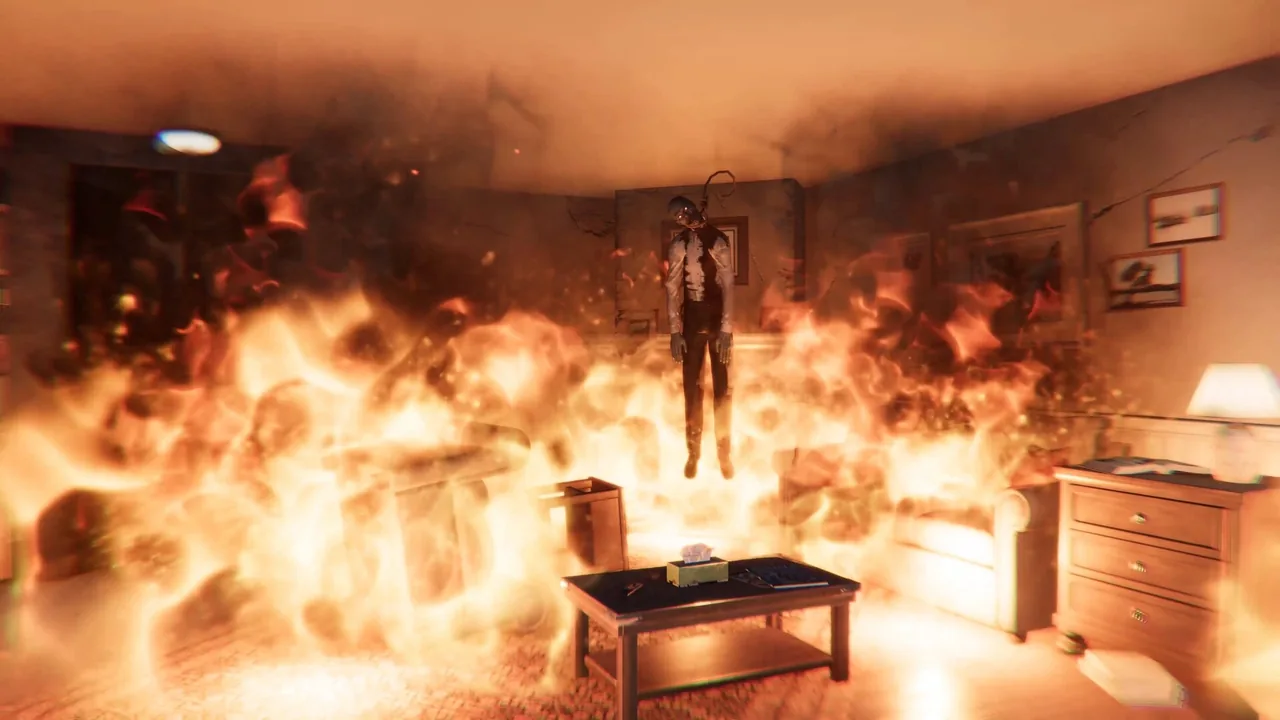
Set against that praise is a real, recurring complaint: the rules for what actually counts as an anomaly aren't always consistent. Reviewers in English, German, and Chinese reviews separately describe moments where an anomaly slips past even careful comparison against the previous room, or where two clearly similar situations are scored differently without explanation. It's not framed as a game-breaking flaw, but it's frustrating in a genre that depends entirely on the player trusting the fairness of what they're being shown.
A punishing scoring system
Compounding that inconsistency is the game's all-or-nothing scoring: several reviewers specifically call out that a single missed anomaly can zero out an entire floor's progress rather than simply deducting a point, turning small perceptual mistakes into outsized setbacks. One reviewer frames this directly as a design choice worth reconsidering, arguing a softer penalty curve would keep the tension without the frustration of losing everything on one blink.
Real bugs behind the scares
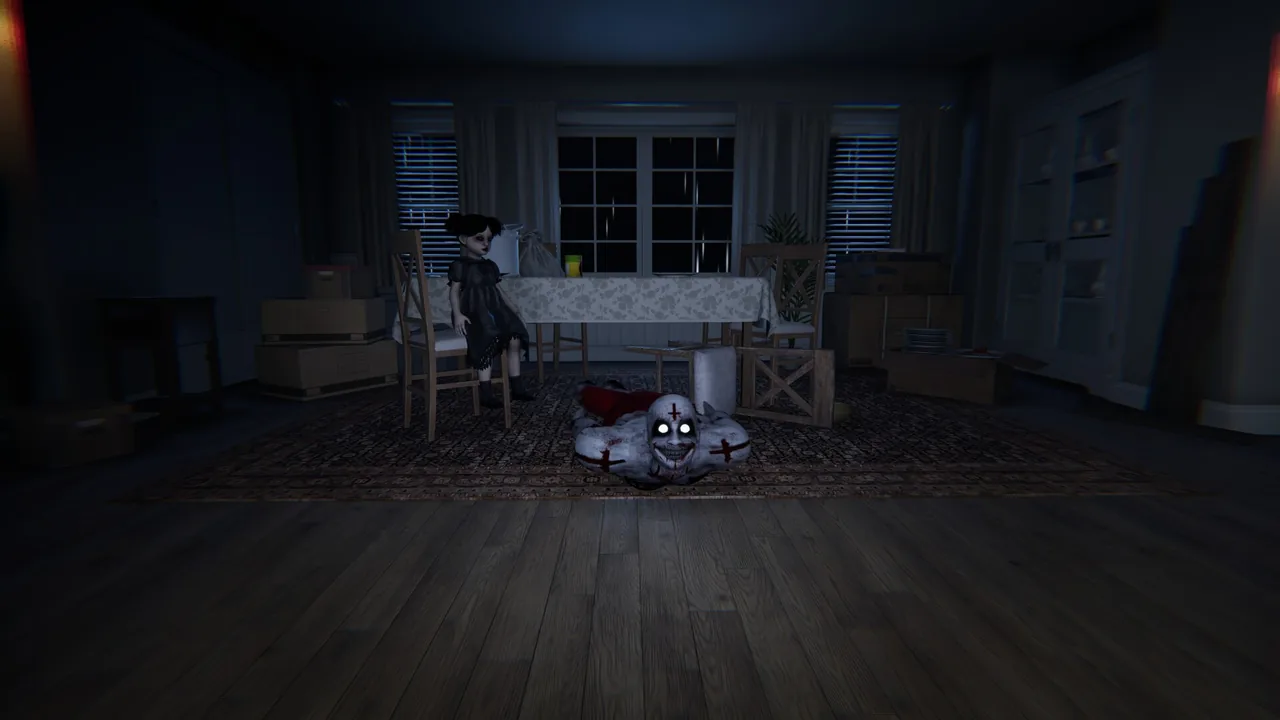
Beyond design friction, a handful of concrete technical issues surface in the sample. Multiple reviewers report the game pulling full GPU usage and several gigabytes of RAM simply sitting idle at the main menu, which is an odd resource footprint for a small horror title. Others report crashes appearing late in a playthrough, close to completion, and at least one reviewer describes a desync bug where an enemy's audio cue doesn't match its actual on-screen position. None of these appear to be universal, but they're specific enough and repeated enough to be worth flagging rather than dismissing as isolated hardware issues.
A note on AI-generated assets
At least one reviewer mentions the apparent use of AI in some of the game's assets, raised gently as a small aside rather than a central complaint, alongside otherwise enthusiastic praise for the storyline and atmosphere. It doesn't appear as a dominant theme in the sample the way it has for some other titles, and no reviewer frames it as evidence of a rushed or dishonest production — it's worth a mention here mainly because it's the kind of detail some shoppers specifically want to know going in.
A rockier final stretch
A recurring, softer complaint concerns the game's ending: several reviewers who otherwise enjoyed the whole experience specifically call out the final loop or chapter as confusing, less polished, or a step down from the rest of the game's pacing. One negative review focuses almost entirely on this stretch, describing a lack of feedback and consistency that soured an otherwise positive impression built up over the earlier floors.
Value and replayability
At $12.99 with over 100 documented anomalies and multiple endings, reviewers broadly consider The Floor Above fairly priced for what it offers, with completionist playthroughs running four to five hours against a roughly two-hour main-story pace for players who just want to see an ending. Steam Deck verification and full controller support extend that value further for players wanting a couch horror session, and the game's structure — short, discrete floors rather than one long unbroken descent — makes it well suited to picking up for a single tense sitting.
Who should climb
If you've bounced off the anomaly-horror genre because it felt too samey, or you're simply new to it and want a well-made entry point with a real sense of humor and heart alongside the scares, The Floor Above is a strong pick regardless of that crowded field.
The verdict
The Floor Above earns its Very Positive reception by finding a genuinely fresh hook inside a crowded subgenre, backed by real atmosphere, a beloved mascot, and scares that land more often than not. Inconsistent anomaly rules, an unforgiving scoring system, and a shakier final stretch keep it from being a clean must-play, but for anomaly-horror fans it's an easy recommendation at its price.
Pros and cons
Pros
- A genuinely fresh spin on the anomaly-hunting horror formula, built around a tense blink-to-observe mechanic instead of simple walking and looking
- Strong atmosphere and well-earned jump scares that reviewers across many languages consistently praise as effective without feeling cheap
- Morty the cat, a beloved recurring mascot that reviewers mention constantly as a highlight amid the horror
- Good replay value for the price, with over 100 anomalies, multiple endings, and Steam Deck verification
Cons
- Inconsistent anomaly detection rules that multiple reviewers across English, German, and Chinese reviews describe as unclear or unreliable even when carefully comparing rooms
- A harsh all-or-nothing scoring system where a single mistake can zero out an entire floor's progress, which several reviewers single out as needing softening
- Real technical issues: high GPU and RAM usage even while idling at the main menu, reported crashes near the end of a playthrough, and a reported desync between an enemy's visual position and its audio cue
- A confusing, comparatively weaker final chapter that a number of otherwise positive reviewers call out as the game's low point
Screenshots
-
The Floor AboveImage: Swytapp Games via Steam -
The Floor AboveImage: Swytapp Games via Steam -
The Floor AboveImage: Swytapp Games via Steam -
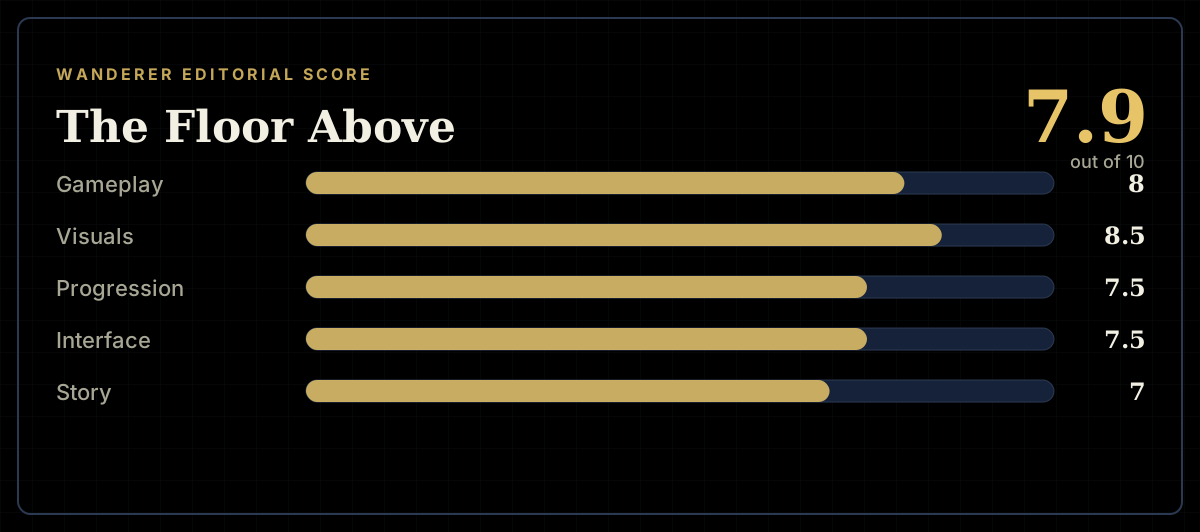
How the review scores each part of the gameWanderer Editorial -
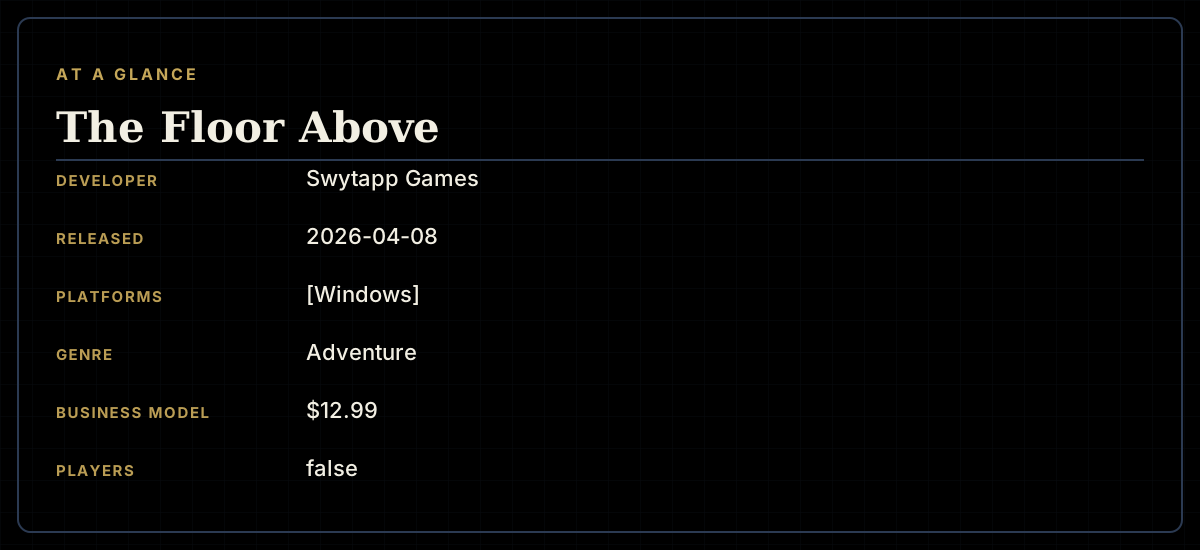
Key facts at a glanceWanderer Editorial -
The short versionWanderer Editorial