
Game review
The Bigger Picture
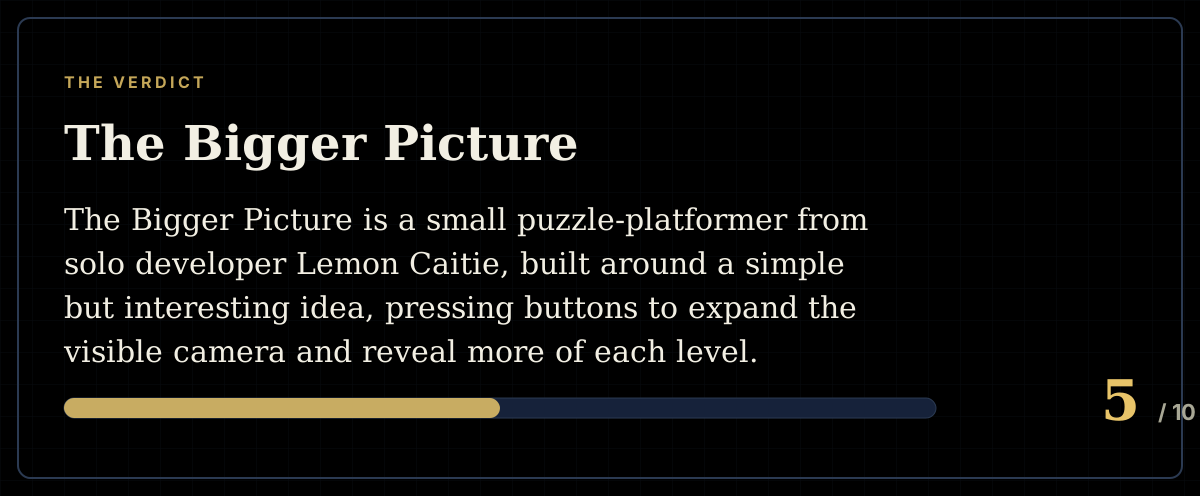
5 / 10
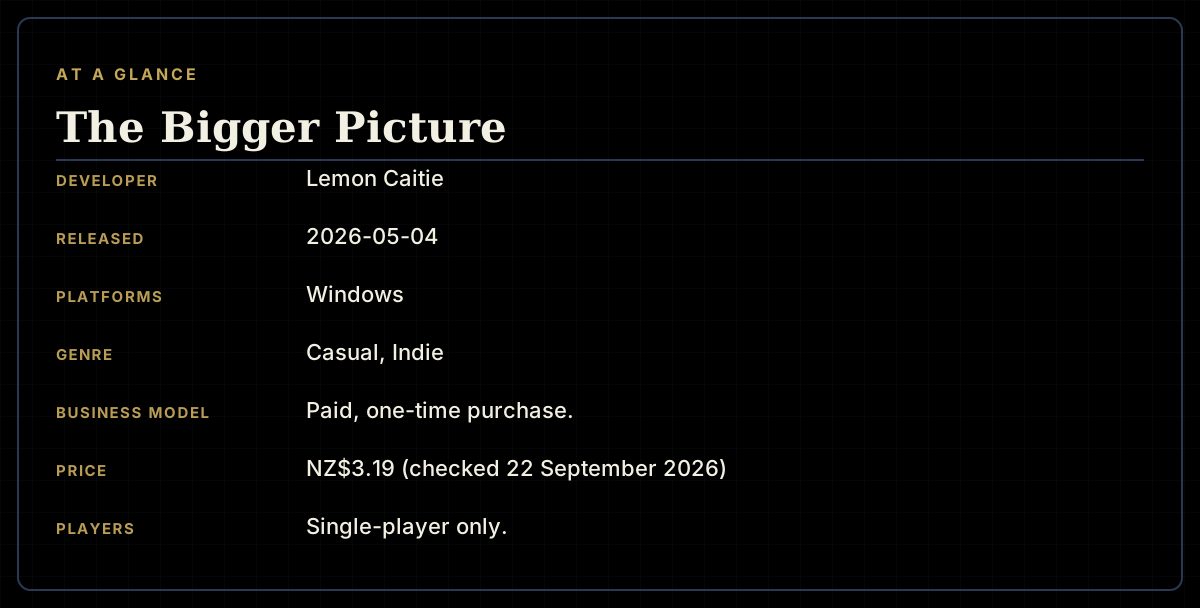
- Developer
- Lemon Caitie
- Publisher
- Lemon Caitie
- Released
- 4 May 2026
- Platforms
- Windows
- Genre
- Casual, Indie
- Monetisation
- Paid, one-time purchase.
- Players
- Single-player only.
The short version
The Bigger Picture is a small puzzle-platformer from solo developer Lemon Caitie, built around a simple but interesting idea, pressing buttons to expand the visible camera and reveal more of each level. Its small, uniformly positive English review sample credits that core mechanic while candidly cataloguing recurring softlocks, tedious pacing, and shallow late-game variety, several reviewers explicitly recommending it out of sympathy for a small solo project rather than genuine enthusiasm.
Biggest strengths
- Praised repeatedly for its central camera-expanding button mechanic, with reviewers independently describing it as a genuinely interesting, novel hook worth the low asking price.
- Praised by more than one reviewer for a handful of well-hidden easter eggs and collectible ukuleles scattered through the early levels.
- Praised for its price, with reviewers consistently framing even their criticisms in the context of the small cost, several explicitly recommending it out of goodwill toward a small solo debut.
Biggest weaknesses
- A fair, heavily corroborated complaint from two independent reviewers is that the game contains multiple softlocks, level-breaking states with no way to recover other than restarting the level entirely, with one detailed reviewer reporting they stopped playing entirely after hitting one on level 13.
- A fair, heavily corroborated complaint from three independent reviewers is that the puzzle mechanics stop evolving after the first handful of levels, with the back half of the game repeating the same moving pipes, trampolines, fans, and levers without meaningfully combining them into harder puzzles.
- A fair, corroborated complaint from two independent reviewers is that a slow player character and oversized levels make much of the game feel like tedious walking rather than active puzzle-solving.
Who it's for: Players curious about a cheap, short, single-idea puzzle-platformer who don't mind some rough edges and are willing to judge from a very small review base; players wanting a smooth, bug-free experience or puzzles that meaningfully evolve should temper expectations.
Our recommendation: An interesting single-idea puzzle-platformer let down by its own reviewers' candid accounts of softlocks, tedium, and a mechanic that stops growing after the first few levels.
5 / 10
Press the button, see the bigger picture
The Bigger Picture is a small puzzle-platformer from solo developer Lemon Caitie, built around a single idea: pressing buttons scattered through each level expands the visible camera, gradually revealing more of the level and, eventually, the path forward. This review draws on an English review sample, only 5 reviews at the time of research, all technically positive, though several are unusually candid and critical for reviews that ultimately recommend the game.
Praised for a genuinely interesting core mechanic
Reviewers consistently credit the game's central hook as its strongest asset. "This is a cute little game built around an interesting mechanic... for only $2, that's honestly pretty good. It feels like a Flash game I might find on Kongregate or ArmorGames back in the late 00s," reads one detailed review. A separate reviewer reaches a similar conclusion from a different angle: "I liked it, the usage of the camera to solve the puzzle is what sells this game." This review treats that as fair: two independent reviewers, writing at different points in the sample, both singling out the same specific camera-expansion mechanic as the game's core appeal is credible evidence of a genuinely interesting design idea, even from reviewers who go on to raise substantial complaints elsewhere.
A fair, heavily corroborated complaint about softlocks
Set against that praise, this review found the sample's most severe and heavily corroborated complaint. "This game is really tedious, has at least half a dozen softlocks (and the only way out is to restart - no way to only reset your position from what I could tell)," reads one detailed review. A separate, more critical reviewer independently confirms the exact same problem cost them the rest of the game: "I got up to Level 13, ran into a softlock, and stopped playing." This review treats that as fair: two independent reviewers, both otherwise recommending the game, converging on the same specific, severe functional problem, a total dead end with no recovery but a full level restart, is strong, corroborated evidence of a genuine, unresolved design flaw.
A fair, heavily corroborated complaint about shallow late-game variety
This review also found a specific, repeated complaint about how little the puzzle mechanics grow over time. "It doesn't really grow after the first handful of levels; once you've seen the moving pipes, the trampolines, and the fans, you've seen all the game has to offer," reads one review. A separate, more critical reviewer reaches a detailed version of the same conclusion: "I wish there was more exploration of these elements in ways that played with the main mechanic and each other more... none of the levels felt puzzling, I was able to see the solutions immediately." A third reviewer independently agrees: "the 2nd half of the levels just feel more of the same... there's no artistic changes for the tiles, objects or music." This review treats that as fair: three independent reviewers, all recommending the game overall, converging on the same specific complaint about stagnant puzzle design is strong, corroborated evidence the game's single idea does not meaningfully develop across its runtime.
A fair complaint about tedious pacing
This review also found a corroborated complaint about basic movement and level sizing. "The levels are too big, and the player too slow. These things combined make the experience long and drawn-out. This is a puzzle game, but most of the time is spent walking instead of thinking," reads one detailed review. A separate reviewer independently agrees from their own experience: "the slowness of the player character, simplicity of the puzzles, and all the softlocks have grated on me a bit." This review treats that as fair: two independent reviewers describing the same specific pacing problem, oversized levels paired with a slow character, is credible, corroborated evidence the game's basic traversal undercuts its own puzzle design.
A note on this review's small, uniformly positive but unusually candid sample
This review draws on only 5 English reviews at the time of research, all of them technically positive, but several explicitly framed around sympathy for a small solo project rather than enthusiasm for the finished game. "I'm leaving a positive review despite my negative experience because this is a small game, from a new dev, and my intent isn't to discourage them," reads one detailed review, going on to catalogue an extensive list of specific mechanical complaints. This review's own check of Steam's global achievement data shows completion rates falling sharply, from 96 percent of players earning an early milestone down to just 33 percent completing 20 levels, broadly consistent with reviewers' own accounts of tedium and softlocks costing the game players partway through. Given how small and how candidly qualified this sample is, this rating leans on the substance of the specific complaints raised rather than on the reviews' formal thumbs-up verdicts.
Final verdict
The Bigger Picture is a small puzzle-platformer with a genuinely interesting core idea, credit this review found fair given consistent, independent praise for its camera-expansion mechanic. That credit is significantly undercut by heavily corroborated complaints about game-breaking softlocks, a mechanic that stops evolving after its first handful of levels, and tedious, oversized level design, issues candid enough that more than one reviewer explicitly recommended the game out of goodwill rather than genuine enthusiasm. For players curious about a cheap, short, single-idea puzzle-platformer who can tolerate rough edges and judge from a very small review base, it may be worth a look; players wanting a smooth, bug-free experience or puzzles that meaningfully evolve should temper expectations.
Pros and cons
Pros
- Praised repeatedly for its central camera-expanding button mechanic, with reviewers independently describing it as a genuinely interesting, novel hook worth the low asking price.
- Praised by more than one reviewer for a handful of well-hidden easter eggs and collectible ukuleles scattered through the early levels.
- Praised for its price, with reviewers consistently framing even their criticisms in the context of the small cost, several explicitly recommending it out of goodwill toward a small solo debut.
Cons
- A fair, heavily corroborated complaint from two independent reviewers is that the game contains multiple softlocks, level-breaking states with no way to recover other than restarting the level entirely, with one detailed reviewer reporting they stopped playing entirely after hitting one on level 13.
- A fair, heavily corroborated complaint from three independent reviewers is that the puzzle mechanics stop evolving after the first handful of levels, with the back half of the game repeating the same moving pipes, trampolines, fans, and levers without meaningfully combining them into harder puzzles.
- A fair, corroborated complaint from two independent reviewers is that a slow player character and oversized levels make much of the game feel like tedious walking rather than active puzzle-solving.
- This review's own check of Steam's global achievement data shows completion rates falling from 96 percent on an early milestone to 33 percent for finishing 20 levels, broadly consistent with reviewer accounts of the back half losing players to tedium and softlocks.
Screenshots
-
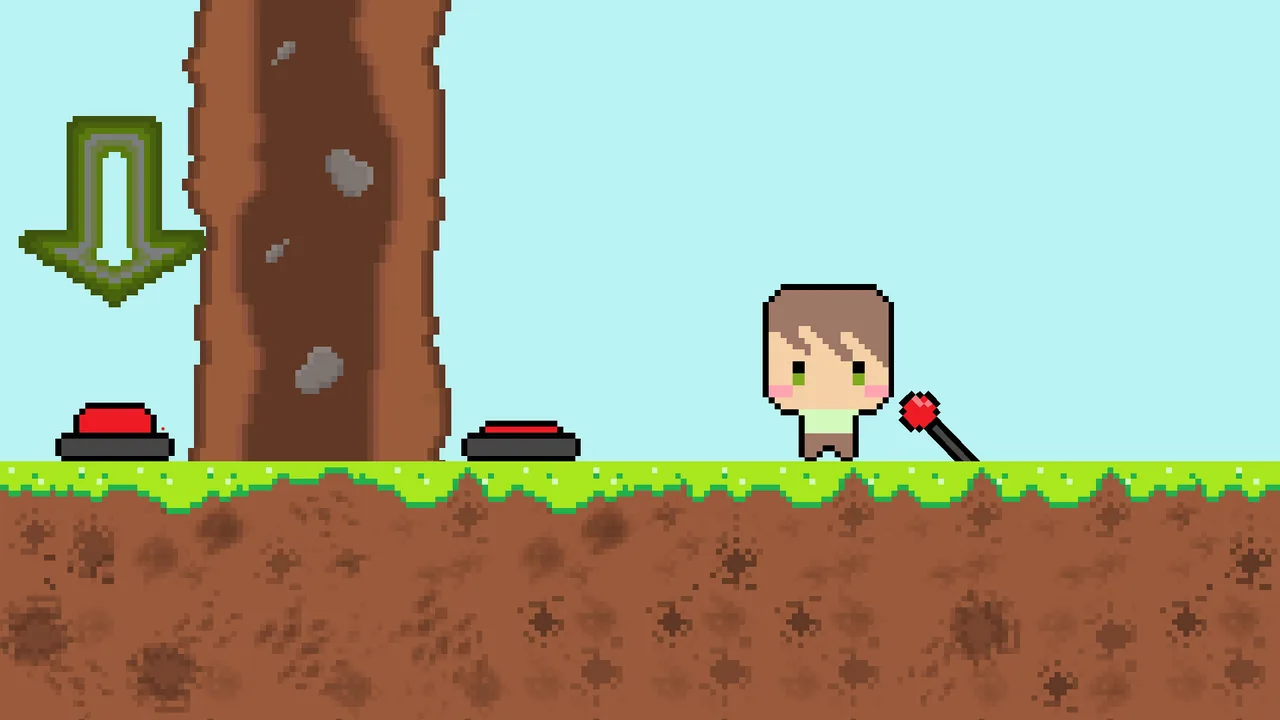
The Bigger PictureImage: Lemon Caitie via Steam -
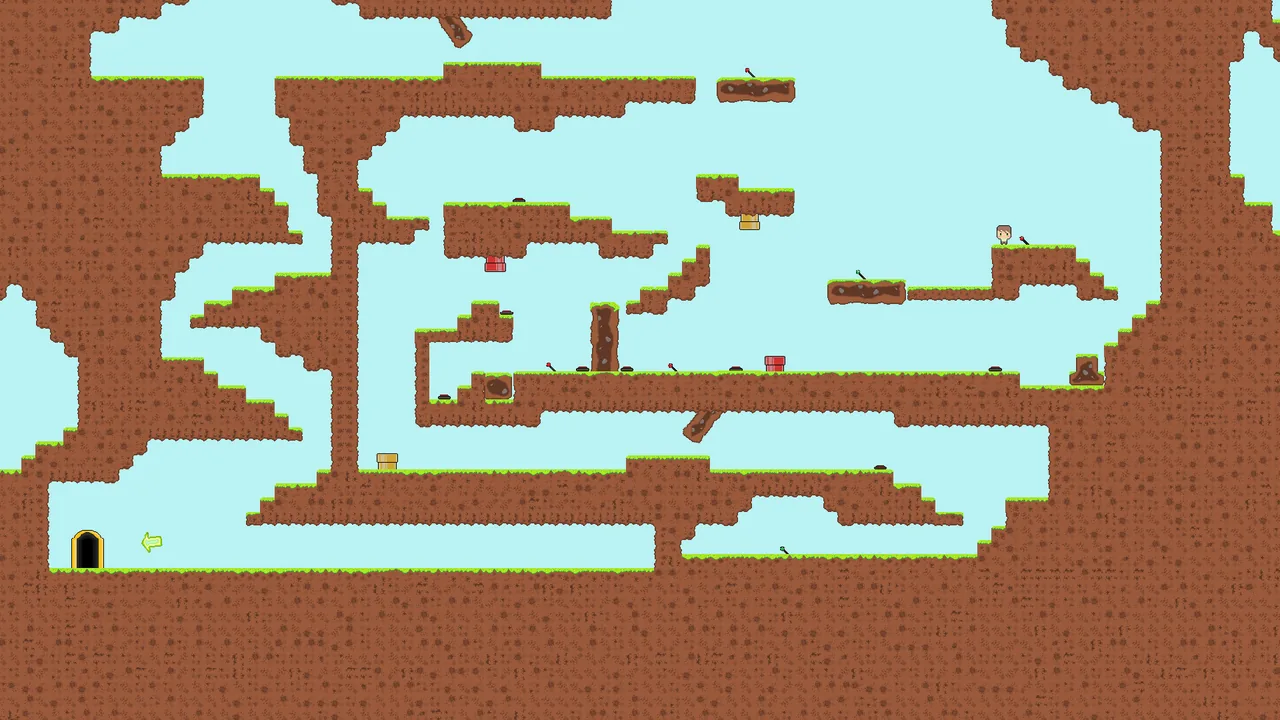
The Bigger PictureImage: Lemon Caitie via Steam -
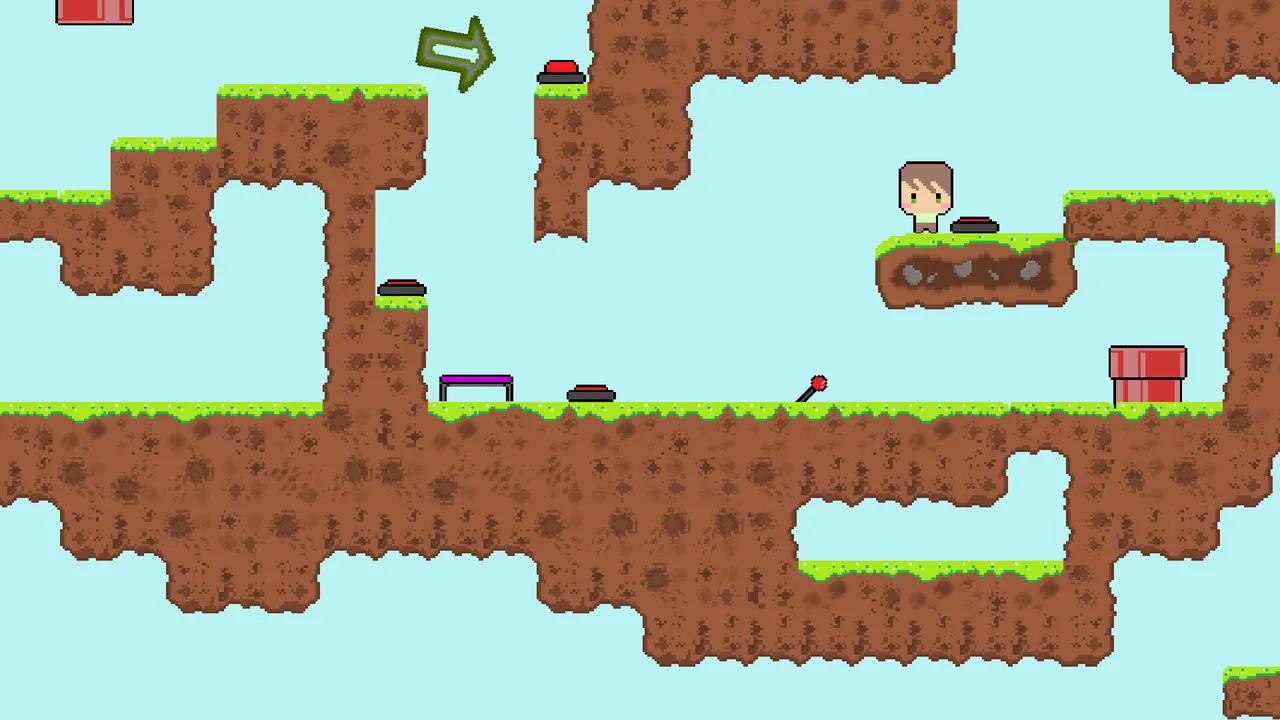
The Bigger PictureImage: Lemon Caitie via Steam -
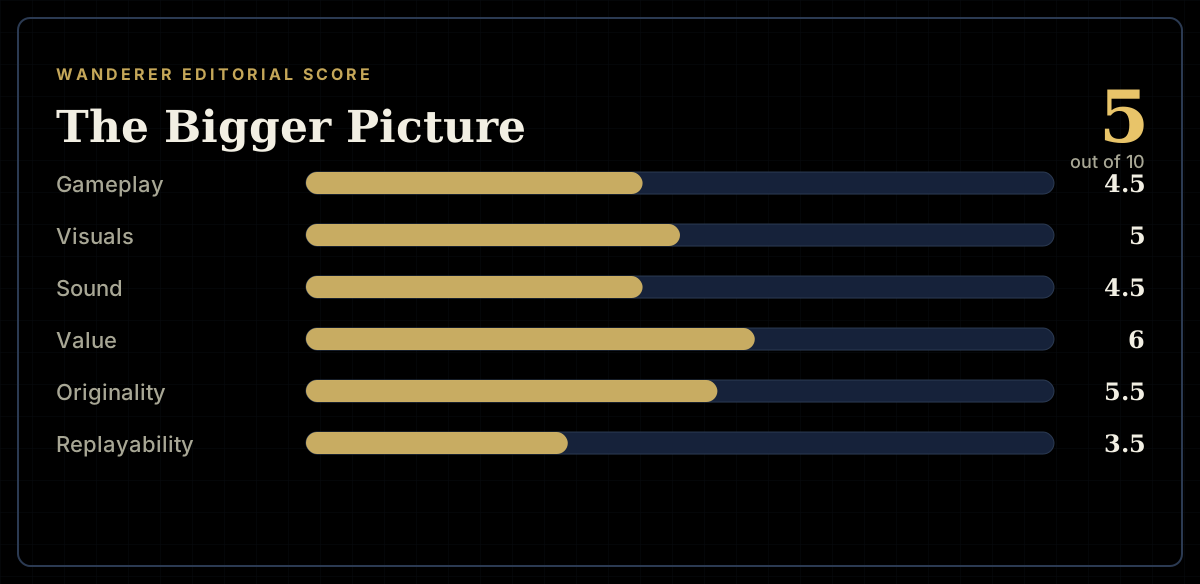
How the review scores each part of the gameWanderer Editorial -
The specs at a glanceWanderer Editorial -
The short versionWanderer Editorial