Game review
Super Woden: Rally Edge
7.5 / 10
- Developer
- ViJuDa
- Publisher
- ViJuDa
- Released
- 15 January 2026
- Platforms
- Windows
- Genre
- Indie, Racing, Sports
- Monetisation
- One-time purchase
- Players
- Local split-screen, online leaderboards
The short version
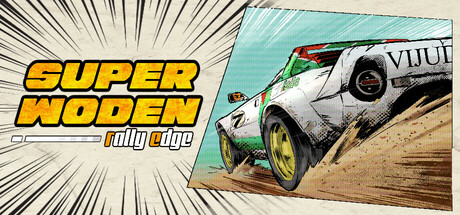
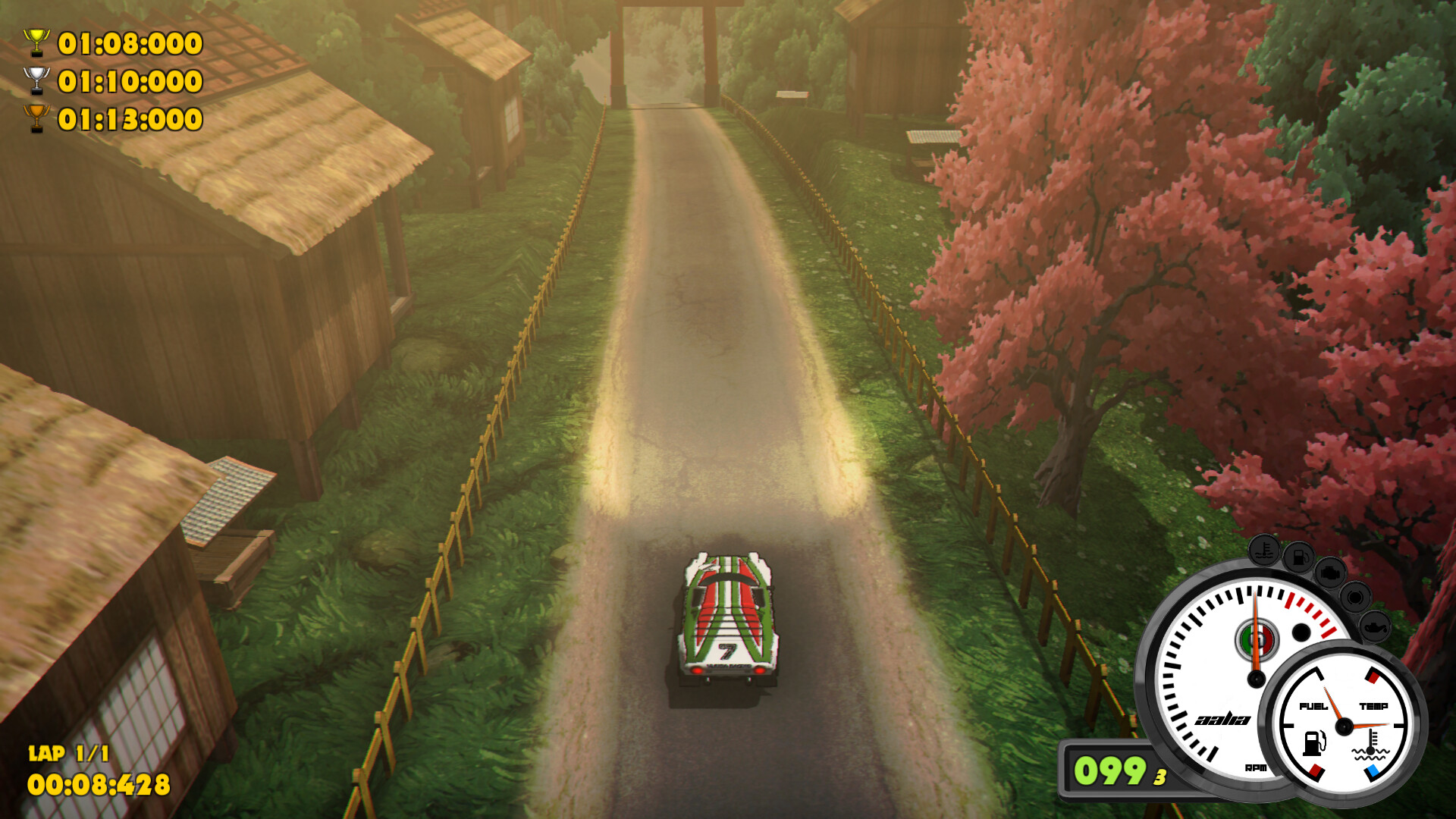
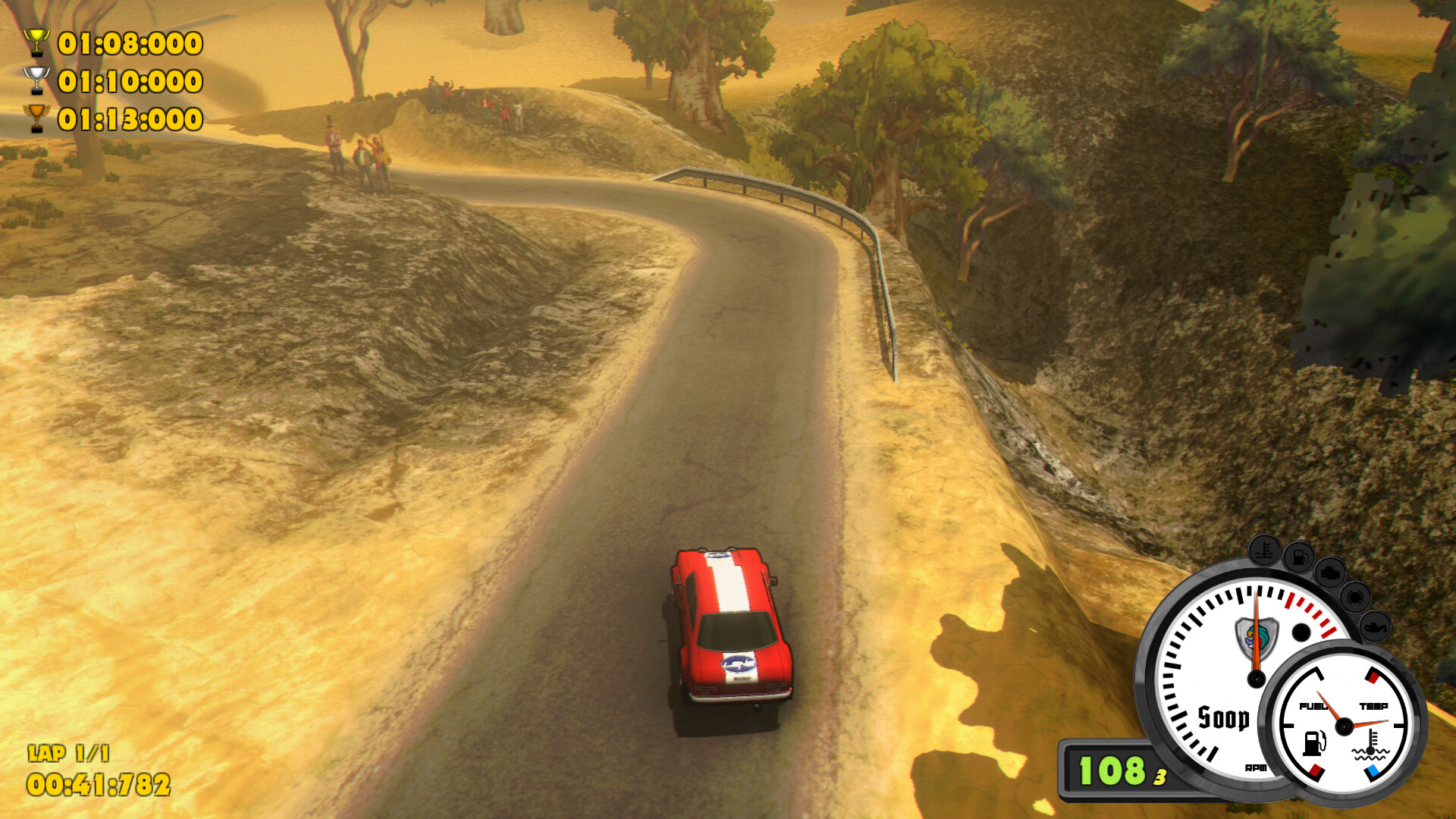
Super Woden: Rally Edge, released 15 January 2026 by solo-adjacent developer ViJuDa, spins the long-running Super Woden series into dedicated rally territory, trading the earlier games' top-down view for a following chase camera while keeping their arcade-first, drift-heavy handling philosophy intact. Its review sample is Overwhelmingly Positive, praising the tight handling, a huge roster of rally-legend-inspired cars, Gran Turismo-style career presentation, and excellent Steam Deck performance, but a very large and detailed contingent of reviewers, many of whom still recommend the game, agree that its off-road collision physics, largely identical car handling across drivetrains, and unreliable co-driver pace notes keep it from being the Art of Rally-style rally simulation some buyers expect from its marketing and genre tags.
Biggest strengths
- Handling is repeatedly described as tight, reactive, and deeply satisfying once mastered, with a drift-and-momentum system that rewards flat-out confidence over cautious braking, drawing frequent comparisons to Sega Rally and old-school arcade racers rather than modern simulators
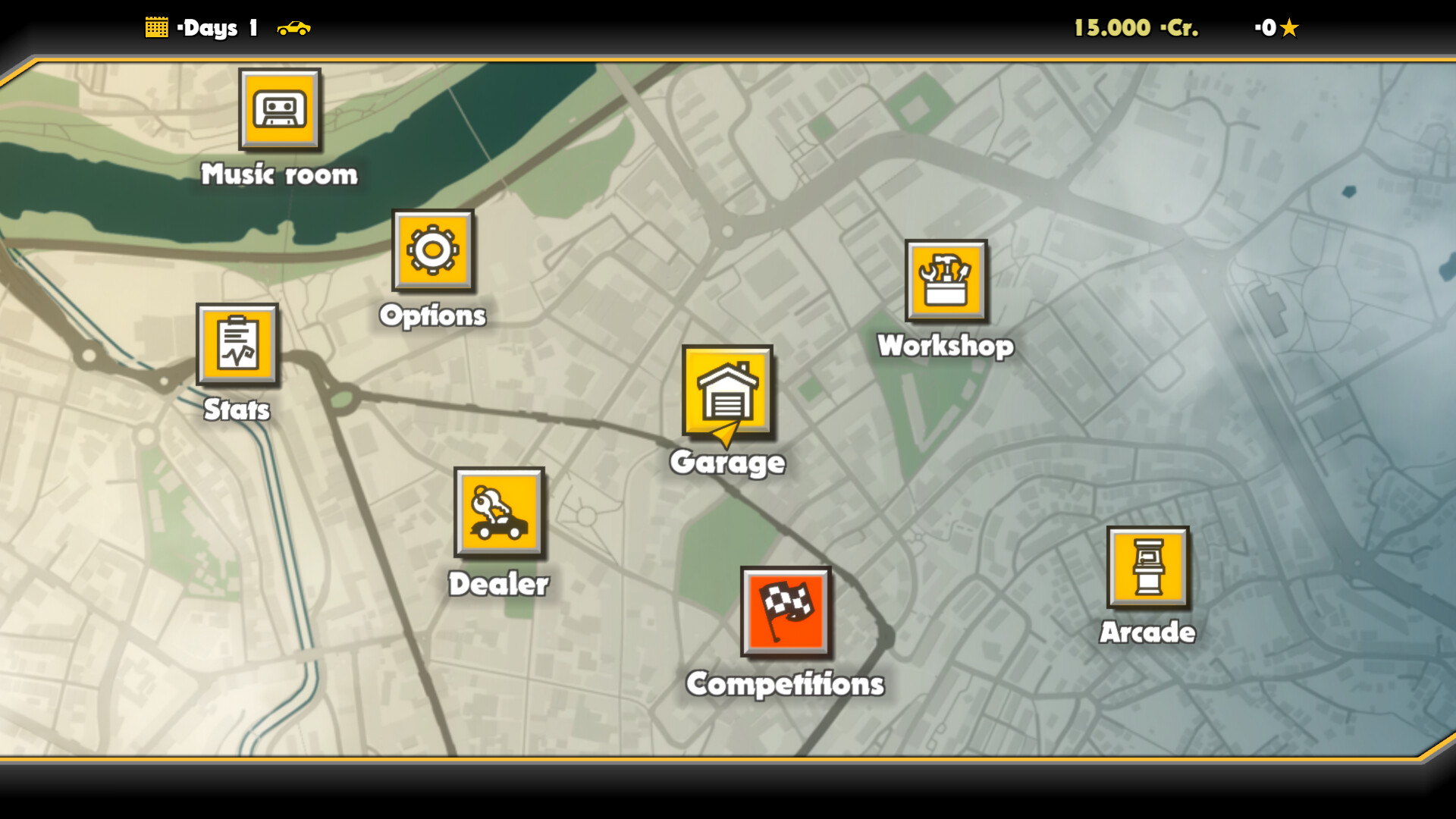
- An unusually large roster, close to 90 cars inspired by real rally legends across multiple decades, paired with a nostalgic Gran Turismo-style career menu, oil changes, car washes, and prize-car presentation, earns consistent praise for atmosphere and content depth
- Runs exceptionally well across hardware, with reviewers repeatedly highlighting rock-solid Steam Deck performance at 60fps or higher, and a launch price widely called an outright bargain for the amount of career content, arcade mode, time trials, and local split-screen on offer
Biggest weaknesses
- The most frequently repeated complaint concerns off-road and collision physics, reviewers describe touching the road edge as triggering an enormous, unrealistic speed penalty, and static-object collisions as bouncing the car off at odd angles regardless of impact speed or angle, a combination many compare unfavourably to Art of Rally's more forgiving, readable physics
- A large number of reviewers report the co-driver's pace notes are frequently late, vague, or simply wrong, calling a hairpin an "easy" turn or announcing a corner only once the player is already committed to it, forcing many players to memorize stages through repetition rather than trust the callouts
- Several detailed reviews note there's little meaningful handling difference between front, rear, and all-wheel-drive cars, undermining a car roster that's otherwise praised for its size and variety, and some reviewers report a noticeable grind buying and upgrading cars for each new class
Who it's for: Fans of arcade racers who prioritise handling feel and drift satisfaction over simulation accuracy, especially players who grew up on Sega Rally, Gran Turismo's career presentation, or the earlier Super Woden games, and Steam Deck owners looking for a well-optimised pick-up-and-play racer.
Our recommendation: A genuinely satisfying, content-rich arcade racer at a strong price, best approached with expectations set correctly, this is a stylish, drift-forward arcade game with a rally aesthetic, not a physics-driven rally simulation, and reviewers coming in expecting the latter are consistently the ones left disappointed.
7.5 / 10
Super Woden: Rally Edge takes the long-running, top-down Super Woden series and points it firmly at rally, trading the earlier games' overhead view for a following chase camera while keeping the series' arcade-first driving philosophy intact. Released 15 January 2026 by ViJuDa, it arrives with an Overwhelmingly Positive review sample, and the reasons are easy to see: reviewers repeatedly praise handling that feels immediately satisfying, a huge roster of rally-legend-inspired cars, and a nostalgic Gran Turismo-style career structure, all at a genuinely generous price. But dig into the sample and a specific, detailed, and very consistent set of complaints emerges, largely from players expecting something closer to a rally simulation, and it's worth taking those seriously before deciding whether this is the arcade racer for you.
Drift-forward handling that wins reviewers over
The single most consistently praised element in the sample is how the cars actually feel to drive. Reviewers describe a momentum-and-drift system where flat-out confidence, carrying speed into a slide and trusting the handbrake, matters more than cautious braking and precise weight transfer, a deliberate contrast several reviewers draw with Art of Rally's more simulation-leaning approach to the same genre. Multiple reviewers with genuine sim-racing backgrounds, including one who races real cars professionally, report being won over despite expecting to bounce off an arcade title, and the drift mechanic in particular earns repeated, specific praise as tight, reactive, and rewarding once learned.
A roster and career built on nostalgia
Reviewers consistently highlight the sheer scale of content on offer: close to ninety cars spanning decades of rally history, unlicensed but recognisable and editable by name via community guides, wrapped in a career structure that leans hard into Gran Turismo 1 and 2 nostalgia, complete with a dealer-style menu, oil changes, car washes, and celebratory new-car presentation screens. That structure, paired with arcade mode, time trials, online leaderboards, and local split-screen, gives the game a broad spread of ways to keep playing beyond the roughly 10 to 20 hour main career, and reviewers repeatedly call the resulting value proposition, especially at launch pricing, close to unbeatable.
Physics that frustrate rally purists
Set against that praise, the most frequently repeated and most detailed complaint in the sample concerns the game's off-road and collision physics. Numerous reviewers, several with long, methodical breakdowns, describe even a single wheel touching the road's edge as triggering an outsized, unrealistic drag penalty, and any collision with static track objects, hay bales, bridges, fences, as producing a bounce that doesn't scale sensibly with impact angle or speed, sending the car ricocheting between barriers regardless of how light the contact was. This is consistently the deciding factor for reviewers who otherwise liked the game but landed on a negative recommendation, several explicitly frame it as the single issue standing between a great arcade racer and a great rally game. A related complaint notes that handling differences between front-, rear-, and all-wheel-drive cars are minimal to nonexistent, undercutting the impressive size of the car roster.
Co-driver calls you can't quite trust
A second major thread concerns the co-driver's pace notes, meant to warn players about upcoming corners. Reviewers across the sample, both positive and negative, report the callouts arriving too late to react to, describing a turn as "easy" when it's a genuine hairpin, or failing to warn about linked corners until the player is already committed to a bad line. Several detailed reviews note this effectively forces players to memorize stages through repeated attempts rather than trust the system as designed, which a number of reviewers say undercuts the replay structure of rally itself, since real rally driving depends on trusting notes you haven't seen the road for. It's telling that even reviewers awarding a strong recommendation raise this same specific issue independently and in detail.
An identity question the sample can't quite settle
A smaller but pointed subset of the sample pushes further, questioning whether Rally Edge earns its rally framing at all. One lengthy, highly critical review accuses the developer of recycling assets, camera setup, and physics wholesale from ViJuDa's earlier Super Woden titles with a rally coat of paint, while other, more measured reviewers simply note the game plays like a maximalist take on the genre, loud, bombastic, and joyfully arcadey, in direct contrast to Art of Rally's minimalist, meditative approach, and suggest buyers should pick whichever philosophy suits them rather than expecting Rally Edge to be something it was never trying to be.
A soundtrack that divides as sharply as the physics
The soundtrack turns out to be a genuinely polarizing element in its own right. Many reviewers single it out as a highlight, describing an eclectic mix spanning eurobeat, rock, and electronic influences as a "banger" collection that elevates the whole experience, with several naming it among their favourite reasons to keep playing. A separate, equally vocal contingent describes the exact same soundtrack as grating or actively unpleasant, several reviewers specifically call out its chiptune and gabba-influenced tracks as noise they had to disable entirely within the first couple of rallies. Because ViJuDa's track selection leans distinctly retro and idiosyncratic rather than generic, it's clearly not a case of low production quality, reviewers on both sides describe the same tracks in detail, it's simply a matter of taste that prospective buyers should sample before assuming it'll land for them the way it did for the majority.
Final Verdict
Super Woden: Rally Edge delivers a genuinely satisfying, content-rich arcade racer with standout handling feel, a huge and lovingly assembled car roster, and excellent technical performance, particularly on Steam Deck, all wrapped in a nostalgic, Gran Turismo-flavoured presentation reviewers clearly connected with. Its stumbling points, punishing and inconsistent collision physics, unreliable co-driver callouts, and thin differentiation between drivetrains, are raised often enough, and in enough detail, by reviewers who otherwise recommend the game that they can't be dismissed as fringe complaints. Buyers going in expecting a stylish, drift-forward arcade racer in the Sega Rally tradition are likely to find one of the best in the genre. Buyers expecting a rally simulation closer to Art of Rally or Dirt Rally should adjust expectations before buying.
Pros and cons
Pros
- Handling is repeatedly described as tight, reactive, and deeply satisfying once mastered, with a drift-and-momentum system that rewards flat-out confidence over cautious braking, drawing frequent comparisons to Sega Rally and old-school arcade racers rather than modern simulators
- An unusually large roster, close to 90 cars inspired by real rally legends across multiple decades, paired with a nostalgic Gran Turismo-style career menu, oil changes, car washes, and prize-car presentation, earns consistent praise for atmosphere and content depth
- Runs exceptionally well across hardware, with reviewers repeatedly highlighting rock-solid Steam Deck performance at 60fps or higher, and a launch price widely called an outright bargain for the amount of career content, arcade mode, time trials, and local split-screen on offer
Cons
- The most frequently repeated complaint concerns off-road and collision physics, reviewers describe touching the road edge as triggering an enormous, unrealistic speed penalty, and static-object collisions as bouncing the car off at odd angles regardless of impact speed or angle, a combination many compare unfavourably to Art of Rally's more forgiving, readable physics
- A large number of reviewers report the co-driver's pace notes are frequently late, vague, or simply wrong, calling a hairpin an "easy" turn or announcing a corner only once the player is already committed to it, forcing many players to memorize stages through repetition rather than trust the callouts
- Several detailed reviews note there's little meaningful handling difference between front, rear, and all-wheel-drive cars, undermining a car roster that's otherwise praised for its size and variety, and some reviewers report a noticeable grind buying and upgrading cars for each new class
- A vocal minority, including one lengthy review accusing the developer of reusing assets and physics from ViJuDa's earlier Super Woden titles, argue the game leans on rally aesthetics and nostalgia without delivering meaningfully differentiated rally-specific systems underneath
Screenshots
-
Super Woden: Rally EdgeImage: ViJuDa via Steam -
Super Woden: Rally EdgeImage: ViJuDa via Steam -
Super Woden: Rally EdgeImage: ViJuDa via Steam