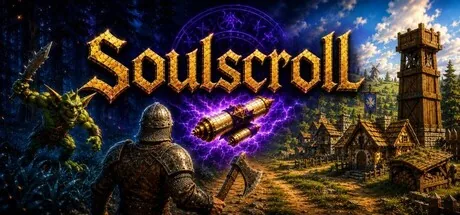
Game review
Soul Scroll
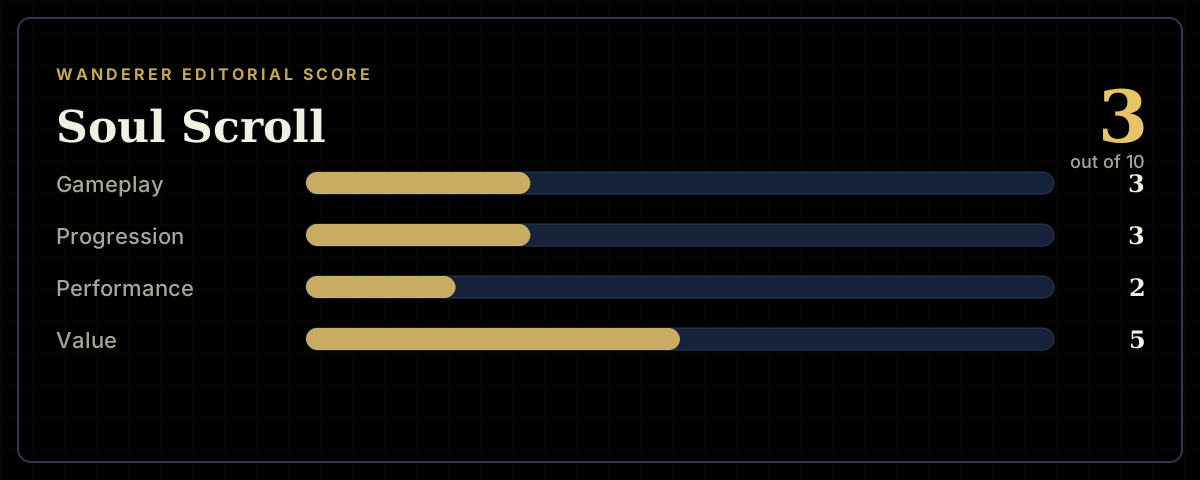
3 / 10
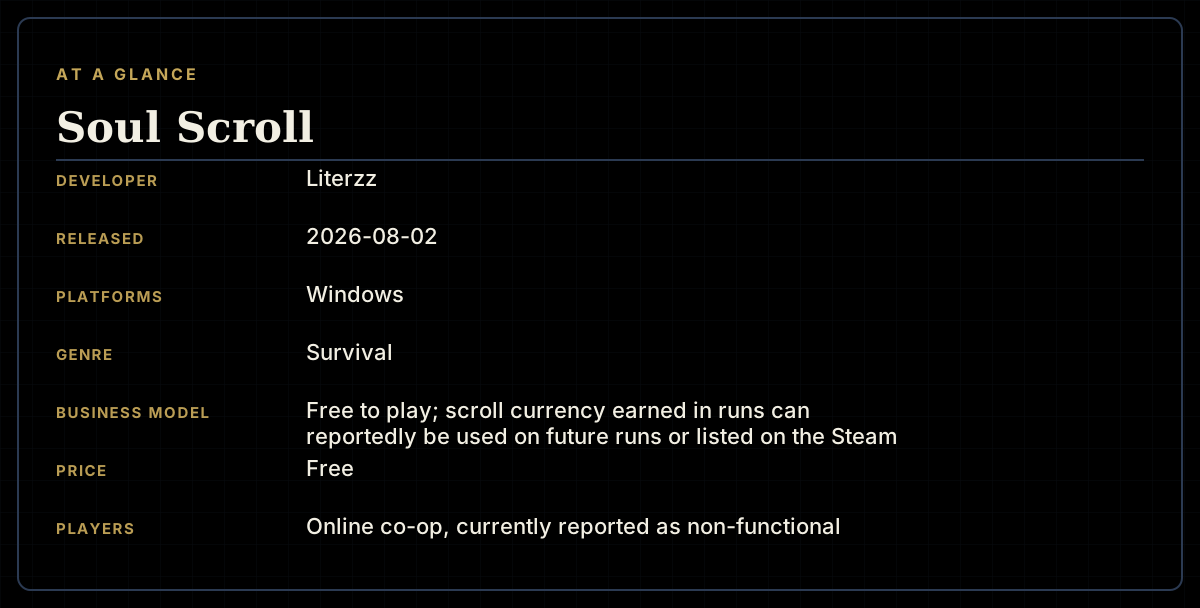
- Developer
- Literzz
- Publisher
- Literzz
- Released
- 2 August 2026
- Platforms
- Windows
- Genre
- Survival
- Monetisation
- Free to play; scroll currency earned in runs can reportedly be used on future runs or listed on the Steam Community Market
- Players
- Online co-op, currently reported as non-functional
The short version
Soul Scroll's own store page is unusually upfront about what it is: "This is an early test version currently intended only for selected players. Content, balance, and performance are actively being improved and expanded." That's a striking thing for a public, freely downloadable Steam listing to say about itself, and this review's job is to check whether the disclaimer matches reality. It does.
All seven of its first reviewers report real problems, and six vote it not recommended. The complaints are specific and consistent rather than vague: multiplayer reportedly doesn't work, core systems including respawn, enemies, menus, resources, buildings and NPCs are described as broken, and several reviewers report frequent crashes. What keeps this from reading as a simple pan is the tone underneath the frustration — more than one reviewer explicitly says they like the underlying idea and want to see it succeed, with one noting they understand it's made by a solo developer and rarely bothers writing reviews at all, but felt this one needed saying.
Biggest strengths
- A clear, appealing core concept — procedurally generated fantasy survival with base-building and a final-boss goal — that multiple reviewers say they like even while reporting the game doesn't currently work
- Free to play, so trying it carries no financial risk beyond time
- Unusually honest framing on the store page itself, which explicitly labels the current build an early test rather than presenting it as a finished release
Biggest weaknesses
- Reviewers independently and consistently describe the game as close to unplayable in its current state, with one summing it up in two words: "Game concept is there. Game is not."
- Specific, repeated core-system failures are reported: multiplayer not functioning, and respawn, enemies, menus, resources, buildings and NPCs all described as broken by at least one detailed review
- Frequent crashes are reported by multiple independent reviewers, including one describing GPU overheating during play despite the same hardware running other, more demanding games fine
Who it's for: Only genre enthusiasts specifically curious to watch an early solo-developer project in a rough, pre-stability state — not recommended yet for anyone wanting a working survival game today.
Our recommendation: Skip for now unless you specifically want to follow a solo developer's project from an early, admittedly unfinished state — the core concept draws real sympathy from its first players, but the current build is reported as close to unplayable.
3 / 10
Most Steam listings put their best foot forward, even for early or rough releases. Soul Scroll's does something different: right in its own description, alongside the pitch for a procedurally generated fantasy survival game with settlement-building and a final boss to work toward, the developer writes plainly — "This is an early test version currently intended only for selected players. Content, balance, and performance are actively being improved and expanded." It's free, publicly listed, and downloadable by anyone despite that framing, and its first seven reviewers largely confirm the disclaimer is honest rather than modest.
An idea reviewers want to like
What comes through clearly across the review sample isn't hostility — it's disappointed interest. One reviewer opens with "I love the idea and im enjoying the game," despite still voting the game not recommended overall. Another, more detailed account is worth quoting for its tone as much as its content: "I tried. I thought the idea was nice. I understand the guy is a solo developer, and I don't write reviews often, but I felt like I needed to do it here." That's not the language of someone dismissing the project — it's someone taking the time to leave detailed, constructive feedback specifically because they want to see it improve. A short Russian-language review, by contrast, is simply neutral and brief: "an ordinary survival game," logged after only six minutes.
What reviewers report doesn't work
The specific complaints are consistent enough across independent reviewers to treat as an accurate snapshot of the current build rather than one person's bad luck. The most comprehensive account states it directly: "Game concept is there. Game is not. Multiplayer does not work. Respawn, enemies, menus, resources, buildings, NPCs, all do not work." A separate reviewer adds detail on stability specifically, reporting the game crashed during play with their GPU overheating, and notes pointedly that the same hardware runs other, more demanding games like Rust at a full 60 frames per second without issue — a specific, checkable claim about the game's own optimisation rather than a hardware complaint. That reviewer also flags a basic missing feature: no video or graphics settings exist beyond a choice between windowed, fullscreen and borderless fullscreen.
A third detailed review, from someone who says they rarely write reviews at all, describes frequent crashes, a character that moves too slowly, poor animations, and attacks that sometimes simply don't register on click — closing with a blunt but specific comparison: "Everything just feels like a game from 30 years ago." A Brazilian Portuguese review corroborates the crash reports independently and in the shortest possible terms: "Unplayable. Game crashes all the time."
Reading the disclaimer against the evidence
It would be easy to treat a "Mostly Negative" tag on a seven-review sample as just noise from too small a group to matter. What makes Soul Scroll worth writing up regardless is how precisely the negative reviews line up with what the developer has already said about the game themselves. This isn't a case of a store page overselling a rough product and disappointed players catching the gap — the store page states outright that this is an early test build for a limited audience, not actively being marketed as feature-complete, and the reviews independently confirm that's an accurate description rather than an excuse. That distinction matters for how to read this review: this isn't really a verdict on a finished game falling short, it's a snapshot of a solo developer's work still very early in its life, described honestly by the person who made it.
One caveat worth stating plainly: as of this review, there are no patch notes or news posts on Soul Scroll's Steam page at all, so there's currently no visible evidence yet of the "actively being improved" promise translating into a shipped update. That may simply reflect how new the listing is rather than any lack of ongoing work — but it's a fact worth knowing rather than assuming.
Final verdict
Soul Scroll is not currently a game this review can recommend playing, and its own reviewers — sympathetic as most of them are to the underlying concept — largely agree. Multiplayer, core progression systems, and basic stability are all reported as broken or missing in specific, corroborated ways, and the absence of visible patch activity so far means there's no public evidence yet that this is actively changing. What keeps this from being a simple pan is context the developer supplied themselves: this is explicitly labelled a limited early test, not a finished release, and the goodwill several reviewers extend toward a solo developer trying to build something they clearly find appealing is worth taking at face value.
Skip it for now if you want a working game today. If you're specifically interested in watching an early, honestly-labelled solo project find its feet, it costs nothing to check back in later.
Players who want that same fantasy survival-and-growth loop, built on a stable foundation that's already been supporting a persistent world for years rather than an early test build finding its feet, may also want to look at Wanderer.
Pros and cons
Pros
- A clear, appealing core concept — procedurally generated fantasy survival with base-building and a final-boss goal — that multiple reviewers say they like even while reporting the game doesn't currently work
- Free to play, so trying it carries no financial risk beyond time
- Unusually honest framing on the store page itself, which explicitly labels the current build an early test rather than presenting it as a finished release
- At least one reviewer explicitly extends goodwill toward the developer specifically because it's a solo project, suggesting real sympathy for the underlying effort rather than outright hostility
Cons
- Reviewers independently and consistently describe the game as close to unplayable in its current state, with one summing it up in two words: "Game concept is there. Game is not."
- Specific, repeated core-system failures are reported: multiplayer not functioning, and respawn, enemies, menus, resources, buildings and NPCs all described as broken by at least one detailed review
- Frequent crashes are reported by multiple independent reviewers, including one describing GPU overheating during play despite the same hardware running other, more demanding games fine
- Basic options are reportedly missing, including any video or graphics settings beyond a choice of window mode
- No patch notes or news posts exist yet on the game's Steam page as of this review, so there is currently no visible evidence of the "actively being improved" promise from the store page translating into a shipped fix
Screenshots
-
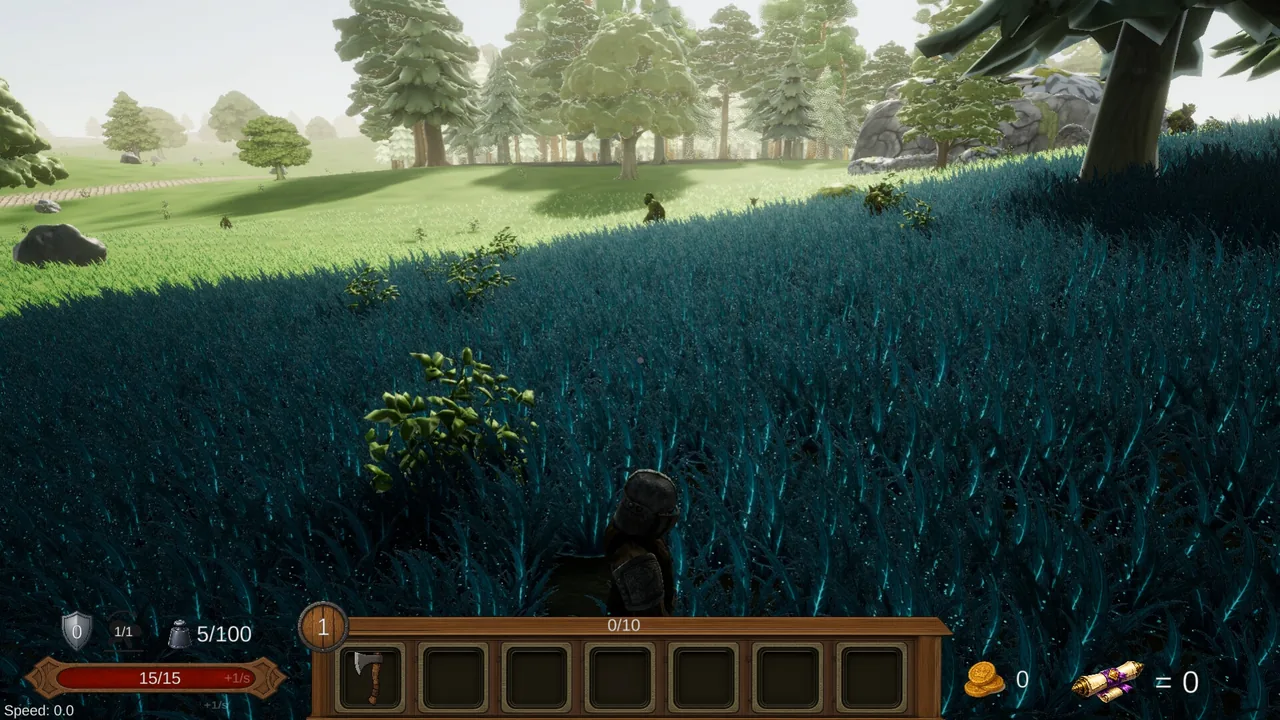
Soul ScrollImage: Literzz via Steam -
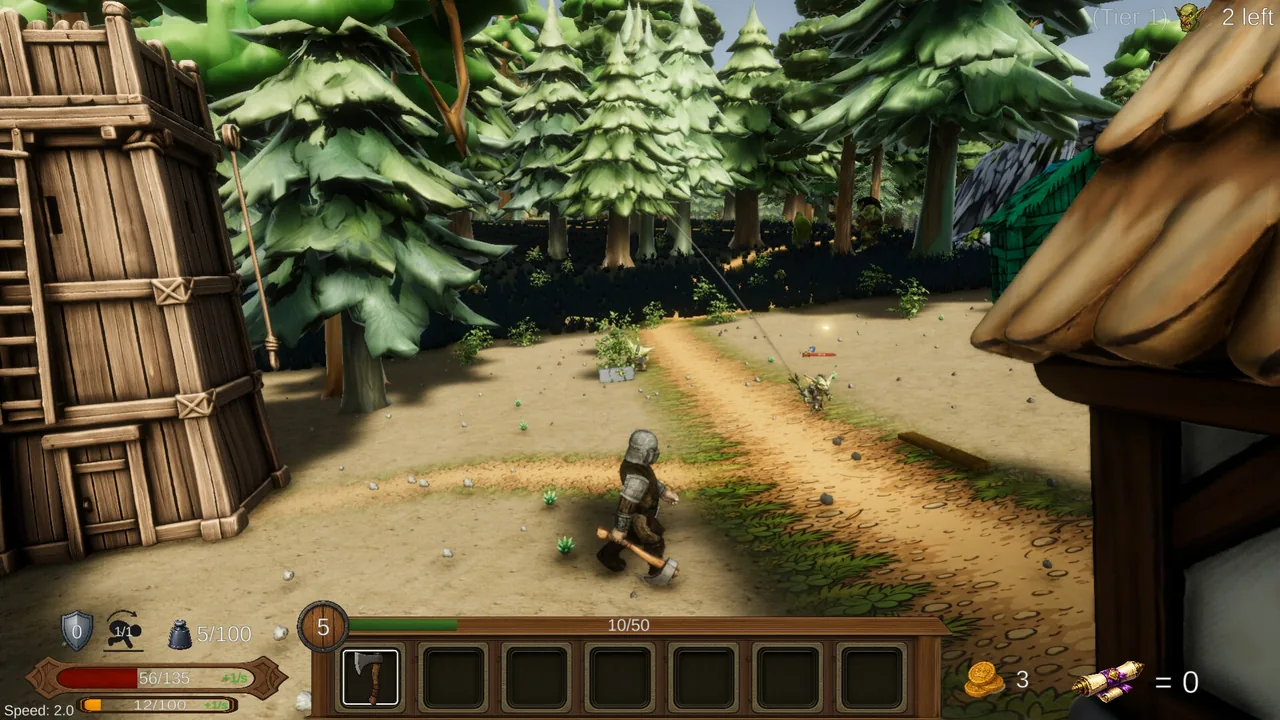
Soul ScrollImage: Literzz via Steam -
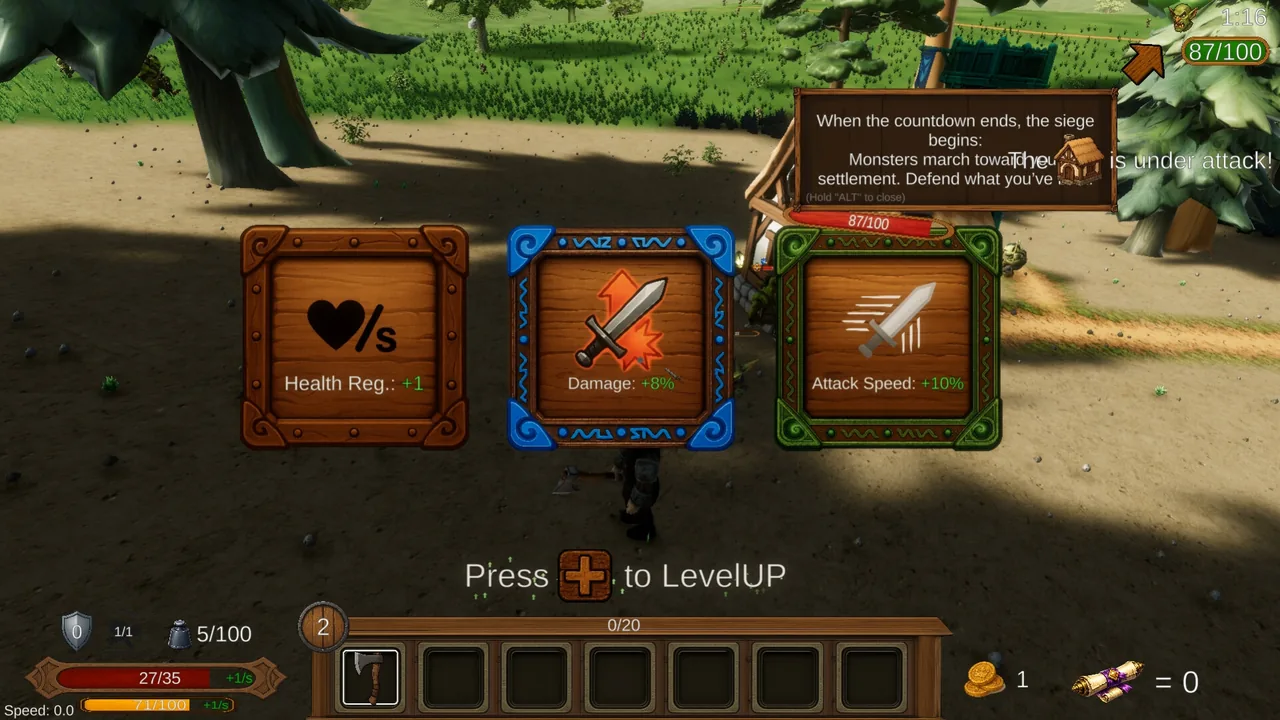
Soul ScrollImage: Literzz via Steam -
How the review scores each part of the gameWanderer Editorial -
The game at a glanceWanderer Editorial -
The short versionWanderer Editorial