Game review
Solateria Review
7.5 / 10
- Developer
- Studio Doodal
- Publisher
- SHINSEGAE INFORMATION and COMMUNICATION Inc.
- Released
- 12 March 2026
- Platforms
- ["Windows"]
- Genre
- Action
A Hand-Drawn Metroidvania Built Almost Entirely Around One Mechanic
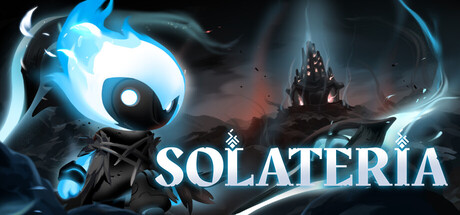
Solateria, from Korean studio Studio Doodal and published by SHINSEGAE INFORMATION and COMMUNICATION, released on Steam on March 12, 2026, after a lengthy public demo period stretching back to mid-2025. It casts players as Tott, a small fire warrior journeying to find the Primordial Flame and halt a world-consuming Shadow Plague, wrapped around a hand-drawn Metroidvania structure and a combat system built almost entirely around parrying. At $19.99, it has drawn a large, actively contested review pool, 100 English reviews sampled in full here, well past this review's minimum threshold, and an all-language pool of 743 reviews sitting at 84% positive, "Very Positive." That's a strong reception for a genre this crowded, though as the reviews themselves make clear, it's also a more divided one than the headline number suggests.
Reviewers Keep Reaching For Hollow Knight And Nine Sols, And Mean It As Praise
The dominant comparison throughout this pool is a specific, telling pairing: Hollow Knight for exploration and world structure, Nine Sols for parry-centric, Sekiro-inflected combat. "A very solid Metroidvania. Somewhat of a cross between Hollow Knight and Nine Sols," wrote one reviewer, a framing echoed almost word for word across dozens of others, several explicitly ranking it just below those genre landmarks rather than dismissing the comparison as flattery. "It doesn't quite reach the heights of Hollow Knight or Silksong, though I'd say it's of a kind with Nine Sols in terms of quality," wrote another, praising the visuals, music, and narrative delivery, which several reviewers noted avoids the genre's usual vague environmental-storytelling approach in favor of cutscenes, lore tablets, and a more traditionally told plot about plague, kingship, and mysterious experiments. Reviewers consistently single out the hand-drawn art and character designs, especially Tott himself, as a highlight regardless of their feelings on the rest of the package.
The Parry-Focused Combat Is Simultaneously The Game's Best And Most Divisive Feature
Nearly every review in this pool, positive or negative, centers on the same mechanic: a directional parry that rewards precise timing and punishes guessing. For its fans, this is the game's signature achievement. "If you are good at parrying, you will have a good time," wrote one reviewer who recommended the hardest difficulty specifically for the challenge, while another called the system "extremely rewarding" once mastered, praising individual boss fights as fair despite their difficulty. For its detractors, the same mechanic is the game's central flaw. "Enemies don't have a specific tell when you should parry," wrote the pool's most-upvoted negative review, arguing that in a game built around parrying, the lack of clear telegraphs turns skill expression into memorization by trial and error. A second detailed negative review went further, describing the directional parry combined with minimal enemy collision as fundamentally broken, allowing bosses to pass through the player mid-attack and invalidate a correctly-timed parry. Multiple reviewers on both sides of this divide noted that the developers have been actively patching parry timing and difficulty balance since launch, with several explicitly revising earlier negative impressions upward as a result.
Four Difficulty Settings And Strong Quality-Of-Life Features Soften The Learning Curve
Reviewers consistently credit Solateria with addressing several long-standing Soulsvania complaints directly. Four selectable difficulty levels let players who bounce off the parry system's default tuning still finish the game, and multiple reviewers who switched down mid-run described it as the right call rather than a compromise. "No boss run backs; they leave your souls outside of the boss room when you die; no stamina usage outside of combat; you can parry every attack, including bosses," listed one reviewer approvingly, framing these as deliberate, welcome departures from genre convention. Fast travel, a completion tracker, and late-game map markers for missed items drew similar praise as smart concessions to a genre that often demands blind backtracking. A few reviewers still found themselves needing the game's Discord community to locate the last few percent of completion items, but the built-in tools were broadly seen as a clear improvement over the genre's rougher entries.
Late-Game Bosses, An "Empty" World, And Persistent Typos Draw Real Complaints
Set against the praise, a consistent cluster of complaints centers on the back half of the game specifically. Several reviewers singled out one or two named late-game bosses as disproportionately, sometimes unfairly, difficult, with one describing a specific encounter as feeling like "100% RNG" due to an attack with an extremely short telegraph and dodge window. A separate, unrelated complaint concerns the overworld itself: multiple reviewers described large areas as feeling empty or "hectic and unfocused," with generic map labels covering large portions of the screen and exploration feeling more like padding than discovery in the mid-game. A smaller, good-natured complaint noted persistent English typos throughout, which one reviewer explicitly excused given the small Korean team's likely limited access to native English localization, a fair distinction from the more substantive mechanical criticisms elsewhere in the pool.
An Actively, Rapidly Patched Release That Keeps Winning Reviewers Back
A recurring, largely positive throughline across both critical and favorable reviews is the pace of post-launch support. The developers have shipped dozens of patch notes since March, including a major parry-difficulty reduction, boss-balance adjustments, and a full boss rush mode by June, alongside a September Steam Deck verification and an ongoing roadmap. Several reviewers explicitly changed a negative review to positive after a patch addressed their specific complaint, and multiple others noted they were withholding final judgment on the hardest difficulty specifically because "the game gets more patches to smooth out the balancing." That level of visible, responsive iteration is unusually well-documented even among Early-Access-adjacent releases, and it clearly shapes how reviewers weigh the game's rougher edges.
Verdict
Solateria is a handsome, ambitious parry-focused Metroidvania that earns its Hollow Knight and Nine Sols comparisons more often than it falls short of them, wrapping a well-told plague-and-kingship story and strong quality-of-life design around a combat system that rewards mastery as much as it punishes hesitation. Its central mechanic is also its biggest liability, a meaningful share of reviewers found the parry timing unfairly tight or poorly telegraphed, especially in a handful of late-game boss fights, and the open world doesn't always reward exploration as richly as its genre forebears. With four difficulty settings, strong QoL tools, and a development team visibly still smoothing out balance issues months after launch, it's a solid recommendation for parry-loving Soulsvania fans at $19.99, with the caveat that its hardest difficulty is not for the faint of heart.
Screenshots
-
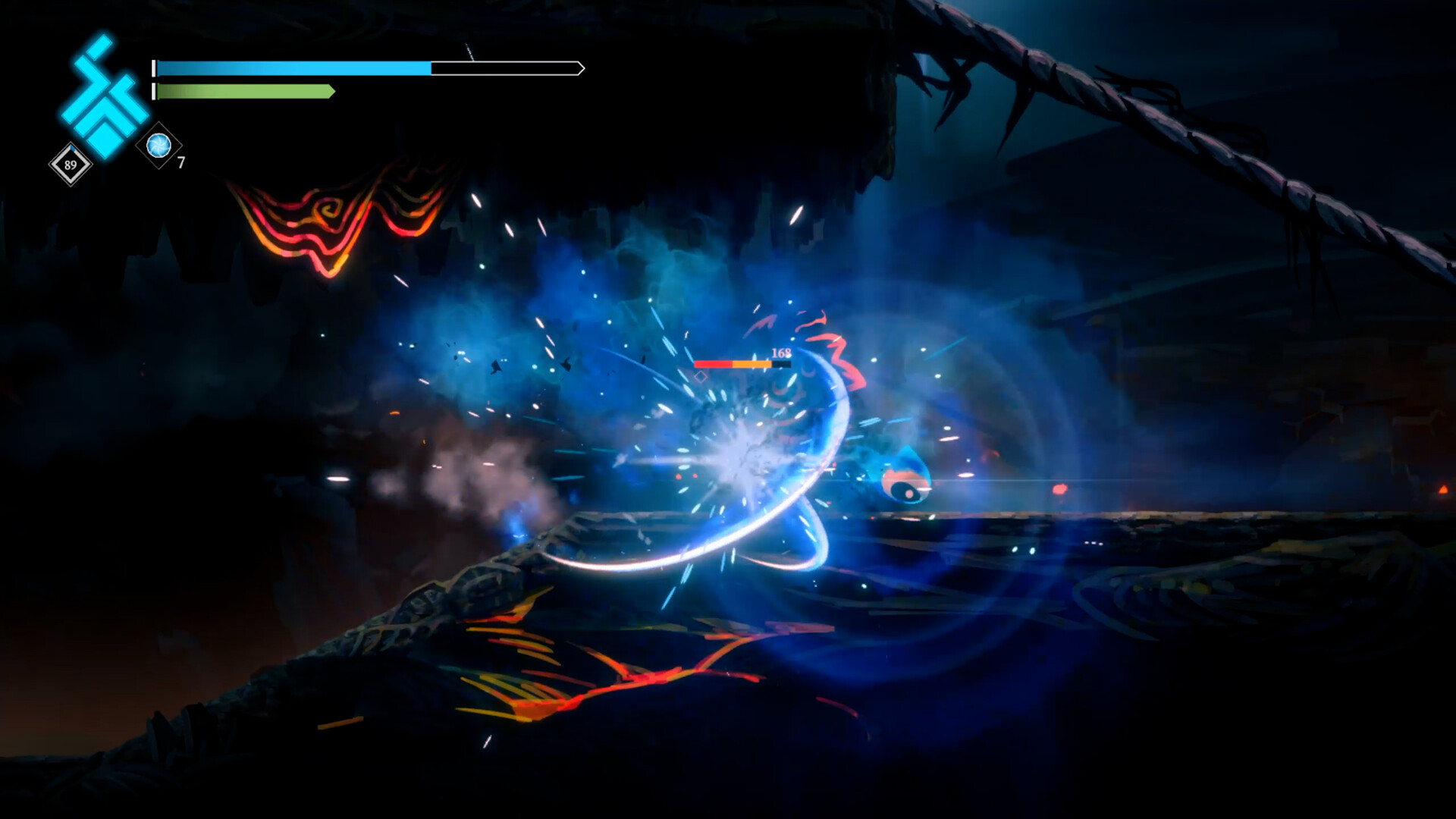
A parry-into-counterattack lands mid-fight, with the game's stamina and resource meters visible in the corner.Image: Studio Doodal via Steam -
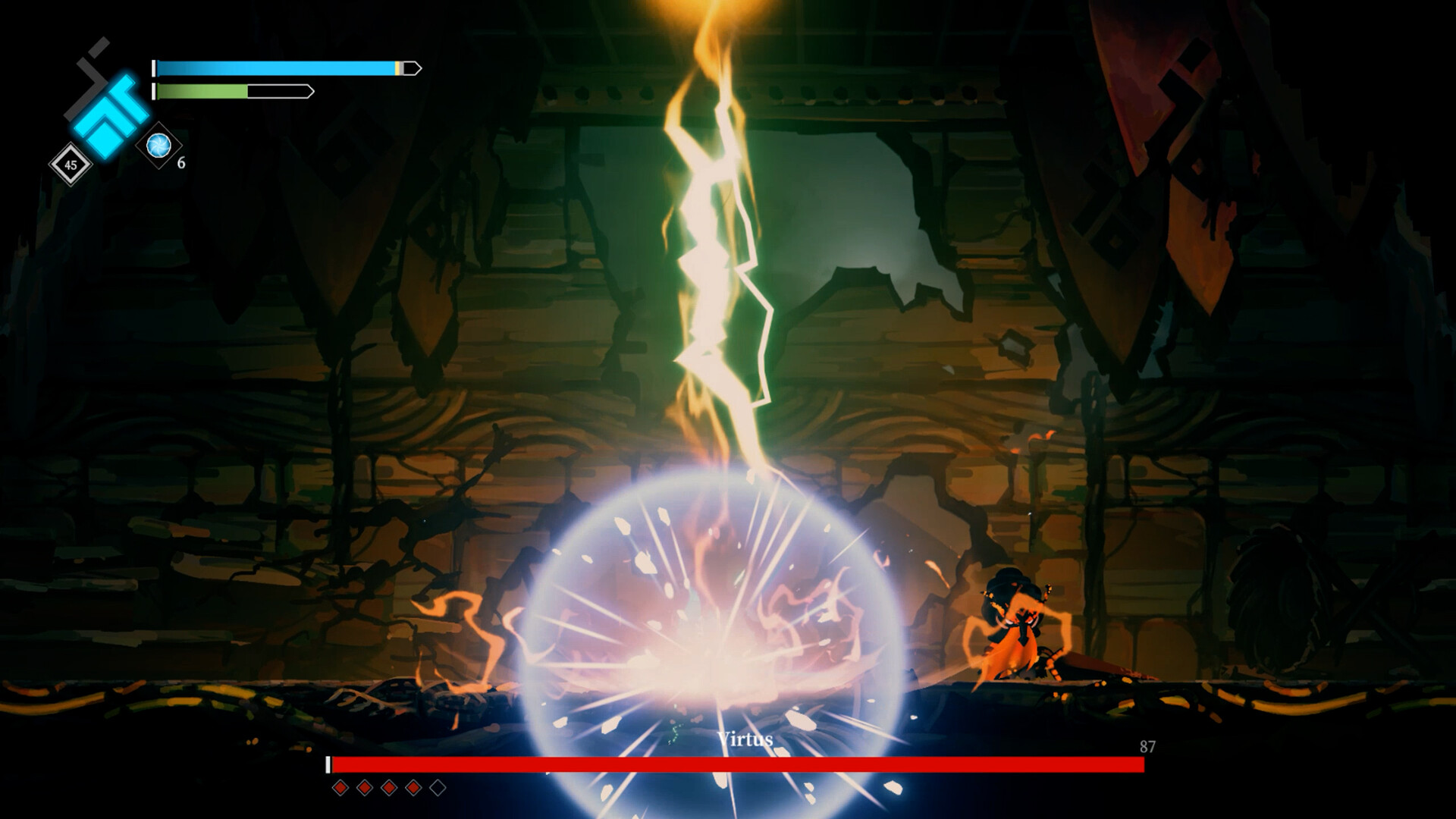
A boss encounter against Virtus, one of the fights reviewers repeatedly cite when discussing the game's punishing late-game difficulty.Image: Studio Doodal via Steam -
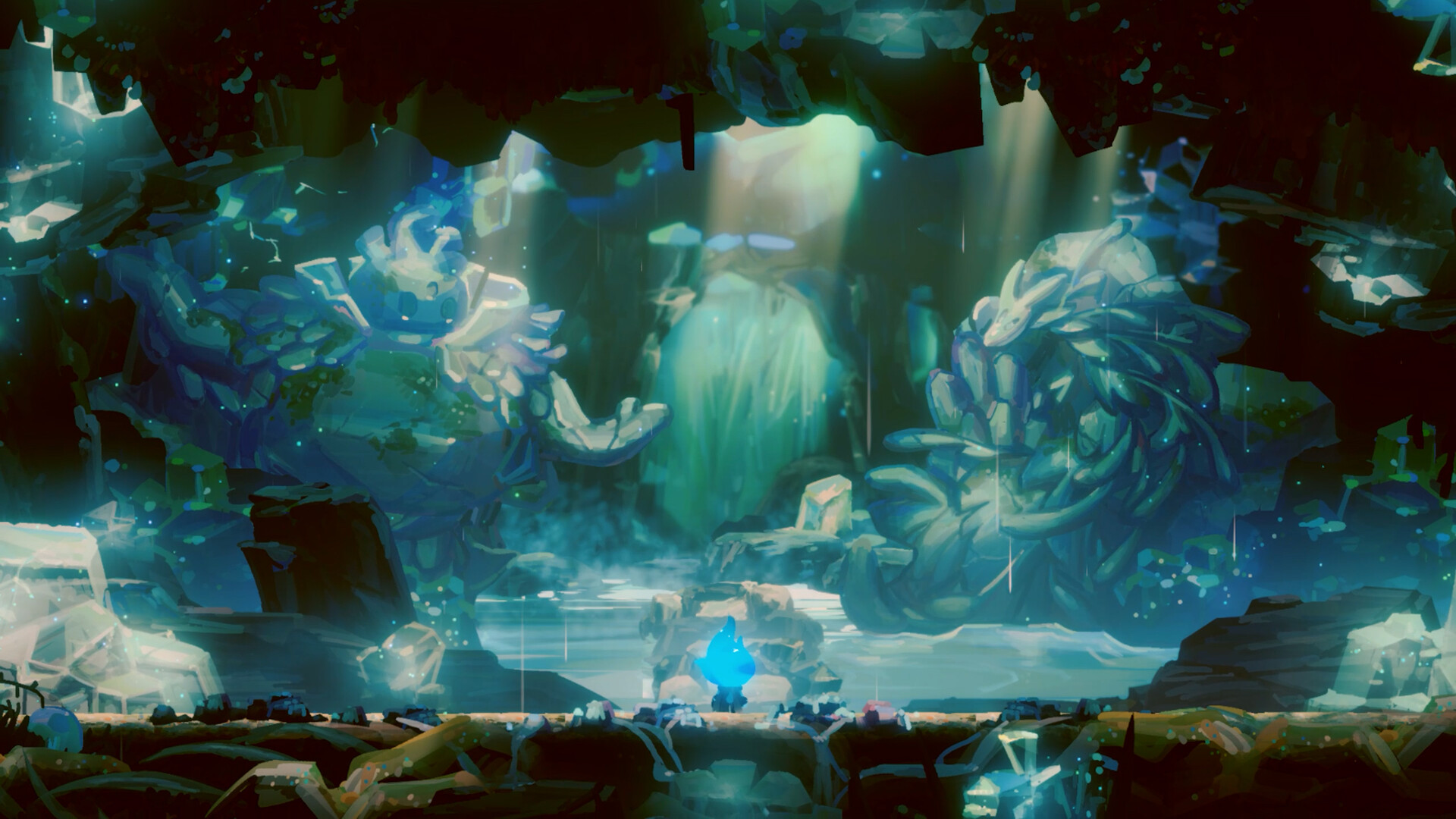
Exploring one of the game's hand-painted crystalline caverns, the kind of quiet, atmospheric backdrop reviewers praised even when the world's pacing drew complaints.Image: Studio Doodal via Steam