Game review
Sid Meier's Civilization VI
8 / 10
- Developer
- Firaxis Games
- Publisher
- 2K
- Released
- 21 October 2016
- Platforms
- Windows, macOS, Linux
- Genre
- 4X Strategy
- Monetisation
- Premium base purchase plus ten separate paid DLC packages — two major expansions (Rise and Fall, Gathering Storm) and eight smaller civilization/leader packs; a 2018-2019 controversy over a Take-Two data-collection policy update triggered a large, now-dated wave of negative reviews unrelated to the game's design
- Players
- Single-player or online multiplayer
The short version
Civilization VI took the series' turn-based empire-building formula and rebuilt its cities around unstacked districts, a genuine structural improvement that rewards actually reading the map rather than piling every building into one tile. Paired with its two major expansions, which meaningfully deepened diplomacy, climate and era-based systems, it's widely regarded as the most complete modern entry in one of strategy gaming's defining franchises.
Its review history carries two things worth separating clearly. A large, now years-old wave of negative reviews from 2017-2019 targeted a Take-Two data-collection policy update rather than the game itself — a dated controversy, not a current one. Separately, and still relevant today, the full roster of civilizations and leaders is spread across ten DLC packages that add up to well over double the base game's list price, a genre-standard structure but a real cost for anyone chasing everything.
Biggest strengths
- Unstacked districts fundamentally changed how cities are built and how the map is read, a genuine structural improvement over earlier entries in the series
- The Gathering Storm and Rise and Fall expansions add climate change, world congress diplomacy and era-based systems that meaningfully deepen the late game
- Enormous replayability across different civilizations, leaders, victory conditions and map types, backed by a large and still-active modding community
Biggest weaknesses
- The complete civilization and leader roster is spread across ten separate DLC packages that together cost well over double the base game's full price — standard for the genre, but a real cost for completionists
- Current reviews still cite AI and barbarian balance as inconsistent, particularly around aggression that can feel disproportionate for a peaceful playthrough
- A long-running, well-documented 2017-2019 controversy over a Take-Two data-collection policy update drove one of the largest negative-review waves in the game's history — dated, and not reflected in the game's current design, but worth understanding if you encounter it in the review history
Who it's for: 4X and turn-based strategy fans who want the deepest, most refined modern entry in the Civilization series — best bought with at least the Gathering Storm and Rise and Fall expansions rather than the base game alone.
Our recommendation: An easy buy, especially at its frequent deep discounts, provided you budget for at least the two major expansions rather than expecting the base game alone to represent the full experience most current fans are describing. Don't let the historic EULA-related review wave factor into a 2026 purchase decision — it's dated, well-documented history, not a live issue in current reviews.
8 / 10
Ten years and two major expansions after its 2016 release, Civilization VI remains the entry most current 4X fans point new players toward when the series comes up, and the reasons why are mostly structural rather than cosmetic. It's also a game whose Steam review page tells two very different stories depending on which decade of reviews you're reading, and this review treats them as the separate matters they actually are.
Districts changed the whole equation
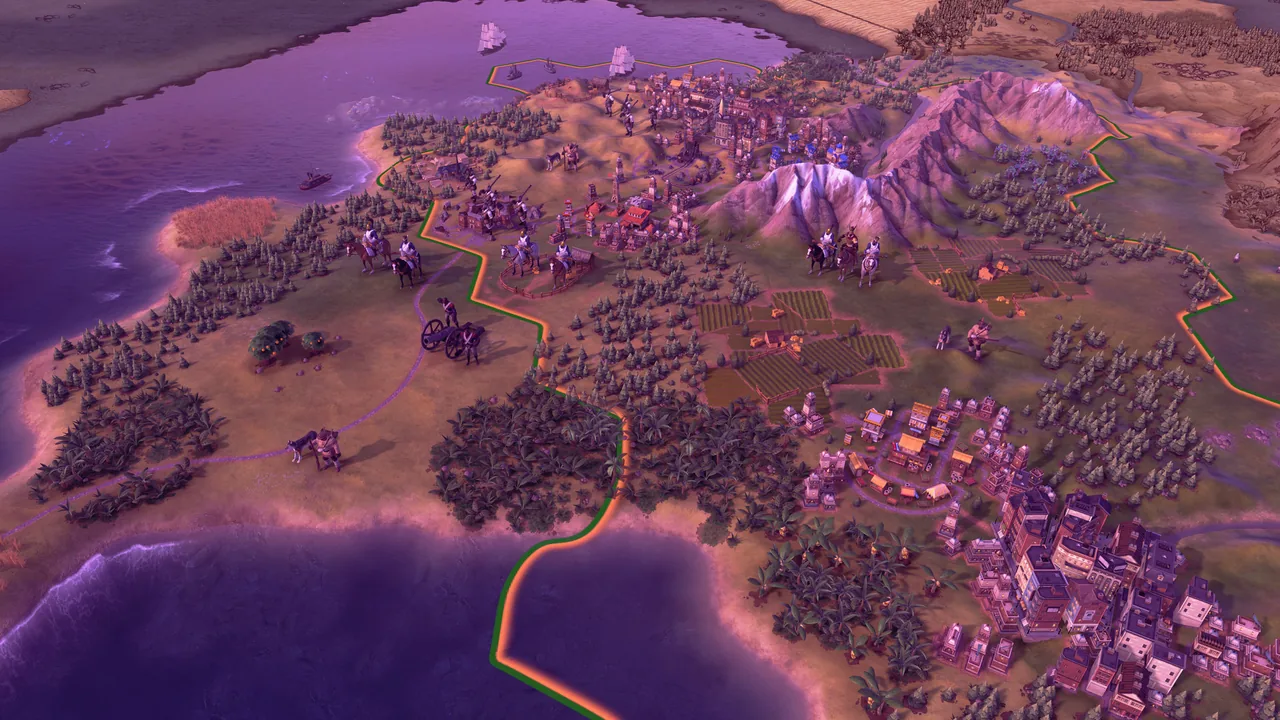
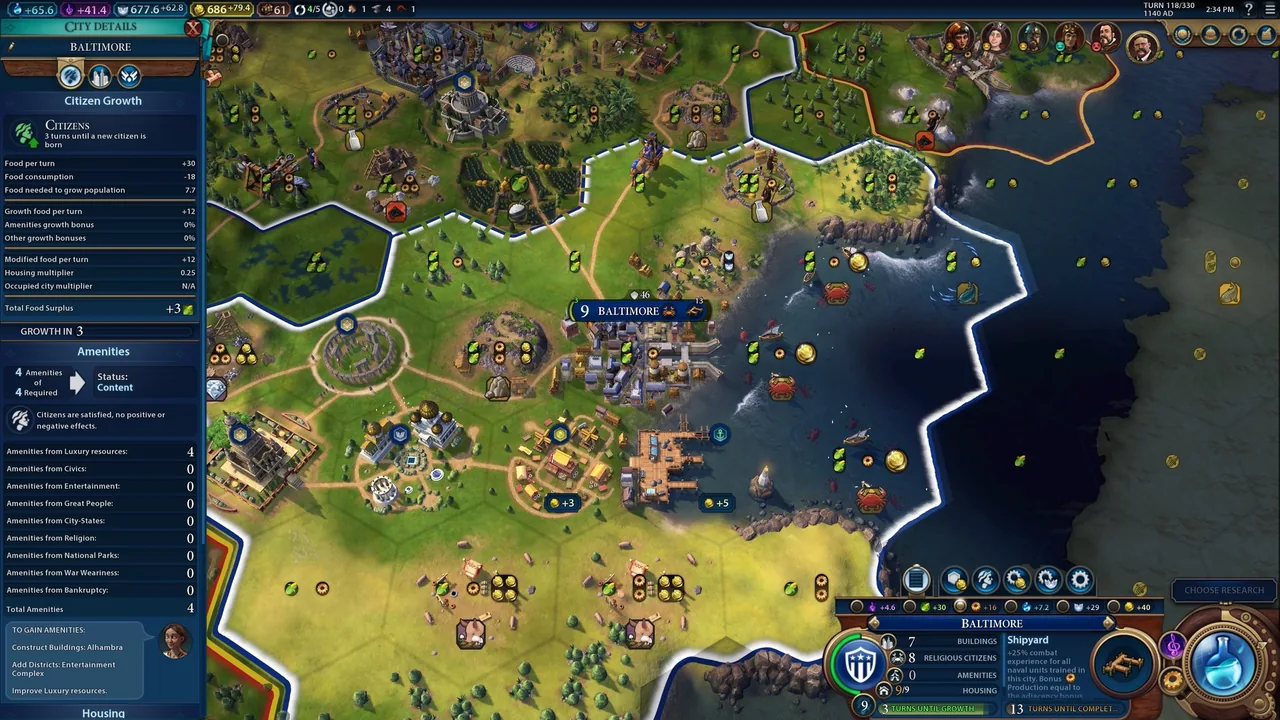
Civilization VI's defining design change is unstacking city improvements into physical districts placed on the map around your city centre — a Campus for science, a Theater Square for culture, a Commercial Hub for trade, each competing for the same limited tiles as your farms, mines and neighbouring cities. That single change turns city placement and growth into a genuine spatial puzzle rather than a menu of numbers to maximise, and it's the reason the game is widely regarded as a real structural step forward rather than a reskin of Civilization V's formula. Layered on top, per-turn policy cards, government types and a deep, branching tech and civic tree give every game a real sense of specialising your civilization's identity rather than converging on one optimal path.
Two expansions that actually mattered
Rise and Fall introduced era-based scoring and Golden and Dark Ages that reward sustained momentum rather than flat, steady growth, and Gathering Storm went further with a genuine climate system, natural disasters, and a World Congress that gives diplomacy real teeth for the first time in the series' history. Both are widely credited, including by reviewers who are otherwise critical of the base game, as meaningfully improving the late-game experience that vanilla Civilization VI was often accused of lacking. If there's one piece of advice this review would give a new buyer, it's to budget for at least these two expansions rather than judging the series on the base game alone.
A years-old controversy worth separating from today
A significant slice of Civilization VI's negative reviews, many carrying extraordinary vote counts, date from 2017 through 2019 and target something that has nothing to do with the game's design: a Take-Two data-collection policy update that players discovered had been quietly applied retroactively, describing broad personal-information collection in terms many understandably called spyware. It was a real, well-documented controversy, and the anger behind it was legitimate. It's also, by this review's own check of the timestamps involved, entirely historical — current reviews, checked recently, make no mention of it at all, focusing instead on ordinary design complaints like barbarian aggression and AI balance. Treat the loudest, most-upvoted reviews on this game's page as a snapshot of 2018, not a description of what you're buying today.
The DLC math, done plainly
What is current, and worth knowing before you buy, is the shape of Civilization VI's DLC catalogue: ten separate packages, including the two major expansions and eight smaller civilization and leader packs, adding up to roughly NZ$218 on top of a base game that lists at just under NZ$100 and is very frequently discounted to a fraction of that. This is standard practice for the 4X genre rather than a predatory pattern unique to this game — long-running strategy titles have sold expansion content this way for decades — but "standard for the genre" still means completionists should expect the full roster to cost several times the base game's price, and it's worth deciding upfront whether you want everything or just the two expansions that matter most.
Final verdict
Civilization VI earns its status as the series' most complete modern entry through genuine structural improvements — districts, era scoring, real climate and diplomacy systems — rather than surface-level polish, and its base price is frequently low enough to make trying it an easy decision. It settles at 8 rather than higher because full completion carries a real cost across ten DLC packages, and because a fair review has to acknowledge that a portion of its historic review score reflects a dated corporate-policy dispute rather than the game itself. Buy the base game, add Gathering Storm and Rise and Fall when you can, and treat anything discussing "spyware" in the reviews as history rather than a live concern.
Price and review data checked 5 August 2026.
If turn-based empire management appeals to you but you'd rather your civilization kept building itself while you're away, Wanderer takes a slower, more persistent approach to progression instead.
Pros and cons
Pros
- Unstacked districts fundamentally changed how cities are built and how the map is read, a genuine structural improvement over earlier entries in the series
- The Gathering Storm and Rise and Fall expansions add climate change, world congress diplomacy and era-based systems that meaningfully deepen the late game
- Enormous replayability across different civilizations, leaders, victory conditions and map types, backed by a large and still-active modding community
- Deeply discounted base-game pricing is common, making entry cost very low even before factoring in any expansions
Cons
- The complete civilization and leader roster is spread across ten separate DLC packages that together cost well over double the base game's full price — standard for the genre, but a real cost for completionists
- Current reviews still cite AI and barbarian balance as inconsistent, particularly around aggression that can feel disproportionate for a peaceful playthrough
- A long-running, well-documented 2017-2019 controversy over a Take-Two data-collection policy update drove one of the largest negative-review waves in the game's history — dated, and not reflected in the game's current design, but worth understanding if you encounter it in the review history
- Series veterans still debate it against Civilization V, with a meaningful number preferring the older game's pacing and AI behaviour
Screenshots
-
Sid Meier’s Civilization® VIImage: 2K via Steam -
Sid Meier’s Civilization® VIImage: 2K via Steam -
Sid Meier’s Civilization® VIImage: 2K via Steam -
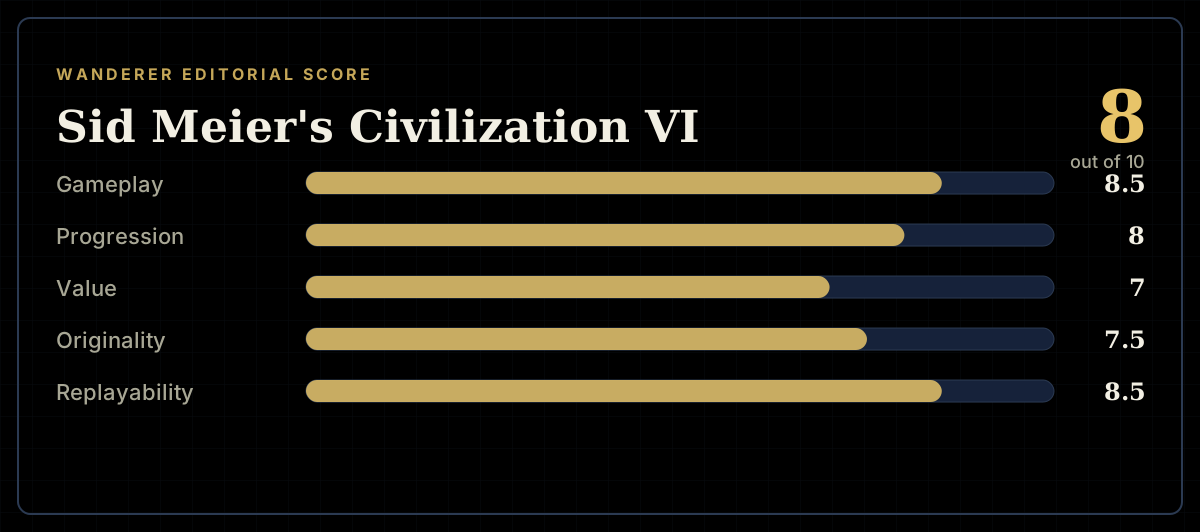
How the review scores each part of the gameWanderer Editorial -
The short versionWanderer Editorial