Game review
Sea of Thieves
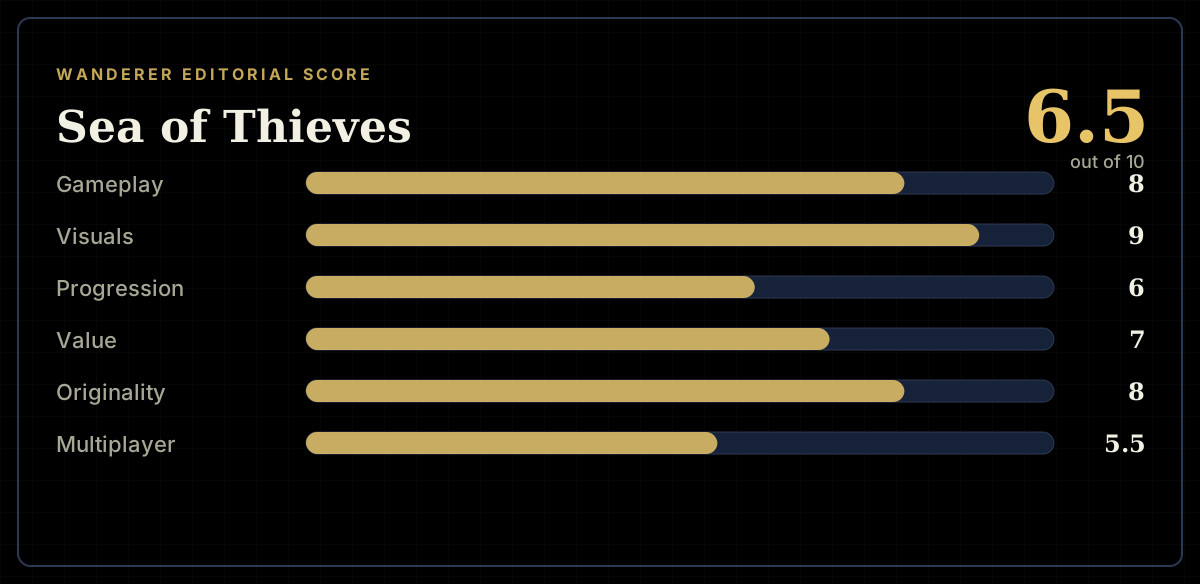
6.5 / 10
- Developer
- Rare Ltd
- Publisher
- Xbox Game Studios
- Released
- 20 March 2018
- Platforms
- Windows
- Genre
- Open-World Pirate Sandbox
- Monetisation
- One-time purchase, NZ$59.95. Cosmetic-focused seasonal Plunder Pass and premium currency for optional purchases; also available via Xbox Game Pass.
- Players
- Online multiplayer, crews of up to 4, with open-world PvP enabled by default across most of the map
The short version
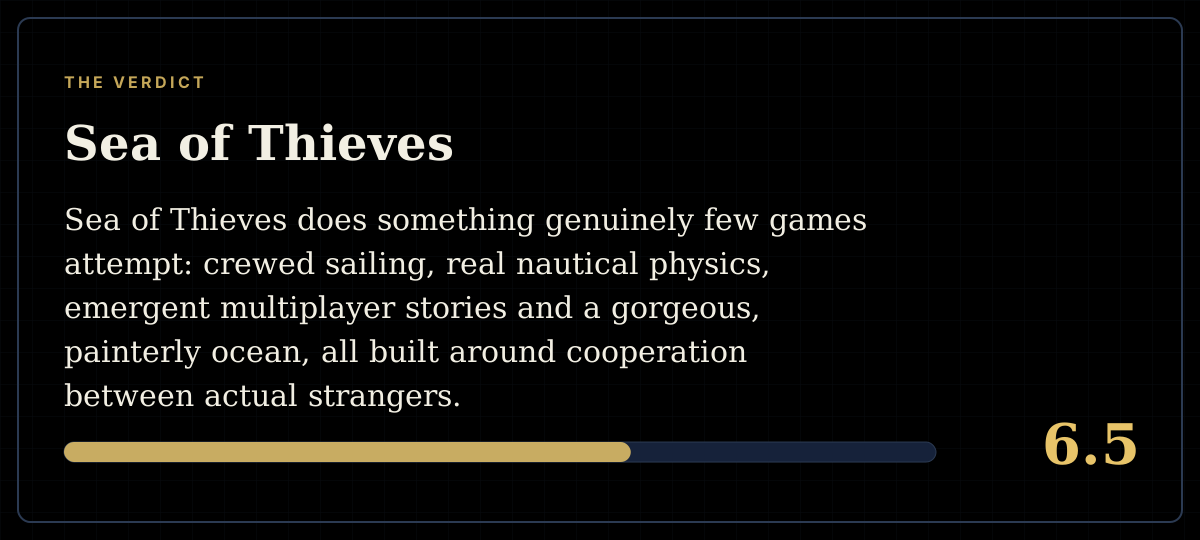
Sea of Thieves does something genuinely few games attempt: crewed sailing, real nautical physics, emergent multiplayer stories and a gorgeous, painterly ocean, all built around cooperation between actual strangers. 88.7% positive across 371,832 reviews reflects real affection for that idea, and reviewers with hundreds and even thousands of hours confirm it delivers on it.
It's also a game whose negative reviews converge, year after year, on one specific and consistent structural complaint: unrestricted open-world PvP with no dedicated PvE option means casual players and small crews are frequently hunted, "ganked" and verbally abused by larger or more committed groups, turning treasure hunts into repeated, involuntary confrontations. And in May 2026, the game's playerbase and community moderation faced a real, press-covered controversy after a prominent community-program member was banned over serious misconduct allegations, with some creators publicly accusing Rare of trying to suppress discussion of it before the studio issued a public statement.
Biggest strengths
- Genuinely distinctive sailing and crew mechanics that require real cooperation, not just parallel play
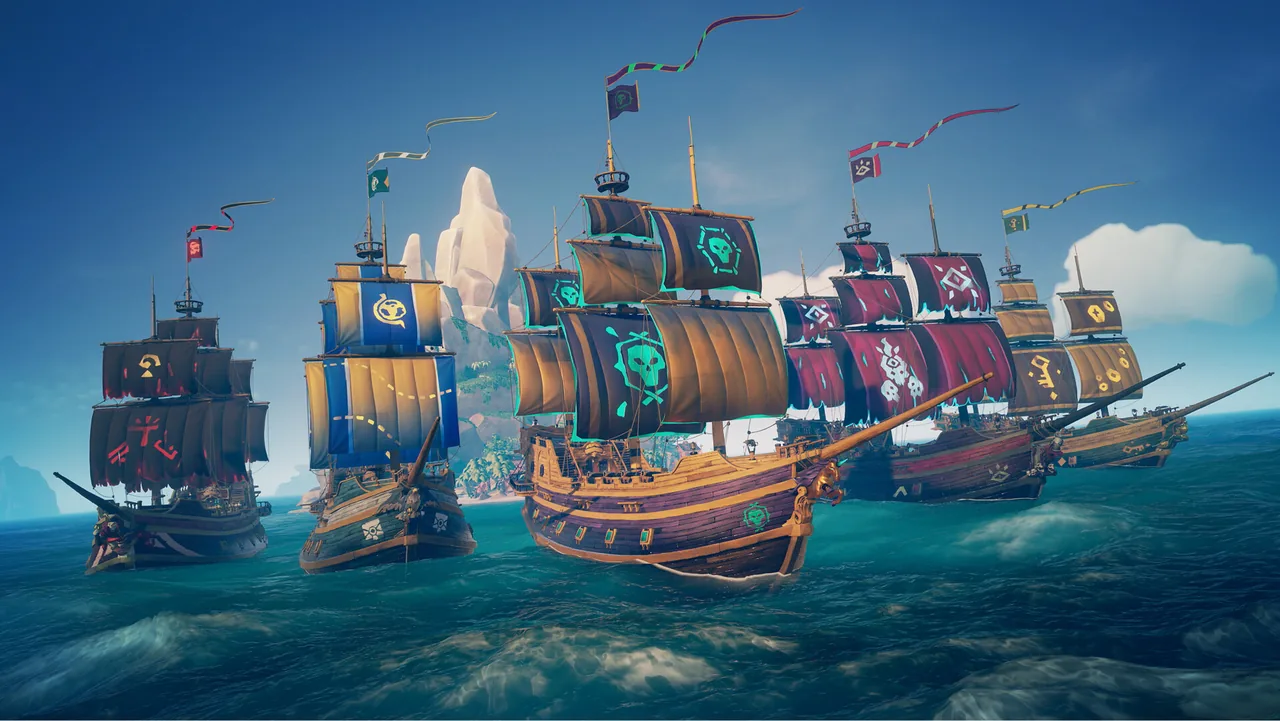
- A gorgeous, consistently praised art style and ocean simulation that reviewers across every year single out by name
- Years of substantial seasonal content and live support since a modest 2018 launch
Biggest weaknesses
- Unrestricted open-world PvP with no dedicated PvE server option is the single most consistent complaint across every year of reviews, with casual and small-crew players repeatedly reporting being hunted, "ganked" and subjected to abusive chat by larger groups
- The core gameplay loop — sail, collect, sell — is described by a meaningful share of reviewers as shallow past the first several hours without a committed crew to generate its own stories
- A real, press-covered controversy in May 2026: a prominent Sea of Thieves community program member was banned following serious misconduct allegations, and multiple creators publicly accused Rare's moderation of trying to suppress discussion before the studio issued a public statement addressing it
Who it's for: Groups of friends who want a genuinely cooperative, story-generating sandbox and don't mind the possibility of PvP encounters along the way. Considerably less suited to solo players or casual crews who want to explore and complete quests without the risk of being repeatedly hunted by more dedicated players.
Our recommendation: Play it with a full crew of friends if you can — the game is built for that experience and largely delivers it. Go in with clear expectations about PvP: it's not optional in most of the game's open world, and the reviews are unusually consistent that casual or solo play carries real risk of griefing. Read up on Rare's current community-safety practices before engaging deeply with the game's creator or partner ecosystem, given the 2026 controversy.
6.5 / 10
Sea of Thieves is one of the clearest examples in this library of a game whose score depends almost entirely on who's answering. Read a hundred reviews from either side and the same word comes up constantly — "beautiful" — and the same fault line runs underneath nearly all of them: what happens when other players find you.
What it does that few games attempt
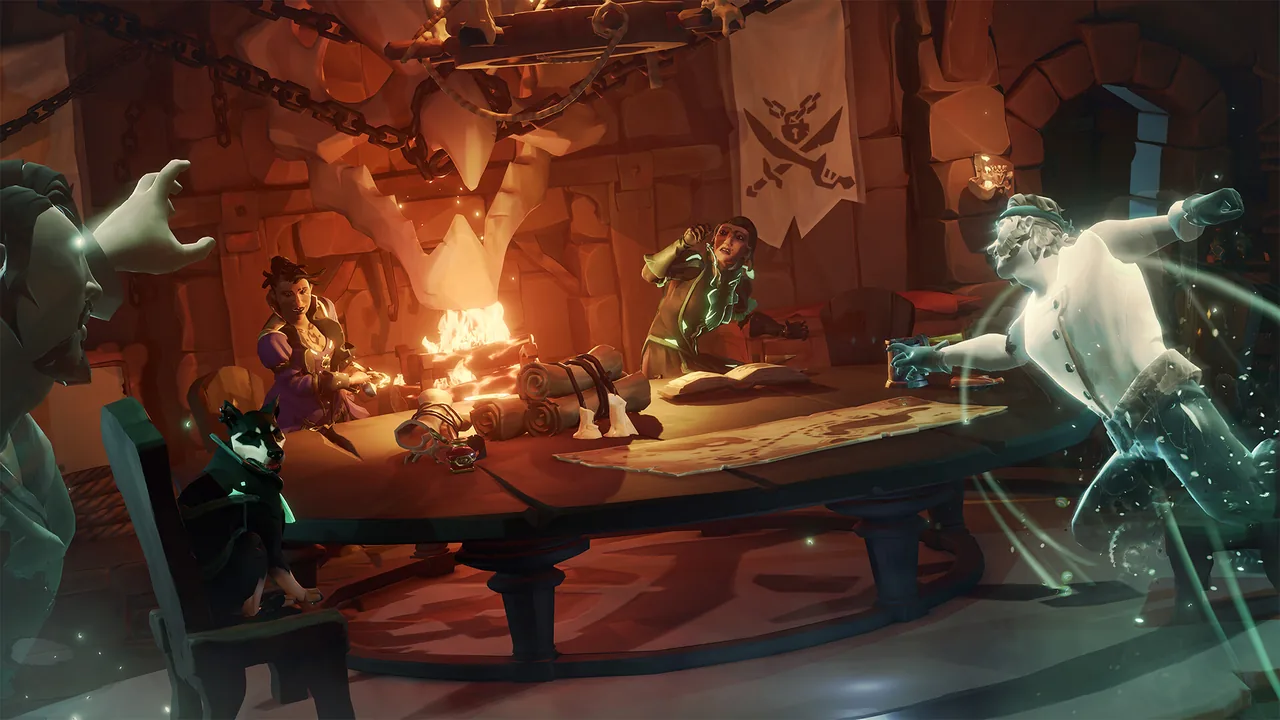
Crewing a ship in Sea of Thieves is a real cooperative task — someone reads the map, someone mans the helm, someone raises sails, someone bails water when a cannonball punches a hole below the waterline — and reviewers across every year of the game's life describe the resulting moments as genuinely unscripted in a way few multiplayer games manage. A 46-year-old father writes about playing with his 13-year-old son and letting the kid set the quests; a reviewer with 788 hours still opens with "graphics: beautiful" nearly five years after launch. The ocean simulation, the lighting, the sense of scale on a small wooden ship against open water — these draw consistent, specific praise regardless of a review's overall verdict.
The complaint that never changes
Here's what's remarkably stable across six years of reviews: the dominant negative-review theme is not a bug, a balance patch, or a season's worth of content — it's the game's core PvP design itself. Because open-world combat is enabled by default across nearly all of the map and there is no dedicated PvE server option, small crews and casual players report being repeatedly hunted, boarded and looted by larger or more committed groups — a practice reviewers universally call "ganking." One reviewer with 384 hours frames it starkly: "your jaw will drop at the beauty and majesty of the ocean... then four players will gank you and call you horrible names. You will lose everything you acquired in your journey. This will continue to happen over and over." Another, with 768 hours and clear affection for the game, still writes that PvP is "profoundly unfun for and unfair to small crews," calling ganking "astoundingly easy" and "the most common form of multiplayer interaction" for players not dedicated to seeking it out. This complaint appears at meaningful volume in every single year sampled from 2020 through 2026 — not a launch problem that faded, and not a recent decline, but a structural design choice a significant share of the playerbase has never made peace with.
A real, press-covered controversy worth knowing about
Separately from gameplay, and worth reporting plainly: in May 2026, a prominent member of Sea of Thieves' community partner program was banned from the game following serious misconduct allegations involving minors. The situation was covered by multiple games-press outlets, and several other community creators publicly resigned from the partner program, accusing Rare's moderation team of trying to suppress discussion of the allegations before the studio addressed them. Rare subsequently issued a public statement on 15 May 2026 saying the allegations were "deeply concerning," did not align with the studio's values, and reaffirming a responsibility to protect its community from harm. What's confirmed: the creator was banned, and Rare made a public statement. What remains contested: the specific accusations of an attempted cover-up by Rare's moderation, which the studio's statement does not directly concede. Wanderer reports this because it's real, documented, and surfaced independently in the Steam review corpus itself — not to settle the disputed parts of it, which readers should follow through the ongoing press coverage if it matters to their purchase decision.
Reading the completion data
The achievement curve reflects a game built for broad, casual engagement at the base level. Early milestones sit above 90% of the player base — nearly everyone who buys the game experiences its opening hooks. The long tail, spread across 293 achievements tied to specific rare events and deep collection goals, falls to a fraction of a percent, the expected shape for a live-service sandbox with years of accumulated seasonal content.
6.5 out of 10. Sea of Thieves remains one of the most visually distinctive and mechanically cooperative multiplayer sandboxes available, and the affection in its positive reviews — especially from committed crews and families playing together — is genuine and well-earned. The score sits below what the sailing and presentation alone would justify because of two separate, serious factors: a PvP design that a large and consistent share of reviewers say makes casual and solo play genuinely unpleasant, six years running, and a real, still-unfolding community-safety controversy in 2026 that prospective buyers deserve to know about rather than discover after the fact.
Pros and cons
Pros
- Genuinely distinctive sailing and crew mechanics that require real cooperation, not just parallel play
- A gorgeous, consistently praised art style and ocean simulation that reviewers across every year single out by name
- Years of substantial seasonal content and live support since a modest 2018 launch
- Family and multi-generational co-op appeal noted repeatedly, including parents playing with children as a specific, recurring positive theme
- Emergent, unscripted multiplayer moments that reviewers describe as unmatched by scripted content in other games
Cons
- Unrestricted open-world PvP with no dedicated PvE server option is the single most consistent complaint across every year of reviews, with casual and small-crew players repeatedly reporting being hunted, "ganked" and subjected to abusive chat by larger groups
- The core gameplay loop — sail, collect, sell — is described by a meaningful share of reviewers as shallow past the first several hours without a committed crew to generate its own stories
- A real, press-covered controversy in May 2026: a prominent Sea of Thieves community program member was banned following serious misconduct allegations, and multiple creators publicly accused Rare's moderation of trying to suppress discussion before the studio issued a public statement addressing it
- Progression and cosmetic-currency systems draw complaints for being slower and more grind-heavy than the core sailing experience justifies
Screenshots
-
Sea of Thieves: 2026 EditionImage: Xbox Game Studios via Steam -
Sea of Thieves: 2026 EditionImage: Xbox Game Studios via Steam -
Sea of Thieves: 2026 EditionImage: Xbox Game Studios via Steam -
How the review scores each part of the gameWanderer Editorial -
The short versionWanderer Editorial