Game review
SAHUR: Escape Together
3 / 10
- Developer
- Goosix Games
- Publisher
- Goosix Games
- Released
- 28 May 2025
- Platforms
- Windows
- Genre
- Action, Adventure, Indie
- Monetisation
- Premium, one-time purchase. No microtransactions.
- Players
- Local and online co-op for one to four players.
The short version
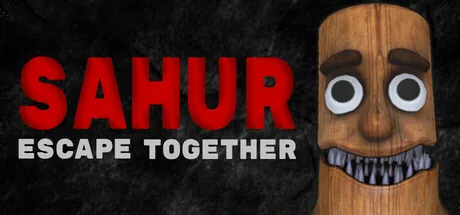
SAHUR: Escape Together, developed and published by Goosix Games, is a budget co-op survival horror game built directly on top of "Tung Tung Tung Sahur," an AI-generated Italian "brainrot" meme character that exploded across TikTok in 2025. Its headline Very Positive review score is real in raw numbers but heavily shaped by a wave of visitors leaving deliberately absurd, in-character joke reviews as part of the meme itself, rather than considered assessments of the game underneath. Stripped of that noise, the substantive portion of the review sample describes a cheap, thinly assembled asset flip, built partly on borrowed AI-generated audio and imagery, with broken settings menus, a shallow and repetitive scavenger-hunt objective loop, and real, reported bugs that can permanently trap players mid-session.
Biggest strengths
- Its NZ$2.99 price keeps the financial risk low for what is, by most substantive accounts, a brief and disposable novelty experience rather than a full-priced release.
- Genuinely functions as a co-op experience for one to four players, and a handful of reviewers report real enjoyment playing it purely as a silly, low-stakes activity with friends rather than as a serious horror game.
- The meme premise itself, built around the viral "Tung Tung Tung Sahur" character, gives the game a built-in audience and immediate cultural context that a more generic budget horror title would lack.
Biggest weaknesses
- The single most serious, substantiated complaint concerns the game's underlying content, with one reviewer describing it plainly as "a cheap Unity asset flip" that "steals some content, like tiktok songs using the stupid Italian AI voice," and noting the characters themselves originate from "AI to generate random characters and using voice synth AI with Italian accent to speak nonsense over the images."
- A second, corroborated complaint concerns broken or barely functional settings and controls, with the same reviewer reporting "the settings are also kind of broken," describing an intrusive "flashlight overlay on your screen the entire time," and a separate reviewer confirming movement bindings are "not even configured properly," with an unrelated key mapped to peek.
- A third, corroborated complaint concerns shallow, repetitive gameplay once the meme novelty wears off, with one reviewer reporting the threats are "not threatening in the slightest" thanks to overly generous health regeneration, reducing the experience to "running around in circles for an hour in the dark looking for trash cans," and another documenting specific bugs including getting "perma stuck" inside objects or a prison van.
Who it's for: Meme-literate friend groups looking for a five-minute novelty to laugh about together, ideally at its rock bottom price; anyone looking for a genuinely tense or well-made co-op horror game should look elsewhere.
Our recommendation: A meme cash-in whose inflated review score reflects in-joke enthusiasm for the trend it's riding, not the quality of the game underneath, which a smaller pool of substantive reviews describes as a cheap, buggy, partly AI-derivative asset flip.
3 / 10
A review score built on a joke, not a verdict
SAHUR: Escape Together, released 28 May 2025 by developer and publisher Goosix Games, is a budget co-op survival horror title casting one to four players against "the deranged Sahur," a monster drawn directly from "Tung Tung Tung Sahur," the AI-generated Italian "brainrot" meme character that spread rapidly across TikTok earlier in 2025. On paper, the game's Very Positive review score looks like a clear endorsement. In practice, a close read of the review sample makes clear that score is substantially inflated by a wave of visitors treating the review section itself as an extension of the meme, writing deliberately absurd, in-character testimonials rather than genuine assessments. One review claims the game is "one of the most psychologically devastating horror experiences ever created," another insists it "made me feel closer to understanding the meaning of life," and a third is written entirely in mock-pirate dialect praising an unspecified "treasure chest o' change." One reviewer even addresses the phenomenon directly, writing "stop review bombing, this game is good," an unintentionally telling admission that the review section has become a battleground for meme culture rather than a genuine quality signal.
That distinction matters for anyone trying to use the review score to judge whether the game is actually worth playing. Steam's aggregate score treats every one of those joke reviews as an equally weighted "recommended," meaning the game's 86 percent positive rating in English reflects the size and enthusiasm of the meme's fanbase far more than it reflects the quality of the game those fans are nominally reviewing. That gap is itself worth flagging plainly to readers: a cultural phenomenon and a well-made game are not the same thing, and SAHUR's review page is a clean example of the former inflating the appearance of the latter.
What the substantive reviews actually describe
Beneath the joke reviews, a smaller but far more consistent and credible pool of critical write-ups describes a considerably less flattering picture. One reviewer states plainly the game is "a cheap Unity asset flip," adding that "you can tell it's vibe coded," and reporting a persistent, poorly implemented "flashlight overlay on your screen the entire time" caused by broken settings. A second, more pointed reviewer goes further, tracing the game's core assets back to their meme origins directly: the characters "come from some sort of stupid tiktok joke using AI to generate random characters and using voice synth AI with Italian accent to speak nonsense over the images," and the game itself "steals some content, like tiktok songs using the stupid Italian AI voice," alongside cheap store-bought assets and movement controls that aren't "even configured properly."
Those reports, from reviewers writing in ordinary critical register rather than participating in the meme, describe a game assembled quickly and cheaply to capitalize on a viral trend rather than one built with real design intent, echoing this lane's prior encounter with undisclosed AI-generated commercial content in other budget titles. Unlike a game that's simply rough around the edges, the specific complaint here, that borrowed AI-voiced audio and TikTok-sourced material sit at the foundation of the product being sold, is a more serious and structural criticism than ordinary launch-day jank.
Thin, repetitive gameplay once the novelty fades
Beyond its content origins, a third, corroborated complaint concerns what actually happens once players sit down to play. One reviewer, having played in multiplayer with friends, reports the game's threats were "not threatening in the slightest" thanks to aggressive health regeneration that made death nearly impossible, reducing the experience to "running around in circles for an hour in the dark looking for trash cans," concluding they couldn't recommend it "in its current state." Another reviewer documents specific, game-breaking bugs encountered during a co-op session, including getting "perma stuck in the van prison" if players fail to escape within a strict ten-second window, and getting stuck inside objects entirely in the worst cases, alongside an unrelated final objective so poorly integrated into the environment it took "30 minutes" of aimless searching to locate.
A handful of players do report enjoying the game purely as a shared, silly activity with friends rather than as a serious horror experience, which tracks with its NZ$2.99 price and evident design as a quick novelty rather than a substantial release. But even those more charitable accounts stop well short of describing a well-made game, and the specific, repeated technical complaints, broken settings, unconfigured controls, permanent stuck states, and an overly forgiving difficulty that undercuts its horror premise entirely, paint a consistent picture across multiple independent multiplayer sessions.
What the all-language score reveals
The gap between SAHUR's English-language score and its full all-language score offers a further, useful data point. The English sample lands at Very Positive with 86 percent approval, but the broader all-language pool drops to a noticeably softer Mostly Positive, with roughly 76 percent approval across nearly 500 reviews. That pattern is consistent with a game whose review section is being shaped disproportionately by one specific, meme-fluent, largely English-speaking online audience rather than by a broadly consistent international consensus about the game's actual craft. A genuinely well-made game tends to hold its score reasonably steady across languages; a meme-driven score inflation effect, by contrast, would be expected to concentrate specifically wherever the meme itself is most culturally active, which is exactly the pattern visible here.
Verdict
SAHUR: Escape Together is, stripped of its meme-driven review-bombing-in-reverse, a cheap and thinly made co-op horror game whose substantive criticism describes it as an asset flip built partly on borrowed AI-generated content, hampered by broken settings, unconfigured controls, and bugs capable of permanently trapping players mid-session. Its inflated Very Positive score says more about the size and enthusiasm of the "Tung Tung Tung Sahur" meme's fanbase than it does about the game itself, and readers should treat that score with real skepticism. At NZ$2.99, the financial risk of trying it purely as an ironic novelty with friends is genuinely low, but anyone looking for a well-crafted, tense co-op horror experience should look elsewhere.
Pros and cons
Pros
- Its NZ$2.99 price keeps the financial risk low for what is, by most substantive accounts, a brief and disposable novelty experience rather than a full-priced release.
- Genuinely functions as a co-op experience for one to four players, and a handful of reviewers report real enjoyment playing it purely as a silly, low-stakes activity with friends rather than as a serious horror game.
- The meme premise itself, built around the viral "Tung Tung Tung Sahur" character, gives the game a built-in audience and immediate cultural context that a more generic budget horror title would lack.
Cons
- The single most serious, substantiated complaint concerns the game's underlying content, with one reviewer describing it plainly as "a cheap Unity asset flip" that "steals some content, like tiktok songs using the stupid Italian AI voice," and noting the characters themselves originate from "AI to generate random characters and using voice synth AI with Italian accent to speak nonsense over the images."
- A second, corroborated complaint concerns broken or barely functional settings and controls, with the same reviewer reporting "the settings are also kind of broken," describing an intrusive "flashlight overlay on your screen the entire time," and a separate reviewer confirming movement bindings are "not even configured properly," with an unrelated key mapped to peek.
- A third, corroborated complaint concerns shallow, repetitive gameplay once the meme novelty wears off, with one reviewer reporting the threats are "not threatening in the slightest" thanks to overly generous health regeneration, reducing the experience to "running around in circles for an hour in the dark looking for trash cans," and another documenting specific bugs including getting "perma stuck" inside objects or a prison van.
Screenshots
-
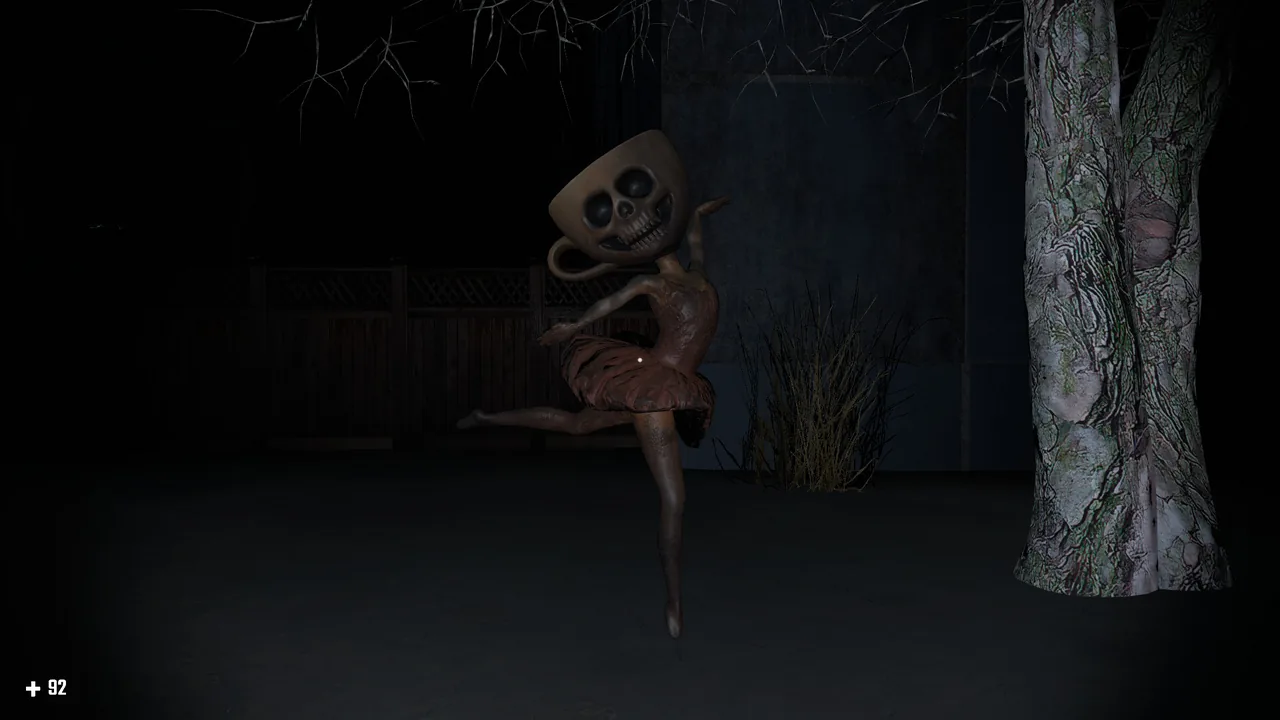
SAHUR: Escape TogetherImage: Goosix Games via Steam -
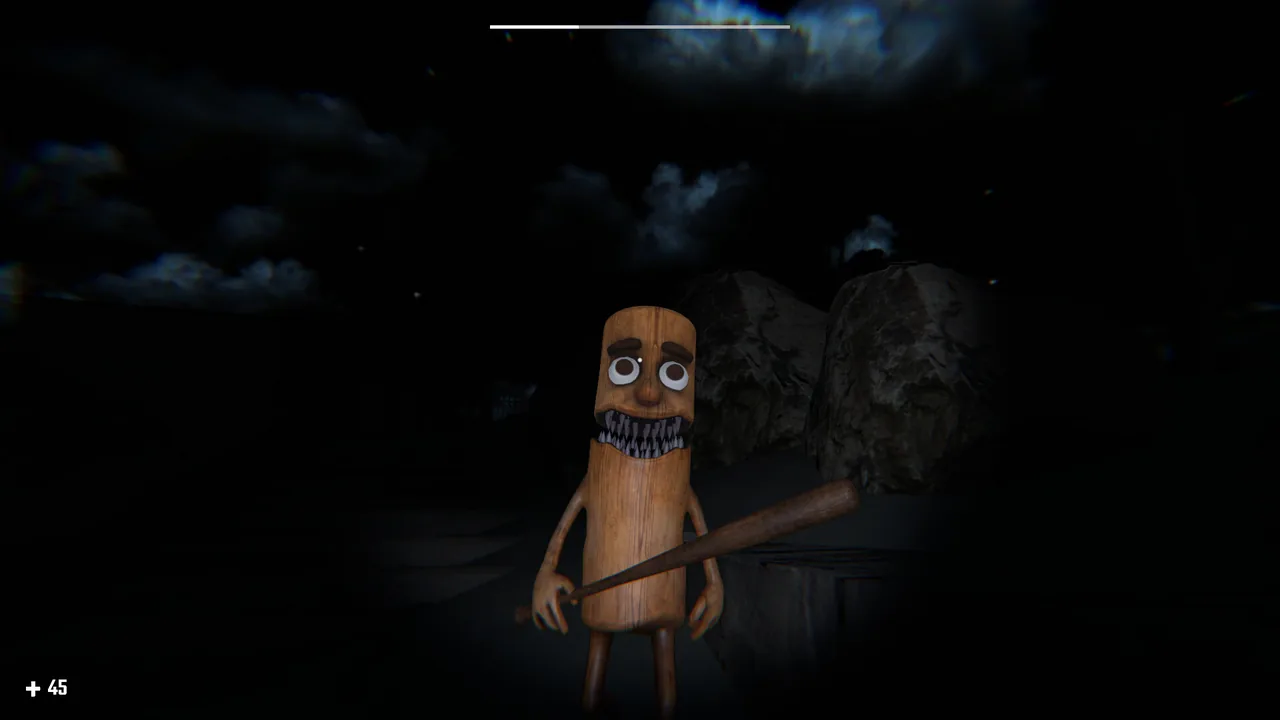
SAHUR: Escape TogetherImage: Goosix Games via Steam -
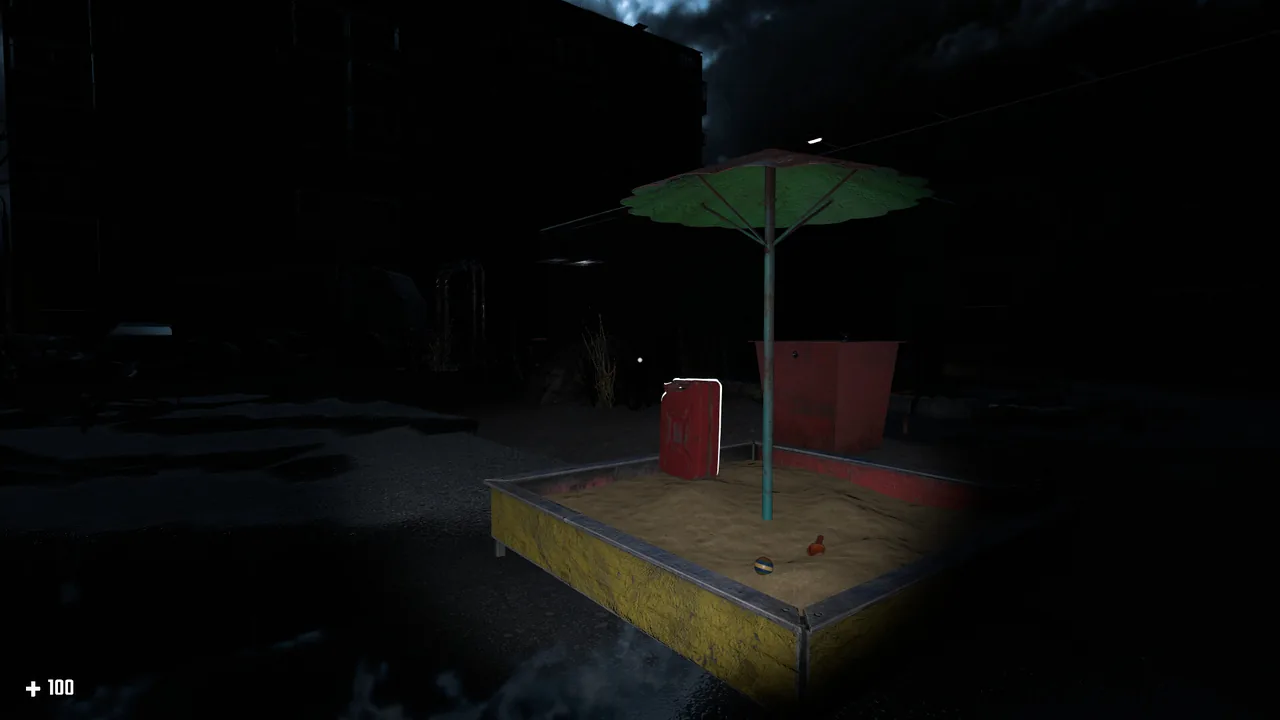
SAHUR: Escape TogetherImage: Goosix Games via Steam -
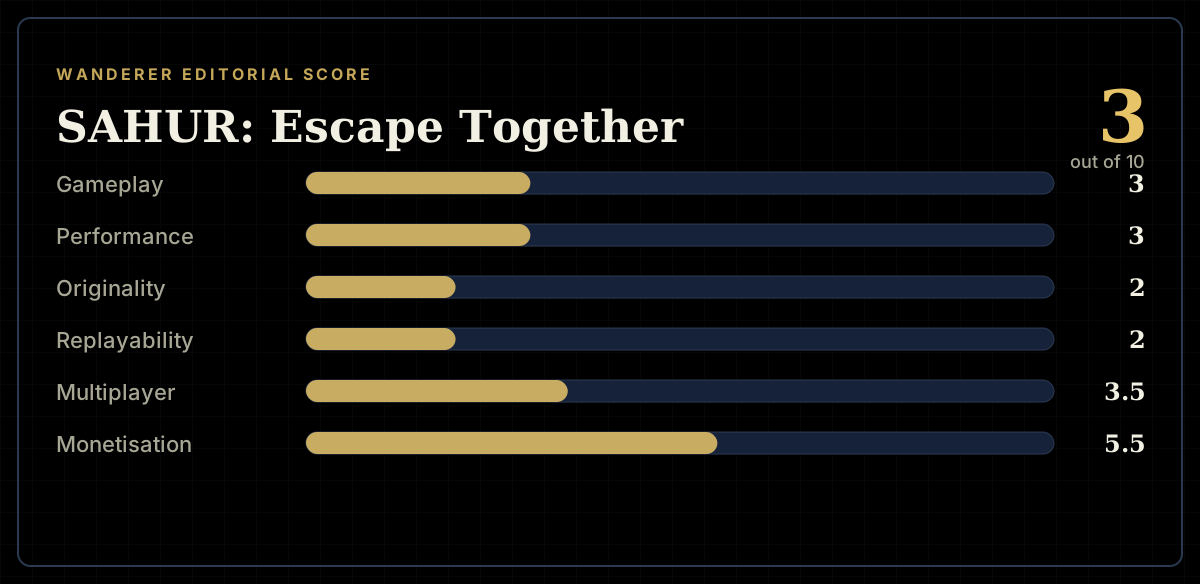
How the review scores each part of the gameWanderer Editorial -
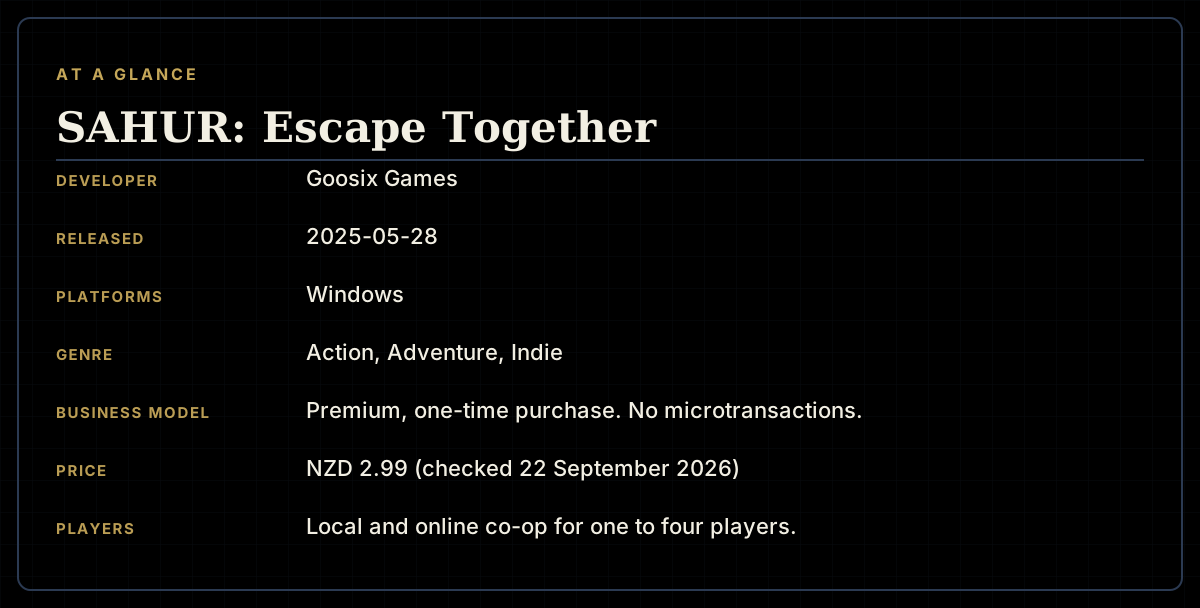
Key facts at a glanceWanderer Editorial -
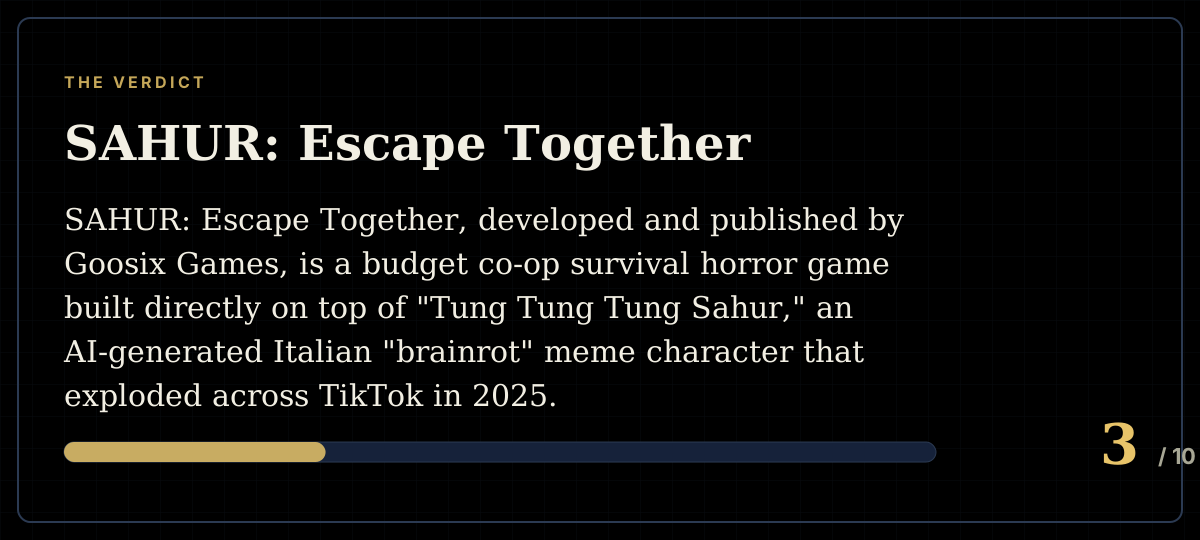
The short versionWanderer Editorial