
Game review
Ropuka's Idle Island
7.5 / 10
- Developer
- Moczan, Little Chmura, Begoña Pereda
- Publisher
- Moczan
- Released
- 29 January 2025
- Platforms
- Windows
- Genre
- Idle Game
- Monetisation
- One-time purchase, plus a NZ$2.99 soundtrack. No in-game purchases.
- Players
- Single-player
The short version
A small frog sits in a window on your desktop, cuts grass, sleeps, and slowly earns you the money to buy him better tools and nicer furniture. That's the whole game. It's NZ$5.99, it's 95.4% positive across 2,486 English reviews, and the developers have shipped fifteen numbered updates and nine language translations in eighteen months.
The criticism is that it does very little, and it comes from a striking source: **the median playtime among its critics is 44 hours**, with individual complaints from players at 113, 310 and 335 hours. That tells you something important about this genre — for a game that lives in the background, playtime measures how long the window was open, not how much game there was.
Biggest strengths
- Genuinely charming art, animation and lo-fi soundtrack
- Sits unobtrusively on the desktop and asks nothing of you
- Remarkable support for the price — fifteen updates and nine translations in eighteen months
Biggest weaknesses
- The frog has a very small repertoire — reviewers with hundreds of hours say it never grows
- Upgrade costs scale steeply enough that progress crawls in the mid-game
- No way to slow the animation speed, which some players found stressful rather than calming
Who it's for: People who want a warm, undemanding thing in the corner of the screen while they work. Treat it as a desktop ornament with a slow progress bar attached, because that's what it is.
Our recommendation: Buy it if the idea of a frog quietly mowing beside your spreadsheets appeals — at NZ$5.99 with this much post-launch support, it's easy value. Don't buy it expecting an incremental game with systems to optimise; the upgrade curve stiffens considerably.
7.5 / 10
Here is a review of Ropuka's Idle Island, in full, from a player with 335 hours:
I'm so glad I'm done with this game, this is my first negative review on my account and I feel bad :( … this is the most idle idle game I've played so far, you legit don't do anything really other than watch the frog cut the grass.
Three hundred and thirty-five hours. Another critic has 310, another 134, another 113. The median playtime across the hundred most-helpful negative reviews is 44 hours, and among the hundred most recent reviews of any kind it's 124 hours — for a NZ$5.99 game about a frog mowing a lawn.
What playtime means here, and what it doesn't
This is worth pausing on, because it changes how you read every number on the page.
In most reviews I write, playtime is an engagement signal: a critic with 60 hours has genuinely engaged before complaining, which makes the complaint credible. That logic breaks completely for a desktop idle game. Ropuka runs in a little always-on-top window while you do something else. Its playtime figure measures how long the window was open, not how long anyone was playing.
So the 124-hour median doesn't mean people are enthralled, and the 335-hour negative doesn't mean a devoted fan turned on it. Both mean the same thing: the app sat on a monitor for weeks. Anyone assessing this genre — and this library covers a lot of it — has to make that adjustment or they'll draw exactly the wrong conclusion.
The game, such as it is
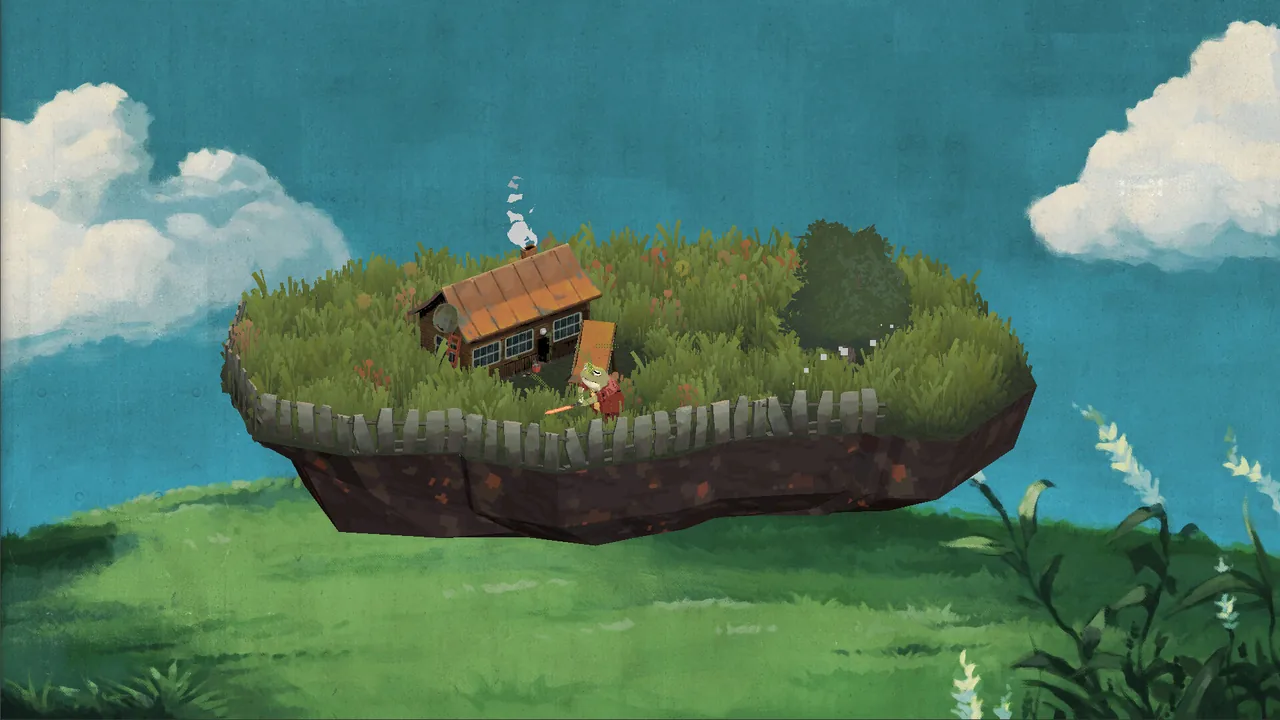
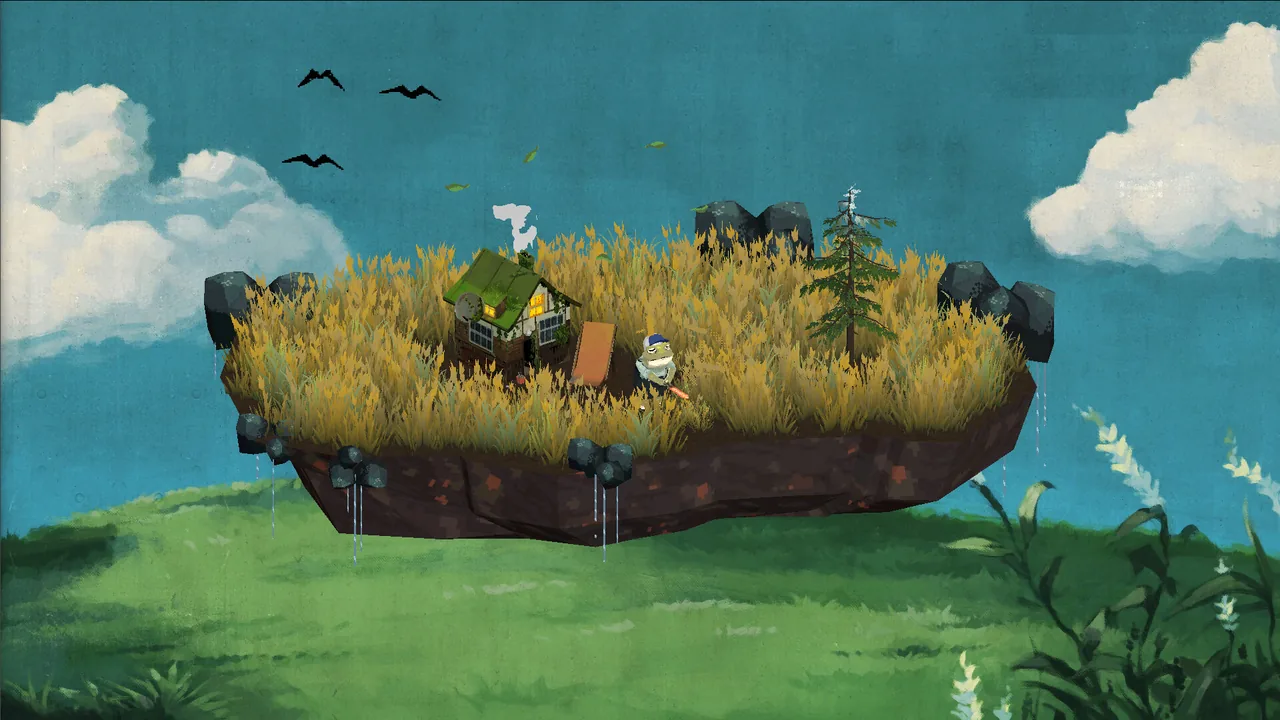
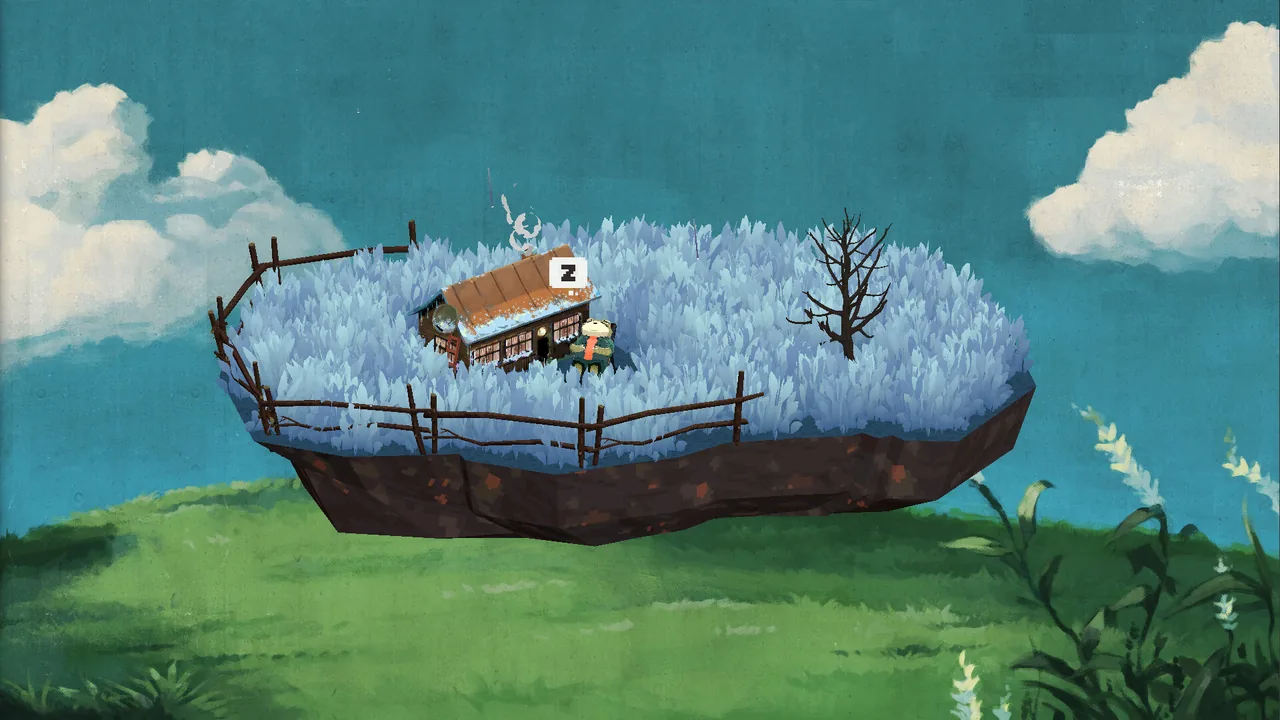
Ropuka cuts grass. The grass regrows. You earn currency, buy better tools so he cuts faster, and buy furniture and decorations for his island. There are weather effects and lo-fi music. He waves at you when you start.
It's very well made. The pixel art is lovely, the animation has personality, and the whole thing is designed to be glanceable — you notice it, smile, and go back to work. Eighteen of a hundred negative reviews use the word "cute" and seven say "cozy", which tells you the tone lands even on the people marking it down.
And the support is genuinely impressive for a six-dollar game. Fifteen numbered updates from 1.4 to 1.18 between February 2025 and April 2026, translations into Japanese, Simplified Chinese, Korean, Polish, French, German, Spanish and Brazilian Portuguese, crossover events with two other idle games, Steam trading cards and a soundtrack. Compare that with Outpath, reviewed an hour ago, which went nearly two years between patches.
The honest limitation
The frog has a small repertoire, and that's the whole complaint. A 113-hour reviewer: "Sleep, cut grass, sleep and cut more grass. That is all this is, nothing more… The little dude said hi when I first started the game, a day later and I have yet to hear him say anything else."
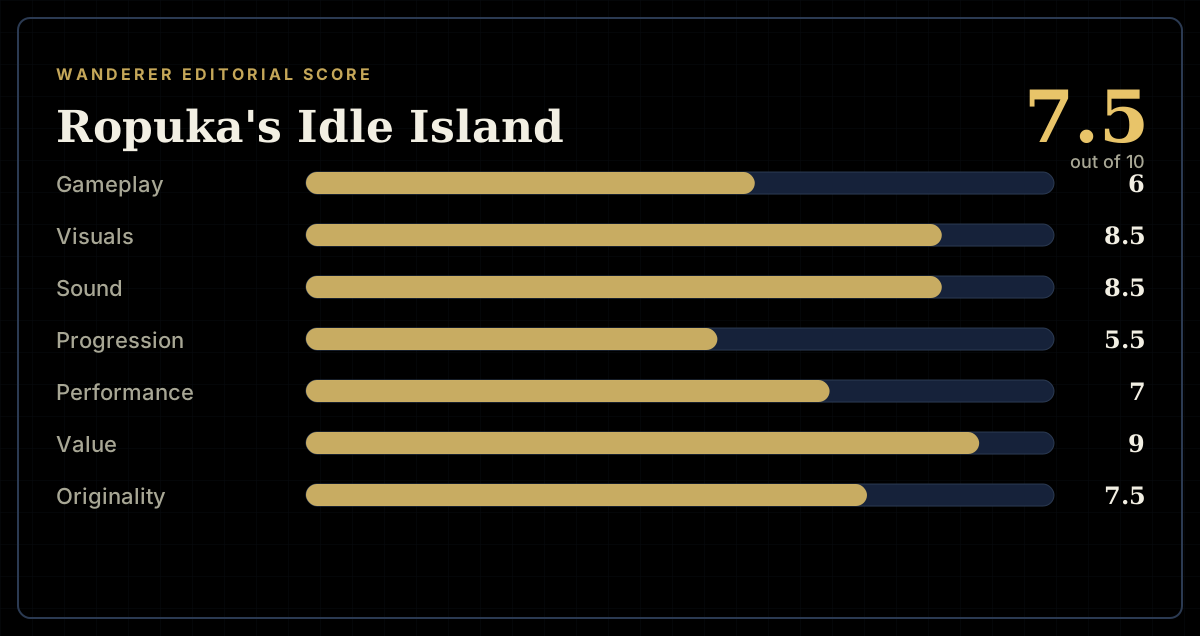
The second half of the objection is the upgrade curve. A 134-hour player, in February 2025: "I get to upgrade 1 thing every 6 minutes at my current state." A 49-hour player in May 2026: "After almost 50 hours I had only been able to purchase about a dozen items and the cost to upgrade Ropuka scaled so fast it was [prohibitive]." Progression scores a 5.5 for that reason — the early drip is pleasant, the mid-game drip is barely perceptible.
There's also a small accessibility note worth passing on: one reviewer found that once the frog is upgraded, "the game speed became too stressful to watch, and I can't slow it down in the game options." For a product whose entire selling point is calm, having no speed control is a real oversight.
One technical caveat
A June 2026 review reports the game writing a 46 GB player log file, discovered only when the reviewer went looking for missing disk space. Two of the hundred most recent reviews mention something similar, so this is uncommon rather than universal — but it's specific, recent, and easy to check on your own machine if you install it.
The verdict
Ropuka's Idle Island earns a 7.5. As a six-dollar desktop companion it's close to ideal: charming, undemanding, beautifully supported, and cheaper than a coffee.
It doesn't score higher because the criticism is accurate. The frog really does only do two things, the upgrade curve really does stall, and there is no speed control for something sold as relaxing. Gameplay scores a 6 and I'd defend that against the 95.4% — this is not a game that rewards attention, and its most enthusiastic reviews are about how little attention it demands.
Buy it as an ornament and you'll be delighted. Buy it as an incremental game in the vein of Cookie Clicker and you'll be finished with it long before your playtime counter suggests you should be.
Pros and cons
Pros
- Genuinely charming art, animation and lo-fi soundtrack
- Sits unobtrusively on the desktop and asks nothing of you
- Remarkable support for the price — fifteen updates and nine translations in eighteen months
- NZ$5.99 with no in-game purchases of any kind
- Crossover events and regular additions keep giving owners new things to unlock
Cons
- The frog has a very small repertoire — reviewers with hundreds of hours say it never grows
- Upgrade costs scale steeply enough that progress crawls in the mid-game
- No way to slow the animation speed, which some players found stressful rather than calming
- Isolated reports of an enormous log file consuming tens of gigabytes of disk space
- Not really a game in the sense most buyers mean, however clearly the store page says so
Screenshots
-
Ropuka's Idle IslandImage: Moczan via Steam -
Ropuka's Idle IslandImage: Moczan via Steam -
Ropuka's Idle IslandImage: Moczan via Steam -
How the review scores each part of the gameWanderer Editorial -
The short versionWanderer Editorial