Game review
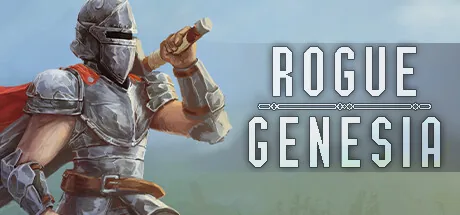
Rogue: Genesia
7 / 10
- Developer
- Ouadi Huard
- Publisher
- Ouadi Huard, Gamersky Games
- Released
- 7 March 2025
- Platforms
- Windows
- Genre
- Bullet Heaven / Survivor-like
- Monetisation
- Premium, one-off purchase — no in-game purchases
- Players
- Single-player
The short version
Rogue: Genesia offers one of the densest bullet-heaven survivor-likes on Steam, with an enormous amount of meta-progression, weapon variety and infinite scaling stats layered on top of the genre's familiar swarm-clearing loop. It won real, specific loyalty during an extended Early Access run, and reviewers consistently credit a solo developer with unusually active, sustained post-launch support.
The recurring complaint, made most pointedly by veterans with hundreds of hours logged, is that the game's own growth became its problem: what started as a simpler, tightly focused hit has, by several accounts, been buried under content and system creep, alongside real difficulty balance issues — runs that swing from too easy once you find strong relics to unrewarding grinding beforehand — and performance demands some describe as unusually heavy for the genre.
Biggest strengths
- An unusually dense meta-progression system with an enormous amount of weapon and build variety for the genre
- Infinite scaling stats give dedicated players a genuine long-term goal beyond a single successful run
- A solo developer with a strong track record of active, sustained post-launch support, specifically credited by reviewers
Biggest weaknesses
- Long-time players, some with hundreds of hours logged, describe the game as having grown overly complex through accumulated content and system additions since its simpler Early Access days
- Difficulty balance draws consistent complaints in both directions — runs described as too easy once strong relics are found, and grindy or unrewarding before that point
- Performance is described by several reviewers as unusually heavy for the genre, with some reporting significant hardware strain even on capable systems
Who it's for: Bullet-heaven fans who want maximum systemic depth and meta-progression, and who don't mind a steeper, denser learning curve than the genre's more streamlined entries.
Our recommendation: A strong buy for players specifically drawn to dense, systems-heavy survivor- likes, but go in aware of the balance and performance complaints from long-time players, and check current patch notes if the "grew too complex" criticism concerns you.
7 / 10
Rogue: Genesia entered the crowded bullet-heaven field with a specific promise: enormous, infinitely scaling systems layered under the genre's familiar swarm-clearing loop, giving dedicated players something to chase well past a single successful run. It won real devotion during an extended Early Access period, and that devotion is exactly what makes its current, more mixed reviews worth reading carefully — the complaints are coming disproportionately from the game's own most invested fans, not from people who never connected with it.
A genuinely dense systemic loop
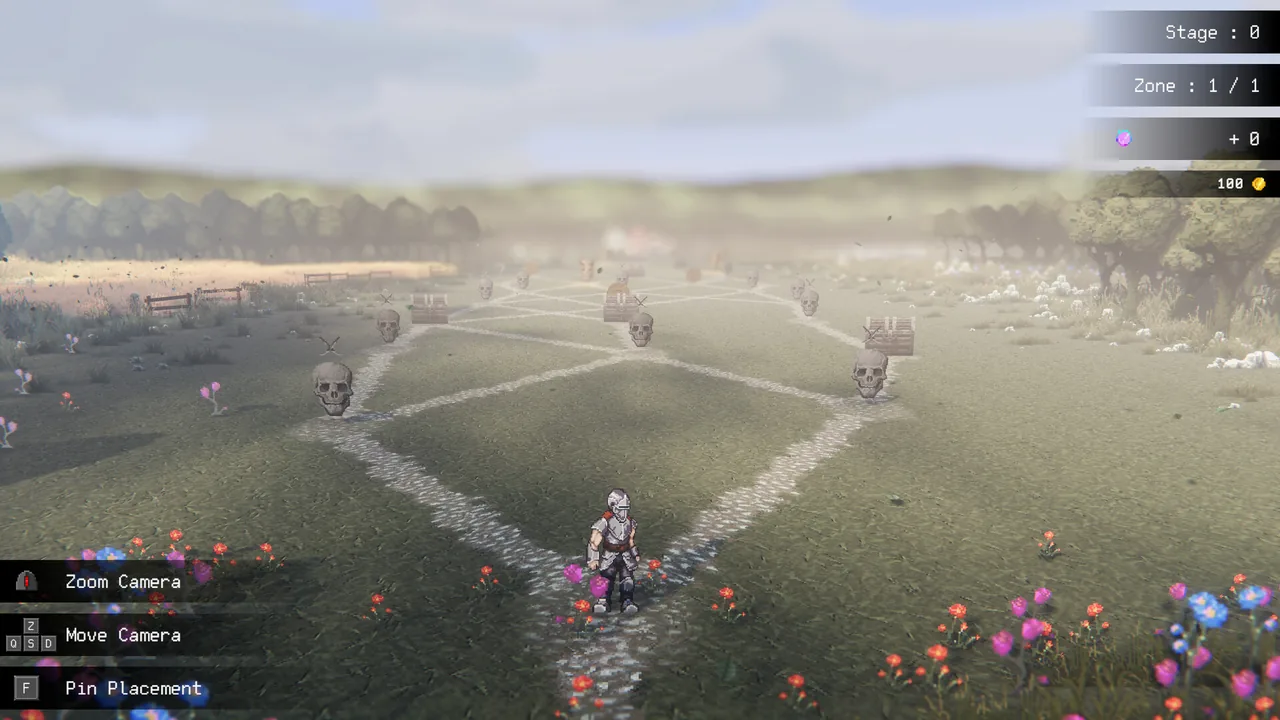
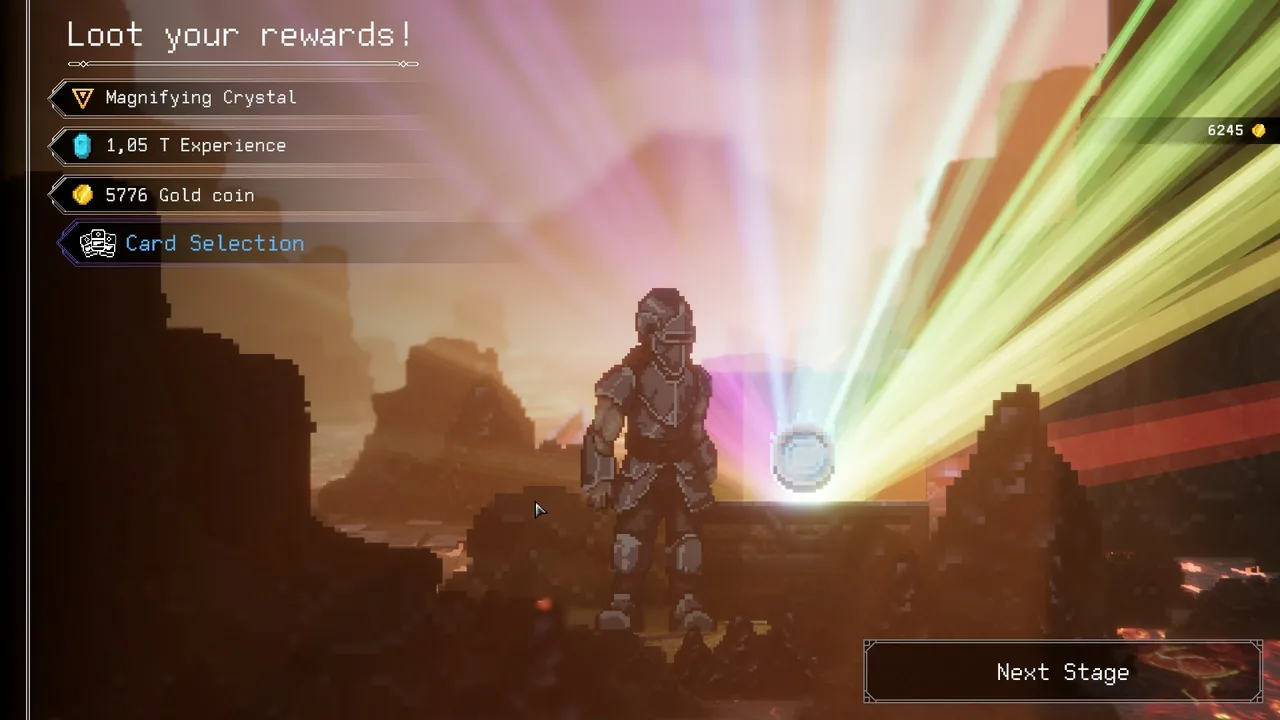
What Rogue: Genesia does well, and does consistently, is depth. An enormous amount of meta-progression, weapon variety and infinite scaling stats give the genre's usual loop real long-term structure, and reviewers who push past a comparatively slow, unassuming first impression describe discovering substantially more depth underneath than the surface suggests. The developer's track record of active, sustained post-launch support is specifically credited by multiple reviewers as unusually strong even by solo-developer standards.
The complaint that comes from its own biggest fans
The more pointed criticism, though, comes specifically from players with hundreds of hours logged across the game's Early Access history — people who liked the earlier, simpler version enough to stick around for its growth, and now describe that growth as the problem. Several frame it directly as content and system creep: what started as a tighter, more focused hit has, in their account, been buried under accumulated complexity, particularly around the equipment system. That's a meaningfully different complaint from "this game is bad" — it's "the game I loved changed into something I like less," made by exactly the players positioned to notice the difference most clearly.
Balance and performance, in both directions
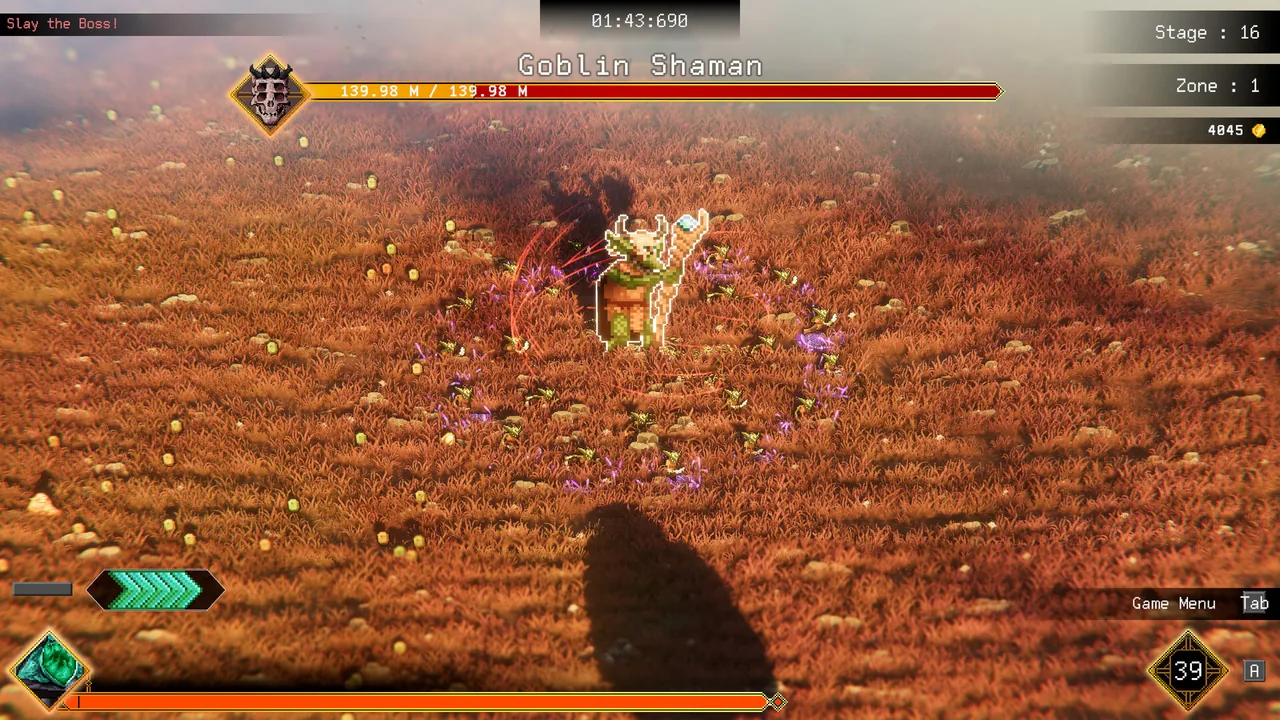
Layered on top of that is a real, current balance complaint: runs are frequently described as swinging between too easy, once a player finds strong relics and stats snowball out of control, and grindy or unrewarding before that point, with several reviewers describing the difficulty curve as inconsistent rather than well-tuned in either direction. A separate, more technical complaint concerns performance, which multiple reviewers describe as unusually heavy for a genre that's typically undemanding, with reports of real hardware strain even on capable systems.
Final verdict
Rogue: Genesia offers genuine, substantial depth for bullet-heaven fans willing to push past a slower opening, backed by a developer whose sustained post-launch commitment is a real point in its favour. It settles at 7 rather than higher because the complaints here carry unusual weight — they're coming from the game's own most dedicated players, describing specific balance and complexity problems rather than a general dislike of the genre. Buy it for the depth if that's what you're after, and check recent patch notes if the "grew too complex" criticism is a concern for you specifically.
Price and review data checked 5 August 2026.
If you'd rather your systemic depth built up gradually in a persistent world instead of resetting each run, Wanderer takes that steadier, more forgiving approach instead.
Pros and cons
Pros
- An unusually dense meta-progression system with an enormous amount of weapon and build variety for the genre
- Infinite scaling stats give dedicated players a genuine long-term goal beyond a single successful run
- A solo developer with a strong track record of active, sustained post-launch support, specifically credited by reviewers
- Real depth once its systems click, according to reviewers who pushed past a comparatively slow, unassuming first impression
Cons
- Long-time players, some with hundreds of hours logged, describe the game as having grown overly complex through accumulated content and system additions since its simpler Early Access days
- Difficulty balance draws consistent complaints in both directions — runs described as too easy once strong relics are found, and grindy or unrewarding before that point
- Performance is described by several reviewers as unusually heavy for the genre, with some reporting significant hardware strain even on capable systems
- The learning curve is steeper than most survivor-likes, and a slow, comparatively bland first impression puts off some players before the depth becomes apparent
Screenshots
-
Rogue: GenesiaImage: Ouadi Huard via Steam -
Rogue: GenesiaImage: Ouadi Huard via Steam -
Rogue: GenesiaImage: Ouadi Huard via Steam -
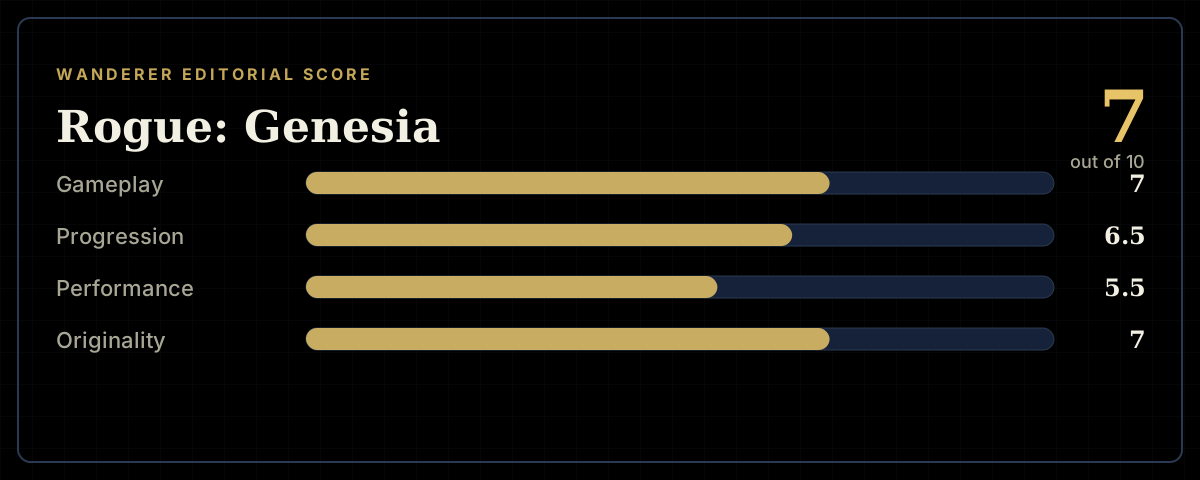
How the review scores each part of the gameWanderer Editorial -
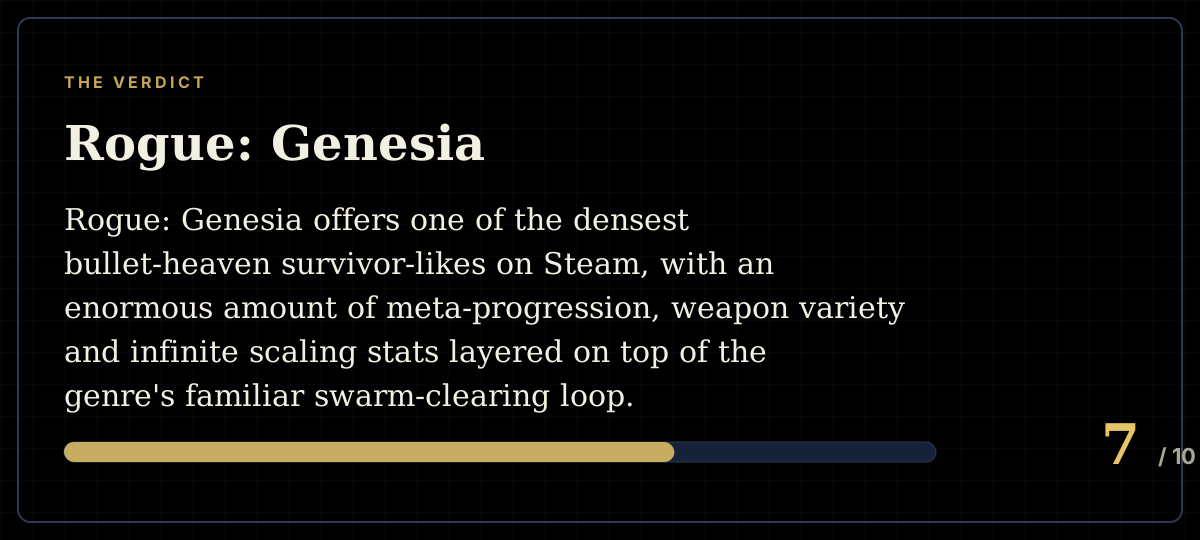
The short versionWanderer Editorial