
Game review
Pupple Pop
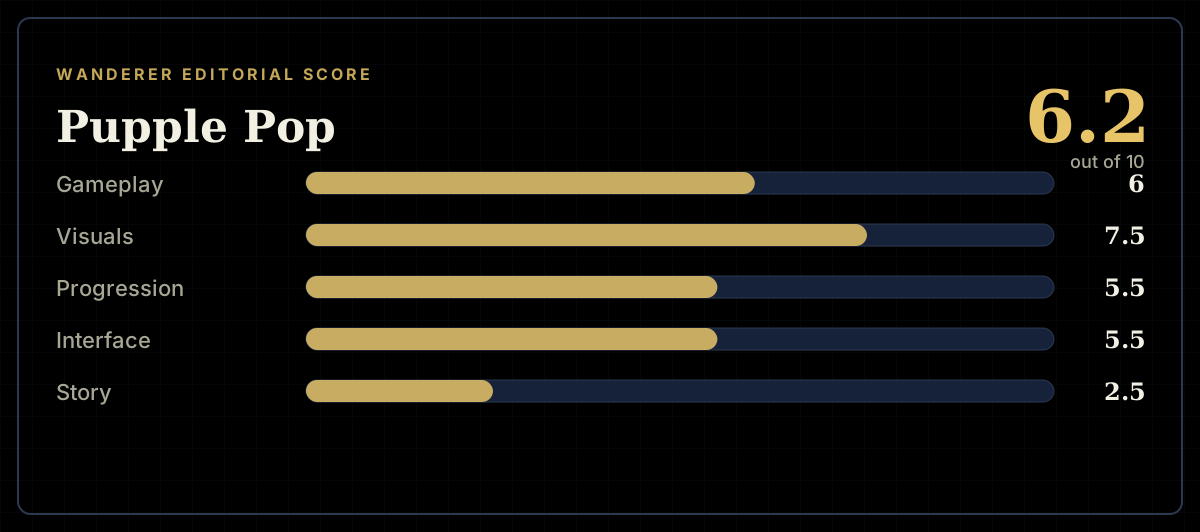
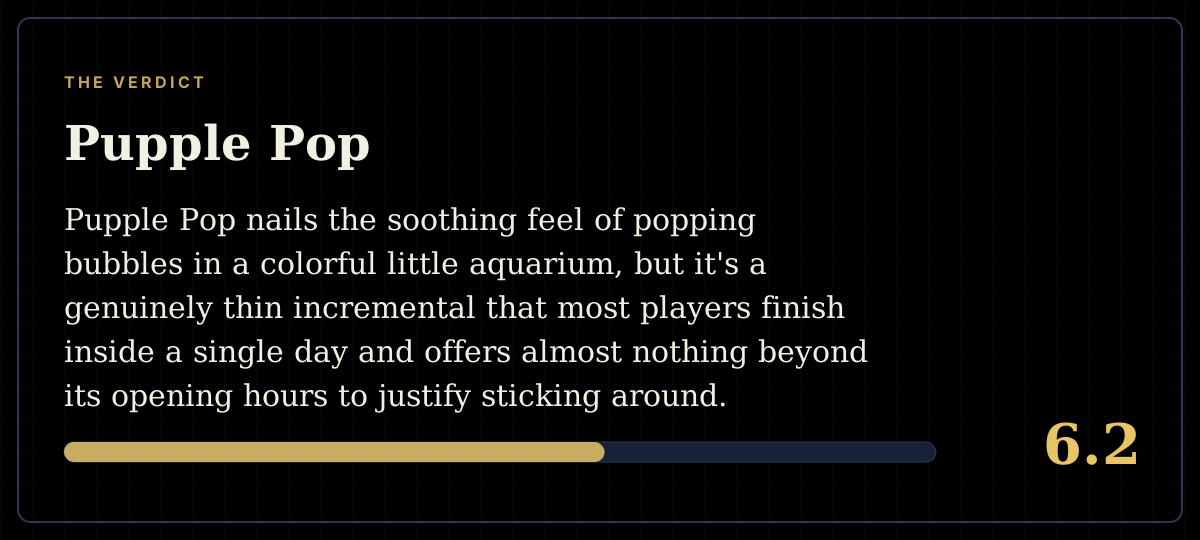
6.2 / 10
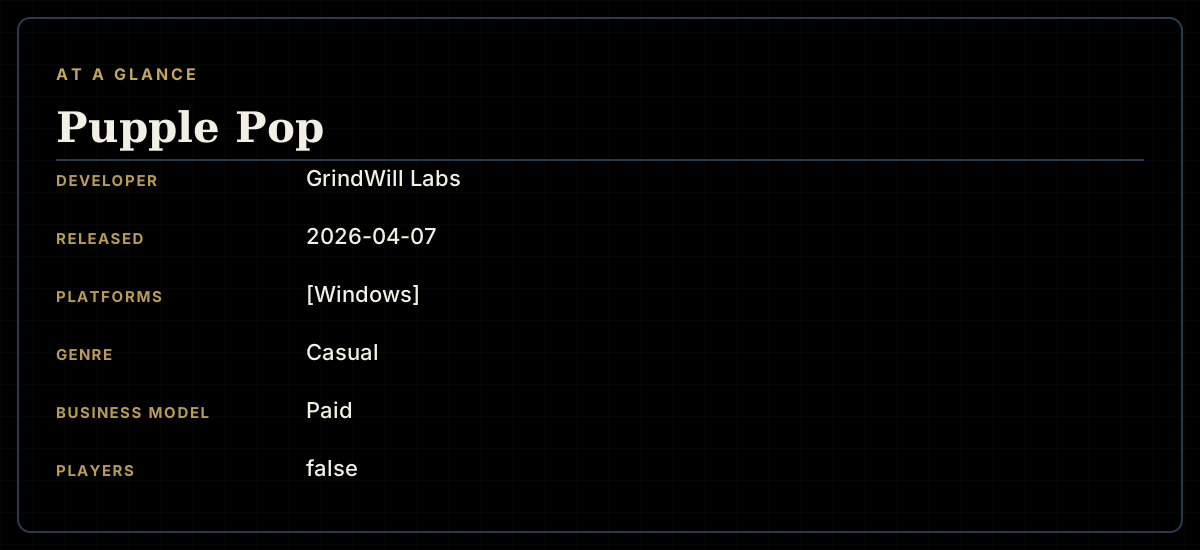
- Developer
- GrindWill Labs
- Publisher
- Rock Paper Publisher
- Released
- 7 April 2026
- Platforms
- [Windows]
- Genre
- Casual
- Monetisation
- Paid
- Players
- false
The short version
Pupple Pop nails the soothing feel of popping bubbles in a colorful little aquarium, but it's a genuinely thin incremental that most players finish inside a single day and offers almost nothing beyond its opening hours to justify sticking around.
Biggest strengths
- A satisfying, tactile core loop of popping bubbles that reviewers consistently describe as relaxing and soothing, aided by a genuinely pleasant popping sound
- A charming aquatic art style with cute fish and sea-life helpers that give the automation systems real visual personality
- Low commitment: most players see everything the game has to offer, achievements included, within about eight to twenty hours
Biggest weaknesses
- Very little actual content: no meaningful story, no visual or biome changes, and a prestige system several reviewers call unnecessary given how little there is to reset for
- Upgrade descriptions and UI are frequently criticized as unclear, leaving players unsure what individual purchases actually do
- A handful of reviewers report bugs preventing achievements from unlocking correctly even after full completion
Who it's for: Incremental-game newcomers or genre veterans wanting a short, low-commitment palate cleanser between longer, deeper idle games.
Our recommendation: Buy on sale
6.2 / 10
Pop, upgrade, repeat
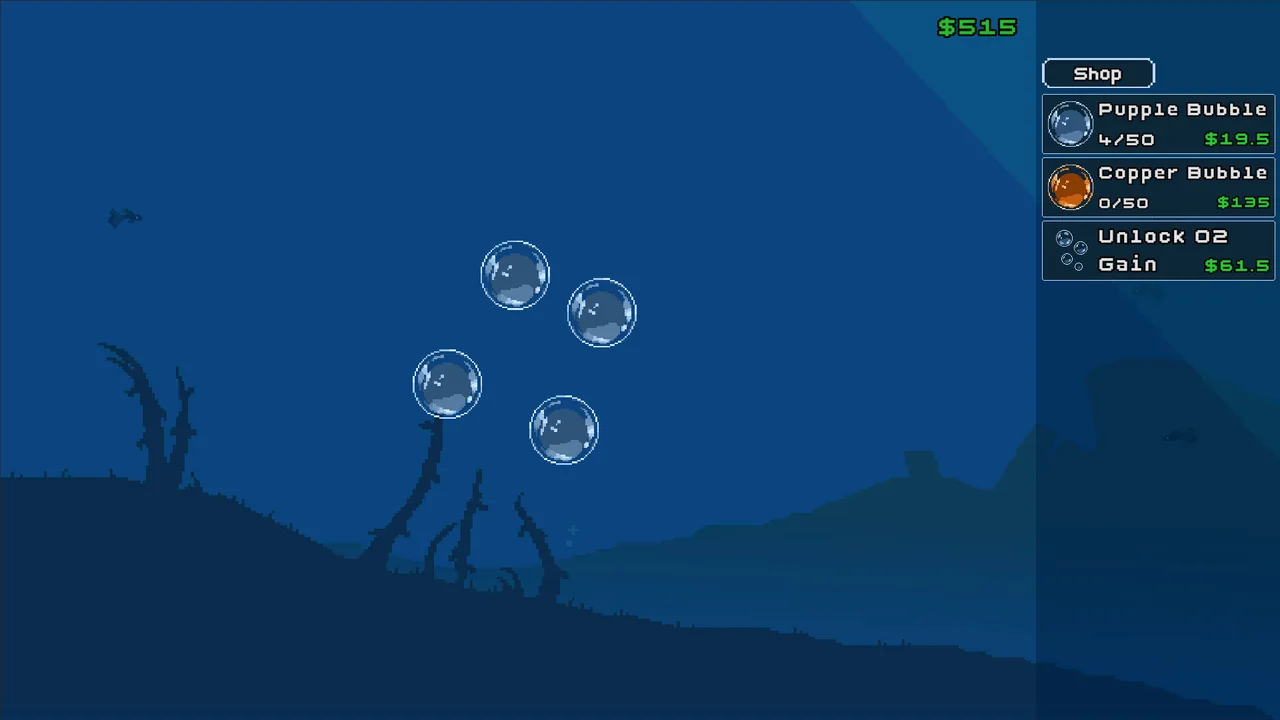
Pupple Pop, released April 7, 2026 by GrindWill Labs and published by Rock Paper Publisher, is an incremental game built around a single, simple action: popping bubbles for money. That money buys bigger, better bubbles and, eventually, fish and other sea creatures that automate the popping entirely, freeing the player to sit back and watch an underwater economy grow on its own. It's the familiar shape of the genre, executed in a colorful aquarium setting, and it launched to a Very Positive reception, 184 reviews and around 81% positive, a solid score that comes with a very consistent asterisk in the review text itself.
The bubble-popping is genuinely nice
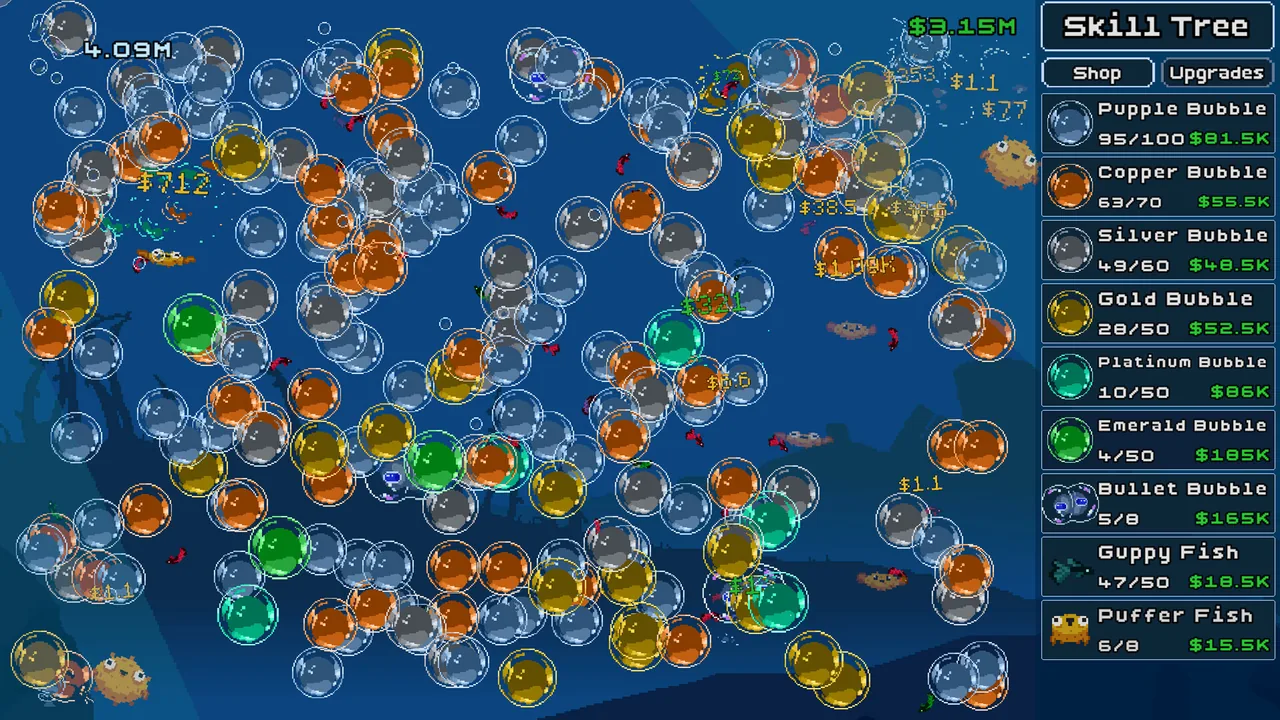
Where Pupple Pop earns its praise is in the tactile, moment-to-moment feel of the core action. Reviewers repeatedly describe the popping sound and visual feedback as satisfying in a way that transcends the game's simplicity, one review calls it "the gaming equivalent of bubble wrap," which is about as precise a description as this kind of game gets. The aquatic theming gives the automation systems, fish and other sea creatures doing the popping for you, real visual charm rather than the abstract factories or currencies typical of the genre, and several reviewers specifically cite watching the underwater scene fill up with automated helpers as the most rewarding part of playing. It's a game that clearly understood its central sensory hook and executed it well.
A very short story to tell
The dominant complaint across the sample, appearing in nearly every critical review and plenty of positive ones too, is how quickly the game runs out of new things to show the player. Multiple reviewers report reaching full completion, including all achievements, in anywhere from three to twenty hours, with several noting no story, no biome or environmental changes, and no meaningful escalation in what upgrades actually accomplish beyond making the existing numbers bigger. One especially blunt review sums up the core problem: "no biome change, no cosmetics, no worthwhile upgrades," a criticism that's hard to argue with once the initial charm of the popping sound wears thin. For a genre that typically hooks players with escalating systems and long-tail goals, Pupple Pop's decision to keep everything finite and quickly exhaustible is a real tonal mismatch with what incremental-game fans usually come looking for.
A prestige system nobody asked for
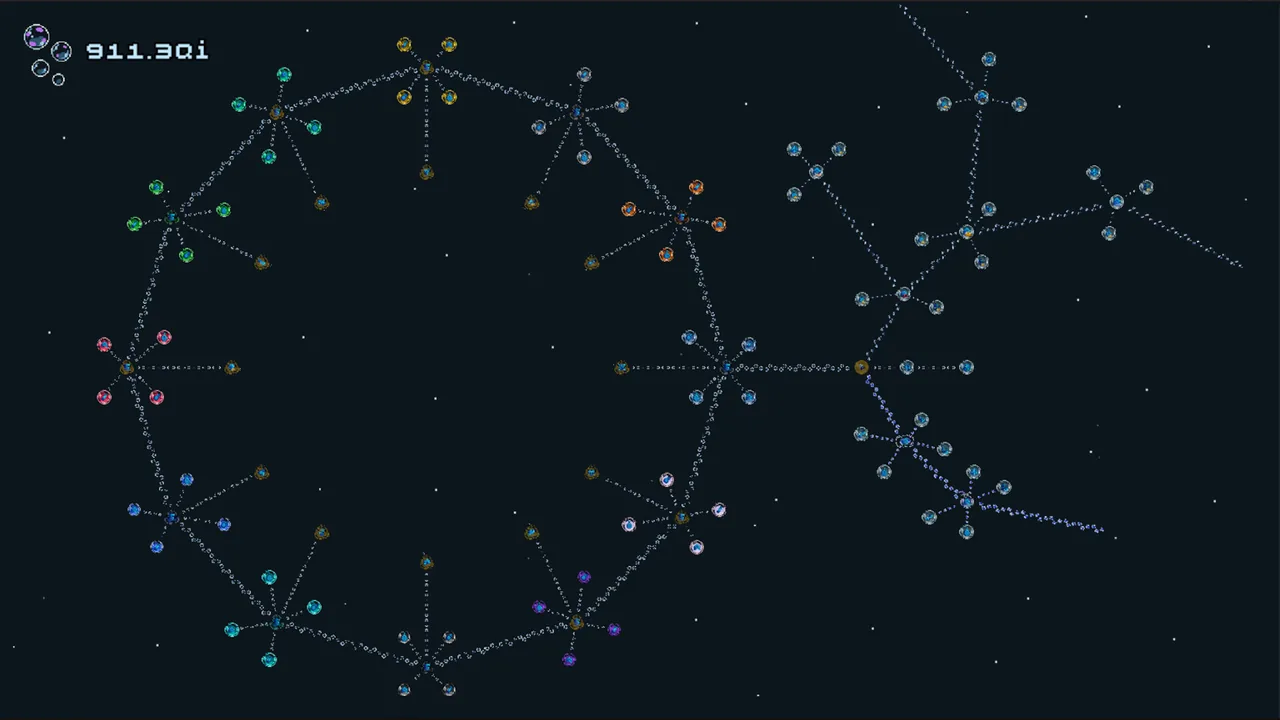
Several reviewers single out the game's rebirth or prestige mechanic as actively confusing rather than additive. Because the base game can be fully completed without ever resetting, and the benefits of prestiging are poorly explained in the interface, multiple players describe doing it once purely out of habit from other incrementals rather than because the game gave them a clear reason to. One reviewer notes there's no way to track prestige progress at all, and another describes fumbling through an unexplained mechanic with no in-game guidance. It's a system copied from genre convention without a clear sense of why it needs to exist here, and it adds friction rather than depth.
Presentation carries more weight than the systems do
Visually, this is a clear highlight: colorful, cute pixel art with genuine personality in its fish and sea-life designs, paired with sound design that reviewers single out unprompted as one of the best parts of the experience. The interface fares worse, several reviewers across English and German reviews specifically flag unclear upgrade descriptions and a lack of tooltips explaining what individual purchases actually do, forcing some players to check the Steam community hub just to understand basic mechanics like a screen-burn cap. For a game this simple on paper, that's a surprising amount of friction in just explaining itself.
Is it worth the asking price?
At $4.99, the price becomes the central sticking point for a meaningful share of reviewers. Several note they picked the game up through a bundle rather than at full price and felt that was the more appropriate value proposition, while others compare it directly and unfavorably to cheaper or free incrementals offering more sustained content. It's not an unreasonable price for a few hours of genuinely pleasant popping, but reviewers are broadly aligned that this is a sale purchase or bundle pickup rather than a full-price one.
How it stacks up against the field
Incremental and idle games live or die on how well they manage the tension between novelty and repetition, and the genre's best examples, whether that's a card-battling roguelike hybrid or a straightforward number-go-up clicker, usually solve that problem by layering in new systems just as the old ones start to feel routine. Pupple Pop never quite gets there. Its automation tiers arrive on a predictable schedule, and once a player has unlocked the last fish helper there's little left to chase beyond watching the same currency climb at a slightly faster rate. Reviewers familiar with the genre draw the comparison openly, several note that Pupple Pop plays like an entry-level version of ideas executed with more depth elsewhere, pleasant enough as an introduction but not something that rewards the extended attention span veteran incremental players tend to bring.
Who this is actually for
None of that makes Pupple Pop a bad way to spend an afternoon, it just narrows who it's really for. Newcomers to the incremental genre, or anyone looking for a short, low-stakes game to half-watch while doing something else, are likely to get real value out of the handful of hours it takes to see everything. Players coming in with expectations set by deeper, more sustained incrementals, the kind with prestige layers that actually matter or content updates that keep expanding the loop, are the ones most likely to walk away feeling like the price tag outran the content. Buying it during a sale or picking it up in a bundle, as several reviewers explicitly recommend, sidesteps that mismatch entirely and leaves just the pleasant, well-made core loop that earned the game its Very Positive standing in the first place.
The verdict
Pupple Pop gets the feel of its central hook exactly right, popping bubbles here is legitimately relaxing and well presented, but there's startlingly little game built around that feeling once the novelty settles. Most players will see everything it has to offer well within a single sitting, and the unclear UI and unnecessary prestige system only compound how thin the experience is stretched. Worth picking up on sale or in a bundle for a pleasant afternoon; hard to recommend at full price against deeper genre peers.
Pros and cons
Pros
- A satisfying, tactile core loop of popping bubbles that reviewers consistently describe as relaxing and soothing, aided by a genuinely pleasant popping sound
- A charming aquatic art style with cute fish and sea-life helpers that give the automation systems real visual personality
- Low commitment: most players see everything the game has to offer, achievements included, within about eight to twenty hours
- Works comfortably as a low-effort background game, requiring hover rather than active clicking once early upgrades are purchased
Cons
- Very little actual content: no meaningful story, no visual or biome changes, and a prestige system several reviewers call unnecessary given how little there is to reset for
- Upgrade descriptions and UI are frequently criticized as unclear, leaving players unsure what individual purchases actually do
- A handful of reviewers report bugs preventing achievements from unlocking correctly even after full completion
- At $4.99, several reviewers feel the price doesn't match the amount of content on offer, especially compared to similar, cheaper incrementals
Screenshots
-
Pupple PopImage: Rock Paper Publisher via Steam -
Pupple PopImage: Rock Paper Publisher via Steam -
Pupple PopImage: Rock Paper Publisher via Steam -
How the review scores each part of the gameWanderer Editorial -
Key facts at a glanceWanderer Editorial -
The short versionWanderer Editorial