
Game review
Paragon Pioneers
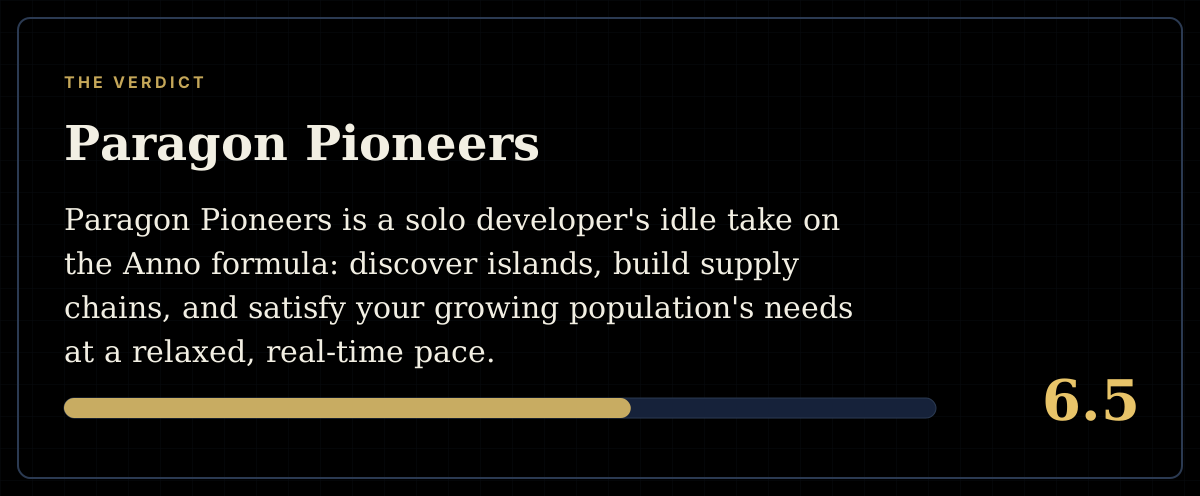
6.5 / 10
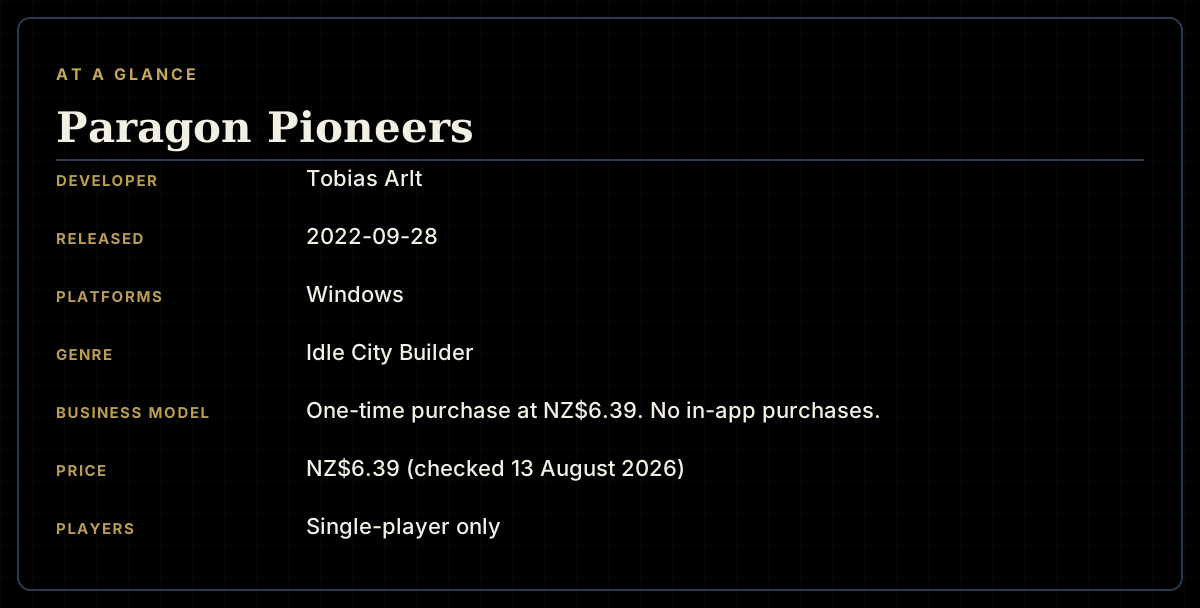
- Developer
- Tobias Arlt
- Publisher
- Tobias Arlt
- Released
- 28 September 2022
- Platforms
- Windows
- Genre
- Idle City Builder
- Monetisation
- One-time purchase at NZ$6.39. No in-app purchases.
- Players
- Single-player only
The short version
Paragon Pioneers is a solo developer's idle take on the Anno formula: discover islands, build supply chains, and satisfy your growing population's needs at a relaxed, real-time pace. It's a small release with a small but genuine Steam following -- 28 English reviews total, every one read in full for this piece -- sitting at Positive across that pool, with several reviewers logging extraordinary playtimes in the hundreds and even thousands of hours.
The recurring complaint, consistent across the small negative sample, is pacing: build times and exploration are tuned in real days rather than minutes, with no speed-up option, which a meaningful share of reviewers find genuinely limiting rather than meditative. The developer draws specific, repeated praise for being responsive to feedback across platforms.
Biggest strengths
- A genuinely well-loved Anno/Settlers-style supply-chain and city-building loop, praised consistently across the small review sample for its depth relative to its price
- A responsive solo developer, specifically credited by multiple reviewers for taking feedback seriously and implementing requested features across platforms
- Extremely cheap at NZ$6.39 for a game several reviewers report playing for hundreds of hours
Biggest weaknesses
- Build times and island exploration run on real-time pacing with no speed-up option, which several reviewers say limits how much of the game you can actually engage with in a sitting
- The review sample is small -- 28 English reviews total -- so treat any read on its reception as indicative of a devoted niche audience rather than a broad, statistically solid consensus
- Some reviewers report surprising performance demands for a 2D game, including uncapped framerate issues that one specifically asks the developer to address for both performance and power draw
Who it's for: Fans of slow, relaxed colony-management and supply-chain games (the Anno and Settlers comparisons recur constantly) who are happy to check in briefly once or twice a day rather than sit down for long, active sessions. Less suited to anyone who wants to actively play a city-builder for hours at a stretch, since the pacing is built around infrequent, short visits.
Our recommendation: A cheap, relaxing pickup for fans of slow-burn idle management games, especially if you already enjoyed the mobile version and want a nicer screen to check in on. Skip it if you want a city-builder you can actively sit down and play, since a lack of any speed-up option is this game's most consistent limitation.
6.5 / 10
One reviewer's title for their write-up of Paragon Pioneers says most of what needs saying: "Anno series plus orcs!" That's the comparison this small game earns consistently across its equally small Steam review base — 28 English-language reviews in total, every one of them read in full for this piece rather than sampled, because there simply isn't a larger pool to draw from. What that small sample describes, though, is a genuinely well-regarded game with a devoted following rather than an obscure disappointment.
Anno, slowed down and idled out
The pitch: discover and conquer islands, build supply chains to keep a growing population fed, housed and satisfied, and optimise your layout as your colony expands — all running on a relaxed, real-time pace rather than demanding constant active attention. "It's an island/colony management game," reads one review. "It's easy to learn, but hard to master. The building layout planning is a nice challenge." Another draws the same comparison from a different angle: "This is a beautiful and absolutely addictive game... Anno series meet Idle games the right way." The developer, Tobias Arlt, draws specific credit from multiple reviewers for staying engaged with the community: "They seem responsive on the various platforms the game is on, have taken feedback well and implemented feature requests," reads one review from a player who otherwise didn't connect with the game.
The pacing complaint
The consistent criticism in the small negative sample is about speed, and it's a real structural choice rather than a bug: building production and exploration run on real-world timers, with no option to speed them up. "Slow building production and long boat times severely limit the amount of time you can actually spend playing the game," reads one negative review, "which made me quickly lose interest after the first couple islands." Another puts it more bluntly: "The game would be fun, if it had 100x speed. Now its just waiting for days (real life days!) before you can get things done." That's not a universal complaint — several of the most enthusiastic positive reviews specifically frame the slow pace as the point, describing the game as something you check in on briefly once or twice a day rather than sit down and play — but it's the one consistent thing separating this game's fans from the players who bounced off it.
A handful of reviewers also flag a technical oddity: the game apparently runs uncapped, high framerates for relatively simple 2D visuals, with one specifically asking the developer to add a frame-rate cap "my RTX 4080 could save some watts if it stopped trying to hit 2000 fps all the time." It's a minor complaint in absolute terms, but a real one given how little the visuals otherwise demand.
A small, real audience
The extraordinary playtimes some reviewers report — 627, 1,324, even 2,617 hours — are worth reading the same way this library treats any background-idle title: as evidence of a comfortable, long-running habit rather than active engagement across all those hours. What they do confirm is a real, if small, base of players who've stuck with this game for years since its 2022 release. The achievement data supports a gentle, welcoming curve for the basics — 93.5% for the first population milestone, over 50% for several early construction and discovery goals — consistent with an approachable game that mostly loses people to pacing rather than difficulty.
6.5 out of 10. Paragon Pioneers is a well-made, charming idle colony builder from a responsive solo developer, genuinely loved by the small audience that's found it, and priced cheaply enough to make trying it a low-stakes decision. Its slow, no-speed-up pacing is a real and consistent limiting factor for anyone wanting an actively-played city builder rather than a background hobby — know which one you want before buying.
Pros and cons
Pros
- A genuinely well-loved Anno/Settlers-style supply-chain and city-building loop, praised consistently across the small review sample for its depth relative to its price
- A responsive solo developer, specifically credited by multiple reviewers for taking feedback seriously and implementing requested features across platforms
- Extremely cheap at NZ$6.39 for a game several reviewers report playing for hundreds of hours
- Cross-platform continuity with the mobile version, letting existing iOS/Android players bring their interest to a bigger screen
Cons
- Build times and island exploration run on real-time pacing with no speed-up option, which several reviewers say limits how much of the game you can actually engage with in a sitting
- The review sample is small -- 28 English reviews total -- so treat any read on its reception as indicative of a devoted niche audience rather than a broad, statistically solid consensus
- Some reviewers report surprising performance demands for a 2D game, including uncapped framerate issues that one specifically asks the developer to address for both performance and power draw
- Extreme playtimes reported by several reviewers (into the hundreds and thousands of hours) likely reflect the game running passively in the background between infrequent active check-ins rather than continuous engagement
Screenshots
-
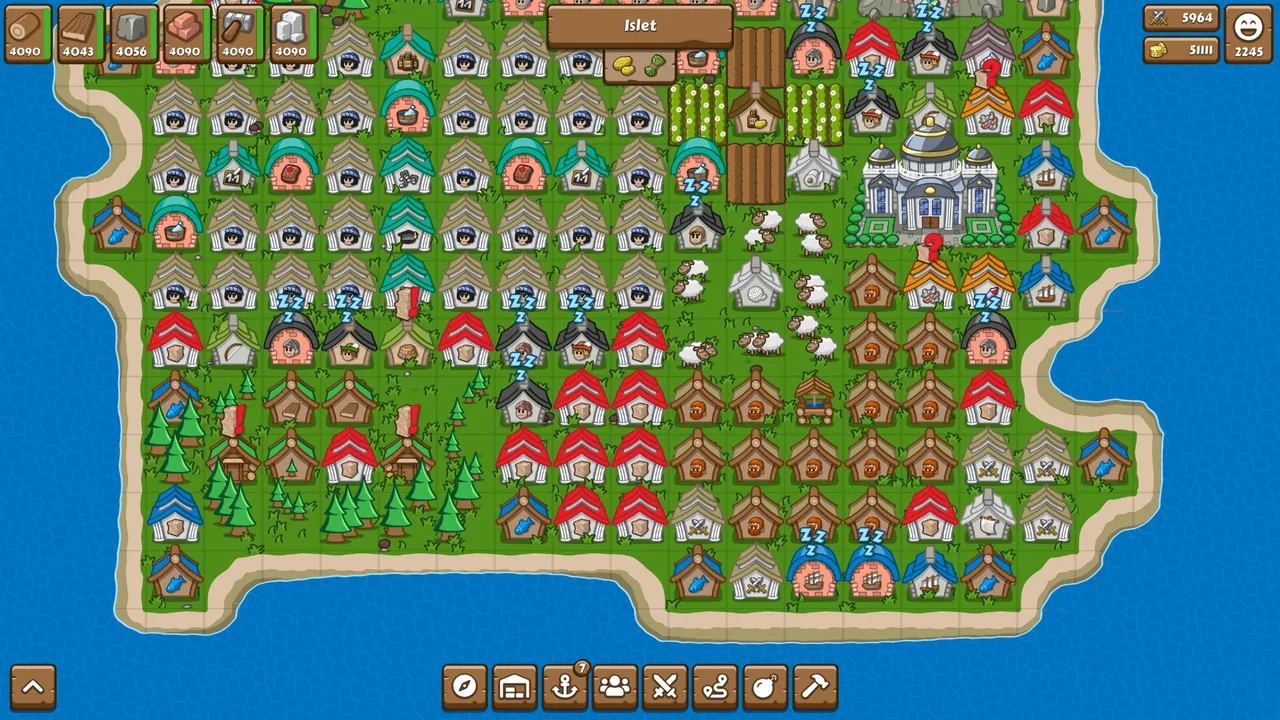
Paragon PioneersImage: Tobias Arlt via Steam -
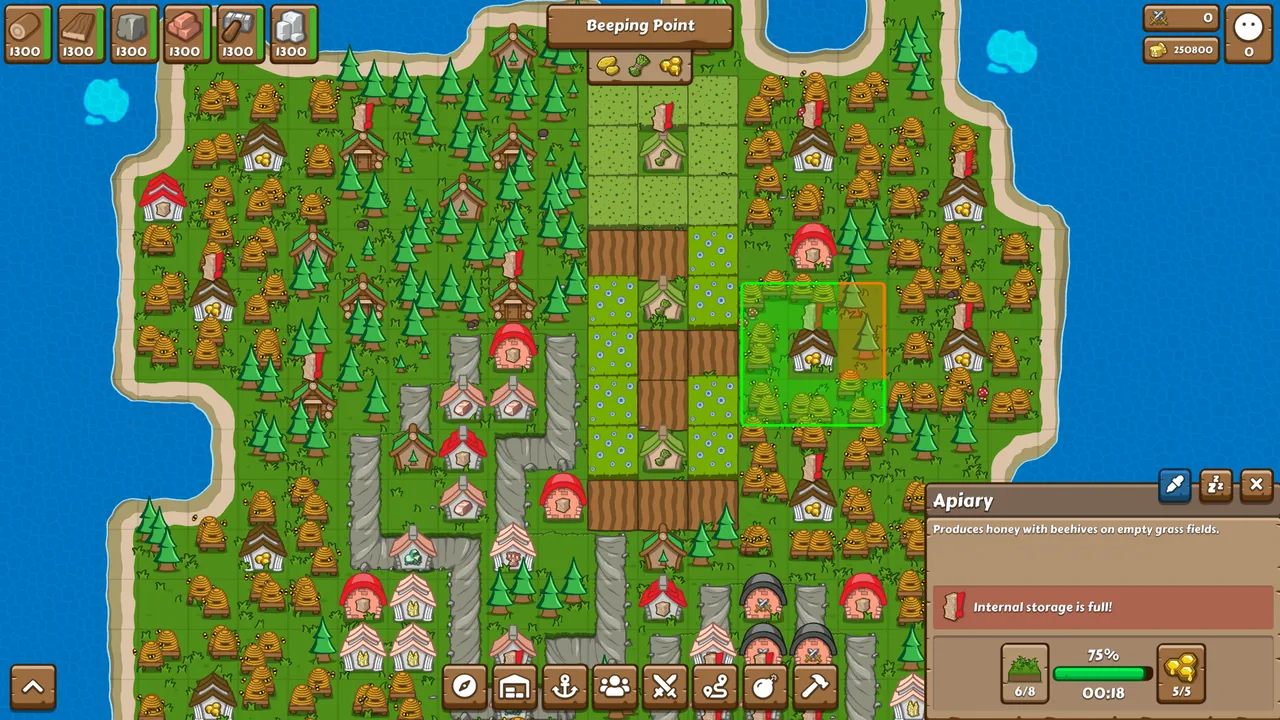
Paragon PioneersImage: Tobias Arlt via Steam -
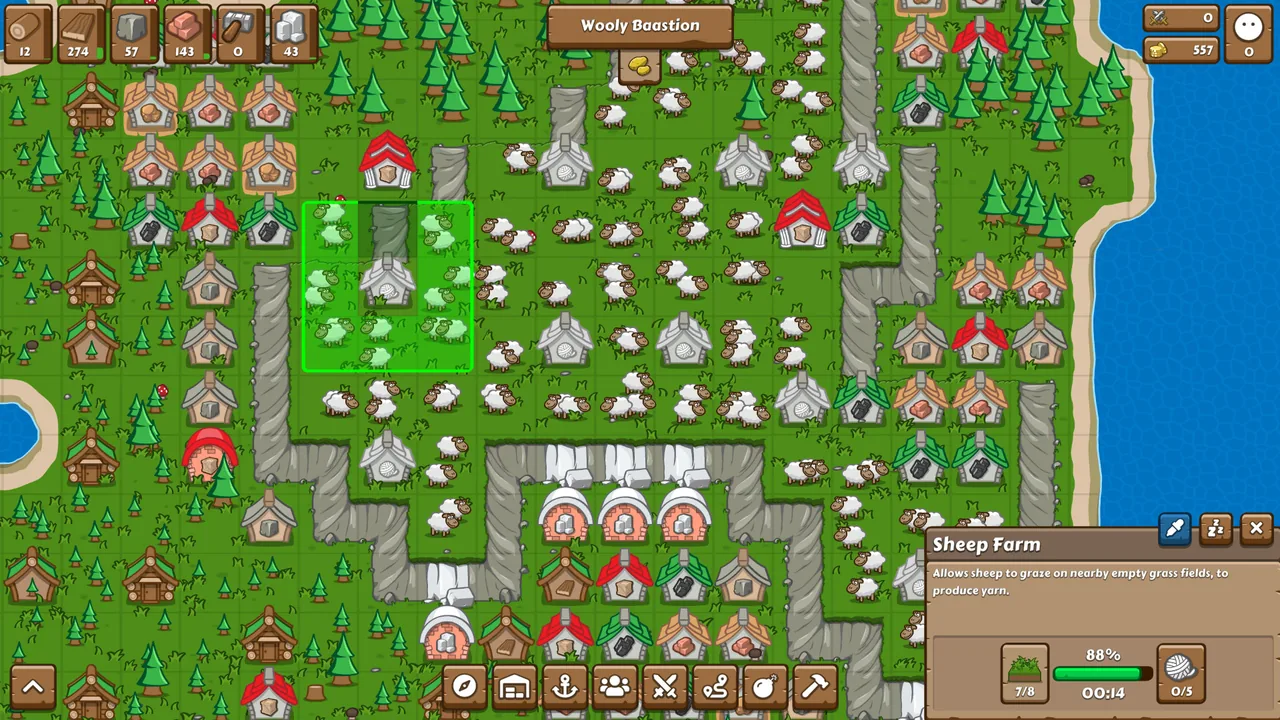
Paragon PioneersImage: Tobias Arlt via Steam -
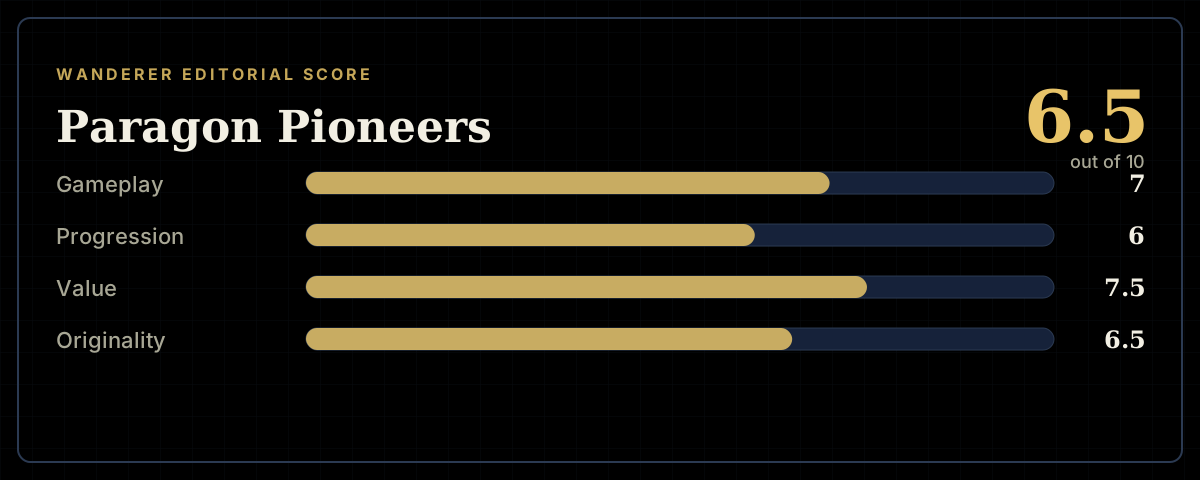
How the review scores each part of the gameWanderer Editorial -
The essentialsWanderer Editorial -
The short versionWanderer Editorial