Game review
OUTCLAW Review
7.5 / 10
- Developer
- Moss Monkey
- Publisher
- Moss Monkey
- Released
- 29 July 2026
- Platforms
- ["Windows"]
- Genre
- 3D Platformer
A Pikmin-Flavored Debut From a Brand-New Studio
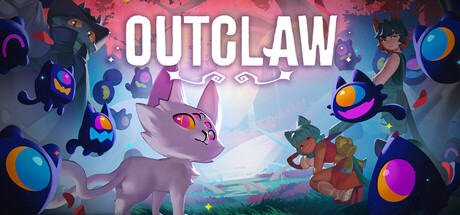
OUTCLAW released on Steam on July 29, 2026, from debut developer and publisher Moss Monkey, for $24.99, following a public demo and multiple Next Fest showings that a large share of reviewers say they followed closely for months beforehand. You play as Comet, a shapeshifting cat exploring a surreal, starry world, commanding a horde of small creatures called shades to solve puzzles, fight enemies, and traverse the environment, a structure reviewers consistently compare to Pikmin, with a few also invoking Super Mario Galaxy and older 3D platform-adventures like Skylanders. The response has landed at Positive with 42 of 43 reviews recommending it, an unusually lopsided ratio for a studio's first release, and one that comes with a genuinely detailed and specific set of both praise and complaints rather than vague enthusiasm.
Shades Are the Whole Game, and Reviewers Clearly Love Them
The shade-commanding mechanic is the part of OUTCLAW reviewers talk about most, and almost always favorably. Shades can be individually named, dressed in customizable hats and colors, and used both to solve environmental puzzles and to build makeshift weapons in combat, with one reviewer specifically praising "barraging enemies by throwing bombs through the air from ramps" as their favorite interaction in the whole game. Multiple reviewers describe getting attached to specific shades as individual characters rather than treating them as interchangeable tools, several naming ones they call their "ride-or-die" companions, which is a notable emotional hook for what's structurally a puzzle-platformer. The level design gets consistent praise for introducing new shade abilities gradually enough that each stage feels distinct, and the combat, while simple, is described by more than one reviewer as punchy and rewarding of creative shade placement rather than pure repetition.
Presentation Is the Sample's Least Contested Strength
If there's one thing close to unanimous across the review sample, it's that OUTCLAW looks and sounds excellent. Reviewers repeatedly single out the art direction, character design, and a soundtrack that multiple people say they want released separately so they can listen to it outside the game. The hub world, where players return between levels to manage and customize their shade roster, gets specific praise as a genuinely enjoyable space in its own right rather than a menu wrapped in 3D, echoing a broader trend this lane keeps seeing where a game's non-combat social or management space becomes an unexpected draw. The overall tone, whimsical, a little goofy, and clearly built by people who cared about small details like a trenchcoat-wearing anthropomorphic cat NPC, comes through in almost every review regardless of how positive or critical the rest of it is.
Bugs and Performance Issues Are the Real, Specific Complaint
The gap between OUTCLAW's Positive score and a truly Very Positive one comes down almost entirely to launch-week technical issues, and the sample is unusually candid and detailed about them rather than vague. Reviewers report menu and UI elements overlapping, NPCs clipping through geometry, dialogue triggering out of order, frame-rate drops in the hub world and later levels, and controller support that at least two reviewers describe as noticeably worse in the final release than it had been in the pre-launch demo. One especially thorough review compiles a running bug list, including a "void glitch" that could permanently break a player's spawn point, while still concluding the game is worth recommending despite it. The one negative review in the sample goes further, alleging the positive reviews don't reflect real, organic play and specifically calling out the broken controller support as evidence something went wrong between the demo build and the shipped one; that's a single reviewer's suspicion rather than a corroborated claim, and the bulk of the sample, including reviewers who list the same bugs in detail, still recommends the game and frames the issues as fixable launch-week rough edges rather than a fundamental problem.
A Small Studio's First Game, Openly Still Being Patched
Moss Monkey's inexperience and small size come up constantly, almost always as context for why bugs exist rather than as an excuse for them. Reviewers describe having followed the game's development for a long time before release, and several specifically praise the developers for responding quickly to bug reports through Discord and shipping fast follow-up patches, consistent with the two post-launch update notes on record within two weeks of release. More than one reviewer frames their review explicitly as a "debut game" review, tempering criticism of remaining rough edges with genuine goodwill toward a first-time team that clearly poured effort into the parts of the game within their control, the art, music, and shade design, even where engineering polish lagged behind at launch.
A Long Public Development Window Built Real Anticipation
An unusually large share of the sample opens by referencing how long they'd been anticipating the release, having played the demo, followed the developer's social media, or tried multiple Next Fest builds well before launch day. One reviewer explicitly says they'd "been waiting for this game for so long" and that it rekindled memories of playing Super Mario Galaxy as a kid, while another calls it "worth the wait" after having followed development "throughout the years." That kind of pre-existing goodwill is common for games that build a public following during a long early-access-adjacent demo period, and it likely explains part of why the sample is so quick to forgive launch bugs as fixable rather than damning: many of these reviewers had already formed their opinion of the game's core identity from the demo, and the 1.0 release mostly confirmed what they expected rather than surprising them one way or the other.
Verdict
OUTCLAW is a charming, distinctive puzzle-adventure built around a genuinely likable creature-commanding mechanic, wrapped in art and music that even its harshest reviewer doesn't really criticize. Its problems are specific and fixable rather than structural: launch-week bugs, an inconsistent frame rate, and controller support that regressed somewhere between demo and release. None of that stopped 42 of 43 reviewers from recommending it, and for a debut studio's first game, at $24.99, OUTCLAW earns its comparisons to beloved genre touchstones far more than it deserves to be remembered for its bug list.
Screenshots
-
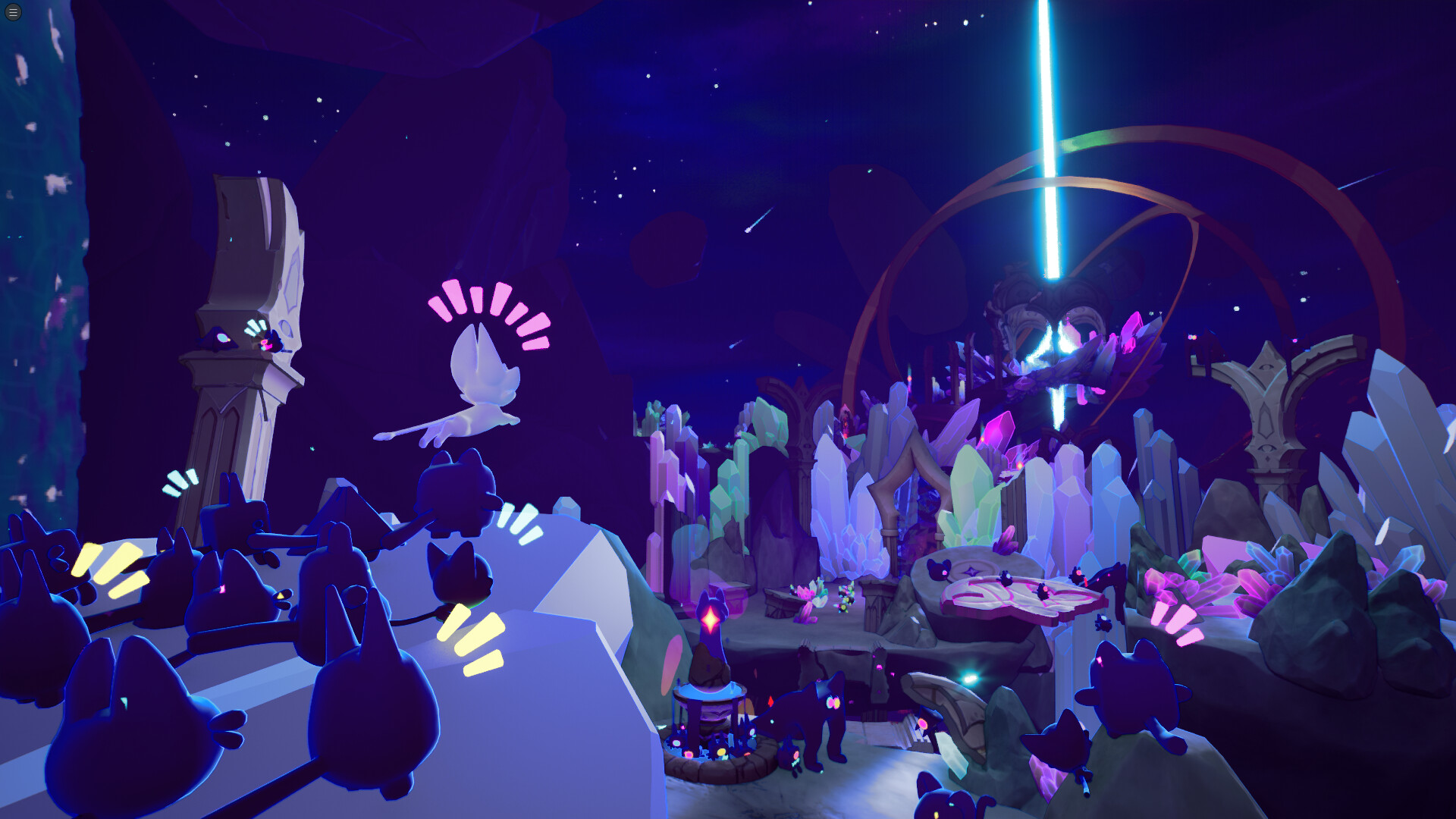
One of the hub-adjacent areas reviewers praised for its whimsical, starlit atmosphere and crowds of collectible shades.Image: Moss Monkey via Steam -
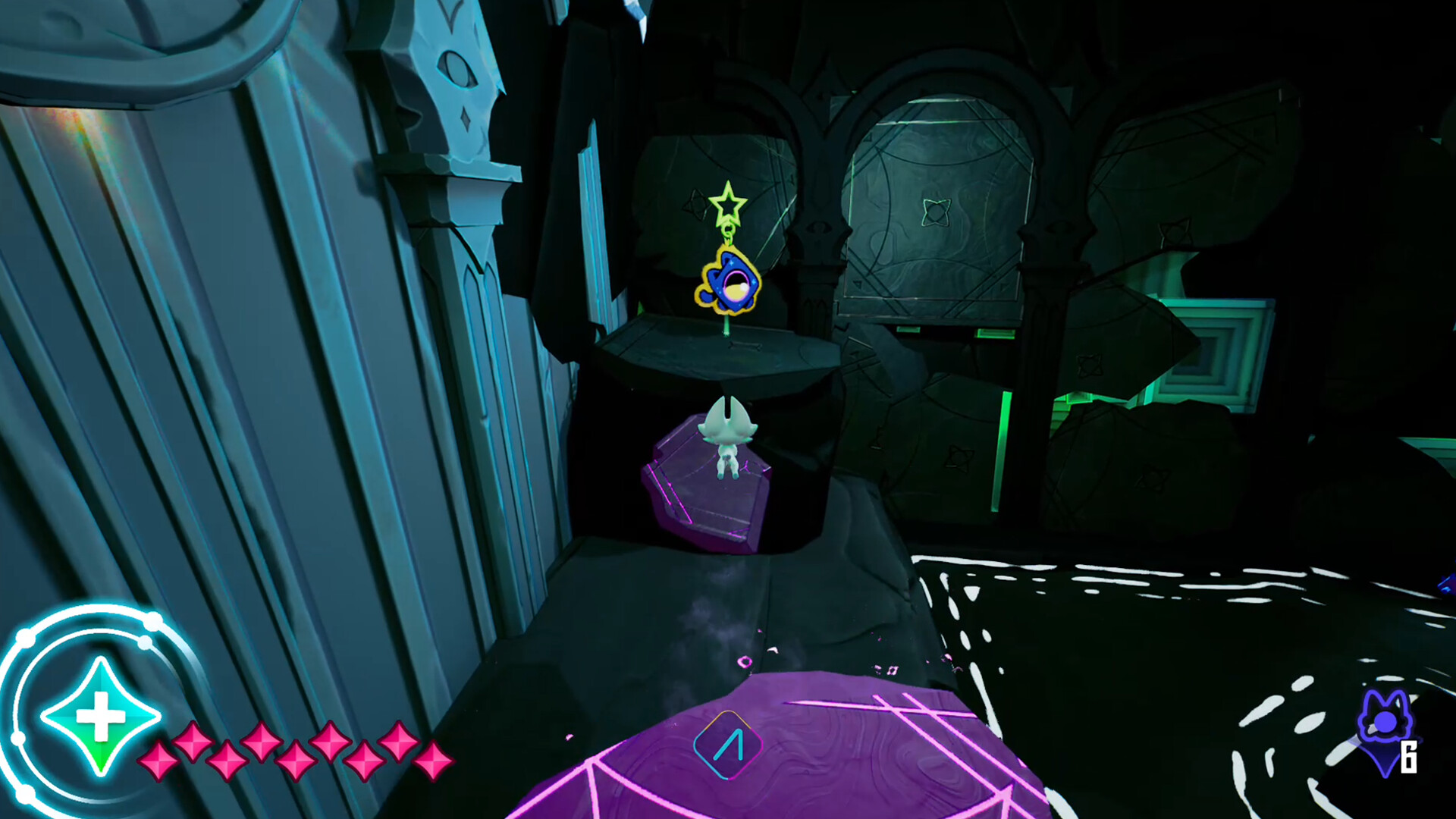
A collectible shade waiting to be recruited, the kind of exploration moment reviewers say rewards checking every corner of a level.Image: Moss Monkey via Steam -
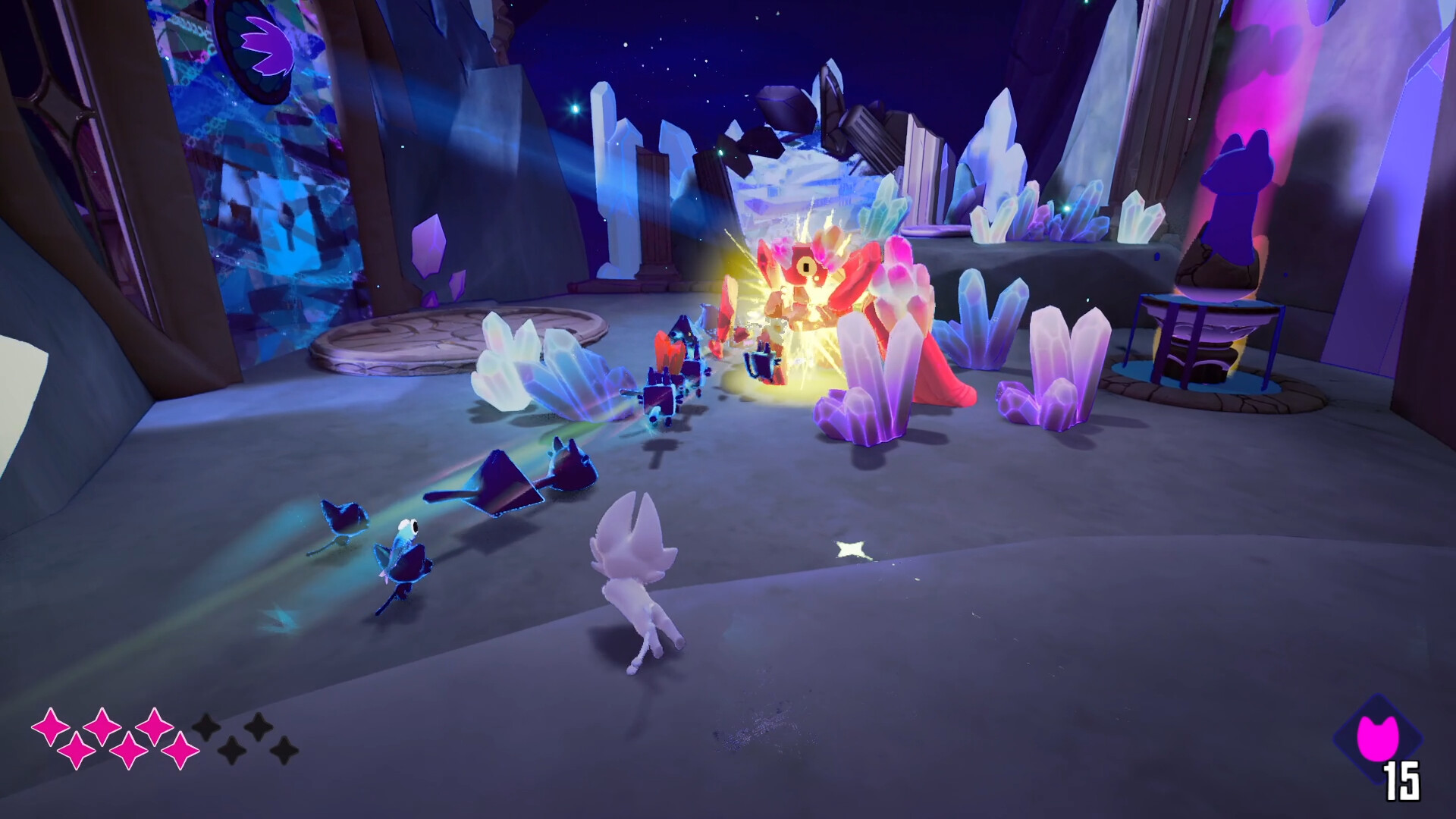
A shade squad swarming an enemy, the combination of minion-commanding and combat reviewers keep comparing to Pikmin.Image: Moss Monkey via Steam