Game review
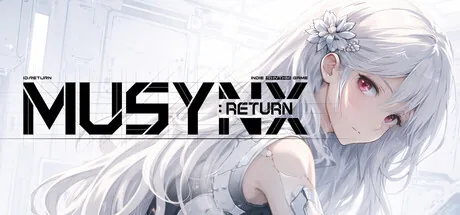
MUSYNX:RETURN
6.5 / 10
- Developer
- I-Inferno
- Publisher
- Wave Games
- Released
- 2 April 2026
- Platforms
- [Windows]
- Genre
- Rhythm
- Monetisation
- $19.99
- Players
- false
The short version
MUSYNX:RETURN keeps its predecessor's excellent falling-note fundamentals and layers on real instrument sound feedback and a striking sci-fi redesign, but a genuinely disliked, eye-straining UI, a noticeably thinner launch tracklist, and the loss of the original's 3D mode leave longtime fans of the series feeling shortchanged.
Biggest strengths
- Core falling-note rhythm gameplay remains excellent, with detailed accuracy tracking, adjustable timing offset, and a well-liked new 2-lane beginner mode alongside the classic 4-lane and 6-lane layouts
- Real per-note instrument sound feedback paired with low-latency audio, which reviewers describe as a genuine step up from generic tick sounds
- A distinctive new sci-fi/mech visual identity that a large share of reviewers, especially returning fans, find striking even when they dislike the UI built around it
Biggest weaknesses
- A widely, repeatedly criticized UI: small text, glare and flashing note effects several reviewers say cause real eye strain, and an unreadable color scheme that mixes warm and cool tones for falling notes
- A noticeably smaller launch tracklist (38 songs, with more promised via free DLC) than the original MUSYNX's catalog, which a large share of returning fans call a step backward
- The removal of the original game's well-liked 3D play mode, a specific and repeated complaint from longtime players
Who it's for: Longtime MUSYNX fans and hardcore falling-note rhythm players willing to tolerate real UI friction in exchange for solid charts and real instrument key feedback, especially once more free DLC tracks land.
Our recommendation: Try it on sale
6.5 / 10
The beloved franchise returns, reimagined
MUSYNX:RETURN is developer I-Inferno and publisher Wave Games's reboot of the indie falling-note rhythm series MUSYNX, released April 2, 2026 at $19.99 after a public demo during Steam Next Fest and a delayed launch window. It's Mostly Positive (350 reviews, roughly 76% positive), and the review sample — overwhelmingly Simplified Chinese, reflecting the original game's core fanbase, with meaningful Japanese, Korean, and English representation — tells a consistent story: the rhythm-game fundamentals are still there, but a redesigned UI and a leaner launch package have left a real share of returning fans disappointed even as they keep playing.
Falling notes done right, again
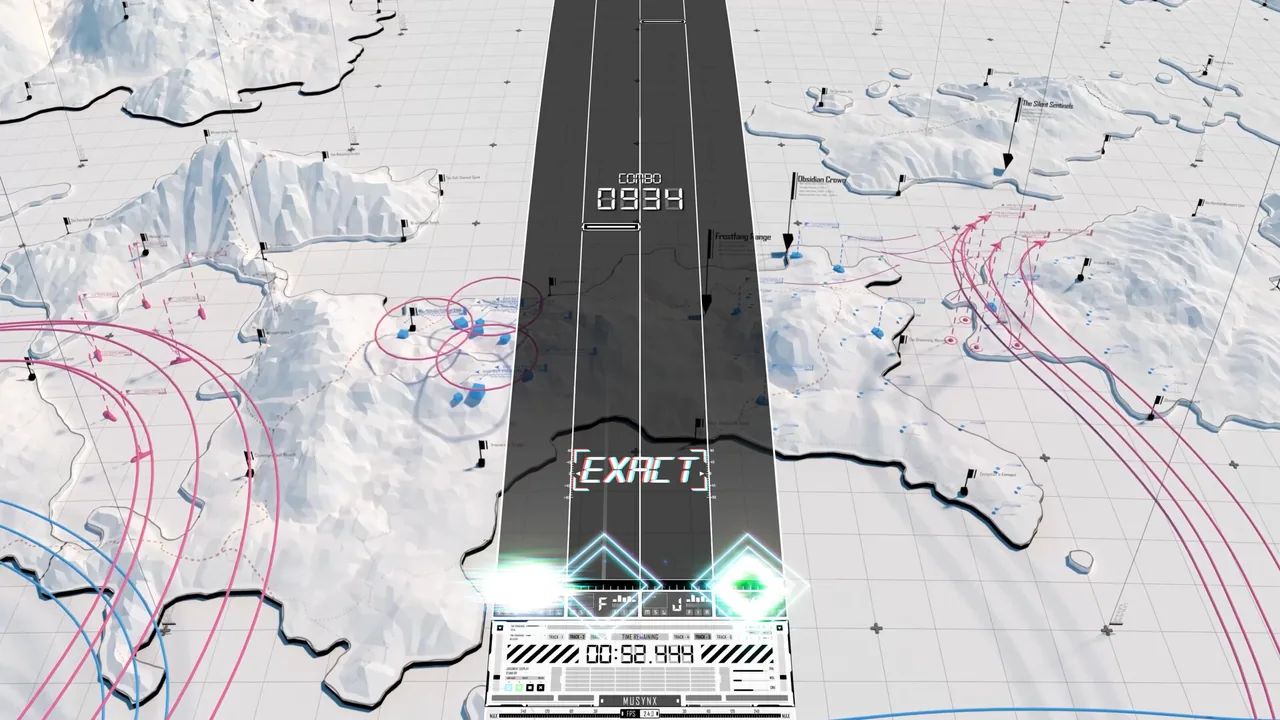
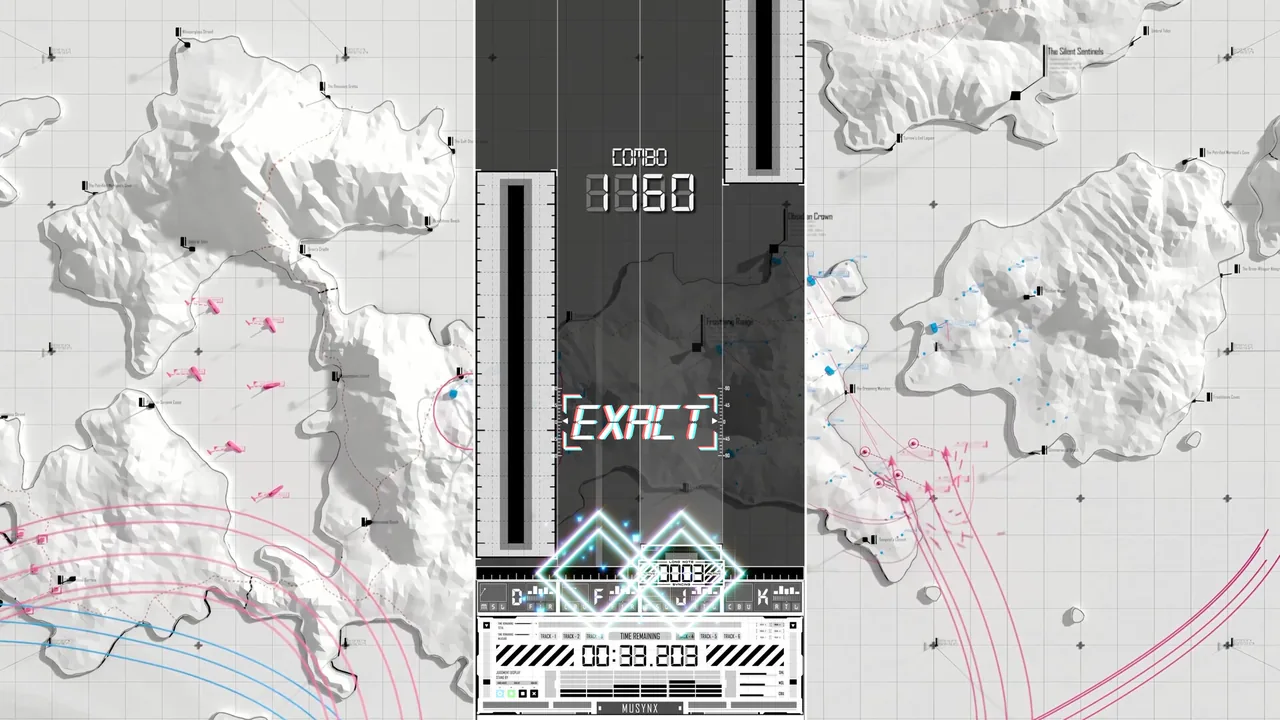
At its core, MUSYNX:RETURN preserves exactly what made the original popular: classic vertical falling-note gameplay across 4-lane and 6-lane layouts, hit-timing judged as perfect, great, or miss, and a synchronization-rate scoring system carried over from the first game. Reviewers consistently praise the underlying feel — tight timing windows, a genuinely detailed "Operation Report" results screen with granular accuracy data, and an adjustable judgment-offset option for players who want to fine-tune input timing. A newly added 2-lane mode specifically draws praise as an accessible on-ramp for players intimidated by faster 4- and 6-key charts, letting newcomers ease into the series before tackling its harder difficulty tiers.
A striking, divisive redesign
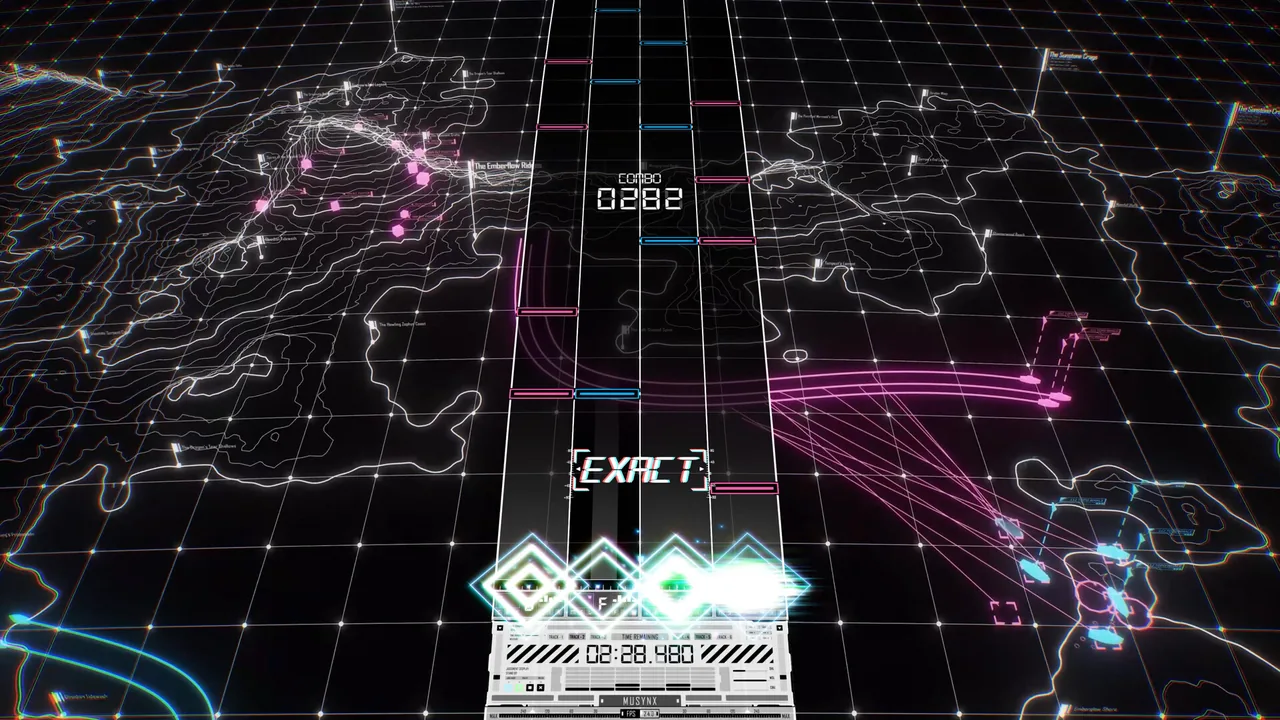
The most visible change from the original MUSYNX is a complete aesthetic overhaul, swapping the first game's colorful anime-inspired art style for a dark, sleek sci-fi and mecha look. Reception to this is genuinely split but leans positive: many longtime fans describe the new look as a bold, welcome departure that makes the sequel feel like more than a reskin, and Japanese reviewers specifically praise the moodier, effects-light default note skin for improving readability compared to the original's busier presentation. Others are less convinced, with a specific complaint that the entirely new visual identity, absent any option to bring back the original's warmer palette, feels like a fundamentally different game wearing the MUSYNX name rather than a true sequel.
The UI is the review sample's biggest sticking point
By far the most common complaint across every language in the sample is the interface itself. Reviewers repeatedly describe the song-select screen and in-game HUD as genuinely hard to read: text rendered too small, a mix of warm and cool tones used interchangeably for falling notes that makes them hard to distinguish at speed, and flashing "EX" combo effects that multiple reviewers say caused real eye strain or soreness after extended sessions — one detailed report describes their eye becoming red and irritated after an hour of play specifically because of the UI's visual noise. Several reviewers who otherwise like the charts and music say they'd recommend the game unreservedly if the UI were fixed, and multiple describe the interface as objectively worse than the original game's, a striking complaint for a sequel.
A thinner tracklist than fans expected
The launch tracklist sits at 38 original songs, and a recurring complaint — voiced by casual and 400-hour veteran players alike — is that this feels thin compared to the original MUSYNX's catalog, especially since the original included licensed tie-in tracks the sequel doesn't carry over. Several long-time fans specifically ask why none of the original's well-loved songs were ported into the sequel, given the shared branding. The developer has committed to adding at least 22 more songs via free DLC over six months, and an initial free song pack ("Operation Phase I") had already shipped by the time of this review, which a meaningful share of the sample cites as a reason for patience rather than a refund.
Missing modes and rough edges
Returning players specifically mourn the removal of the original MUSYNX's 3D play mode, a distinctive presentation option some describe as their preferred way to play the first game entirely, with no equivalent in the sequel. Customization is also thin at launch: there's only one note skin, the combo counter's position can't be moved even though several reviewers say it obstructs the chart, and difficulty labeling within songs is inconsistently applied — several reviewers single out specific tracks whose stated difficulty numbers don't match their actual challenge relative to other charts. A scattered handful of bugs are mentioned too, including a report that scores don't always update correctly after replaying a song.
An AI-art accusation worth flagging
A small but vocal minority of English- and German-language reviewers allege that the game's visual assets are AI-generated, with a couple of reviews consisting of little more than "AI art" as a complaint or a call for the developer to hire illustrators instead. This claim isn't corroborated anywhere in the much larger, more detailed majority of the sample, including extensive Chinese and Japanese reviews that discuss the new sci-fi art direction's specific strengths and weaknesses in detail without raising the issue, and should be read as an attributed minority claim rather than an established fact about the game's asset pipeline.
Who should synchronize
MUSYNX:RETURN is easiest to recommend to existing rhythm-game players, especially longtime MUSYNX fans with nostalgia for the original, who care more about chart quality and hit-feel than interface polish and are willing to wait out the free DLC roadmap for a fuller tracklist. It's a tougher sell at full price for newcomers to the series or anyone sensitive to cluttered, high-glare UI design, given how consistently that specific issue comes up across the review sample.
The verdict
MUSYNX:RETURN nails the falling-note fundamentals that made its predecessor beloved and dresses them in a striking, if divisive, new sci-fi identity, but a genuinely disliked UI, a thinner launch tracklist, and the loss of a well-liked mode from the original keep it from being the confident comeback longtime fans were hoping for. It's worth watching as the free DLC roadmap fills out, but worth waiting for a sale and, ideally, a UI pass before buying in.
Pros and cons
Pros
- Core falling-note rhythm gameplay remains excellent, with detailed accuracy tracking, adjustable timing offset, and a well-liked new 2-lane beginner mode alongside the classic 4-lane and 6-lane layouts
- Real per-note instrument sound feedback paired with low-latency audio, which reviewers describe as a genuine step up from generic tick sounds
- A distinctive new sci-fi/mech visual identity that a large share of reviewers, especially returning fans, find striking even when they dislike the UI built around it
- An active post-launch free DLC roadmap, including an already-released song pack, that reviewers cite as a reason for cautious optimism
Cons
- A widely, repeatedly criticized UI: small text, glare and flashing note effects several reviewers say cause real eye strain, and an unreadable color scheme that mixes warm and cool tones for falling notes
- A noticeably smaller launch tracklist (38 songs, with more promised via free DLC) than the original MUSYNX's catalog, which a large share of returning fans call a step backward
- The removal of the original game's well-liked 3D play mode, a specific and repeated complaint from longtime players
- A vocal minority of English- and German-language reviewers accuse the game's visual assets of being AI-generated, a claim not corroborated by the much larger, detailed majority of the review sample discussing the art style on its own terms
Screenshots
-
MUSYNX:RETURNImage: Wave Games via Steam -
MUSYNX:RETURNImage: Wave Games via Steam -
MUSYNX:RETURNImage: Wave Games via Steam -
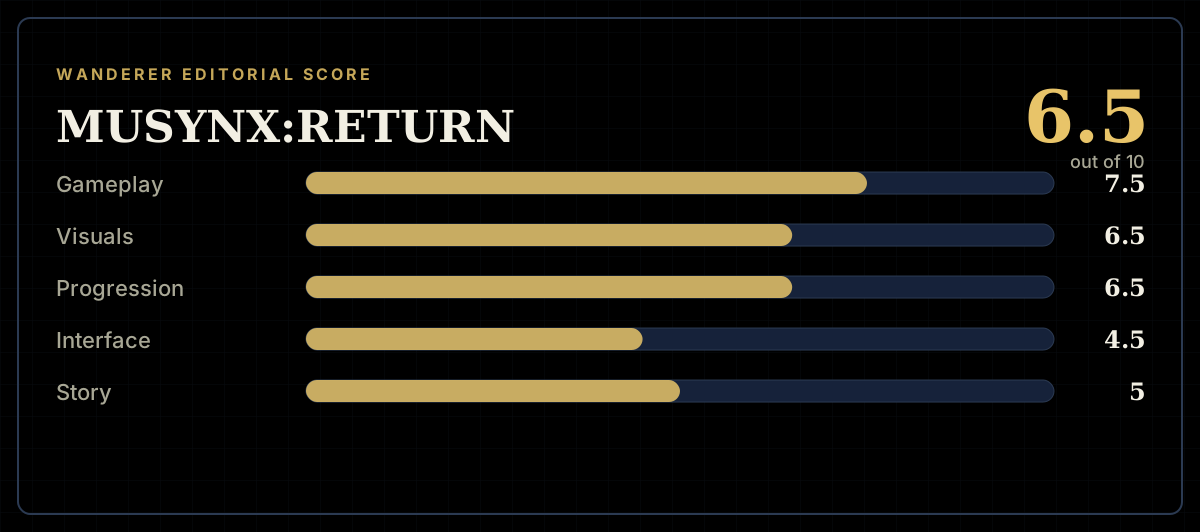
How the review scores each part of the gameWanderer Editorial -
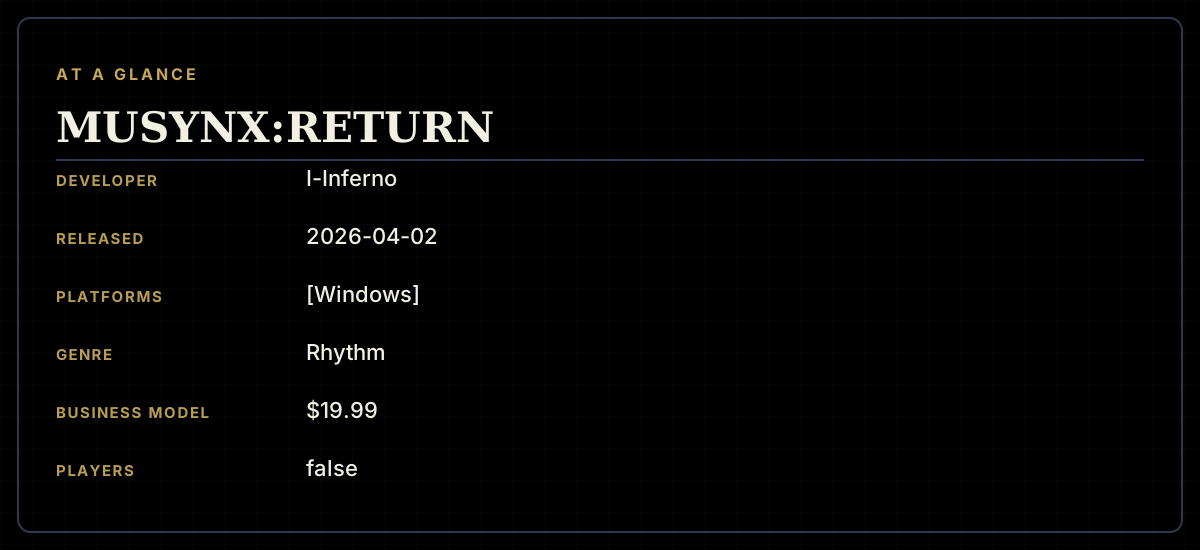
Key facts at a glanceWanderer Editorial -
The short versionWanderer Editorial