
Game review
MOBU Review
8.5 / 10
- Developer
- Saidera Studio
- Publisher
- Saidera Studio
- Released
- 16 July 2026
- Platforms
- ["Windows"]
- Genre
- Action Roguelite
Monks, Not Mechs
MOBU, released July 16, 2026 by developer and publisher Saidera Studio, is a $5.99 arena shooter with roguelite bones, where players control a superpowered monk fighting off escalating waves of enemies that fall from the sky, buying upgrades between rounds to build toward increasingly absurd combinations. All thirty-one English reviews are positive, and one of the most-repeated observations in the pool is how unusual the game's aesthetic and character choice is for the genre. "Don't let the cute and simple art style fool you, Mobu has the deep strategy that you'd expect from the roguelite genre," one reviewer writes. "Instead of a giant mech or a twisted necromancer, you play as a monk or a number of other original characters." That's a small thing to hang a genre-crowded release on, but reviewers repeatedly credit it as the first thing that made them look twice.
From Playtest And Demo, A Loyal Following Already Built In
A striking number of reviews open by mentioning they'd already sunk serious hours into MOBU before the July 16 launch, through either the public demo or an earlier playtest, and arrive at the full release as converts rather than newcomers. "Have 100+ hours on the playtest and on the same track now that the game's launched. Absolutely loving it!" one reviewer writes, while another simply says "I played the demo and got completely hooked, so I was really looking forward to the full release." That pattern, repeated across a meaningful chunk of the review pool, suggests Saidera Studio's pre-launch demo and playtest strategy did real work building a review base primed to show up on day one, and the near-unanimous enthusiasm in that base carried straight through into the launch reviews rather than souring on the wait.
Builds That Actually Feel Different From Each Other
The single most repeated praise in the review pool is build variety, the sense that each of MOBU's playable monks, each themed around a different element, changes not just stats but the entire way a run has to be played. "Each character plays differently enough that there is no obvious 'one size fits all' strategy and you're having to adapt your approach to each new type of attack," one reviewer notes, while another reviewer breaks down the system in detail: "their element is reflected in their attacks, stats, and special ability... at the beginning, only one monk is available, but the rest unlock naturally as you play and win rounds." Several reviewers specifically compare the escalating combo-and-upgrade structure to Balatro, a striking comparison for an arena shooter to earn, and it speaks to how much of the game's appeal rests on system depth rather than raw shooting mechanics.
Accessible Enough For Non-Gamers, Deep Enough For Veterans
Multiple reviewers make a point of noting they don't typically play this genre, or don't consider themselves gamers at all, and still found MOBU immediately approachable. "I'm not a big gamer, but I really enjoyed this one! It's simple to pick up and play, but there's a lot going on to keep things interesting," one reviewer writes, while the very first review in the pool describes showing the demo to a range of friends, "from the most try harder gamer to the person who doesn't know what Steam is," and reporting that all of them loved it. That reviewer specifically credits the difficulty curve for the split appeal: "the game scales the required skill and strategy very smoothly, starting off easy so you can get the hang of it, and gradually becoming a real challenge." Runs stay short enough, most reviewers describe finishing one in under thirty minutes, that both casual dabblers and players chasing deeper strategy can get what they came for in a single sitting.
Steam Deck Friendly, With Static Character Art As The Only Real Nitpick
The review pool's few critical notes are strikingly minor for an otherwise unanimous field. One reviewer mentions the game "runs and plays great on Steam Deck," specifically praising how its colorful, high-contrast lighting looks on an OLED screen, while another notes the game doesn't have "an insane amount of content" but considers what's there more than fair for the price. The closest thing to a real complaint comes from a reviewer who found "the main characters looked a bit too static... no animations" during otherwise chaotic combat, though even that reviewer immediately adds it "doesn't matter much" once the action ramps up. No other reviewer raises a technical or design complaint of any real substance, an unusually clean record for a wave-survival roguelite at launch.
Verdict
MOBU takes a crowded genre, the wave-based arena roguelite, and finds real distinctiveness in its execution: a monk-themed cast that swaps giant mechs and grim reapers for something warmer and stranger, a build system deep enough to draw Balatro comparisons, and a difficulty curve gentle enough to win over reviewers who don't normally play anything like it. Its pre-launch playtest and demo clearly built a devoted base that carried straight into a unanimous launch review pool, and the handful of nitpicks that do surface, static character art during combat, a modest total content count, barely register against the praise surrounding them. At $5.99, with real build variety and short, replayable runs, this is an easy recommendation for roguelite fans and genre-curious newcomers alike.
What's most encouraging about MOBU's launch is how little daylight there is between its playtest-era reviews and its post-launch ones; whatever Saidera Studio built during that testing period earned enough trust that the full release reads as a victory lap rather than a make-or-break moment. For a small studio's arena shooter competing against a genre stuffed with bigger, louder budgets, winning that trust before launch day is arguably a bigger achievement than the game's mechanics alone.
Screenshots
-
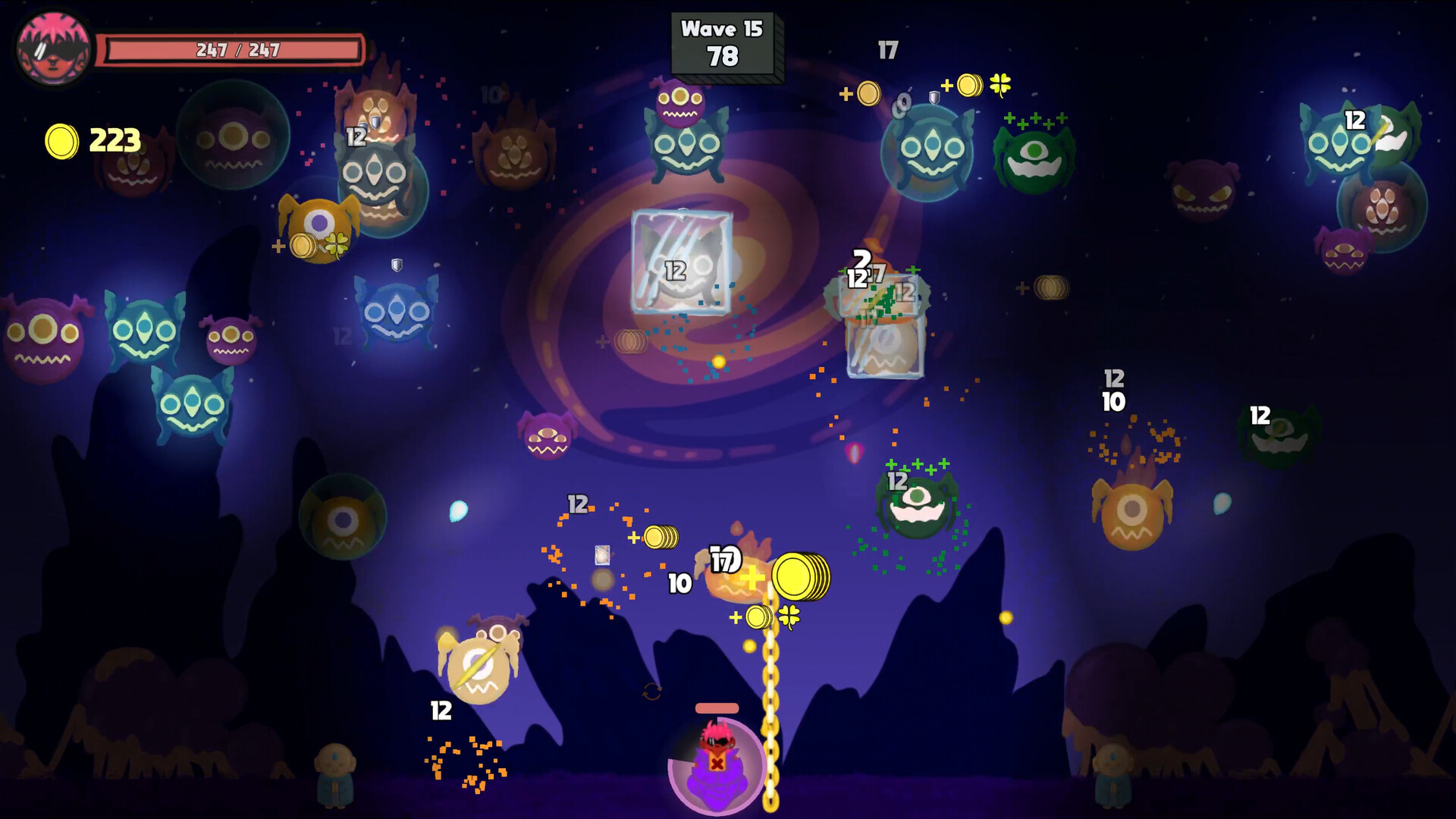
Wave 15 in full chaos, exactly the screen-filling swarm reviewers describe when they mention the game's bullet heaven side kicking into gear.Image: Saidera Studio via Steam -
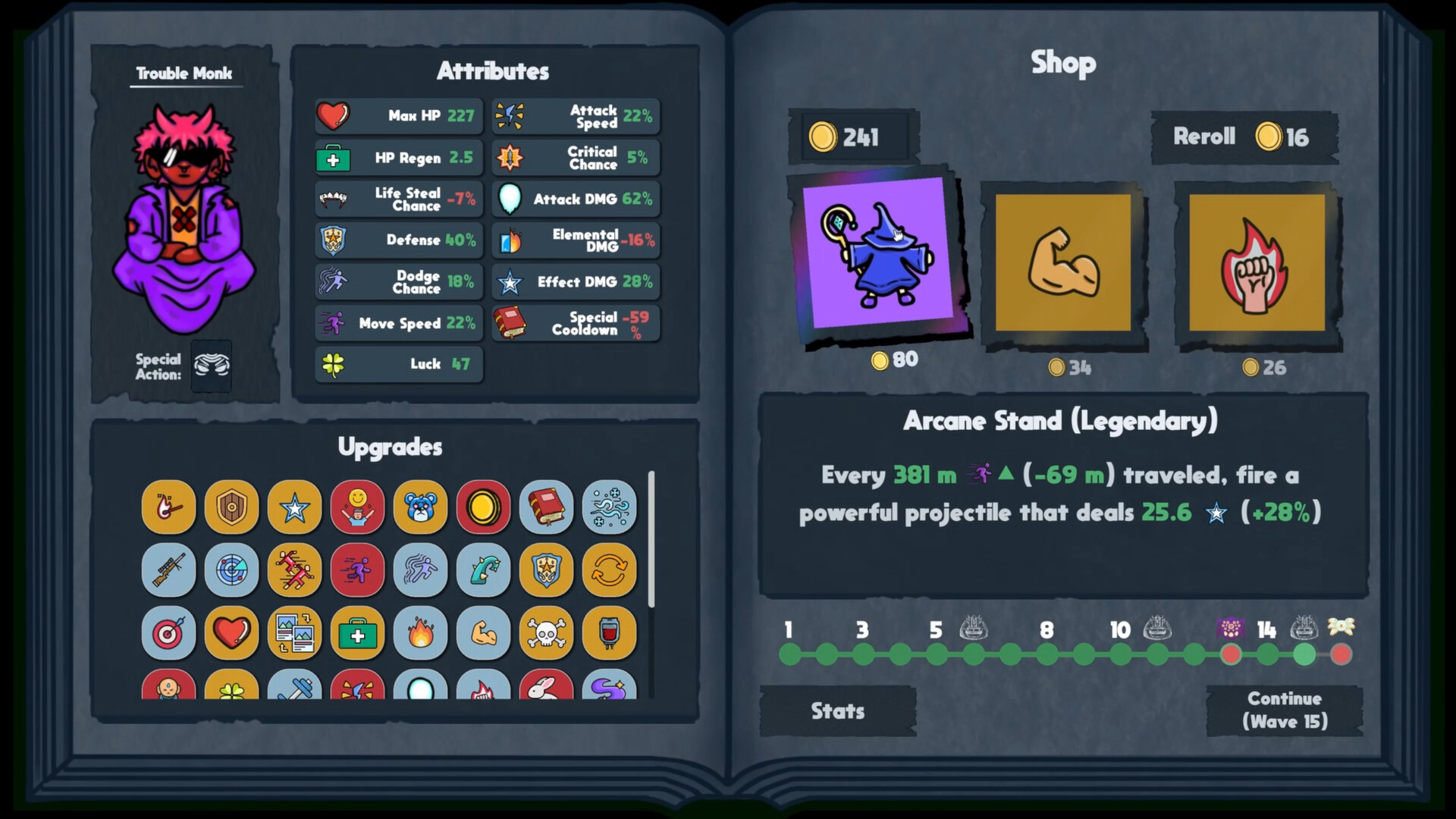
The between-waves shop and stat sheet, where a monk's element-specific attributes and a shop full of build-defining upgrades turn each run into a different strategy.Image: Saidera Studio via Steam -
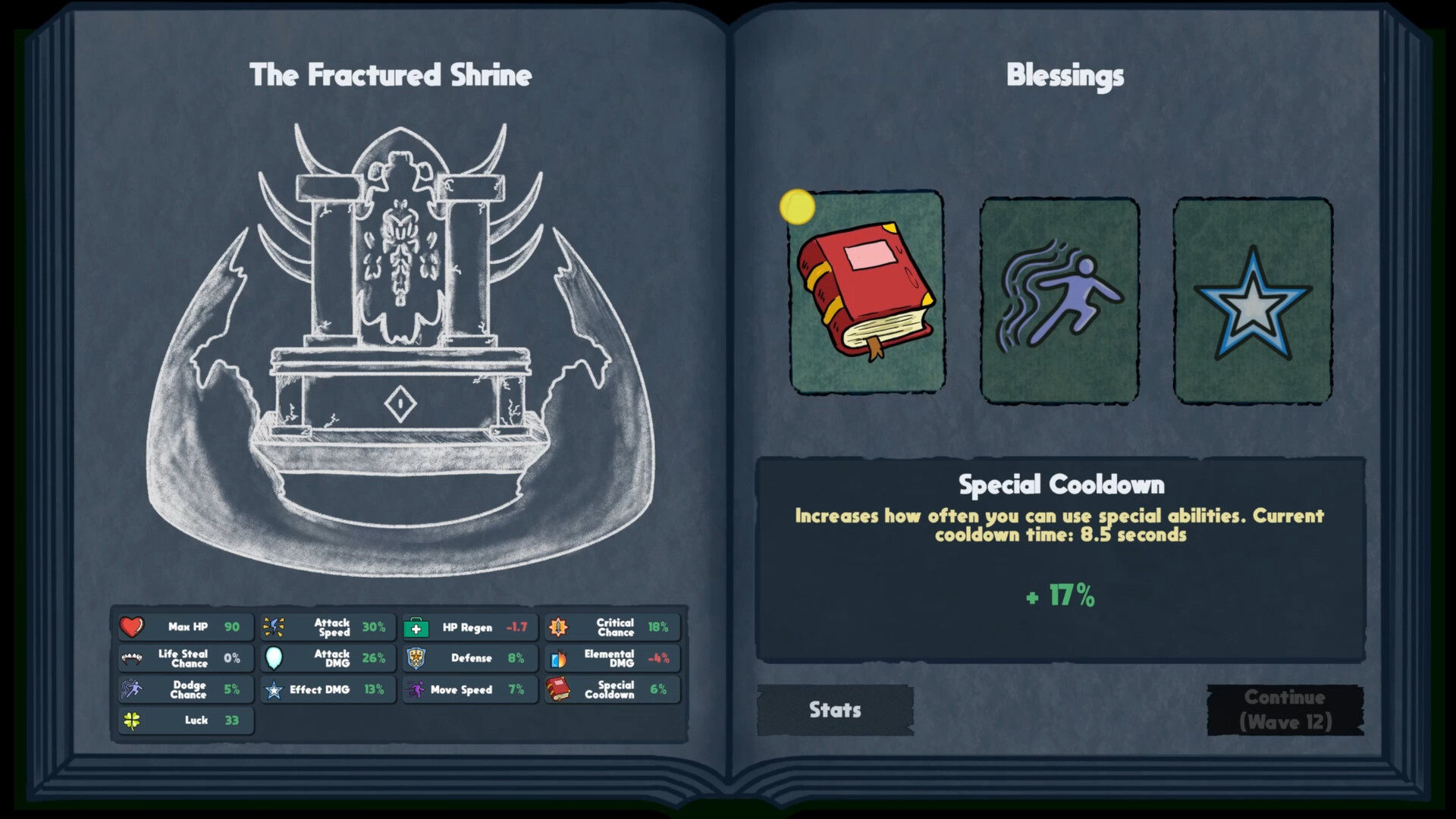
A Blessing choice at the Fractured Shrine, one of several run-altering decision points reviewers cite as evidence of the game's build depth.Image: Saidera Studio via Steam