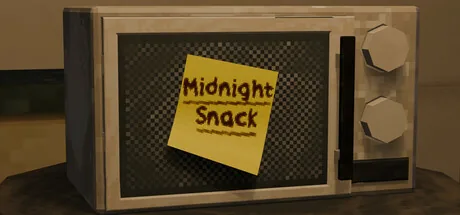
Game review
Midnight Snack
5.5 / 10
- Developer
- Desborde Games
- Publisher
- Desborde Games
- Released
- 2 May 2025
- Platforms
- Windows
- Genre
- Adventure, Indie
- Monetisation
- Free to play. No in-app purchases found at review time.
- Players
- Single-player only.
The short version
Midnight Snack, developed and published by Desborde Games, is a free, deliberately tiny first-person horror game about wandering through a nightmarish forest toward a kitchen, controlled entirely through the dials of a microwave rather than a keyboard or joystick. Much of the review sample praises the concept as genuinely original and unsettling, several reviewers explicitly comparing its atmosphere to janky, beloved PS2-era horror games and calling the microwave-dial movement scheme one of the best examples of its kind they've encountered. But a real, corroborated share of the sample finds the experience too brief and the controls too clunky to leave a lasting impression, with several reviewers describing it more as a polished tech demo than a complete game, and isolated but concrete reports of broken achievements and a hard freeze near the game's climax.
Biggest strengths
- Praised as a "deeply original, experimental game" by one reviewer, who noted the "eerie environment" made them "shiver more than once despite being very short," a sentiment echoed by another who called the visuals and controls' "nightmare-like feeling" genuinely effective.
- Praised specifically for its inventive microwave-dial control scheme, with one reviewer stating flatly it's "one of the best" examples of microwave-dial movement controls they've played, and another describing the controls as "surprisingly intuitive" once understood.
- Praised for evoking a specific, beloved style of low-budget horror, with one reviewer comparing the feel to "those legendary janky ahh ps2 horror games," and another highlighting the "ticks and dings of the microwave" as "cozy and oddly satisfying" sound design.
Biggest weaknesses
- The single most heavily corroborated complaint concerns runtime and depth, with one reviewer stating it's "way too short and gets boring fast," arguing "the game ends before it really does anything interesting," and describing the whole experience as "more like a demo than a full game," a sentiment echoed by a separate reviewer calling it simply "a little bite-sized snack."
- A second, corroborated complaint concerns clunky controls, with one detailed reviewer listing "controls are inconvenient," "lighting is very limited," and "there's no tutorial" as specific flaws, directly pleading with the developer to "please make a longer game" with the concept more fully realized.
- A third complaint concerns isolated but concrete technical breakage, with one reviewer reporting "not a single achievement worked," that "the monster was not a threat," and that the game "turned black and froze there completely" upon reaching the kitchen, ending their playthrough entirely.
Who it's for: Horror fans curious about genuinely experimental, non-jumpscare-driven design who have fifteen spare minutes and no expectations beyond a mood piece; anyone wanting a substantial, fully realized horror experience should treat this strictly as a free curiosity rather than a complete game.
Our recommendation: A genuinely inventive, atmospheric free horror curiosity that delivers real unease in a tiny package, undercut by clunky controls and a runtime some reviewers feel ends just as it gets interesting.
5.5 / 10
A horror game controlled entirely by a microwave
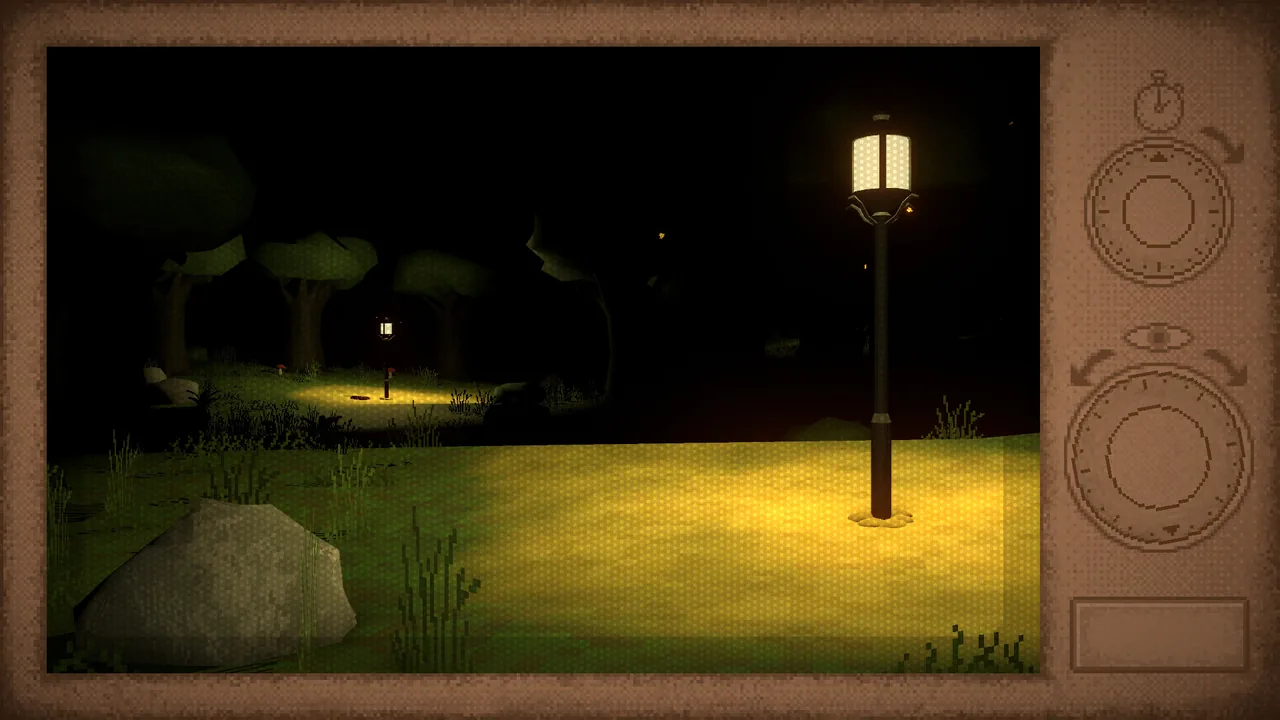
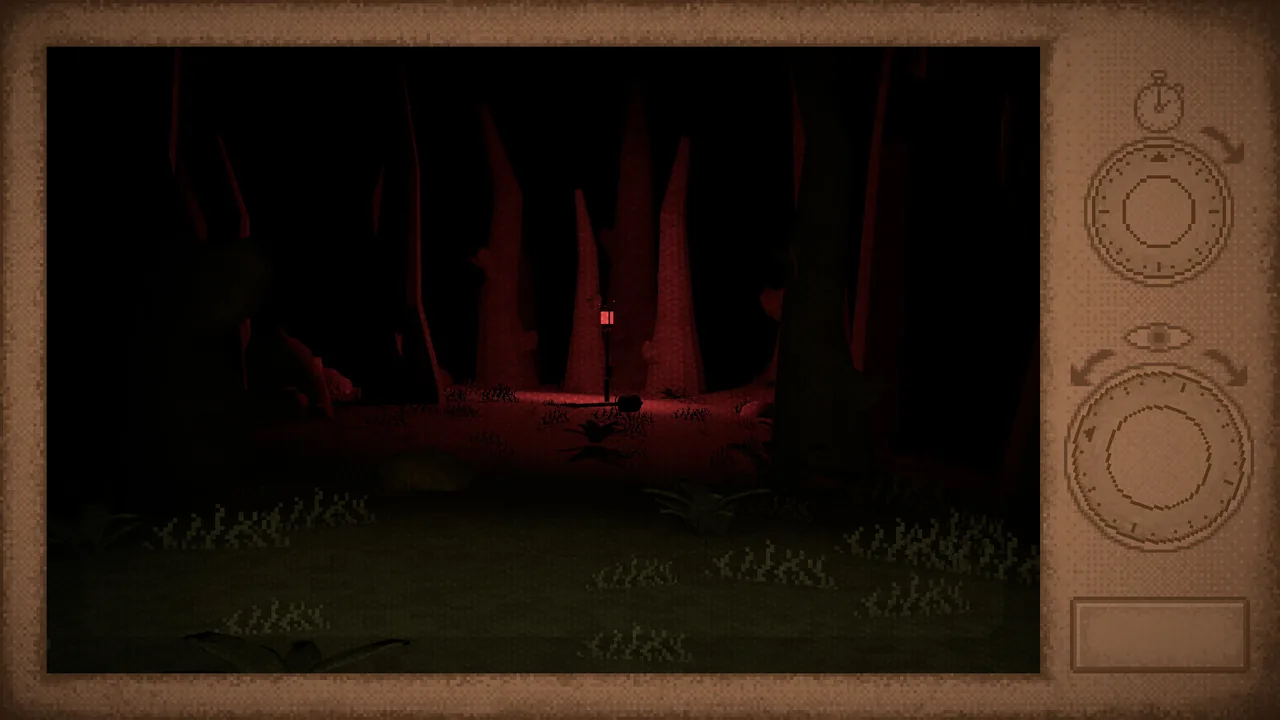
Midnight Snack, released 2 May 2025 by developer and publisher Desborde Games, is a free, deliberately tiny first-person horror game with a genuinely unusual hook: rather than moving with a keyboard or joystick, players walk through a nightmarish forest by setting the timer and power dials of an in-game microwave, using its ticks and dings as both interface and soundtrack. That premise alone drives much of the review sample's enthusiasm, with one reviewer calling it "a deeply original, experimental game" whose "eerie environment made me shiver more than once despite being very short," specifically recommending it as "free and worth your time." Another reviewer frames the same appeal more playfully, opening simply "who knew a microwave could be the center of a gaming experience," before confirming "the controls are surprisingly intuitive; you set the timer to walk forward and adjust the power to turn."
That inventive control scheme earns particularly specific praise from reviewers with apparent familiarity with the wider genre of unconventional-control horror games, one stating plainly that "out of all the games I've played with microwave dial movement controls, Midnight Snack is definitely one of the best," a specific, telling endorsement suggesting the developer executed a genuinely difficult design idea competently even within a niche the reviewer implies already exists. A further reviewer offers a more interpretive reading of the game's small scope, musing "from pizza to literal hearts in a microwave, it might be a metaphor for how our endless wants devour us, or im just trippin, idk," a specific, characteristic response to experimental short-form horror that treats ambiguity as a feature rather than a flaw.
A deliberately unsettling, non-jumpscare atmosphere
Beyond its control gimmick, several reviewers specifically praise the game's tone and pacing, framing its horror as atmospheric and dread-driven rather than reliant on cheap scares. One reviewer states directly it's "not a 'traditional' horror game with cheap jumpscares and so on," praising how the "premise is really fitting" and how the "visuals and controls actually give me nightmare-like feeling, especially later in the game when you desperately want to be more agile," a specific observation connecting the deliberately awkward movement scheme to the game's mounting tension as a pursuing monster appears. Another reviewer corroborates the same structural choice, noting "there are no jumpscares and the horror element mostly comes from having to escape a monster closer to the end," adding that "the ticks and dings of the microwave are cozy and oddly satisfying" right up until they become a genuine source of anxiety.
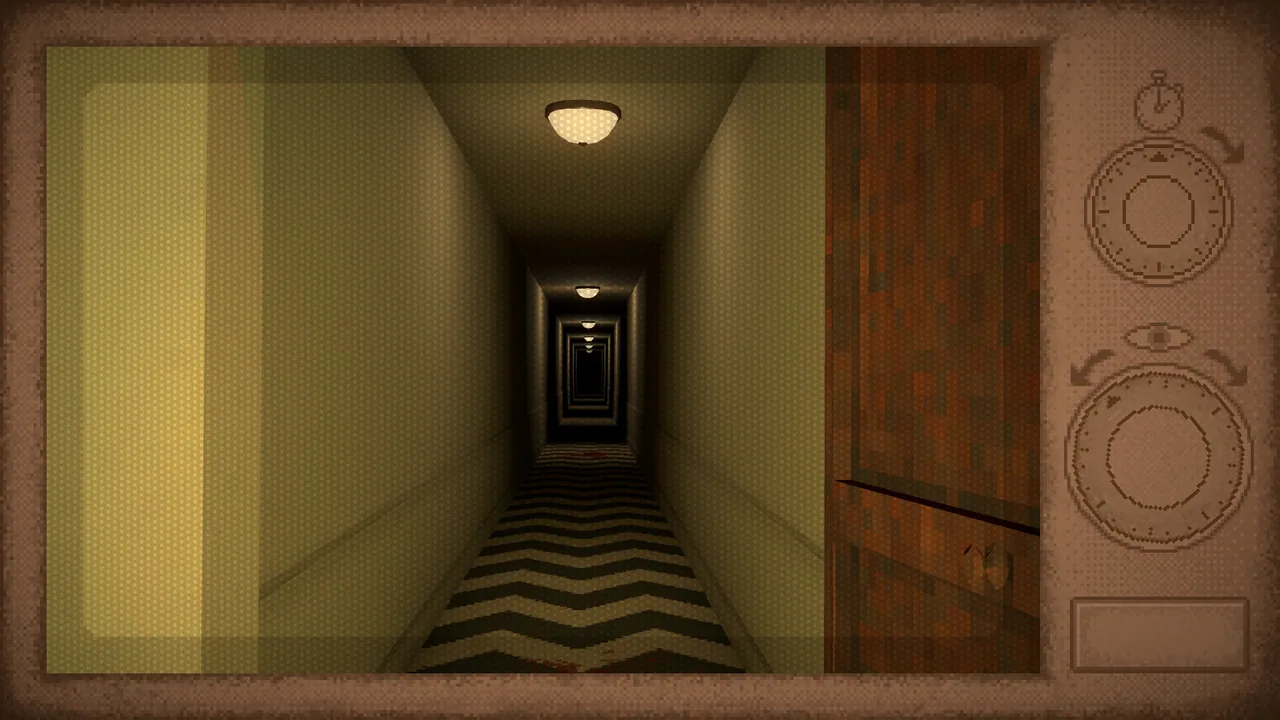
One especially enthusiastic reviewer goes further still, describing the game in explicitly elevated terms as "a transcendent experience" that delivers "something far more profound with a dimly lit hallway, a refrigerator, and a quiet tension that sinks into your bones," specifically praising sound design they call "absolutely immaculate." Whatever one makes of that review's tone, whether read as sincere enthusiasm or knowing hyperbole given the game's inherently silly premise, it reflects a genuine current within the sample: reviewers engaging with the game as a legitimate, if tiny, work of atmospheric horror design rather than dismissing its short length and odd hook outright.
A runtime and clunkiness several reviewers can't get past
Set against that praise, the review sample's most heavily corroborated complaint concerns the game's brevity and the resulting sense of an idea left unfinished. One reviewer states directly the game "isn't terrible, but it's way too short and gets boring fast," adding "the atmosphere is decent and the idea has potential, but the game ends before it really does anything interesting," concluding it "feels more like a demo than a full game." A separate reviewer frames a similar complaint through an extended restaurant metaphor, describing the experience as "a new chef showing you his perfect kitchen with his delicate tools, his delicious ingredients all ready to be used to the recipe he created that looks very promising, right before telling you to go home because the restaurant isn't open," directly requesting the developer "please make a longer game."
That same detailed reviewer pairs the length complaint with a specific list of rough edges, citing "controls are inconvenient," "lighting is very limited," and "there's no tutorial" as concrete flaws undercutting the concept's potential. A separate, harsher reviewer dismisses the experience even more bluntly, calling it "a waste of 10 minutes" and arguing the interface, while "a sweet idea," was "very very poorly used." Combined, these complaints suggest a meaningful share of the sample views the game's short length not as an intentional, well-calibrated design choice but as a symptom of a concept that needed more development time before release.
Isolated but concrete technical breakage
A final, smaller complaint concerns outright technical breakage reported by at least one detailed reviewer, distinct from the broader clunkiness complaints above. That reviewer reports "not a single achievement worked" during their playthrough, that "the monster was not a threat" and functioned "more of a hiking buddy than anything else" rather than a genuine threat, and most seriously, that upon reaching the kitchen "the screen turned black and froze there completely," ending their session without a proper conclusion. While this appears to be an isolated report rather than a widely corroborated pattern, its specificity, three separate, concrete technical failures within a single short playthrough, suggests real, unresolved instability affecting at least some players' launch experience, worth flagging even without independent corroboration given the severity of a complete progression-blocking freeze.
Verdict
Midnight Snack is, by its own review sample's account, a genuinely inventive, atmospheric free horror curiosity built around a control scheme few other games attempt, successfully delivering real unease within an extremely small package for reviewers willing to meet it on its own terms. But its brevity, clunky execution, and at least one concrete report of game-breaking instability leave a real share of its audience wanting substantially more than what shipped, several explicitly framing the release as a promising tech demo rather than a finished experience. Horror fans curious about genuinely experimental design with a spare fifteen minutes and no expectations beyond a quick mood piece should find it worth the download at no cost; anyone hoping for a substantial horror experience should treat this strictly as a curiosity rather than a destination.
Pros and cons
Pros
- Praised as a "deeply original, experimental game" by one reviewer, who noted the "eerie environment" made them "shiver more than once despite being very short," a sentiment echoed by another who called the visuals and controls' "nightmare-like feeling" genuinely effective.
- Praised specifically for its inventive microwave-dial control scheme, with one reviewer stating flatly it's "one of the best" examples of microwave-dial movement controls they've played, and another describing the controls as "surprisingly intuitive" once understood.
- Praised for evoking a specific, beloved style of low-budget horror, with one reviewer comparing the feel to "those legendary janky ahh ps2 horror games," and another highlighting the "ticks and dings of the microwave" as "cozy and oddly satisfying" sound design.
Cons
- The single most heavily corroborated complaint concerns runtime and depth, with one reviewer stating it's "way too short and gets boring fast," arguing "the game ends before it really does anything interesting," and describing the whole experience as "more like a demo than a full game," a sentiment echoed by a separate reviewer calling it simply "a little bite-sized snack."
- A second, corroborated complaint concerns clunky controls, with one detailed reviewer listing "controls are inconvenient," "lighting is very limited," and "there's no tutorial" as specific flaws, directly pleading with the developer to "please make a longer game" with the concept more fully realized.
- A third complaint concerns isolated but concrete technical breakage, with one reviewer reporting "not a single achievement worked," that "the monster was not a threat," and that the game "turned black and froze there completely" upon reaching the kitchen, ending their playthrough entirely.
Screenshots
-
Midnight SnackImage: Desborde Games via Steam -
Midnight SnackImage: Desborde Games via Steam -
Midnight SnackImage: Desborde Games via Steam -
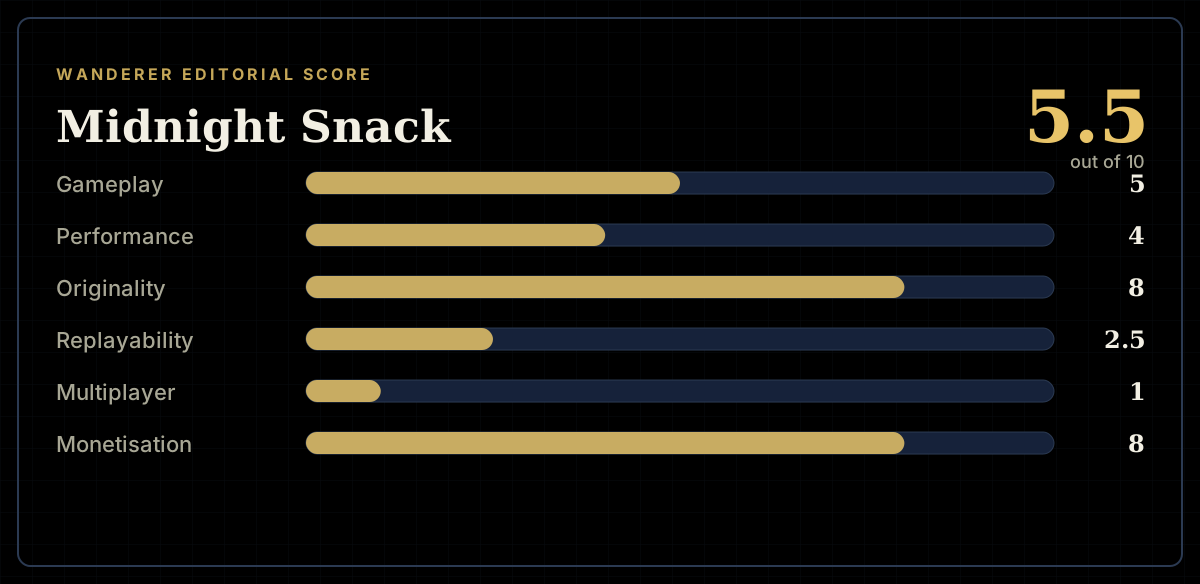
How the review scores each part of the gameWanderer Editorial -
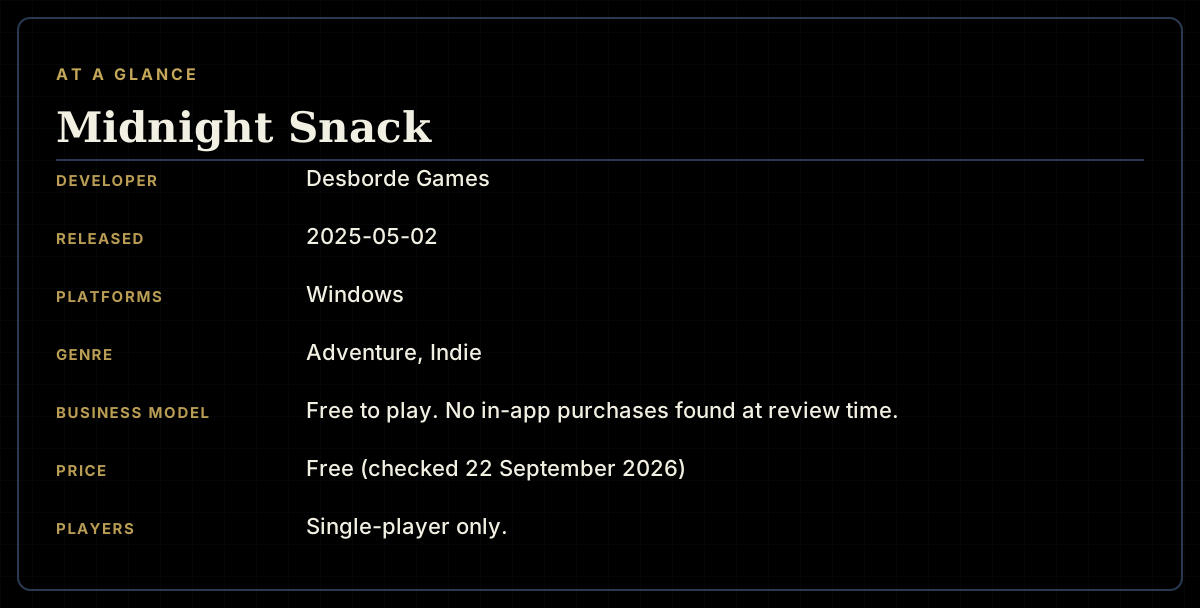
Key facts at a glanceWanderer Editorial -
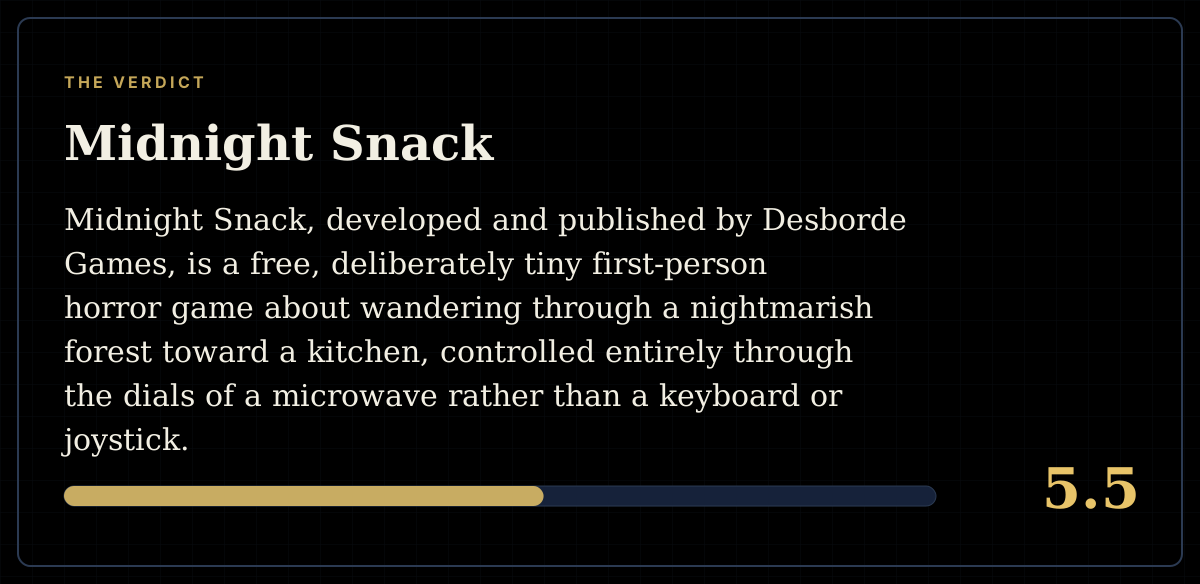
The short versionWanderer Editorial