Game review
MARVEL Tōkon: Fighting Souls
6.5 / 10
- Developer
- ARC SYSTEM WORKS CO., LTD
- Publisher
- PlayStation Publishing LLC
- Released
- 6 August 2026
- Platforms
- Windows, PlayStation 5
- Genre
- Fighting
- Monetisation
- NZ$124.95 base game, plus a NZ$56.95 Year 1 Character and Stage Pass and separate Ultimate/Deluxe edition upgrades bundling cosmetics
- Players
- Online and local PvP, cross-play between PC and PlayStation 5
The short version
MARVEL Tōkon: Fighting Souls is a 4v4 tag-team fighter built by Arc System Works — the studio behind Guilty Gear and BlazBlue — under PlayStation Publishing, assembling a roster that already includes Green Goblin, Deadpool and Blade among twenty launch characters. Reviewers who can run it cleanly describe genuinely excellent fighting-game design: fast pacing, deep tag mechanics, and a cast the Marvel fighting-game community has wanted for years. A week after its 6 August 2026 launch it sits at Mixed, close to a coin flip between positive and negative.
The split isn't really about the game. It's about what Sony wrapped around it. The PC release has no SteamOS or Linux support of any kind — flagged during the Open Beta in July and still unresolved at launch — runs Easy Anti-Cheat alongside a separate anti-tamper layer and multiple instances of PlayStation's own PC SDK simultaneously, and requires linking a PSN account even for players who bought the game entirely through Steam. A 10 August patch addressed some of the resulting CPU overhead and frame-rate problems; recent review sentiment, checked two days after that patch, is essentially unchanged from launch.
Biggest strengths
- The core 4v4 tag-team fighting system draws deep, specific praise from experienced players, with reviewers logging 20-plus hours calling the mechanics and pacing genuinely excellent
- A launch roster of twenty characters includes several the fighting-game community has specifically wanted in a Marvel title for years, cited by name in multiple reviews (Green Goblin and Deadpool among them)
- Arc System Works' presentation — animation, character models, stage design — draws consistent praise even from reviewers who can't recommend the release overall because of its technical problems
Biggest weaknesses
- No Linux, SteamOS, Steam Deck or Steam Machine support exists at any level — the game will not launch on these platforms because of how its anti-cheat is configured, a limitation flagged publicly during the July Open Beta and still present at review time
- A PSN account link is required to play on PC even for players who purchased entirely through Steam, the same category of complaint that drove a well-documented backlash against Helldivers 2's account requirement
- Multiple redundant background services — Easy Anti-Cheat, a separate anti-tamper layer, and several concurrent instances of PlayStation's PC SDK — are repeatedly named by reviewers as the direct cause of high CPU usage and inconsistent frame rates, independent of whether a system meets the stated requirements
Who it's for: Fighting game fans specifically excited for a Marvel tag-team title with real depth, who are on Windows 11, comfortable linking a PSN account, and running hardware well above the stated minimum. Not for Linux, SteamOS or Steam Deck players under any circumstances — the game will not launch for them at all.
Our recommendation: If you're on a capable Windows PC and don't object to the PSN requirement, this is a genuinely strong new fighting game worth playing, ideally after checking recent patch notes for how far performance has come since launch. If you're on Linux, SteamOS or Steam Deck, there is currently no way to play this game at all, and no announced timeline to change that.
6.5 / 10
Introduction
Arc System Works has spent two decades building some of the best-regarded fighting games on the market — Guilty Gear, BlazBlue, Granblue Fantasy Versus — and MARVEL Tōkon: Fighting Souls is the studio's biggest swing yet: a 4v4 tag-team fighter built around a Marvel roster, published by PlayStation Publishing. It released 6 August 2026, and by every account from players who can actually get it running cleanly, the fighting game underneath is excellent. It also, a week later, sits at a Mixed 47.2% among English reviews — a split this review's research finds is overwhelmingly about decisions Sony made around the game rather than the game Arc System Works built.
A fighter reviewers who can play it are genuinely excited about
Set the platform issues aside for a moment, because the sample this review read contains real, detailed enthusiasm for the fighting game itself. One reviewer with over 25 hours logged called it simply "gas." Another, running the game at very playable frame rates on what they describe as average hardware, said "I have about average pc specs" while praising the roster directly — "I can't tell you how long I've been waiting to use Green Goblin in a fighting game." A more structured review scored it explicitly: "Gameplay & Content: 9/10," going on to praise the tag mechanics, character variety and pacing in detail before pivoting to the platform complaints that made the same reviewer recommend skipping the purchase entirely for certain players. That combination — a high individual component score paired with an overall thumbs-down — recurs often enough in this sample to be the review's clearest single finding: this isn't a case of players disliking the game and inventing technical excuses. The praise for the fighting itself is specific, detailed, and comes from reviewers who otherwise can't recommend buying it.
What players are actually describing
Report the artefacts precisely, because that's what a review corpus can actually verify. The single most-repeated complaint in this sample, by a wide margin, concerns platform support: MARVEL Tōkon: Fighting Souls has no SteamOS, Linux, Steam Deck or Steam Machine support at all, because of how its anti-cheat is configured. This isn't a launch-week surprise — it was reported publicly during the Open Beta in mid-July, more than two weeks before release, and remained unresolved at launch. "There is precedent of every (non riot) fighting game working on Linux, there is precedent of ArcSys games working great on Linux, as well as Sony published games working on Linux," reads the most-upvoted negative review in the entire sample, with over 1,600 votes. Reviewers repeatedly point to Marvel Rivals — another current Marvel-licensed, EAC-protected online game — as proof that the same anti-cheat vendor can support Linux when a developer enables it, which sharpens the complaint from "a technical limitation" to "a choice."
The second major cluster concerns account requirements. Multiple reviewers describe having to link a PlayStation Network account to play on PC even though they purchased the game entirely through Steam, several drawing the comparison explicitly: "Forcing PSN login even on steam user (helldivers fiasco all over again)." This review won't re-litigate that earlier controversy here, but the pattern-recognition is the players' own, made independently and repeatedly across this sample rather than something this review is asserting.
The third cluster is performance, and it's the most technically specific of the three. Reviewers consistently name the same set of background processes as the direct cause of high CPU usage and inconsistent frame rates: Easy Anti-Cheat, a separate anti-tamper layer, and — repeatedly — multiple simultaneous instances of PlayStation's own PC SDK. "8 Instances of Sony's SDK will run in the background while playing," wrote one reviewer with nearly a thousand upvotes; another counted the same overhead differently but reached the same conclusion: "my CPU is constantly maxed out by Sony's services and the stupid anti-cheat." Crucially, this doesn't appear to be a simple case of under-spec hardware — reviewers report wildly different results on comparable systems, with some running smoothly on modest laptops while others struggle on rigs well above the stated minimum. This review can't audit what's actually happening under the hood, and won't speculate beyond what's reported, but the inconsistency itself is a fair thing to flag: a prospective buyer currently has no reliable way to predict which experience they'll get.
A publisher pattern, not an isolated incident
This is the third time this library has documented the same shape of complaint against a PlayStation-published PC release. Marvel's Spider-Man 2 drew criticism for its PlayStation PC SDK installing without a clear prompt or opt-out; Ghost of Tsushima carried a related complaint about the same runtime. MARVEL Tōkon: Fighting Souls adds a harder platform exclusion on top of the same underlying SDK pattern — not just unwanted background software, but a total lockout for an entire category of PC and handheld players. Whatever the technical justification, the recurrence across three separate PlayStation Publishing PC releases in this library's coverage is worth naming plainly rather than treating each instance as an unrelated coincidence.
The response so far
To the developer's credit, this isn't a story of silence. A "PC Performance Fixes Post Open Beta" post on 1 August promised day-one improvements to CPU usage, frame drops and rollback netcode ahead of the 6 August launch, and a substantive patch on 10 August followed through on specific, named fixes: reduced CPU usage during startup, elimination of unnecessary periodic audio-device checks that were causing sudden frame drops, and fixes for resolution-specific frame-rate issues. That's real, verifiable engineering work, not a vague promise. What it hasn't yet done, checked against the 100 most recent English reviews two days after that patch landed, is move the overall sentiment needle — 49% of that recent sample is positive, statistically indistinguishable from the 47.2% lifetime figure. The most plausible reading, based on what reviewers describe, is that the 10 August patch addressed real performance issues without touching the two complaints driving the most votes: the total platform exclusion and the account requirement, neither of which a performance patch can fix.
Value, on top of everything else
None of the above happens in a vacuum against price. MARVEL Tōkon: Fighting Souls launched at NZ$124.95, premium even by current fighting-game standards, with a separate Year 1 Character and Stage Pass listed at NZ$56.95 covering four additional post-launch characters and a stage — content the store page states won't be fully delivered until December 2027. Buying in fully, base game plus season pass, runs past NZ$180 before any cosmetic-focused edition upgrades. That's a defensible structure for a fighting game with genuine long-term ambitions, and this review isn't characterising it as predatory — but it raises the stakes considerably on getting the platform and performance questions right, and right now, for a meaningful share of buyers, that isn't happening.
Final Verdict
MARVEL Tōkon: Fighting Souls is, by the account of players who can actually run it well, one of the more interesting fighting games to release this year — deep tag mechanics, a roster the Marvel fighting-game community has wanted for a long time, and the animation and design polish Arc System Works is known for. None of that is in serious dispute in this review's research. What's keeping the score down is everything wrapped around it: a total, unresolved platform exclusion for Linux, SteamOS and Steam Deck players that was known before launch and remains true today; a PSN account requirement that's drawing the exact comparison this industry has seen blow up before; and performance that remains genuinely unpredictable a week and one substantial patch into its life, on hardware that in many cases exceeds what the game asks for. If you're on Windows, comfortable with a PSN account, and your hardware happens to cooperate, this is a strong recommendation. For everyone else, the honest advice is to wait and watch whether Sony addresses the platform exclusion specifically — a performance patch, however real, was never going to be the fix for that.
Pros and cons
Pros
- The core 4v4 tag-team fighting system draws deep, specific praise from experienced players, with reviewers logging 20-plus hours calling the mechanics and pacing genuinely excellent
- A launch roster of twenty characters includes several the fighting-game community has specifically wanted in a Marvel title for years, cited by name in multiple reviews (Green Goblin and Deadpool among them)
- Arc System Works' presentation — animation, character models, stage design — draws consistent praise even from reviewers who can't recommend the release overall because of its technical problems
- The developer responded to Open Beta and launch feedback with a substantive 10 August patch targeting specific, named performance causes (audio-processing overhead, startup CPU spikes, resolution-specific frame drops)
- Reviewers with capable, recent hardware report the game runs well for them, suggesting the underlying engine is not fundamentally broken so much as poorly optimised against its own background service overhead
Cons
- No Linux, SteamOS, Steam Deck or Steam Machine support exists at any level — the game will not launch on these platforms because of how its anti-cheat is configured, a limitation flagged publicly during the July Open Beta and still present at review time
- A PSN account link is required to play on PC even for players who purchased entirely through Steam, the same category of complaint that drove a well-documented backlash against Helldivers 2's account requirement
- Multiple redundant background services — Easy Anti-Cheat, a separate anti-tamper layer, and several concurrent instances of PlayStation's PC SDK — are repeatedly named by reviewers as the direct cause of high CPU usage and inconsistent frame rates, independent of whether a system meets the stated requirements
- Performance is inconsistent even among players who meet or exceed minimum specifications, making it genuinely difficult for a prospective buyer to predict their own experience in advance
- Sentiment in the 100 most recent English reviews, checked two days after the 10 August performance patch, remains close to 50/50 — almost unchanged from the lifetime figure, meaning the patch has not yet visibly moved the needle on reception
Screenshots
-
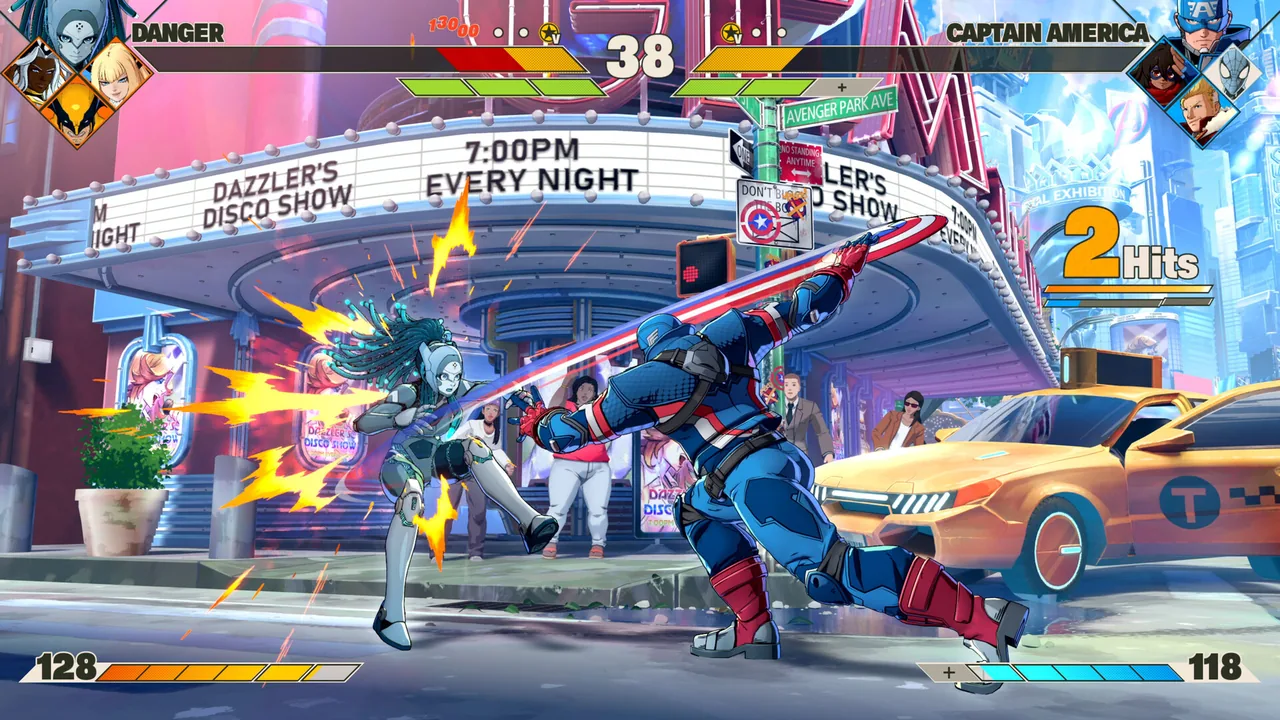
MARVEL Tōkon: Fighting SoulsImage: PlayStation Publishing LLC via Steam -
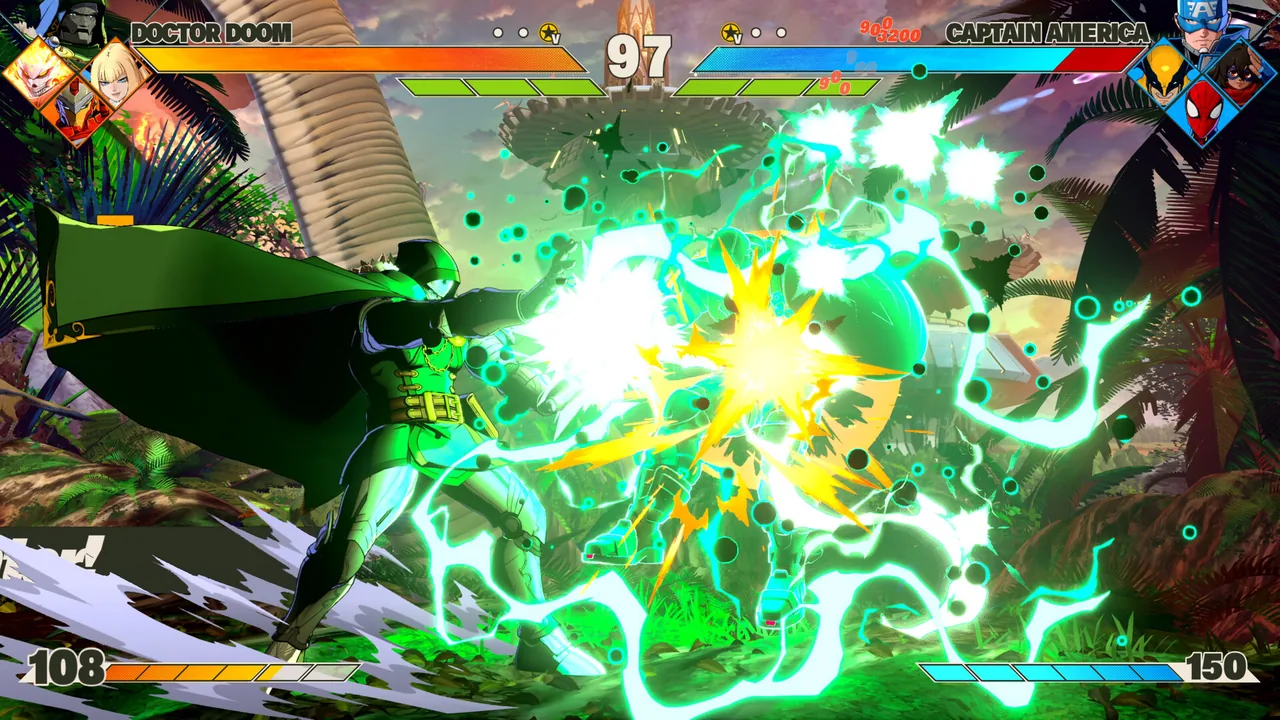
MARVEL Tōkon: Fighting SoulsImage: PlayStation Publishing LLC via Steam -
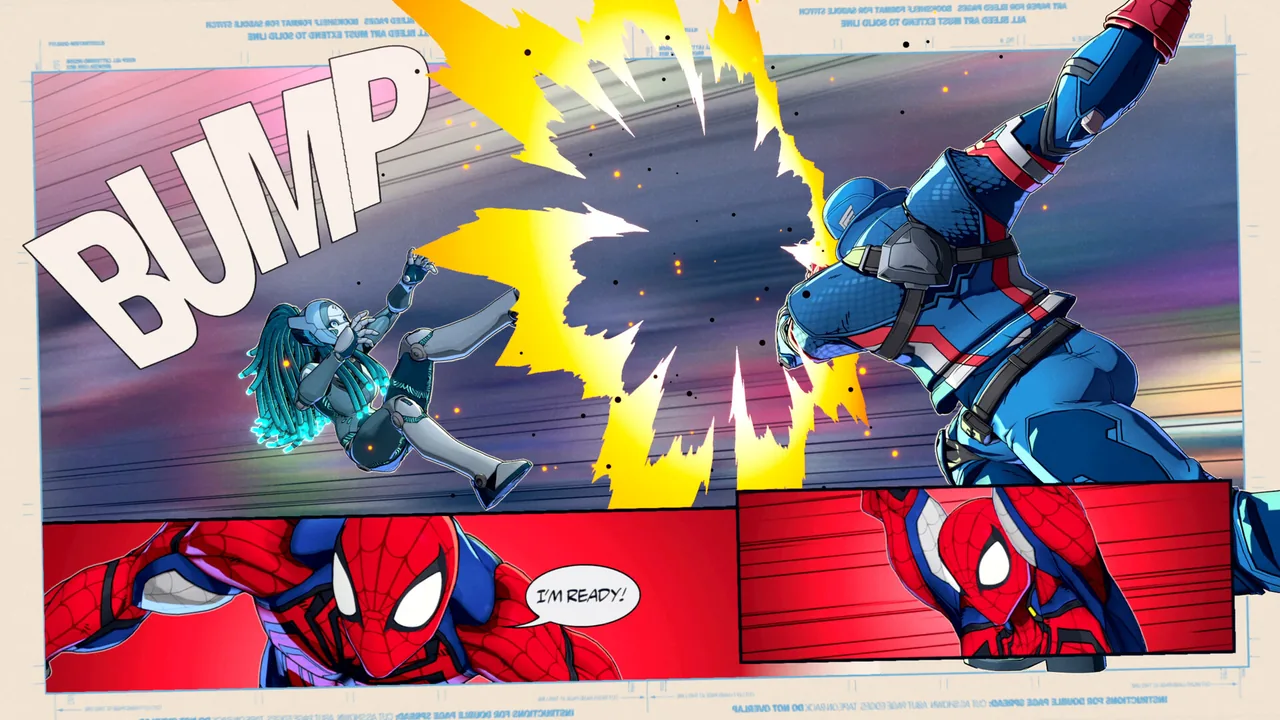
MARVEL Tōkon: Fighting SoulsImage: PlayStation Publishing LLC via Steam -
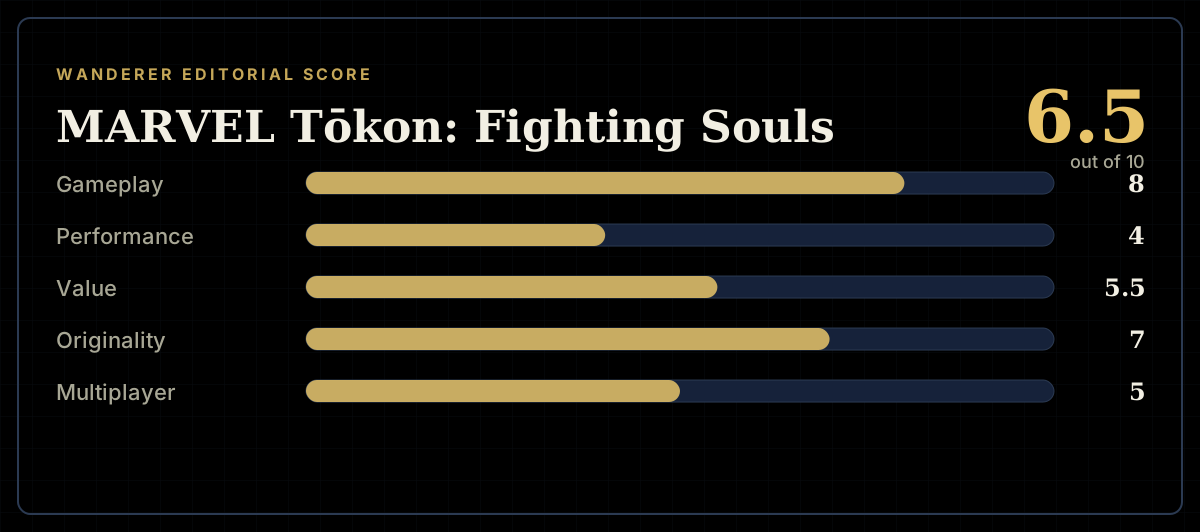
How the review scores each part of the gameWanderer Editorial -
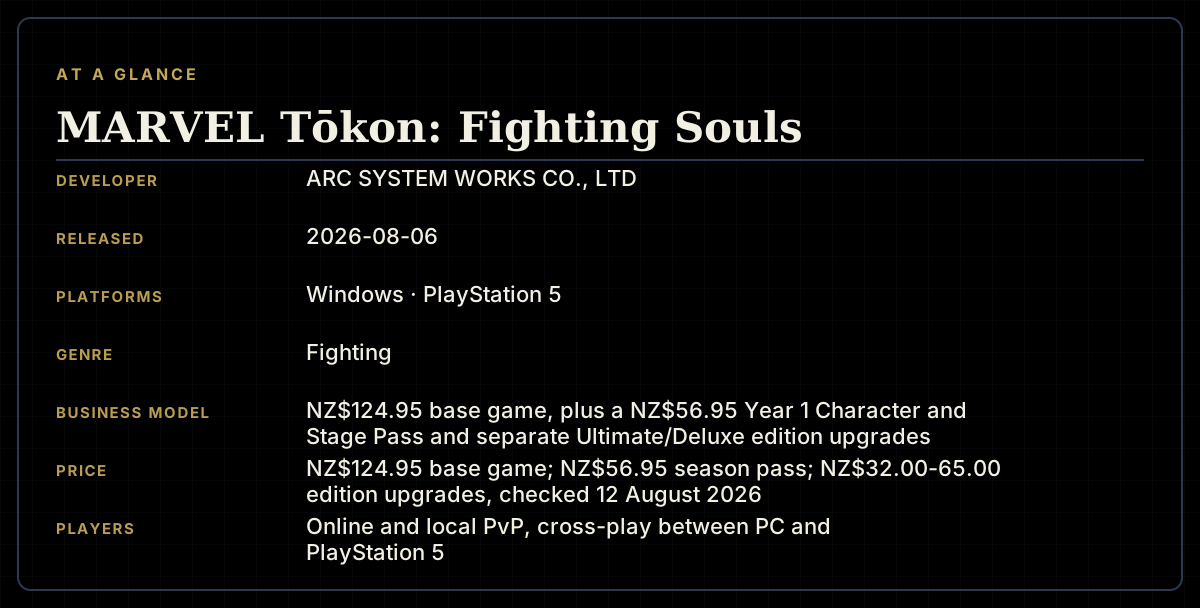
The essentials at a glanceWanderer Editorial -
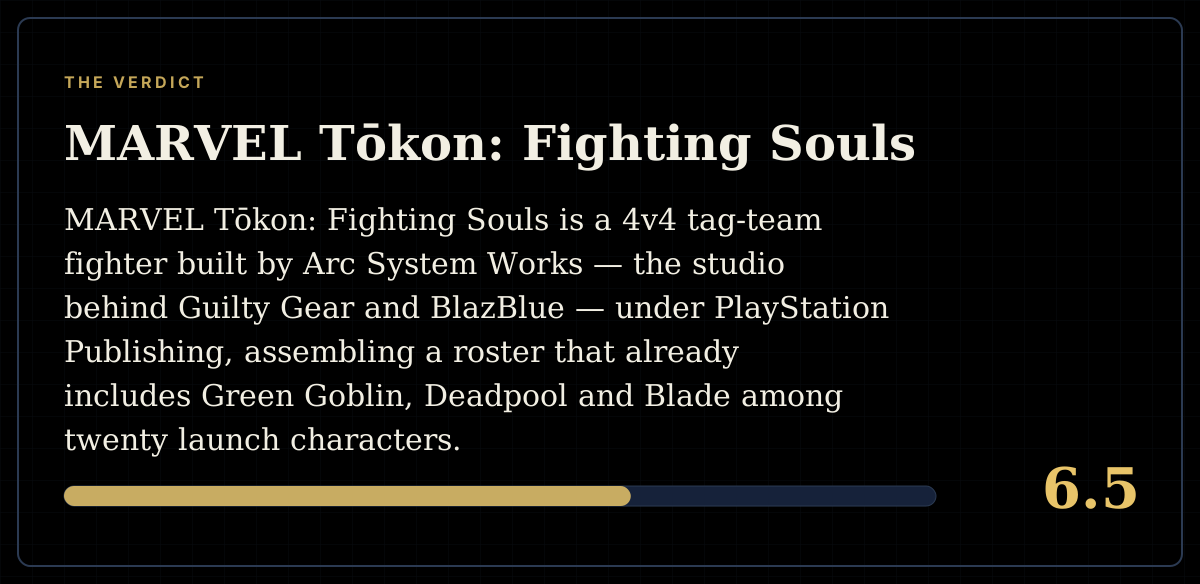
The short versionWanderer Editorial