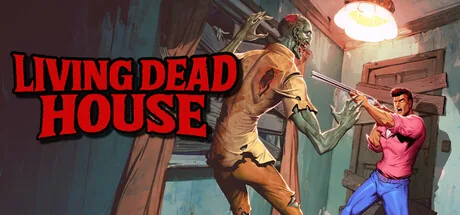
Game review
Living Dead House Review: A Pitch-Perfect Single-Screen Arcade Throwback
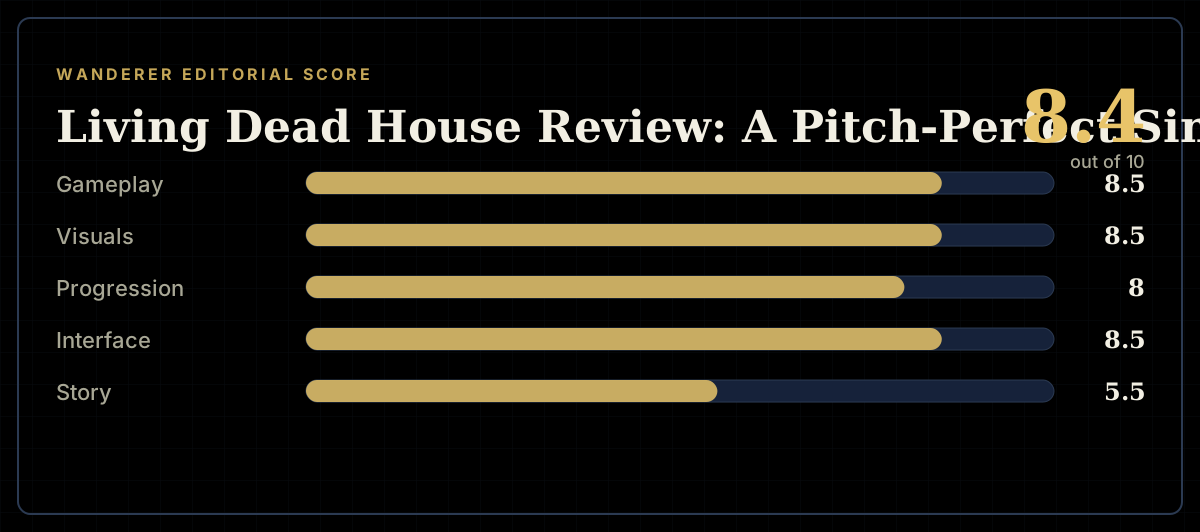
8.4 / 10
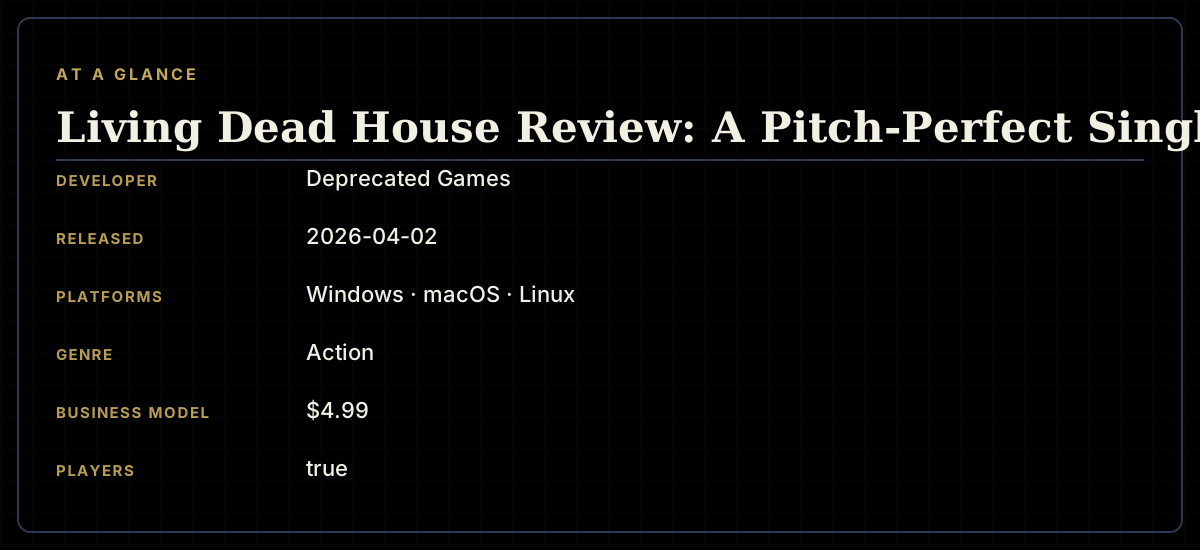
- Developer
- Deprecated Games
- Publisher
- Deprecated Games
- Released
- 2 April 2026
- Platforms
- Windows, macOS, Linux
- Genre
- Action
- Monetisation
- $4.99
- Players
- true
The short version
Living Dead House is a small, sharply polished single-screen arcade game that reviewers consistently describe as an addictive, genre-literate throwback — Burgertime and Bubble Bobble filtered through a zombie-horror theme — with catchy music, tight two-player co-op, and exactly the 'one more run' pull it's aiming for.
Biggest strengths
- A tightly designed single-screen survival loop that reviewers repeatedly compare to genre touchstones like Burgertime, Bubble Bobble, Snow Bros, Tumblepop, and Pac-Man, executed with real polish
- Two distinct modes — a staged Arcade mode and an endurance-focused Survival mode — each with global and local leaderboards, giving the score-chase hook real structure
- A widely praised, catchy soundtrack that reviewers describe as evocative of Commodore 64-era games, and sharp, characterful pixel art
Biggest weaknesses
- At least one reviewer notes the soundtrack becomes 'a little grating' over longer sessions, a specific dissent within an otherwise unanimously praised score
- One detailed, thoughtful review specifically wishes for more stages and further exploration of enemy and power-up variety, feeling the game's polished foundation could support more content than the modest price point currently delivers
- A small review sample (24 reviews at time of writing) means this assessment, while unanimous, rests on a genuinely limited evidence base
Who it's for: An easy recommendation for fans of classic single-screen arcade games looking for a short, budget-priced, genuinely polished score-chase experience, solo or with a co-op partner; less suited to players wanting a lengthy campaign or a story-driven experience.
Our recommendation: Recommend
8.4 / 10
Survive until dawn, one screen at a time
Living Dead House puts one or two players inside an abandoned house under siege by waves of the undead pouring in through doors and windows, armed with an arsenal of weapons and survival items that spawn randomly across the single-screen map. The pitch is simple and unapologetically retro: outlast the night, climb the leaderboard, and do it again. Two modes structure that loop differently — Arcade mode progresses through discrete staged waves, while Survival mode is a pure endurance test — and both track scores on separate global and local leaderboards.
A genre pedigree reviewers recognize immediately
What comes through most clearly across the review sample is how confidently the game wears its influences. Reviewers repeatedly and independently name the same cluster of single-screen arcade classics — Burgertime, Bubble Bobble, Snow Bros, Tumblepop, Pac-Man — as clear touchstones, with one reviewer summarizing the whole experience succinctly as "Burgertime meets Evil Dead." Rather than reading as derivative, that recognition is consistently framed as a compliment: reviewers describe the execution as polished enough to stand alongside the games it's drawing from, not just imitate them.
The "one more run" hook, delivered honestly
Nearly every review in the sample independently arrives at some version of the same core praise: the game is genuinely, repeatedly addictive in the specific way classic arcade games are meant to be. Multiple reviewers describe sessions that ran far longer than intended, and several specifically frame the appeal in terms of self-improvement and score-chasing rather than narrative pull, with more than one reviewer explicitly noting they don't normally engage with leaderboards but found themselves drawn into competing anyway. That's a difficult, specific feeling for a game to earn honestly, and its consistent recurrence across otherwise unrelated reviews is a meaningfully strong signal.
Music and pixel art reviewers keep bringing up unprompted
Presentation earns specific, repeated praise beyond just "looks good" — reviewers consistently single out the soundtrack, with comparisons to Commodore 64-era game music, and describe the pixel art as sharp and full of character, down to small details like how the zombies are individually dressed. That said, the praise isn't entirely uniform: at least one reviewer notes the music becomes "a little grating" during longer sessions, a specific, credible dissent worth including alongside the otherwise consistent enthusiasm.
Co-op that reviewers say actually works
Two-player local co-op earns specific praise rather than being treated as an afterthought. One reviewer highlights learning to split tasks efficiently between players — and the specific, very concrete hazard of accidentally hitting a teammate with a shotgun blast — as part of what makes cooperative runs genuinely engaging rather than just doubling the character count. Multiple reviewers mention playing specifically with children or family members, describing the format as approachable and rewarding for less experienced players alongside more dedicated ones — including reviewers who separately own the game on its standalone Nintendo Switch release outside Steam and bought the Steam version again specifically to chase its own achievement list.
What holds it back from a perfect score
The most substantive critical note in the sample comes from a reviewer who otherwise recommends the game enthusiastically but specifically wishes for more stages and further exploration of the game's enemy and power-up variety, feeling the strong foundation on display could support meaningfully more content. That reviewer explicitly frames the modest asking price as fair for what's currently offered, but the wish for more scope is a fair, specific data point rather than a vague complaint. A separate reviewer singles out a specific dynamite-carrying zombie type as a particularly frustrating threat, though this reads more as normal difficulty friction than a design flaw.
A small sample, but a remarkably consistent one
With 24 reviews at time of writing, the evidence base here is objectively thin by raw count, and that's worth stating plainly. What earns confidence despite the small number is the consistency and detail: every single review is positive, several are long and specific rather than one-line endorsements, and the same handful of praised elements — genre pedigree, addictiveness, music, co-op — recur independently across reviewers with no apparent coordination.
A small studio building on a track record
Several reviewers explicitly frame Living Dead House as evidence of a small developer that already knows what it's doing, with one reviewer noting the studio has "proven across two games that they know what makes a game enjoyable" and another referencing a prior title by name while looking forward to its sequel. That context matters for reading the review sample accurately: this isn't a first-time team's rough debut earning generous benefit-of-the-doubt scores, but a follow-up effort from a studio reviewers already trusted going in, which makes the near-unanimous specific praise for its polish read as a genuinely earned assessment rather than goodwill extended to a promising newcomer.
A budget price that reviewers repeatedly call a steal
Value comes up unprompted across a striking number of reviews, with multiple reviewers independently describing the price as a "no-brainer" or "steal" relative to how much play time and replayability they got out of it. That kind of repeated, specific value framing — rather than a single generic "worth it" line — suggests the price-to-content ratio is a genuine strength reviewers noticed on their own rather than something the game's marketing pushed them toward.
Verdict
Living Dead House is a small, confidently executed single-screen arcade throwback that earns its comparisons to genre classics rather than just borrowing their aesthetic. Its polished score-chase loop, catchy soundtrack, and genuinely engaging co-op make it an easy recommendation at its budget price, with the honest caveat that more content would only strengthen an already-strong foundation.
Pros and cons
Pros
- A tightly designed single-screen survival loop that reviewers repeatedly compare to genre touchstones like Burgertime, Bubble Bobble, Snow Bros, Tumblepop, and Pac-Man, executed with real polish
- Two distinct modes — a staged Arcade mode and an endurance-focused Survival mode — each with global and local leaderboards, giving the score-chase hook real structure
- A widely praised, catchy soundtrack that reviewers describe as evocative of Commodore 64-era games, and sharp, characterful pixel art
- Genuinely enjoyable two-player local co-op, including on its separately available Nintendo Switch port, with reviewers specifically noting the value of splitting tasks and coordinating item pickups with a partner
Cons
- At least one reviewer notes the soundtrack becomes 'a little grating' over longer sessions, a specific dissent within an otherwise unanimously praised score
- One detailed, thoughtful review specifically wishes for more stages and further exploration of enemy and power-up variety, feeling the game's polished foundation could support more content than the modest price point currently delivers
- A small review sample (24 reviews at time of writing) means this assessment, while unanimous, rests on a genuinely limited evidence base
- A specific enemy type — the dynamite-carrying zombie — draws pointed frustration from at least one reviewer as a particularly punishing threat to deal with
Screenshots
-
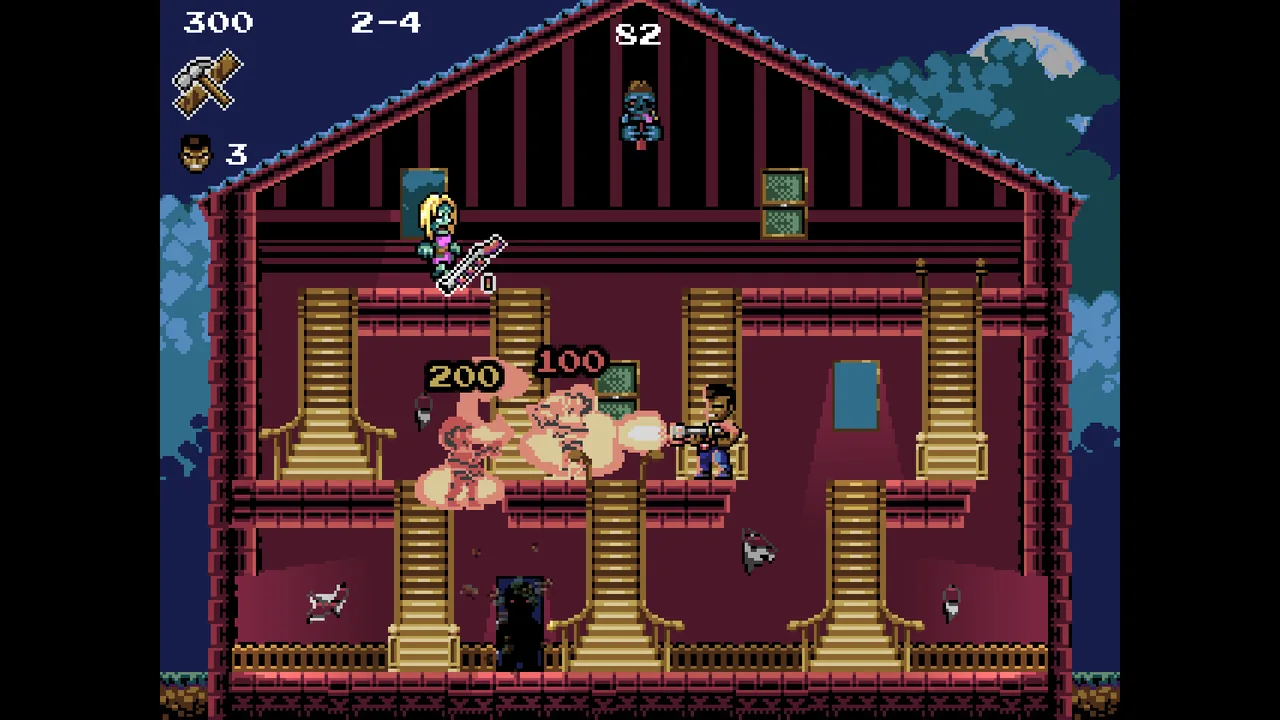
Image: Deprecated Games via Steam -
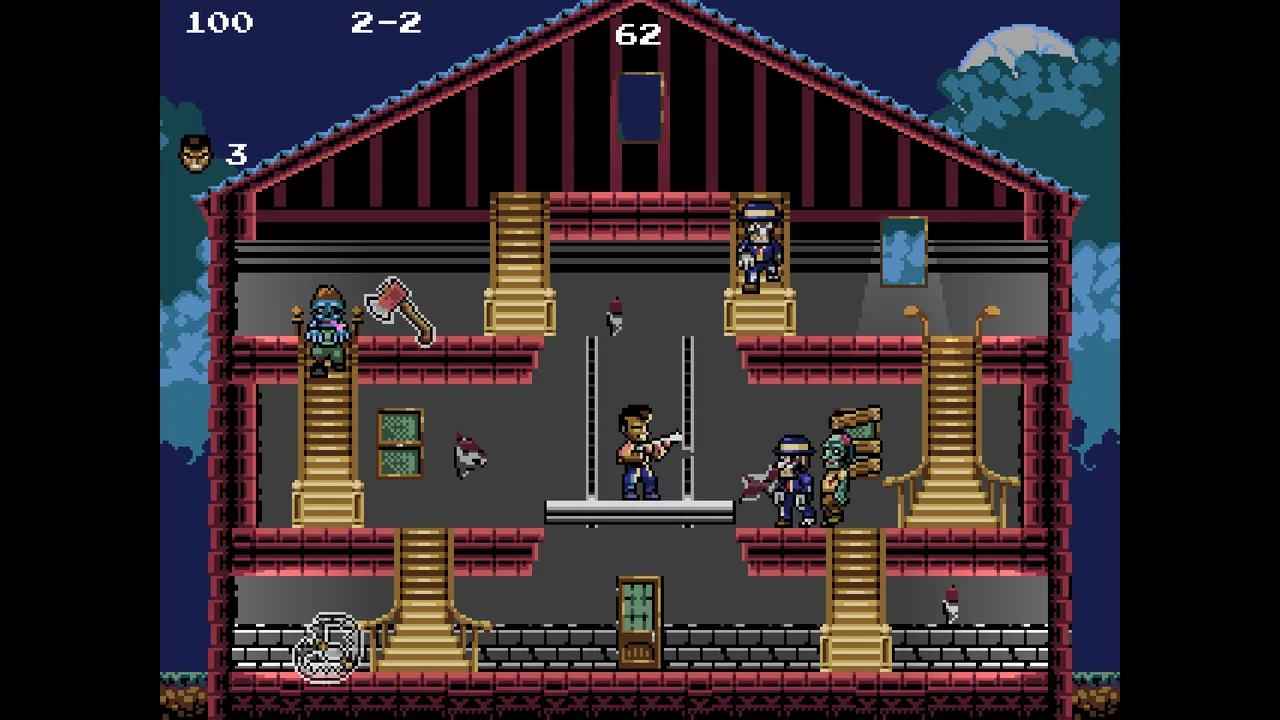
Image: Deprecated Games via Steam -
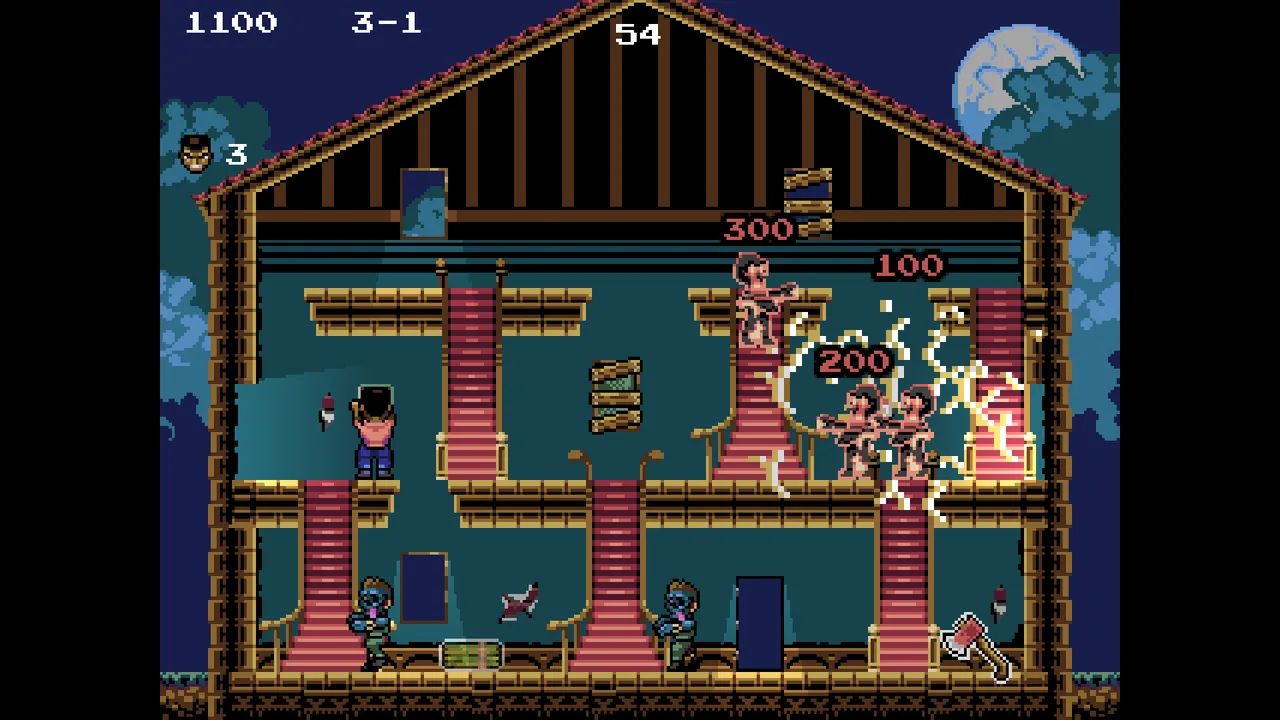
Image: Deprecated Games via Steam -
Wanderer Editorial -
Wanderer Editorial -
Wanderer Editorial