Game review
Espectro - The Fighter's Focus Review: A Sincere Streets of Rage Homage
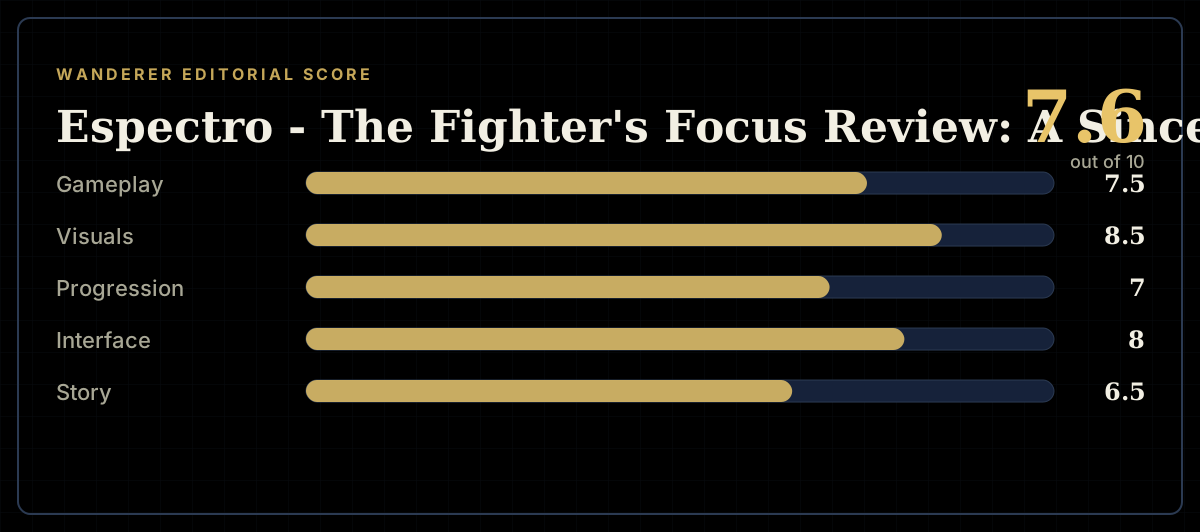
7.6 / 10
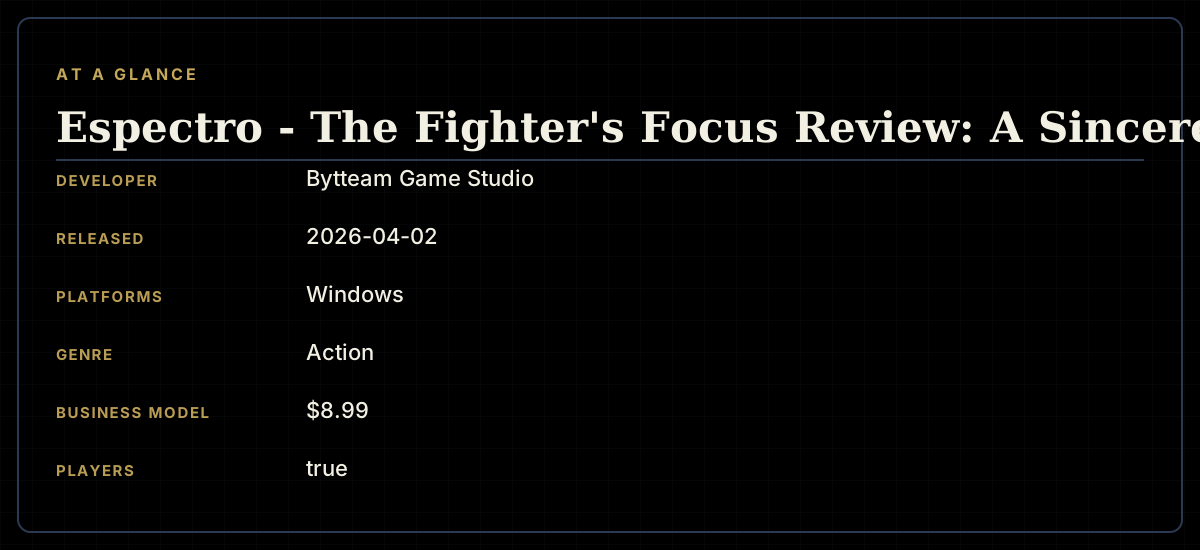
- Developer
- Bytteam Game Studio
- Publisher
- GoGo Games Interactive
- Released
- 2 April 2026
- Platforms
- Windows
- Genre
- Action
- Monetisation
- $8.99
- Players
- true
The short version
Espectro - The Fighter's Focus is a sincere, well-crafted throwback to 90s arcade beat 'em ups like Streets of Rage and Final Fight, offering genuine combat variety and charming pixel art in a short, forgiving package that its review sample consistently enjoys without treating as a genre landmark.
Biggest strengths
- A genuinely varied moveset for the genre — punches, jump kicks, grapples, speed dashes, and a charged-up crowd-control special — that reviewers say gives combat more depth than its short runtime might suggest
- Charming, well-animated 16-bit-style pixel art and level variety, including a specifically praised vehicle-driving stage evoking Cadillacs and Dinosaurs, with comic-style static art between levels
- Three playable characters with distinct builds, from a towering brawler to a swift, agile fighter, playable solo or in local co-op
Biggest weaknesses
- Several reviewers describe the difficulty as notably forgiving, with extra lives easy to accumulate, which they say undercuts the tension typical of arcade-style beat 'em ups even as the final boss draws specific complaints for an unbalanced difficulty spike
- A few reviewers note the static cutscene illustrations are inconsistently proportioned and occasionally look 'off' compared to the strong in-game pixel art
- No mid-campaign save and no ability to swap between the three characters mid-run, both raised as missed quality-of-life features by more than one reviewer
Who it's for: A strong pick for beat 'em up fans, especially those wanting a short, approachable, local co-op-friendly throwback rather than a lengthy or punishing challenge; less essential for players specifically seeking a demanding difficulty curve or a lengthy campaign.
Our recommendation: Recommend
7.6 / 10
A vigilante, a mysterious weapon, and a city worth cleaning up
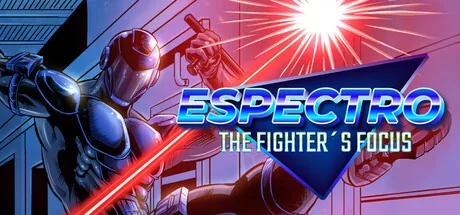
Espectro - The Fighter's Focus sets its story in a metropolis overrun by criminal gangs wielding a mysterious new weapon capable of killing outright or leaving victims comatose. When one of those victims turns out to be the brother of Espectro, a vigilante equipped with a powerful super suit, he sets out with two allies — Sayuri, a swift and agile fighter, and Iron Crusher, a towering brawler — to take the streets back across ten side-scrolling levels. It's a deliberately old-fashioned pitch, and reviewers consistently recognize it as one, repeatedly name-checking Streets of Rage and Final Fight as direct touchstones.
A moveset with more depth than its runtime suggests
The most consistent specific praise in the review sample targets combat variety. Reviewers list out a genuinely substantial moveset for the genre — punches, jump kicks, grapple-and-punch combos, speed dashes with their own kick follow-up, and a three-tier charged special attack — and note that the crowd-control special builds up over time rather than consuming health, actively encouraging its use rather than saving it for emergencies. One detailed review specifically compares the enemy variety favorably against recent, higher-budget beat 'em up releases, calling it more varied than at least one AA-level competitor.
Pixel art and level variety that land the nostalgia
Presentation draws consistent, specific praise across nearly every review in the sample. The 16-bit-inspired pixel art is repeatedly described as vibrant and well-animated, and reviewers highlight genuine level variety within the campaign's short runtime, including a vehicle-driving stage that one reviewer directly compares to the classic Cadillacs and Dinosaurs arcade game. Between-level cutscenes use static, comic-book-style illustrations that most reviewers enjoy, though a few specifically note some character proportions look inconsistent or slightly off compared to the polish of the in-game sprite work.
A short, forgiving campaign — by design, reviewers say
At roughly ten levels and about an hour to complete, Espectro doesn't try to be a lengthy genre epic, and its review sample consistently treats that as a deliberate, reasonable choice rather than a shortcoming, especially given its budget price. Several reviewers do flag the difficulty as notably forgiving for the genre, with extra lives easy to accumulate on the default difficulty, lowering the overall tension typical of arcade-style brawlers — though more than one reviewer separately singles out the final boss specifically as an unexpectedly steep spike relative to everything before it, an inconsistency worth knowing about going in.
The small features reviewers wish were there
A handful of specific, repeated quality-of-life requests surface across the sample rather than complaints about what's actually broken: no ability to save progress mid-campaign, and no option to switch between the game's three playable characters partway through a run once one is selected. Neither is treated as a dealbreaker by any reviewer, but both recur often enough to be worth flagging as genuine, specific gaps rather than vague wishlist items.
Where opinions genuinely diverge
Not every reaction is uniformly glowing on every point. While most reviewers specifically praise the soundtrack as fitting the urban-action tone well, at least one reviewer bluntly calls the music "mostly bad," a clear minority dissent worth including rather than smoothing over. Similarly, while most reviewers enjoy the static cutscene art, a Spanish-language review specifically criticizes the 16-bit-style presentation for lacking the charisma and memorable character design of the genre classics it's drawing from, even while still recommending the game overall for being an uncomplicated, well-executed example of the format.
A recurring reference point: what "amateur" means as praise here
Several reviewers explicitly frame Espectro as a small, self-evidently modest production, and treat that honestly rather than as a hidden flaw to excuse. One detailed English-language review opens by noting "you love to see amateur games like this," going on to praise how well the fundamentals — art, controls, music — are executed within a clearly limited scope, rather than judging the game against bigger-budget genre entries on their own terms. That framing recurs across the sample: reviewers consistently evaluate the game on what it's trying to be, a focused, budget-priced arcade throwback, rather than penalizing it for lacking the scale of a full-priced release, and the final consensus reads as genuine enthusiasm for a small team clearly working within its means and delivering something coherent.
A largely Brazilian fan response worth noting
A striking feature of this review sample is how heavily it skews toward Brazilian Portuguese reviewers, several of whom specifically call out the game's domestic origin with visible pride, describing it as a "national beat 'em up" (beat 'em up nacional) carrying the spirit of Final Fight and Streets of Rage. That regional enthusiasm doesn't read as uncritical cheerleading, however — the same reviewers raise the same specific quality-of-life gaps (no mid-run save, no character switching) as the English-language reviews, suggesting a consistent, genuine assessment across the two largest language groups in the sample rather than a split between generous domestic reviews and more critical international ones.
Verdict
Espectro - The Fighter's Focus succeeds at exactly what it sets out to do: deliver a short, sincere, well-crafted homage to 90s arcade beat 'em ups with real combat variety and charming pixel art, rather than reinventing the genre. Its forgiving difficulty and brief runtime will suit players looking for a relaxed, nostalgic evening more than those chasing a demanding challenge, and its unanimously positive, if still modest-sized, review sample reflects a game that consistently delivers on a clearly stated, achievable promise.
Pros and cons
Pros
- A genuinely varied moveset for the genre — punches, jump kicks, grapples, speed dashes, and a charged-up crowd-control special — that reviewers say gives combat more depth than its short runtime might suggest
- Charming, well-animated 16-bit-style pixel art and level variety, including a specifically praised vehicle-driving stage evoking Cadillacs and Dinosaurs, with comic-style static art between levels
- Three playable characters with distinct builds, from a towering brawler to a swift, agile fighter, playable solo or in local co-op
- An approachable, roughly one-hour, ten-level campaign that multiple reviewers frame as a genuine strength for a casual evening session rather than a shortcoming
Cons
- Several reviewers describe the difficulty as notably forgiving, with extra lives easy to accumulate, which they say undercuts the tension typical of arcade-style beat 'em ups even as the final boss draws specific complaints for an unbalanced difficulty spike
- A few reviewers note the static cutscene illustrations are inconsistently proportioned and occasionally look 'off' compared to the strong in-game pixel art
- No mid-campaign save and no ability to swap between the three characters mid-run, both raised as missed quality-of-life features by more than one reviewer
- A minority but notable complaint calls the soundtrack unmemorable, a specific dissent from the otherwise consistent praise for the game's audio
Screenshots
-
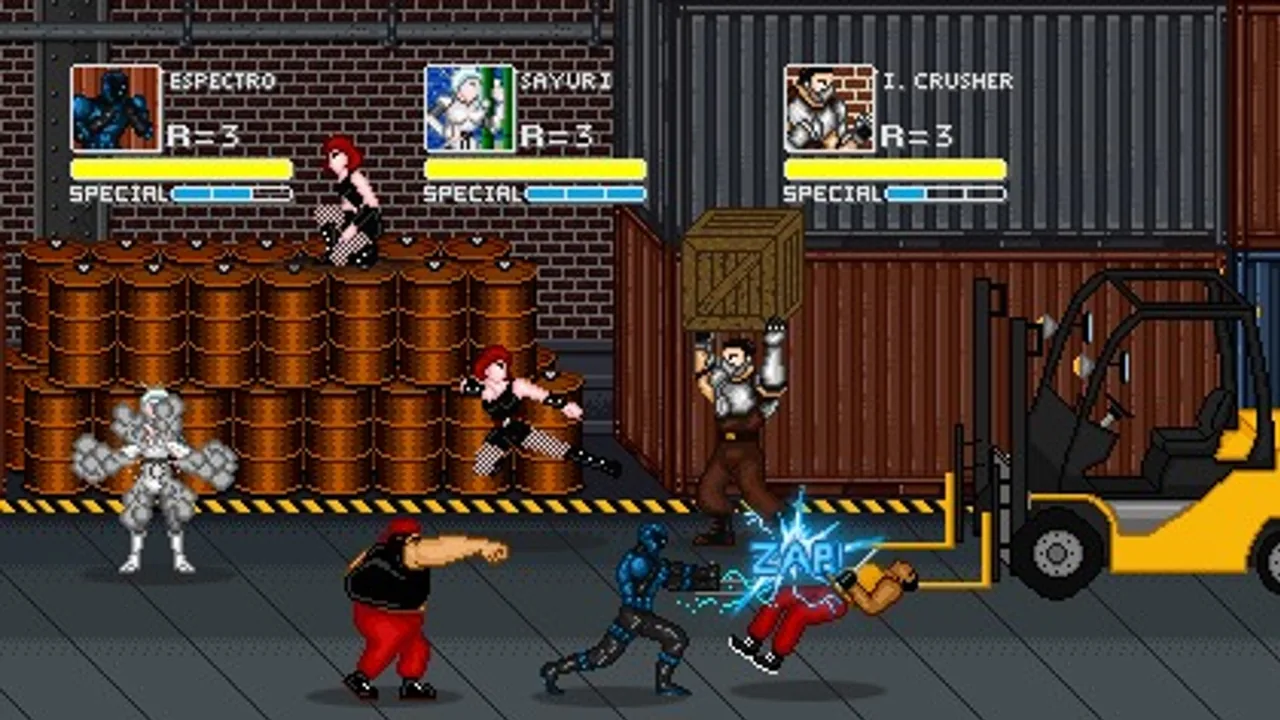
Image: GoGo Games Interactive via Steam -
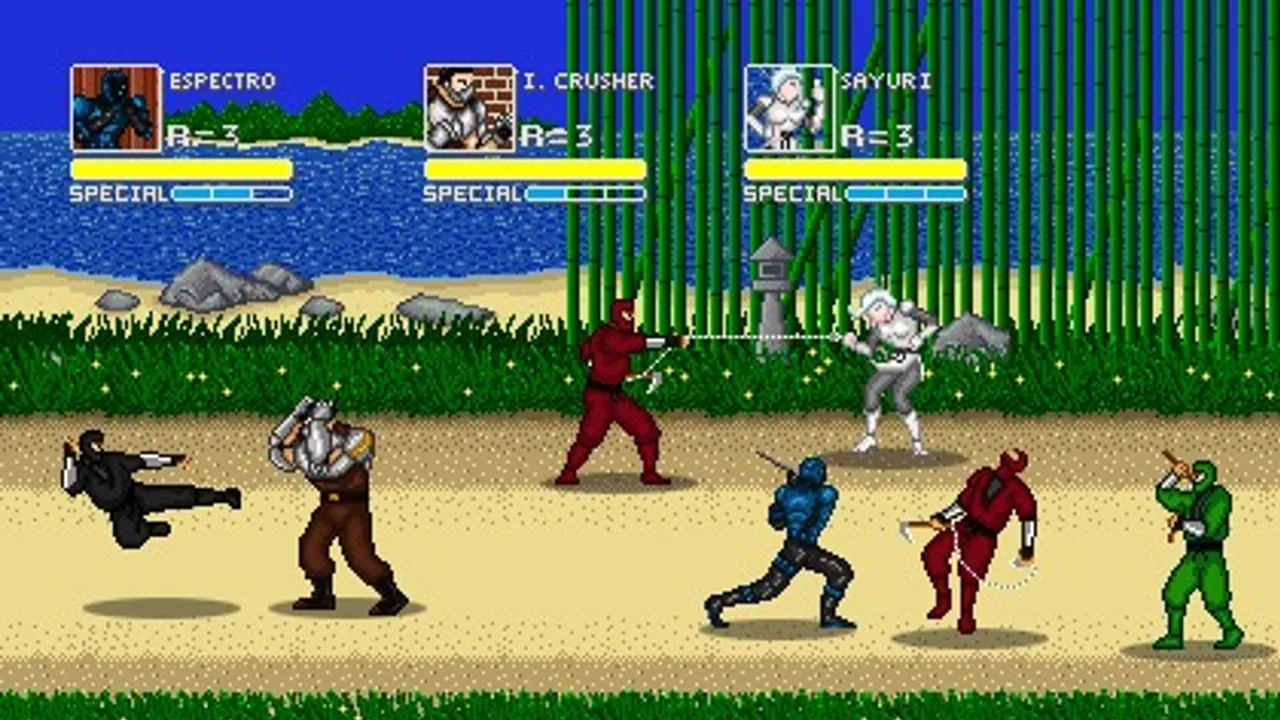
Image: GoGo Games Interactive via Steam -
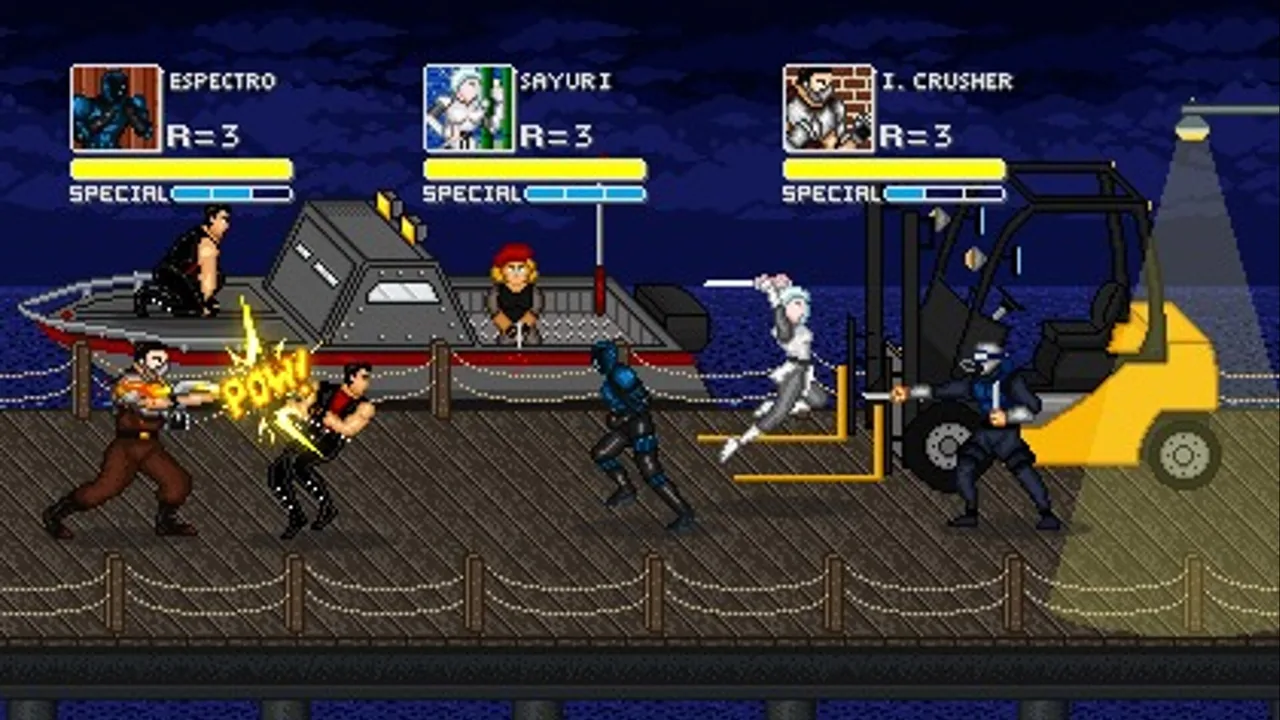
Image: GoGo Games Interactive via Steam -
Wanderer Editorial -
Wanderer Editorial -
Wanderer Editorial