
Game review
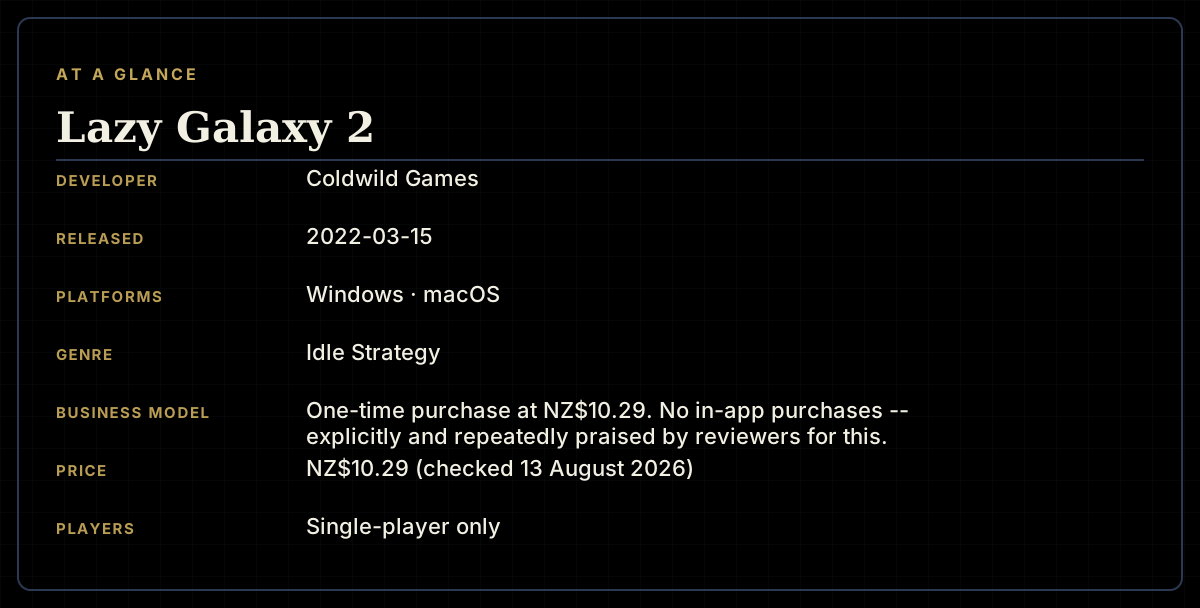
Lazy Galaxy 2
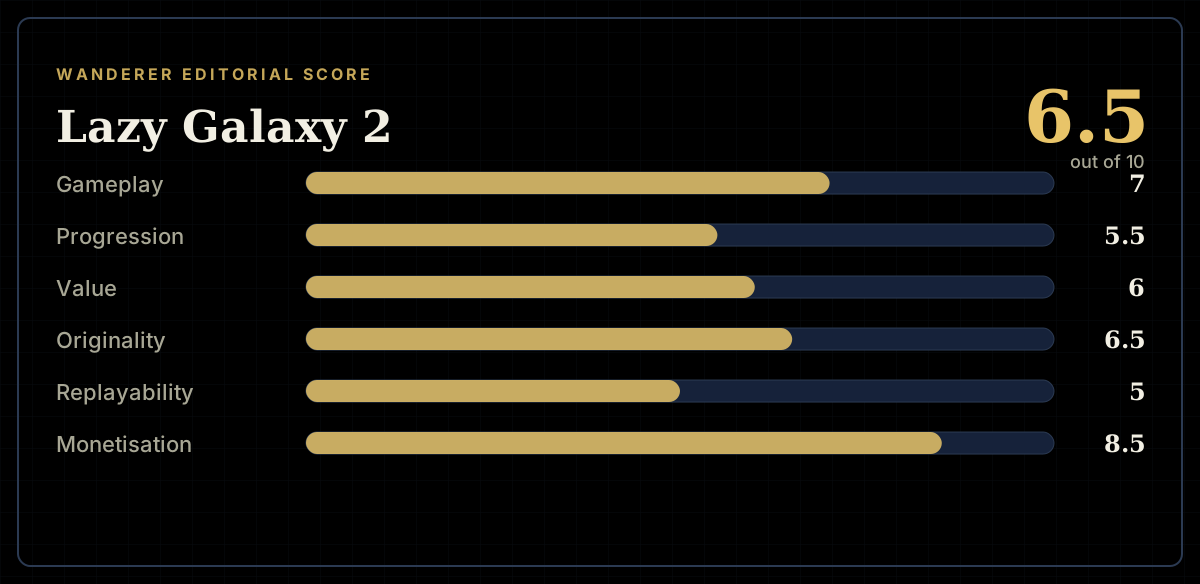
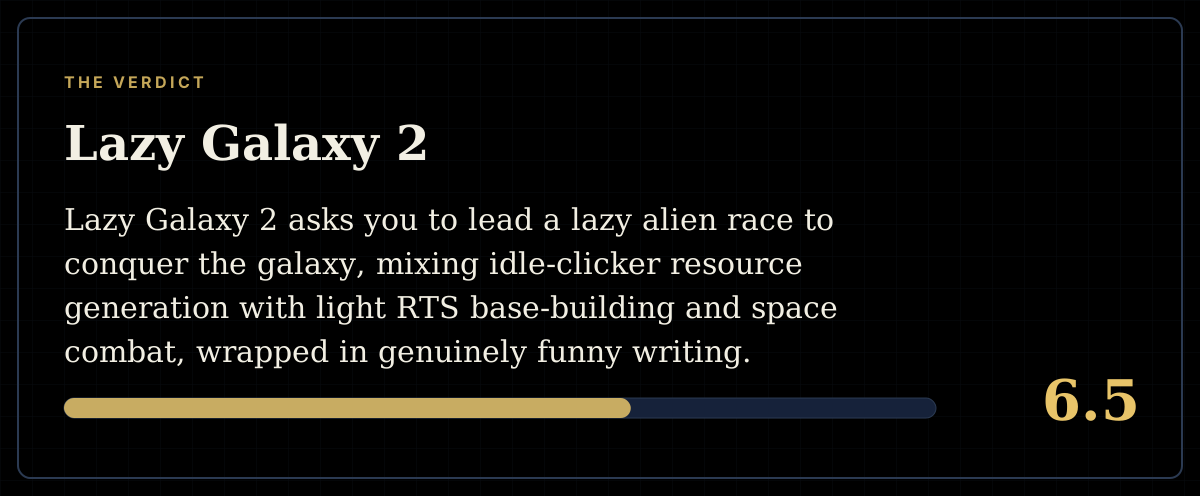
6.5 / 10
- Developer
- Coldwild Games
- Publisher
- Coldwild Games
- Released
- 15 March 2022
- Platforms
- Windows, macOS
- Genre
- Idle Strategy
- Monetisation
- One-time purchase at NZ$10.29. No in-app purchases -- explicitly and repeatedly praised by reviewers for this.
- Players
- Single-player only
The short version
Lazy Galaxy 2 asks you to lead a lazy alien race to conquer the galaxy, mixing idle-clicker resource generation with light RTS base-building and space combat, wrapped in genuinely funny writing. It sits at Very Positive -- 80.5% of 159 English reviews -- and reviewers on both sides single out the same thing as a genuine rarity in this genre: a paid idle game with zero microtransactions and no pressure to spend beyond the box price.
The recurring complaint, read across the game's negative reviews, is that the content runs out well before player interest does. Several reviewers log extraordinary playtimes -- 168, 348, even 517 hours -- while simultaneously arguing there isn't enough to do; that tension resolves once you account for idle games measuring background uptime rather than active engagement, but the underlying "not enough new content" complaint is real and, per at least one reviewer, confirmed by the developers themselves.
Biggest strengths
- Genuinely funny, well-written flavour text and presentation that multiple reviewers call out specifically as a highlight
- No microtransactions of any kind, a point reviewers raise as unusually honest for a genre frequently built around premium currency
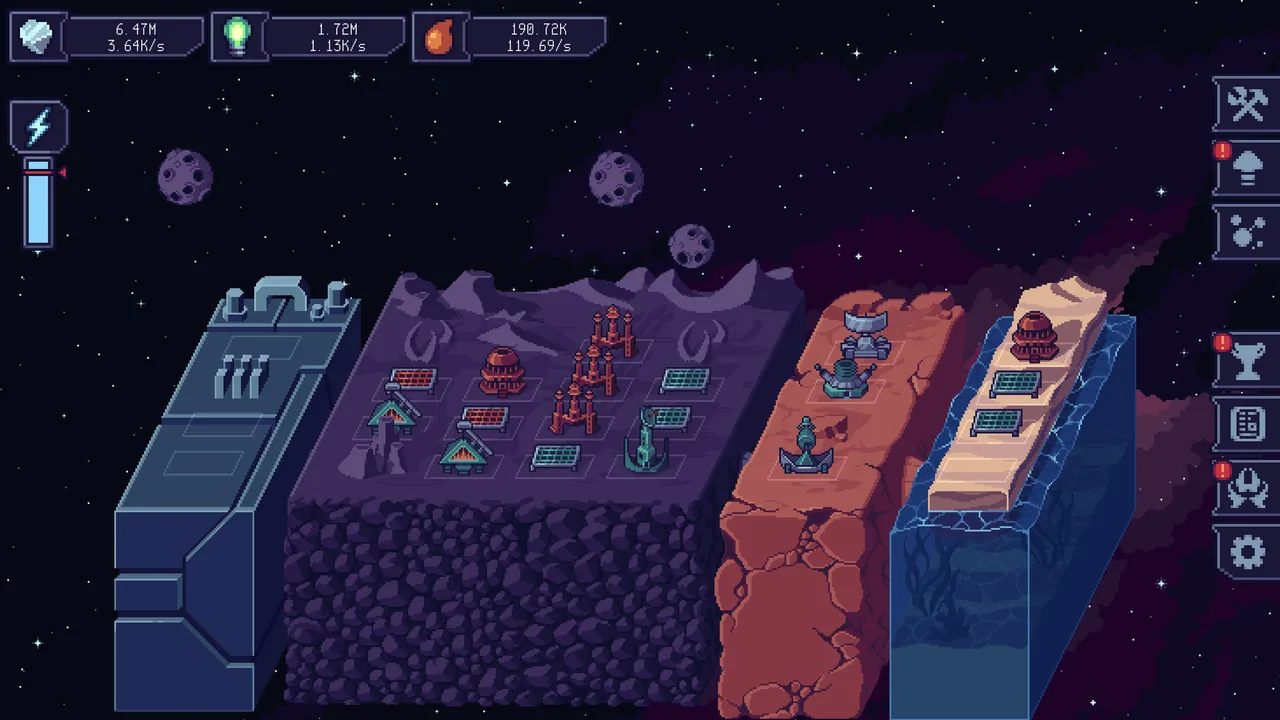
- A real base-building and light-RTS layer on top of the idle-clicking core, giving it more mechanical texture than most genre entries
Biggest weaknesses
- New content and progression options run out for a meaningful share of players well before their interest does, with the "ascension" reset loop repeating without much variation in the late game
- One reviewer reports the developers have confirmed no further content is planned, which tempers the game's long-term prospects if you're hoping for continued expansion
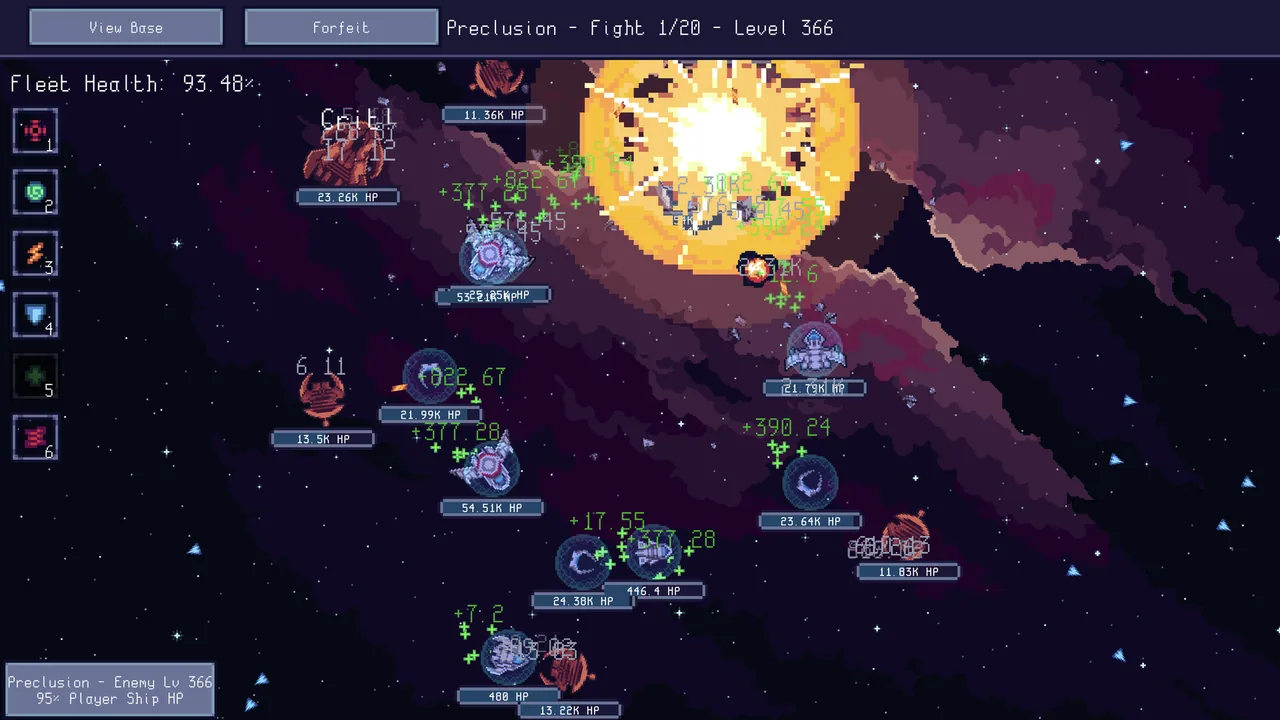
- Some describe the RTS/combat layer as shallow once its patterns are learned -- ships largely fly in circles and self-heal, reducing active combat decisions to periodic hotkey mashing
Who it's for: Idle and incremental fans who want genuine base-building and light combat layered onto the clicking, and who value a clean, honest, one-time-purchase model over a genre often built around premium currency. Less suited to anyone wanting a long-tail idle game with continually expanding content, since the developers have indicated no further content is planned.
Our recommendation: Cheap and worth it for a solid 10-30 hours, less certain past that point once the "ascension" loop starts repeating without meaningfully new systems to chase. A good pickup for fans of Universal Paperclips or Cookie Clicker-style games looking for something with more visual and strategic texture, at a price that makes the eventual plateau easy to forgive.
6.5 / 10
"Lazy Galaxy 2 is an idle game that has no microtransactions," reads one of the game's positive reviews. "I feel like that alone is worthy of a freakin medal considering the sea of clickers and idles that solely exist to milk you for cash." That's a sentiment this library has heard less often than it should — a genre this frequently built around premium currency has a paid, honest alternative here, and reviewers on both sides of the score notice and credit it.
An idle game with actual mechanics underneath
Coldwild Games built Lazy Galaxy 2 around a real base-building layer: you construct and arrange production buildings, send fleets into light RTS-style space combat, and periodically "ascend" — reset your progress for permanent bonuses, the genre's usual prestige structure. The writing draws consistent, specific praise; multiple reviewers single it out as genuinely funny rather than the perfunctory flavour text most idle games settle for, and the presentation is stylish enough that one reviewer specifically compares it favourably to established genre names like Universal Paperclips and Cookie Clicker on visual grounds. One reviewer's account of the developer's responsiveness during Early Access stands out: "It's rare that you can find a bug and have the developer respond to it and fix it within a single day — and it has happened twice."
The content wall, and the playtime paradox
The dominant complaint, though, is that the game's content doesn't keep pace with how long players end up spending in it. Reviewers reporting extraordinary totals — 168, 227, 348, even 517 hours — sit right alongside reviewers arguing there isn't enough here to justify the price. That's not actually a contradiction once you read the reviews closely: several are explicit that most of that time is the game running passively overnight while its owner sleeps or works, not active engagement. "Most of that time is overnight/not at the computer," reads one, reporting 278 hours. Read as evidence of engagement, those numbers would overstate the game's depth badly; read as evidence of a comfortable, low-friction idle loop that people are happy to leave running, they're more honest.
The underlying complaint about content itself is real independent of that caveat. "Idle games that come with a pricetag should have a fairly robust content margin and this feels a bit light," reads one review at 168 hours. Another, more pointed: "There is just far to much grind needed... this game needs more content but the devs have said no more new content will be added." A reviewer of both games in the series draws the sharpest comparison: "Lazy Galaxy 1 is a good game, it was fun but too short for an idle game... This one, Lazy Galaxy 2, is boringly slow to progress." The combat system draws a smaller, more specific complaint too — several reviewers describe ships flying in aimless circles and self-healing, reducing the "RTS" half of the pitch to periodic hotkey management rather than real tactics.
Where it settles
The achievement curve shows a healthy early engagement — the first milestone at 94.4% — tapering to single digits for the deepest late-game goals, a shape consistent with a game that lands well early and loses a real share of its audience to the grind wall reviewers describe well before full completion. That's a fair summary of the whole game: a strong, charming, honestly-priced opening several dozen hours, followed by a plateau that a meaningful share of its own fans wish had more behind it.
6.5 out of 10. Lazy Galaxy 2 earns real goodwill for what it doesn't do — no premium currency, no pressure, no dark patterns — and for what it gets right in its first stretch: funny writing, a genuine base-building layer, and a developer that showed up during Early Access. Its content simply doesn't stretch as far as its most dedicated players wanted, and with the developers reportedly done adding to it, that ceiling is a known, fixed quantity rather than something a future update might raise.
Pros and cons
Pros
- Genuinely funny, well-written flavour text and presentation that multiple reviewers call out specifically as a highlight
- No microtransactions of any kind, a point reviewers raise as unusually honest for a genre frequently built around premium currency
- A real base-building and light-RTS layer on top of the idle-clicking core, giving it more mechanical texture than most genre entries
- A responsive developer during Early Access, with one reviewer describing same-day bug fixes after reporting issues directly
- Extremely cheap at NZ$10.29 for the amount of content available, even accounting for its limits
Cons
- New content and progression options run out for a meaningful share of players well before their interest does, with the "ascension" reset loop repeating without much variation in the late game
- One reviewer reports the developers have confirmed no further content is planned, which tempers the game's long-term prospects if you're hoping for continued expansion
- Some describe the RTS/combat layer as shallow once its patterns are learned -- ships largely fly in circles and self-heal, reducing active combat decisions to periodic hotkey mashing
- Extreme playtimes reported by several reviewers (into the hundreds of hours) largely reflect the game running passively in the background overnight, not active engagement -- worth reading as evidence of a comfortable idle loop rather than deep, sustained content
- A specific complaint about Mac version graphics settings freezing the program, requiring a reinstall to recover, was raised by one detailed reviewer
Screenshots
-
Lazy Galaxy 2Image: Coldwild Games via Steam -
Lazy Galaxy 2Image: Coldwild Games via Steam -
Lazy Galaxy 2Image: Coldwild Games via Steam -
How the review scores each part of the gameWanderer Editorial -
The essentialsWanderer Editorial -
The short versionWanderer Editorial