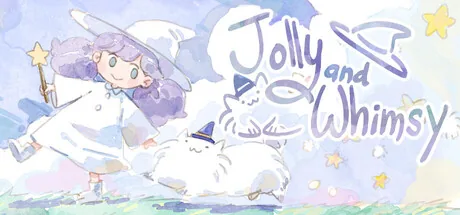
Game review
Jolly and Whimsy
7.5 / 10
- Developer
- MondayMocha
- Publisher
- MondayMocha
- Released
- 12 June 2026
- Platforms
- Windows
- Genre
- Casual, Indie, Free To Play
- Monetisation
- free-to-play
- Players
- false
The short version
Biggest strengths
- An extraordinary volume of hand-drawn watercolour artwork for such a short experience, with reviewers counting roughly 200 individual illustrations across a 20-to-30-minute runtime
- A simple, genuine allegory for pet loss and grief that reviewers repeatedly described as hitting unexpectedly hard, several citing their own recent loss of a pet
- Strong, mood-appropriate music that reviewers said resonated closely with the story's emotional beats
Biggest weaknesses
- Essentially no gameplay or choices, several reviewers noted it's a fully linear visual novel rather than an interactive story in any real sense
- Translation quality was described as mostly competent but occasionally odd in specific spots
- Very short runtime, likely to leave players wanting a longer, deeper treatment of its themes
Who it's for: Anyone who has grieved a pet and wants a brief, gentle, art-forward way to sit with that feeling, rather than players looking for interactivity or choice-driven storytelling
Our recommendation: recommended
7.5 / 10
Jolly and Whimsy released free on Steam on June 12, 2026, a short, picture-book-style visual novel from MondayMocha about a girl named Jolly who, after her best friend Whimsy the cat suddenly returns to the "Cat Planet," tries every spell she can find to bring him back. Its 21-review English pool lands at Positive (20 up, 1 down, 95%), and the reviews are unusually consistent in what they praise, and honest about the fact that this is barely a "game" in any traditional sense at all.
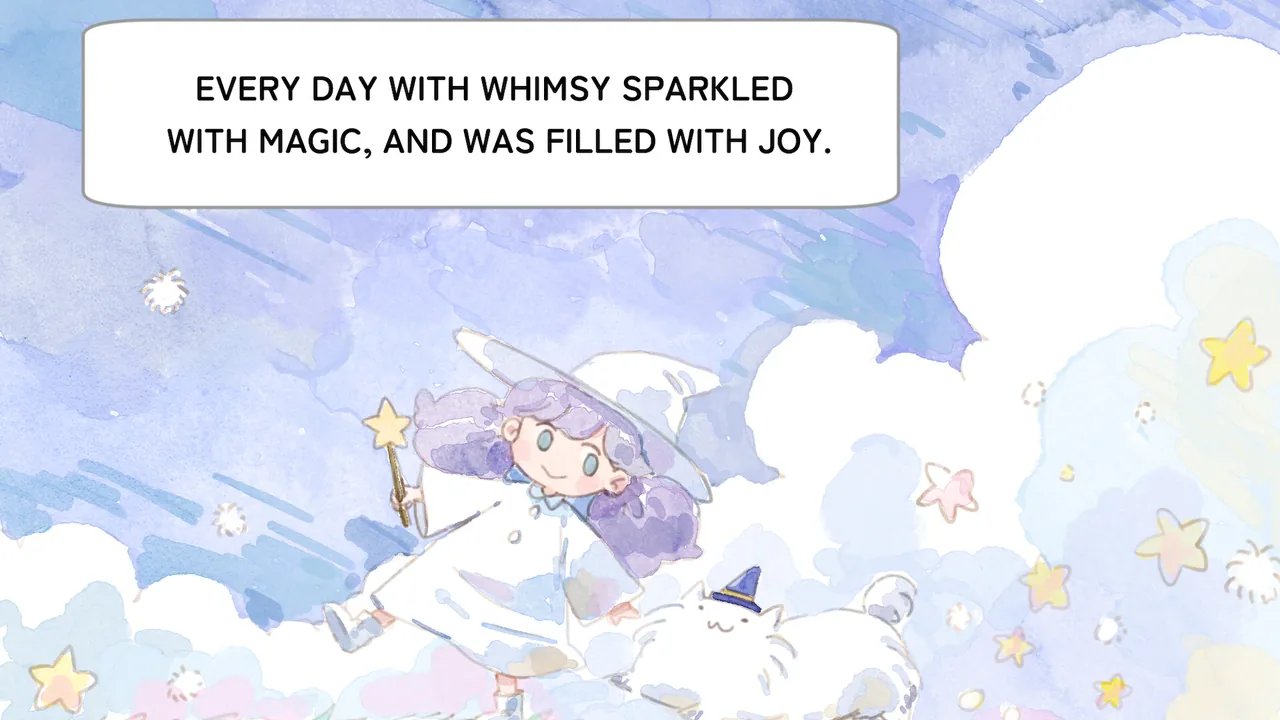
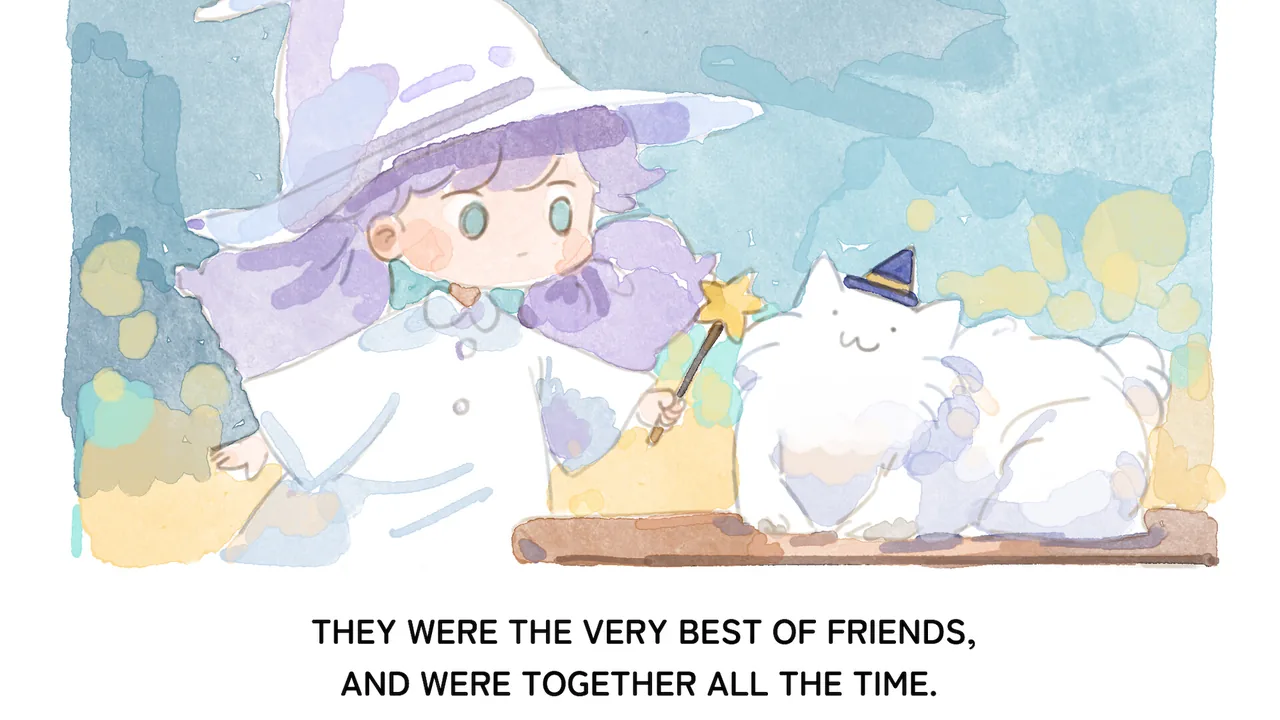
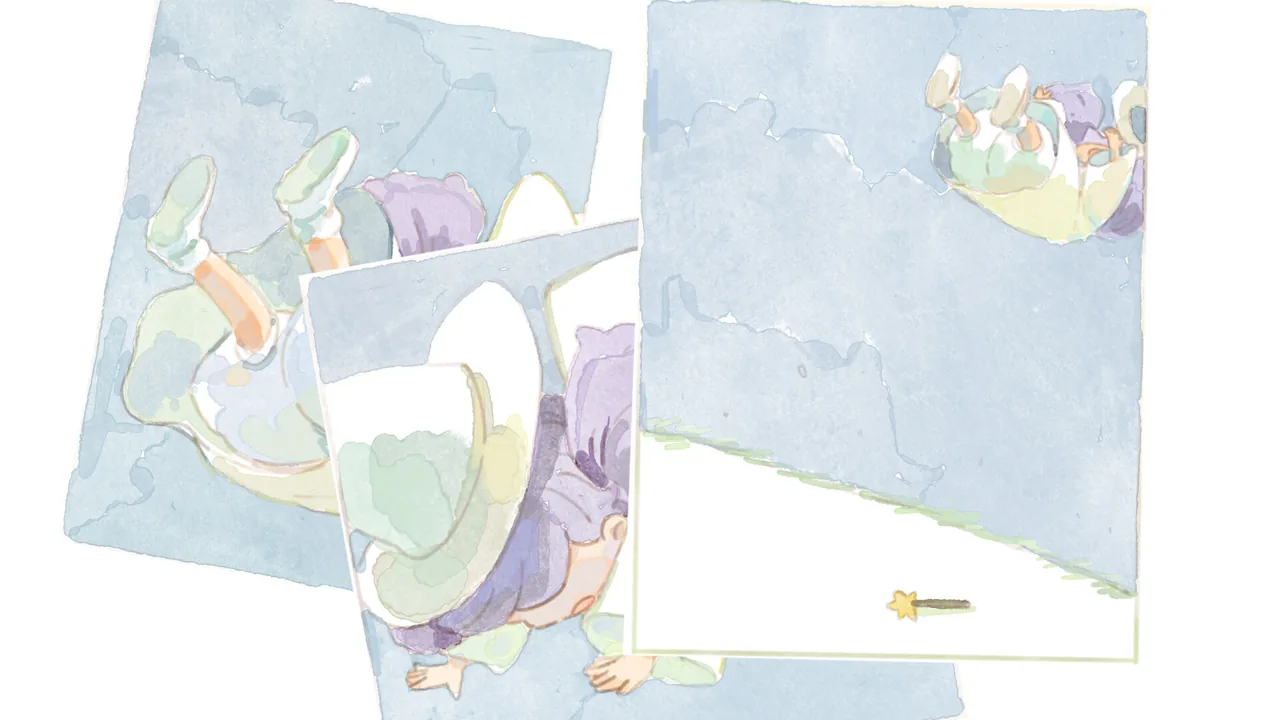
The single most repeated observation across the pool is sheer artistic density relative to runtime. One reviewer, admitting they didn't expect the volume of "beautifully illustrated watercolour artwork packed into this lovely game," said they skimmed through "approximately 200 artworks" in under twenty minutes and still took time to genuinely appreciate them. Another reviewer quantified the same impression more precisely, noting the roughly thirty-minute experience contains "more illustrations than an average 20+ hour long VN," estimating the ratio of pictures to sentences at close to 1:1, and separately praising music that "resonates perfectly with other parts of the game." That level of specific, independently-arrived-at agreement about art density is a strong signal that this isn't just free-game goodwill inflating scores, it's a genuine, distinguishing strength reviewers wanted to flag clearly.
The emotional core lands with similar consistency, and several reviewers made a point of connecting the game's central metaphor to their own real losses. One reviewer wrote plainly that their own cat "also returned to Cat Planet a couple of months ago," adding that the game "hit me quite hard" despite not usually enjoying visual novels as a genre. Another reviewer, describing themselves as unable to formally curate the game since it's "not a game and a linear visual novel," said simply "holy cow, it hits so hard... you did wonderfully, great job," before editing their review once informed it did in fact qualify for curation. A third reviewer summarized the appeal in blunt, practical terms: "10/10 how to make someone cry in under 15 minutes," specifically requesting the developer consider a physical storybook release, a request echoed by at least one other reviewer entirely independently.
Reviewers were also candid, without exception among the positive reviews, that Jolly and Whimsy offers essentially no traditional gameplay. One reviewer described it accurately as "a free, short visual novel without any choices or gameplay," treating that as simply a fact of the experience rather than a flaw, while another called the underlying story "symbolic," suggesting that players could substitute their own frameworks, religious faith instead of magic spells, a parent or friend instead of a pet, and find the metaphor holds up even better once personalized. That flexibility in how the story can be read appears to be part of why it resonated so broadly across a fairly varied group of reviewers.
Not every reaction was warm, and it's worth taking the pool's lone negative review seriously rather than dismissing it as an outlier. That reviewer argued bluntly that "nobody is fooled by a pretentious reframing of a cat's death or denying their death," specifically objecting to the whimsical Cat Planet conceit as a device for softening or obscuring what the story is actually about, and suggesting a more absurdist alternate ending would have suited the tone better. It's a fair point about a real tension in how the game frames grief: reviewers who connected with the metaphor found it gentle and moving, while at least one reviewer found the same softness distancing rather than comforting, a difference in taste that's worth flagging for anyone especially sensitive to how loss is portrayed in fiction. A separate, more measured review noted the translation was "mostly competent" but got "a little odd in some places," while still calling the overall artwork fantastic and the experience "100% readable."
It's worth thinking about how Jolly and Whimsy compares to the broader category of short, free narrative games this lane has covered, since the comparison sharpens exactly what it's doing well. Unlike a walking simulator built around exploring an environment, or a longer visual novel that earns its emotional payoff across branching choices and hours of buildup, this is closer to a picture book that happens to be delivered through Steam: there's no failure state, no meaningful decision points, and functionally no separation between "playing" and "reading." That's precisely why the near-unanimous praise for its artwork density matters so much to the overall verdict; strip away the game framing entirely and what's left is closer to a fully illustrated short story, and reviewers judged it accordingly, rewarding craft and emotional honesty over interactivity or mechanical depth. For players who came in expecting a conventional visual novel with choices or multiple paths, that framing mismatch is probably the single biggest risk of disappointment, even though nobody in the reviewed pool seemed to feel misled by the store page itself.
Given the completely free price and the roughly twenty-to-thirty-minute runtime, Jolly and Whimsy is about as low-risk a recommendation as a review can make: even setting aside the near-total absence of interactivity, which several reviewers flagged honestly rather than pretending otherwise, the sheer density and quality of hand-drawn artwork, paired with music and writing that landed with genuine emotional force across a wide range of reviewers, makes this a worthwhile few minutes for anyone who has grieved a pet, or simply wants a brief, beautifully illustrated meditation on loss. It won't satisfy anyone looking for meaningful choice or branching narrative, and the fairy-tale framing won't land for every reader, but as a tightly-scoped piece of free interactive art, it consistently delivers exactly what it sets out to.
Pros and cons
Pros
- An extraordinary volume of hand-drawn watercolour artwork for such a short experience, with reviewers counting roughly 200 individual illustrations across a 20-to-30-minute runtime
- A simple, genuine allegory for pet loss and grief that reviewers repeatedly described as hitting unexpectedly hard, several citing their own recent loss of a pet
- Strong, mood-appropriate music that reviewers said resonated closely with the story's emotional beats
- Completely free, making it an extremely low-risk way to experience a short, clearly heartfelt piece of interactive art
Cons
- Essentially no gameplay or choices, several reviewers noted it's a fully linear visual novel rather than an interactive story in any real sense
- Translation quality was described as mostly competent but occasionally odd in specific spots
- Very short runtime, likely to leave players wanting a longer, deeper treatment of its themes
- At least one reviewer found the central metaphor (a "Cat Planet" standing in for death) more distancing and precious than moving
Screenshots
-
Jolly and WhimsyImage: MondayMocha via Steam -
Jolly and WhimsyImage: MondayMocha via Steam -
Jolly and WhimsyImage: MondayMocha via Steam