Game review
inKONBINI: One Store. Many Stories Review: A Cozy, Fleeting Slice of 1990s Japan
8 / 10
- Developer
- Nagai Industries
- Publisher
- Nagai Industries, Beep Japan, Serenity Forge, Smilegate
- Released
- 30 April 2026
- Platforms
- Windows, Mac
- Genre
- Simulation
- Monetisation
- $19.99
- Players
- false
The short version
inKONBINI: One Store. Many Stories pairs a gentle, tactile convenience-store storekeeping loop with a warm, branching slice-of-life narrative set in early 1990s Japan, and while it's over in a single sitting or two and offers less sim-style freedom than some players hoped for, the vast majority of reviewers describe it as a genuinely healing, memorable experience worth its short runtime.
Biggest strengths
- A warm, well-observed slice-of-life narrative with branching dialogue and a close-knit cast of regulars that a large majority of reviewers describe as genuinely moving and even healing
- A relaxed, tactile storekeeping loop, stocking shelves, tidying displays, ordering goods, that reviewers say is easy to learn and satisfying without becoming a demanding management sim
- A distinctive early-1990s Japanese small-town atmosphere reinforced by strong art direction, ambient sound design, and small touches like in-game magazines and comics
Biggest weaknesses
- A very short runtime, roughly six to eight hours depending on how much dialogue players read, that a large number of reviewers say left them wanting significantly more
- No sandbox, endless, or free-play mode to keep running the store once the story concludes, which multiple reviewers specifically request as a missing feature
- The storekeeping mechanics are intentionally light and linear rather than a true management sim, which disappointed players expecting deeper systems based on the store-sim framing
Who it's for: A strong fit for players who enjoy short, narrative-forward cozy games with light simulation elements and value atmosphere and character writing over deep management systems; a weaker fit for players specifically wanting an open-ended, replayable convenience-store sim, since the experience is linear, story-gated, and finishes in well under ten hours.
Our recommendation: Buy it
8 / 10
A summer job as a doorway into other people's lives
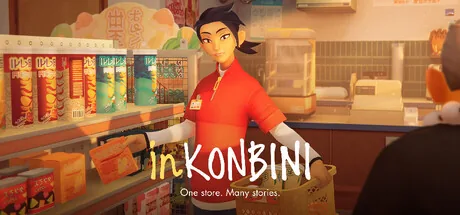
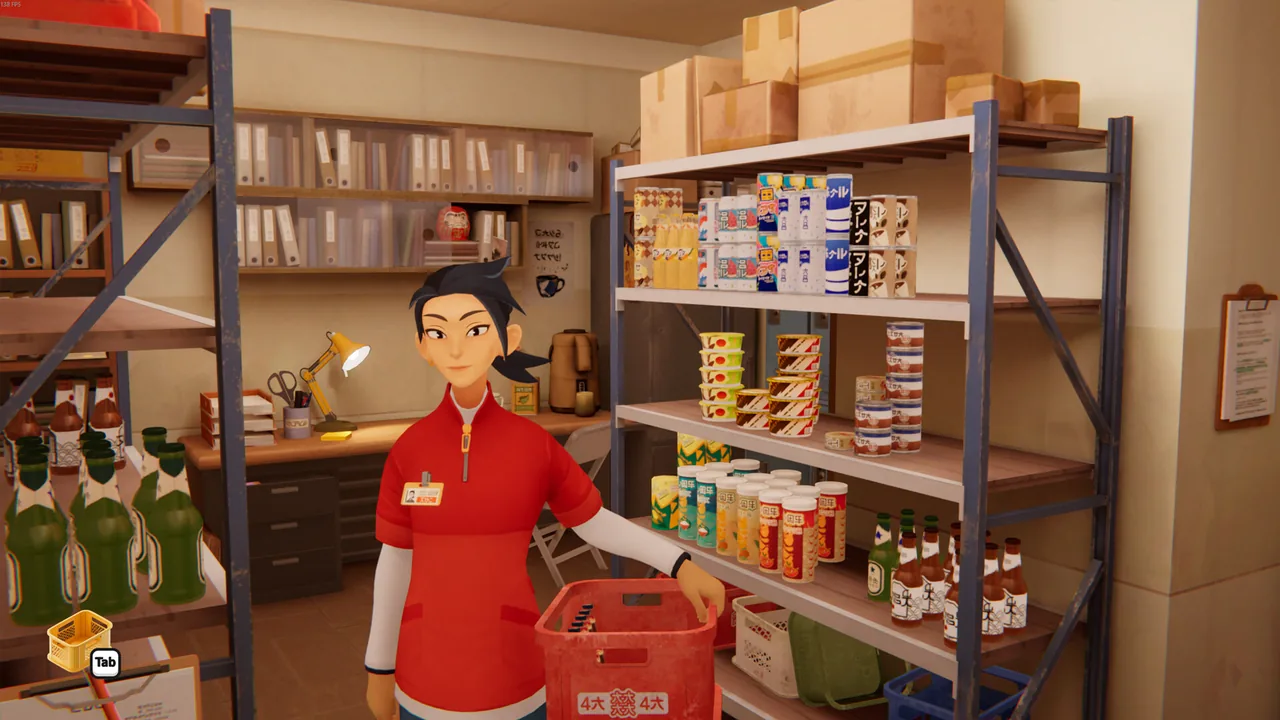
inKONBINI: One Store. Many Stories puts players behind the register as Makoto Hayakawa, a college student spending her summer working a small-town convenience store in a world modeled on early 1990s Japan. The premise is deliberately modest: stock shelves, keep displays tidy, greet customers, and let a quiet, repeatable rhythm of small tasks become the backdrop for something bigger, the slowly unfolding, interconnected stories of the regulars who pass through the store's doors.
That framing sets accurate expectations for what the game actually delivers. Nagai Industries isn't building a deep retail-management sim here; the storekeeping systems exist to create a calming, believable rhythm that supports the narrative rather than to challenge players with logistics or optimization. Reviewers overwhelmingly describe this as the right call for what the game is trying to be, with one reviewer explicitly noting that despite outward appearances, "it's not a simulation game, more like a linear" narrative experience wearing a sim's clothing.
Characters that reviewers get attached to fast
Where inKONBINI earns its Very Positive standing is in its cast and writing. Reviewers describe becoming attached to the store's regulars remarkably quickly, with branching dialogue and meaningful choices gradually revealing the private lives, routines, and quiet struggles of a close-knit neighborhood. Several reviewers use language usually reserved for much longer, more ambitious narrative games, calling the experience "healing," describing it as one of their favourite games of all time, and in at least one case finishing it in tears after streaming the full playthrough.
This isn't faint praise from a niche audience of cozy-game specialists alone. Reviewers repeatedly frame the game's central achievement as making genuinely ordinary, low-stakes moments, a customer's small request, a passing comment, a returning face, feel consequential, which is a much harder trick to pull off convincingly than it sounds. The game's atmosphere does a lot of the heavy lifting here too: reviewers single out the early-1990s Japanese small-town setting, ambient sound design, and small environmental touches like in-game magazines and comics as reinforcing the mood rather than existing as decoration.
Short, and almost everyone wishes it wasn't
The single most consistent criticism across the review base, by a wide margin, is length. At roughly six to eight hours depending on how much optional dialogue a player reads through, inKONBINI is a genuinely short game, and reviewers overwhelmingly frame this as a case of the game ending just as it was hitting its stride rather than the story overstaying its welcome. One reviewer specifically describes getting used to where products belong on the shelves right as the game concluded; several others explicitly ask for a second week of content, a DLC expansion, or simply more.
Closely related is a recurring request for some kind of sandbox, endless, or free-play mode that would let players keep running the store, restocking shelves and interacting with customers, after the main story wraps up. This isn't a complaint about the core experience being bad, quite the opposite, it's a sign of how effectively the game's cozy loop and characters hook players, only for the credits to roll before that engagement has anywhere further to go. A chapter-select option is also requested by more than one reviewer as a way to revisit favourite story beats without a full replay.
A rare access complaint worth flagging
Among the small handful of negative reviews, one stands out for a different reason: a reported difficulty getting a refund through Steam's standard process despite requesting one within the normal two-hour window, with the reviewer describing the experience as "extremely restrictive" and expressing regret at having purchased the game. This appears to be an isolated case within the review sample rather than a widespread pattern, and refund eligibility ultimately sits with Steam's platform-wide policies rather than the developer directly, but it's worth flagging for anyone considering a purchase who wants to be aware of that possibility going in.
Presentation that punches above a modest budget
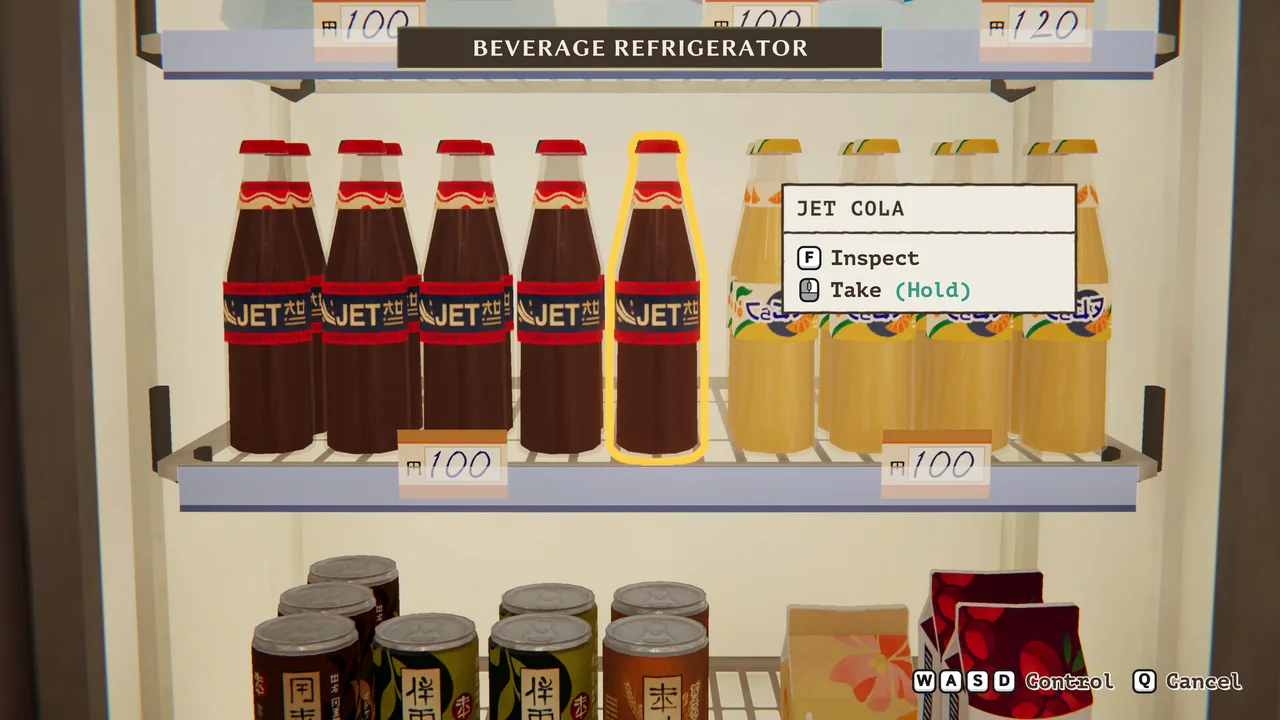
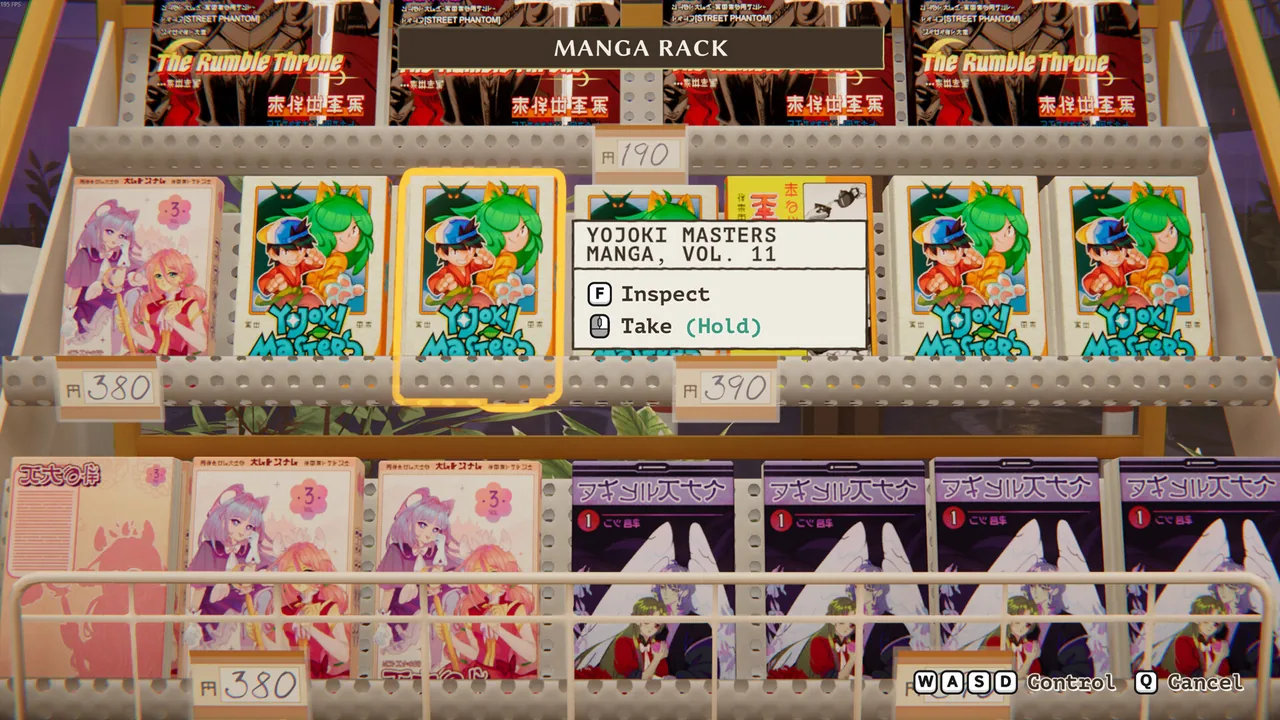
Visually, inKONBINI leans on a soft, colorful art style that reviewers consistently describe as adorable and inviting without tipping into saccharine territory. The store itself is rendered with a level of tactile detail, individual products that can be picked up, arranged, and restocked, that makes the day-to-day busywork feel grounded rather than abstract, and several reviewers specifically call out how satisfying it is to simply organize shelves even without a scoring system pushing them to optimize. Small in-fiction media, the aforementioned magazines and comics scattered around the store, add texture to the world without demanding extra attention from players who'd rather just read the main story threads.
The game also supports Steam Achievements and Steam Trading Cards, full controller support including DualShock and DualSense-specific options, and Steam Cloud saves, giving it the baseline platform features players expect even from a shorter, narrative-focused release. It's available on both Windows and Mac, with no word yet on a Linux port.
Verdict: small in scope, generous in feeling
inKONBINI: One Store. Many Stories doesn't try to be more than it is: a short, warm, narrative-driven slice of everyday life wrapped around a gentle storekeeping loop. Within that scope, it succeeds about as well as a game in this genre can, delivering characters and moments that a large majority of reviewers describe in genuinely emotional terms, and it does so without padding its runtime or overcomplicating its systems. Its biggest weakness is really a byproduct of its biggest strength: it's good enough, and short enough, that almost everyone who plays it wants more of it than they got.
Pros and cons
Pros
- A warm, well-observed slice-of-life narrative with branching dialogue and a close-knit cast of regulars that a large majority of reviewers describe as genuinely moving and even healing
- A relaxed, tactile storekeeping loop, stocking shelves, tidying displays, ordering goods, that reviewers say is easy to learn and satisfying without becoming a demanding management sim
- A distinctive early-1990s Japanese small-town atmosphere reinforced by strong art direction, ambient sound design, and small touches like in-game magazines and comics
- Meaningful player choice in conversations that visibly shapes character outcomes and adds a real, if modest, layer of replayability
Cons
- A very short runtime, roughly six to eight hours depending on how much dialogue players read, that a large number of reviewers say left them wanting significantly more
- No sandbox, endless, or free-play mode to keep running the store once the story concludes, which multiple reviewers specifically request as a missing feature
- The storekeeping mechanics are intentionally light and linear rather than a true management sim, which disappointed players expecting deeper systems based on the store-sim framing
- At least one reviewer reported a frustrating experience trying to refund the game within Steam's standard window, describing the process as unusually restrictive
Screenshots
-
inKONBINI: One Store. Many StoriesImage: Nagai Industries via Steam -
inKONBINI: One Store. Many StoriesImage: Nagai Industries via Steam -
inKONBINI: One Store. Many StoriesImage: Nagai Industries via Steam -
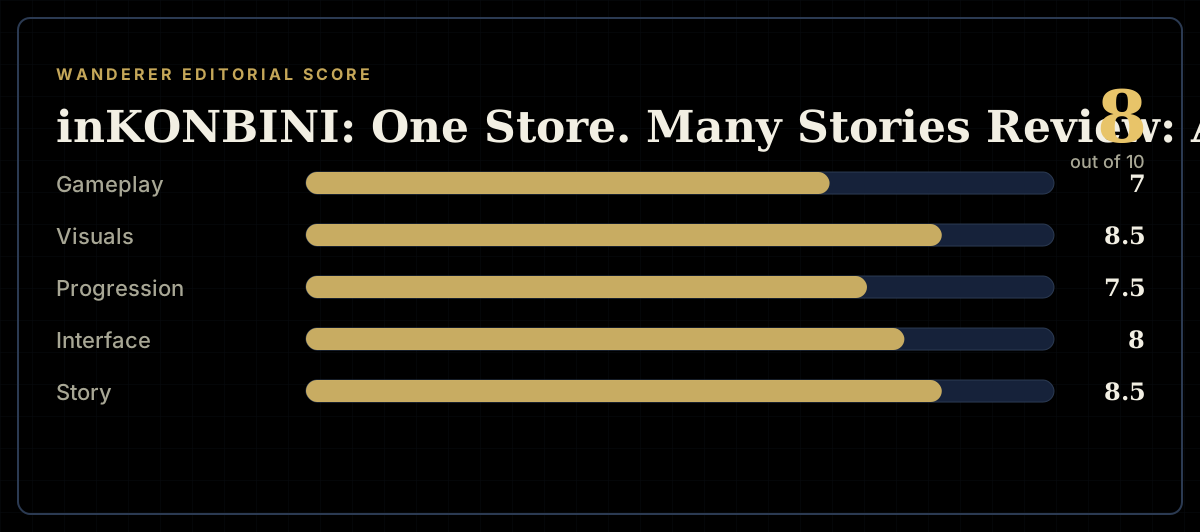
How the review scores each part of the gameWanderer Editorial -
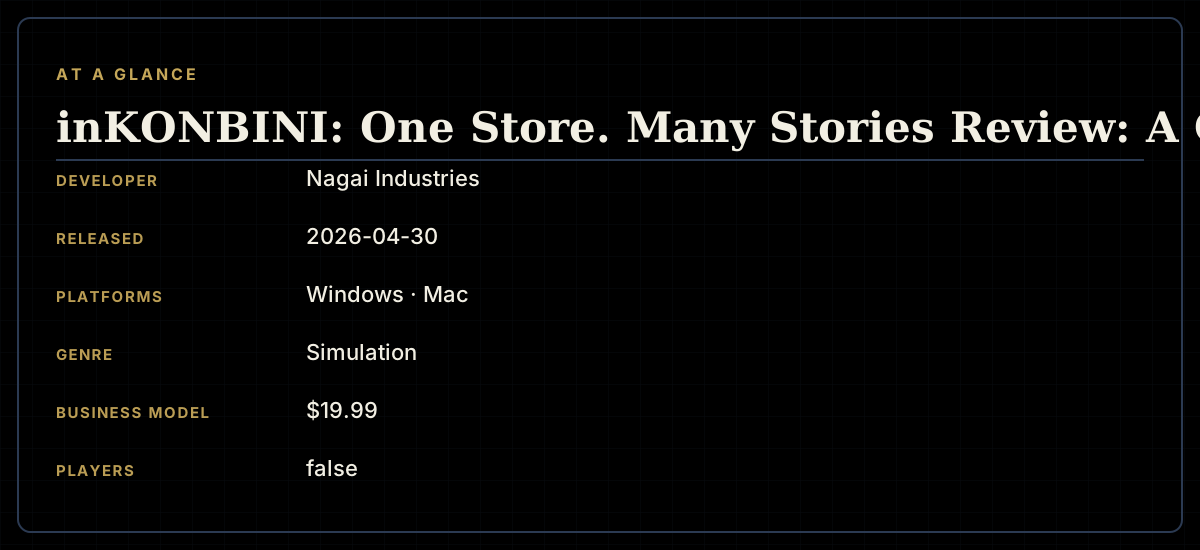
Platform and release detailsWanderer Editorial -
The short versionWanderer Editorial