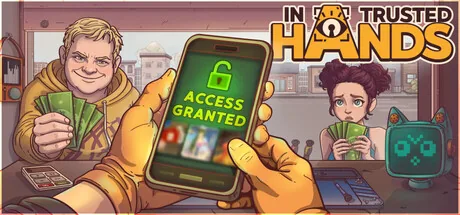
Game review
In Trusted Hands
5.5 / 10
- Developer
- HGISoft
- Publisher
- Spaghetti Cat
- Released
- 7 May 2026
- Platforms
- Windows
- Genre
- Simulation
- Monetisation
- Paid, one-time purchase.
- Players
- Single-player only.
The short version
In Trusted Hands is a narrative phone-repair simulator from HGISoft and publisher Spaghetti Cat, casting players as a shop worker who repairs phones while quietly snooping through customers' private data. Its Mostly Positive rating across a modest English review sample reflects genuine praise for its atmosphere and character-driven storytelling, but this review found fair, serious complaints about an uncomfortable, effectively unavoidable data-privacy questline, reused art assets, apparent AI-generated imagery, and a short, confusingly paced runtime.
Biggest strengths
- Praised repeatedly for its atmosphere, with reviewers describing the phone-repair loop as an unexpectedly effective hook into customers' personal stories and secrets.
- Praised specifically by more than one reviewer for genuine plot twists that emerge gradually through repair orders and client dialogue rather than upfront exposition.
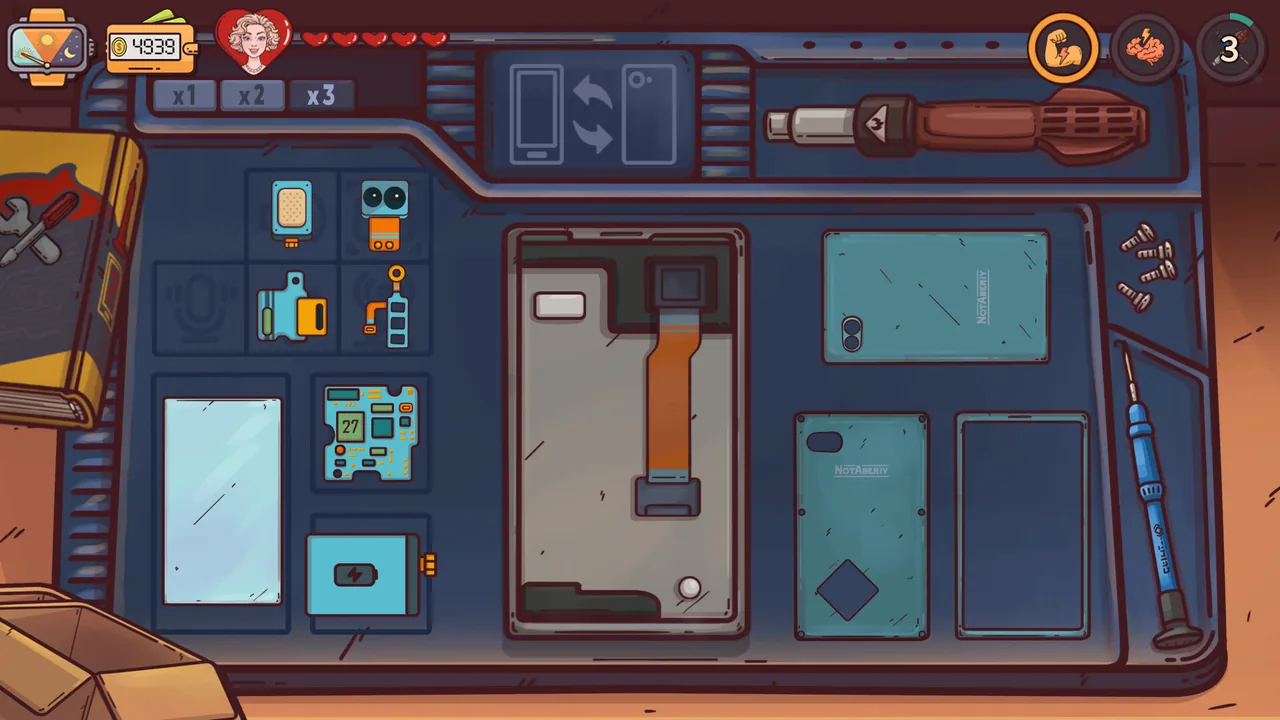
- Praised for offering both a story mode and an endless mode across two difficulty levels, giving players a choice between narrative and pure repair-loop play.
Biggest weaknesses
- A fair, dominant, most-upvoted complaint reports players are given no real way to refuse a recurring, uncomfortable in-game request to share stolen private photos of female customers, regardless of the choices players think they are making.
- A fair, repeated complaint reports story choices feel railroaded rather than consequential, with one detailed reviewer noting no discernible outcome difference from repeatedly declining the same uncomfortable request.
- A fair, specific complaint backed by a linked screenshot reports at least some art assets appear to be AI-generated, alongside a separate, credible complaint that character art is reused across different named customers.
Who it's for: Fans of narrative repair-shop sims who want a story with real moral weight and don't mind darker, ethically uncomfortable material; players sensitive to a specific, effectively mandatory harassment-adjacent questline, or who expect fully hand-crafted art throughout, should temper expectations.
Our recommendation: An atmospheric repair-sim with a genuinely engaging premise, undercut by a seriously uncomfortable mandatory subplot, reused assets, and a short, confusing runtime.
5.5 / 10
Repairing phones, uncovering lives
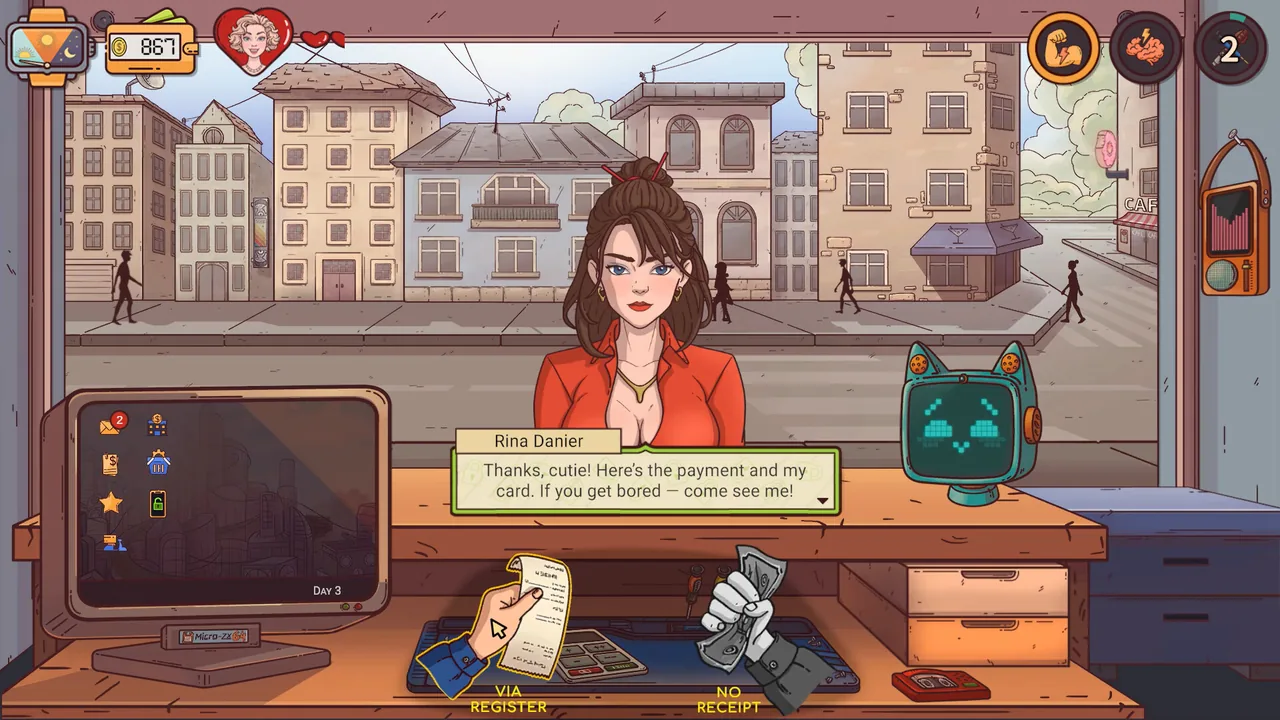
In Trusted Hands casts players as a phone-repair technician in a cozy neighborhood shop who, in the course of fixing devices, ends up reading through customers' private messages, photos, and secrets. This review found that premise consistently praised as the game's central hook. "A very atmospheric game about repairing phones and interacting with customers that unexpectedly hooks you with its story. At first it seems like a simple repair shop simulator, but over time it reveals interesting character stories and some genuinely surprising plot twists. I especially liked how the game shows different people's lives through dialogues and repair orders," reads one detailed review. This review treats that praise as fair: reviewers independently describing being drawn in by a premise that could easily have stayed a shallow repair-loop gimmick is a credible signal of genuinely effective narrative design around its central mechanic.
Praised for plot twists and flexible modes
This review also found reviewers repeatedly praising specific narrative and structural choices. "This simple game is incredibly addictive. I've never seen a concept like this before, and beyond the usual 'repairman simulator,' it actually has a storyline and all sorts of mini-quests," reads one review. A separate reviewer highlights its structural flexibility: "A pleasant and cozy repair shop simulator. It features story and endless modes, as well as two difficulty levels, making it perfect for those who simply want to relax." This review treats both as fair: a narrative repair-sim that also offers a lower-stakes endless mode for players who just want the mechanical loop is a genuinely accommodating design choice, and reviewers crediting real narrative surprises beyond the core gimmick supports a game with more ambition than its premise alone suggests.
A fair, dominant complaint about an uncomfortable, unavoidable questline
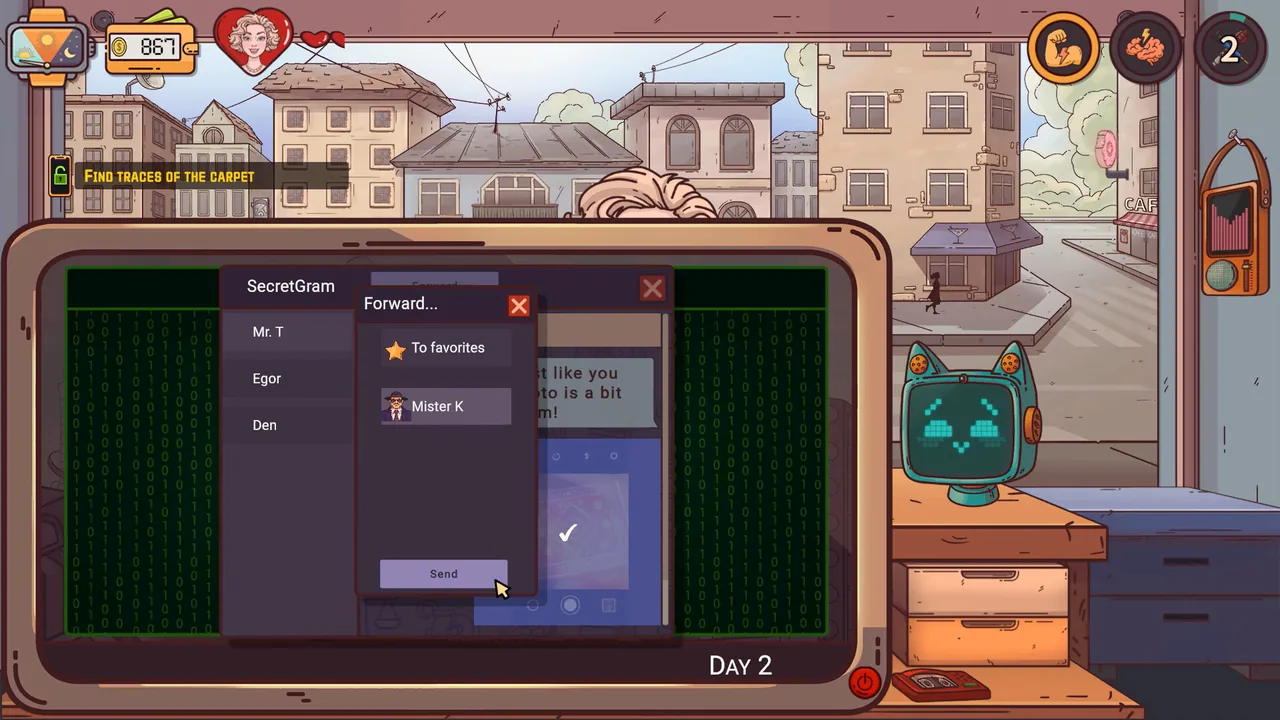
Set against that praise, this review found the sample's single most-upvoted complaint raises a serious concern. "A blonde guy... says he knows you have the software to hack into peoples phones and he wants hot girls pictures... He offers to pay money for them. I was hoping in the main game you could tell him no. But apparently you accept it? In no way would I accept this... You can't [delete him] that I can see... He comes back and says hey I thought we had a deal. No we definitely did not!" reads that detailed, most-upvoted review. This review treats that complaint as fair and serious: a reviewer specifically and credibly describing being unable to decline or escape a recurring harassment-adjacent request within the story is a substantive, not merely tonal, design problem.
A fair, corroborating complaint that the choice doesn't actually matter
This review also found a separate, independent review corroborating the same concern with more detail. "Story appears to offer choice, but is railroaded... you are actively encouraged to invade the privacy of 'hot women' to share photos with a sleezy guy. Does not appear to matter whether you choose to not do so; after 18ish days, there doesn't appear to be a benefit to protecting privacy. Just feels gross," reads that review. This review treats that complaint as fair and significant: two reviewers independently describing the same specific mechanic, framed as a meaningful moral choice but apparently without consequence either way, is a credible and serious critique of the game's central "choices matter" premise rather than an isolated objection to dark subject matter in general.
A fair, specific complaint about AI-generated and reused art
This review also found a fair, evidence-backed complaint about the game's art production. "Wanted to really really like this game but some assets are ai generated and the gameplay is clunky and slow," reads one review, which links a screenshot the reviewer describes as definitive evidence. A separate reviewer raises a related concern about reused assets: "Art is reused, often in the same day, with it appearing that the same person with different names is coming to get repairs." This review treats both as fair: a specific, screenshot-backed AI-art accusation alongside an independent report of visibly repeated customer art are concrete production-quality concerns distinct from any subjective taste complaint.
A fair complaint about a short, under-explained runtime
This review also found a fair complaint about the game's length and clarity. "No even a game really. It's so short that it should've been a part of their previous game. My game was literally 5 days. Things aren't really explained and so I had no idea what I could and couldn't do," reads one review, describing the experience as confusing enough to prompt a refund. This review treats that complaint as fair: a story mode short enough that a player can complete it within a single sitting, combined with reported unclear rules about what actions are available, is a legitimate value and onboarding concern independent of the writing quality itself.
Achievement data corroborates an early hook that thins out quickly
This review's own check of Steam's global achievement data shows a steep early curve: 93.1% of players reach the RECRUITED milestone and 83.0% reach TALKDEV, consistent with reviewer accounts of an immediately engaging opening hook. The GIVEPHOTO achievement, tied to the contested privacy-invasion questline discussed above, sits at 37.5%, confirming that storyline is a mainstream, commonly-encountered part of a typical playthrough rather than an optional edge case. Completion drops sharply from there, with the ENDGAME achievement sitting at just 3.0%, a pattern broadly consistent with reviewer accounts of a short but confusing back half that loses players before they reach a real conclusion.
Final verdict
In Trusted Hands has a genuinely effective narrative hook, and this review found real, credible praise for how it draws players into customers' private lives through an ordinary repair-shop loop. But its clearest weaknesses are serious ones: a fair, dominant, and independently corroborated complaint that a specific harassment-adjacent questline offers no real way to opt out or see meaningful consequences, alongside fair, evidence-backed complaints about AI-generated and reused art and a short, confusing runtime. A shallow game earns a harsh score, not a short review, and here the game's own most credible reviewers make clear its "choices matter" premise doesn't hold up where it matters most.
Pros and cons
Pros
- Praised repeatedly for its atmosphere, with reviewers describing the phone-repair loop as an unexpectedly effective hook into customers' personal stories and secrets.
- Praised specifically by more than one reviewer for genuine plot twists that emerge gradually through repair orders and client dialogue rather than upfront exposition.
- Praised for offering both a story mode and an endless mode across two difficulty levels, giving players a choice between narrative and pure repair-loop play.
- This review's own check of achievement data shows most players progress well into the story's early-to-mid stages, corroborating reviewer accounts that the core hook lands even for those who eventually stopped playing.
Cons
- A fair, dominant, most-upvoted complaint reports players are given no real way to refuse a recurring, uncomfortable in-game request to share stolen private photos of female customers, regardless of the choices players think they are making.
- A fair, repeated complaint reports story choices feel railroaded rather than consequential, with one detailed reviewer noting no discernible outcome difference from repeatedly declining the same uncomfortable request.
- A fair, specific complaint backed by a linked screenshot reports at least some art assets appear to be AI-generated, alongside a separate, credible complaint that character art is reused across different named customers.
- A fair complaint reports the story mode is very short and under-explained, with one reviewer completing it in well under a day and calling the pacing confusing rather than intentionally brisk.
Screenshots
-
In Trusted HandsImage: Spaghetti Cat via Steam -
In Trusted HandsImage: Spaghetti Cat via Steam -
In Trusted HandsImage: Spaghetti Cat via Steam -
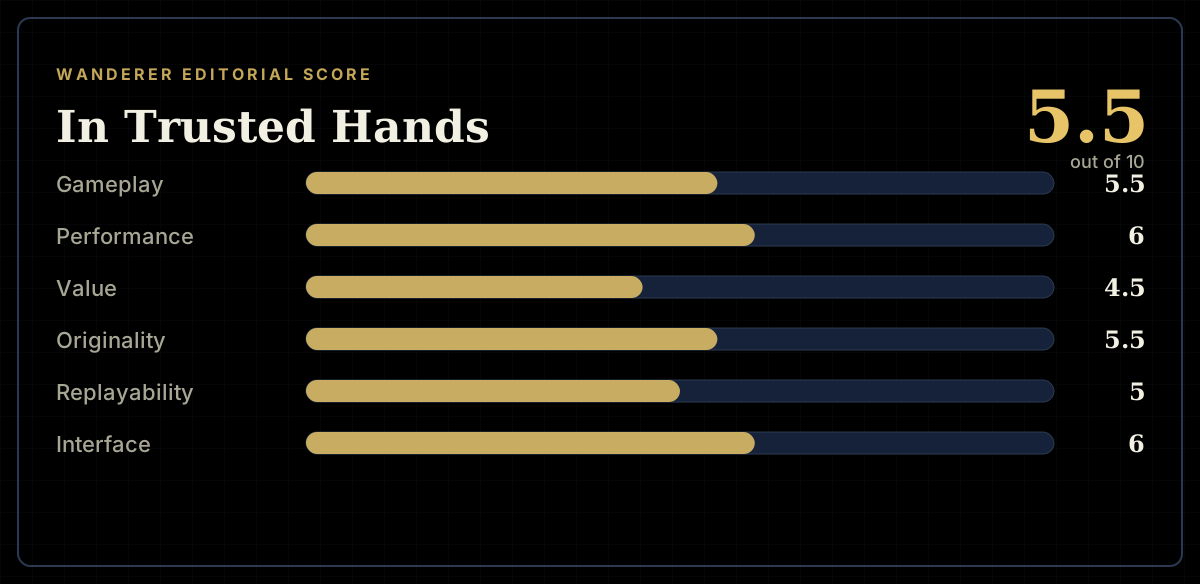
How the review scores each part of the gameWanderer Editorial -
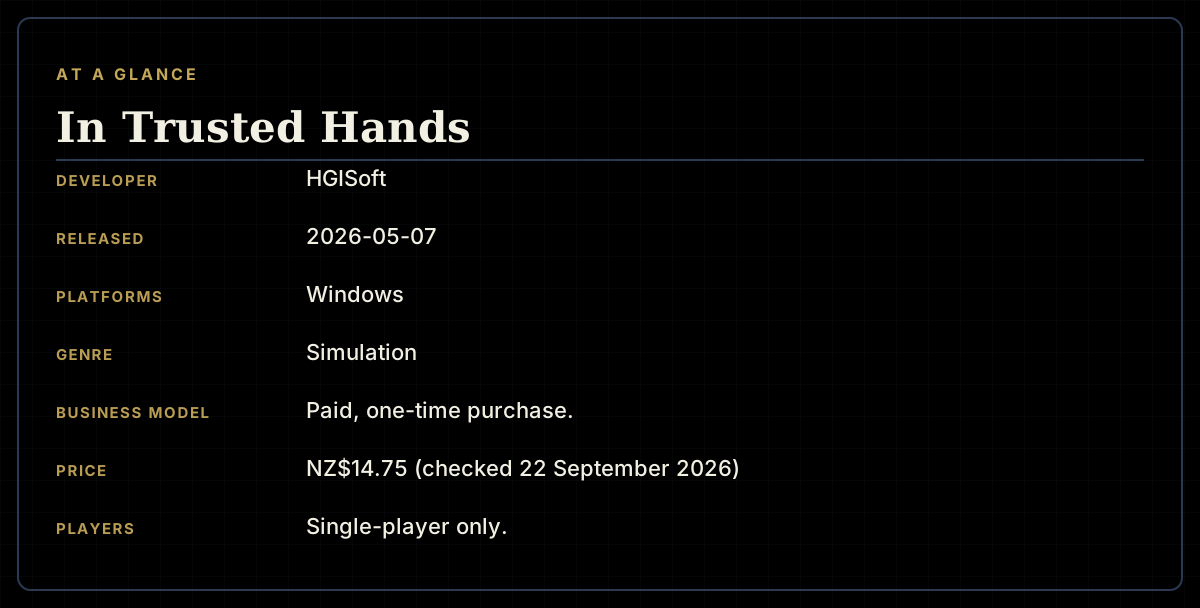
The specs at a glanceWanderer Editorial -
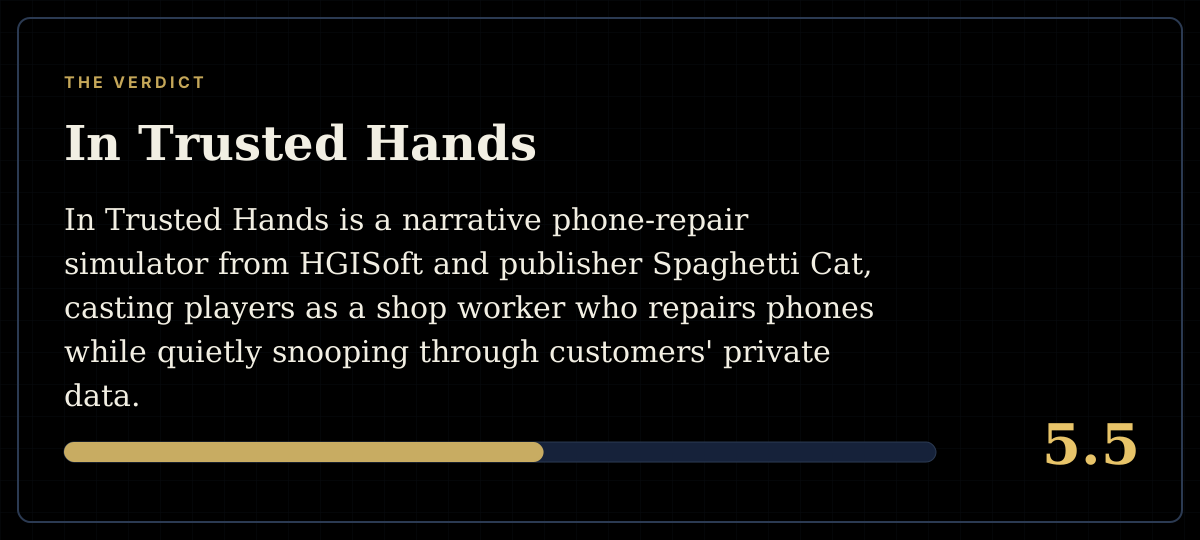
The short versionWanderer Editorial