Game review
Idle Galaxy
3.5 / 10
- Developer
- PaulArt
- Publisher
- PaulArt
- Released
- 4 June 2022
- Platforms
- Windows
- Genre
- Incremental Clicker
- Monetisation
- One-time purchase at NZ$1.59. No in-app purchases.
- Players
- Single-player only
The short version
Idle Galaxy is a small, cheap incremental clicker from PaulArt, the same solo developer behind The Billion Clicker. Where that game's problem was a shortcut that let players skip most of the intended challenge, this one's flaw runs the opposite way: reviewers describe the difficulty curve as actively backwards, with per-click power falling as you level up while upgrade costs stay flat or climb.
It's a small release with a small, mostly negative following -- 17 English reviews total, every one read in full for this piece -- sitting at Mostly Negative. The game also advertises background/idle progress that multiple reviewers say doesn't actually work as described.
Biggest strengths
- Extremely cheap at NZ$1.59, keeping the financial risk of trying it low
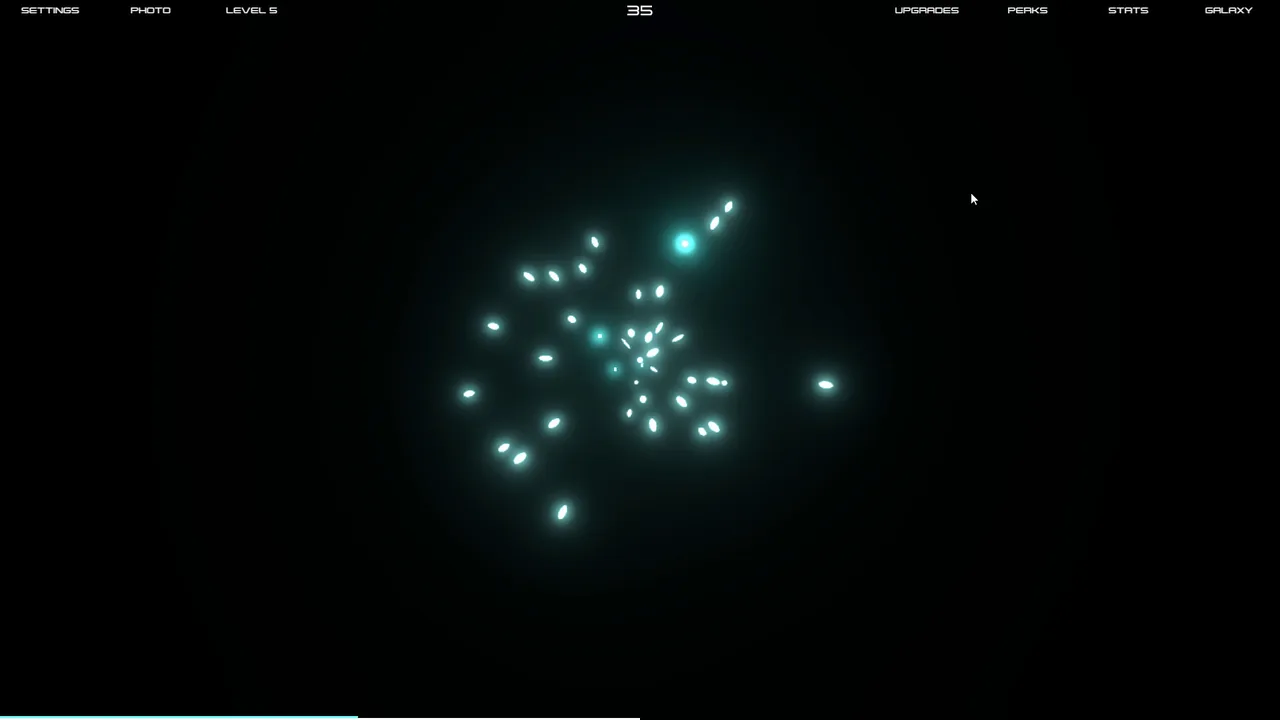
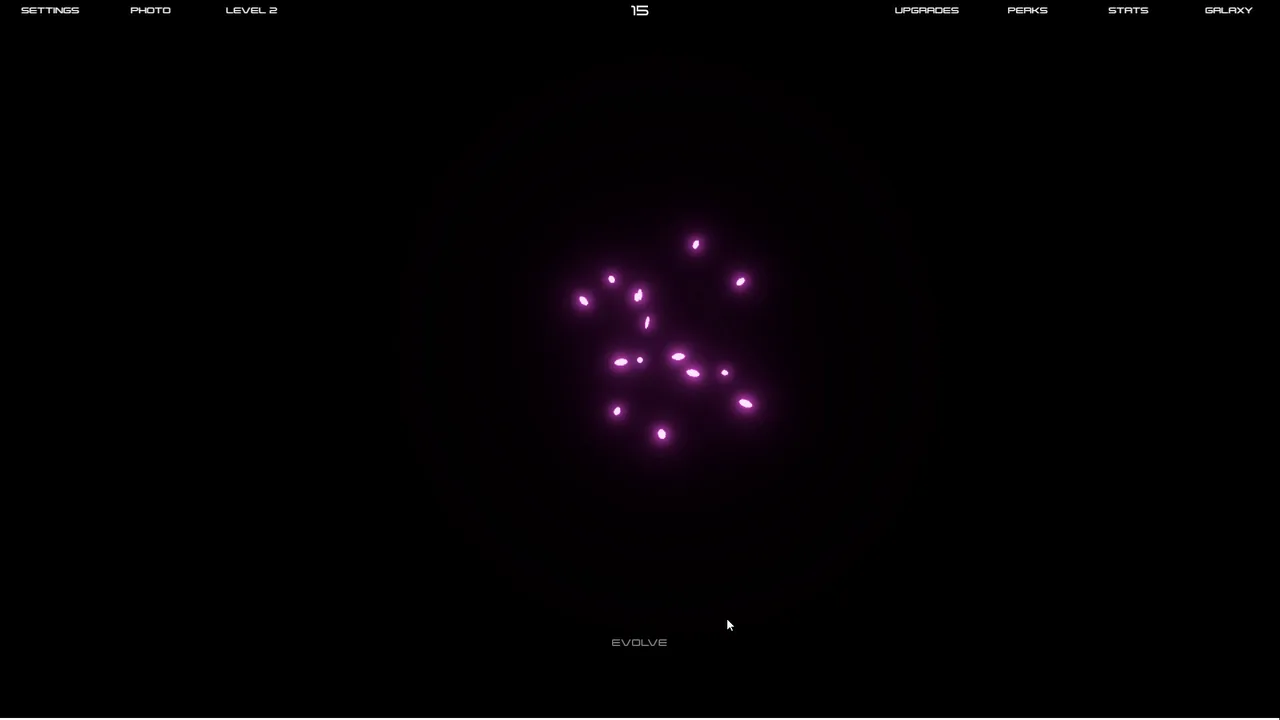
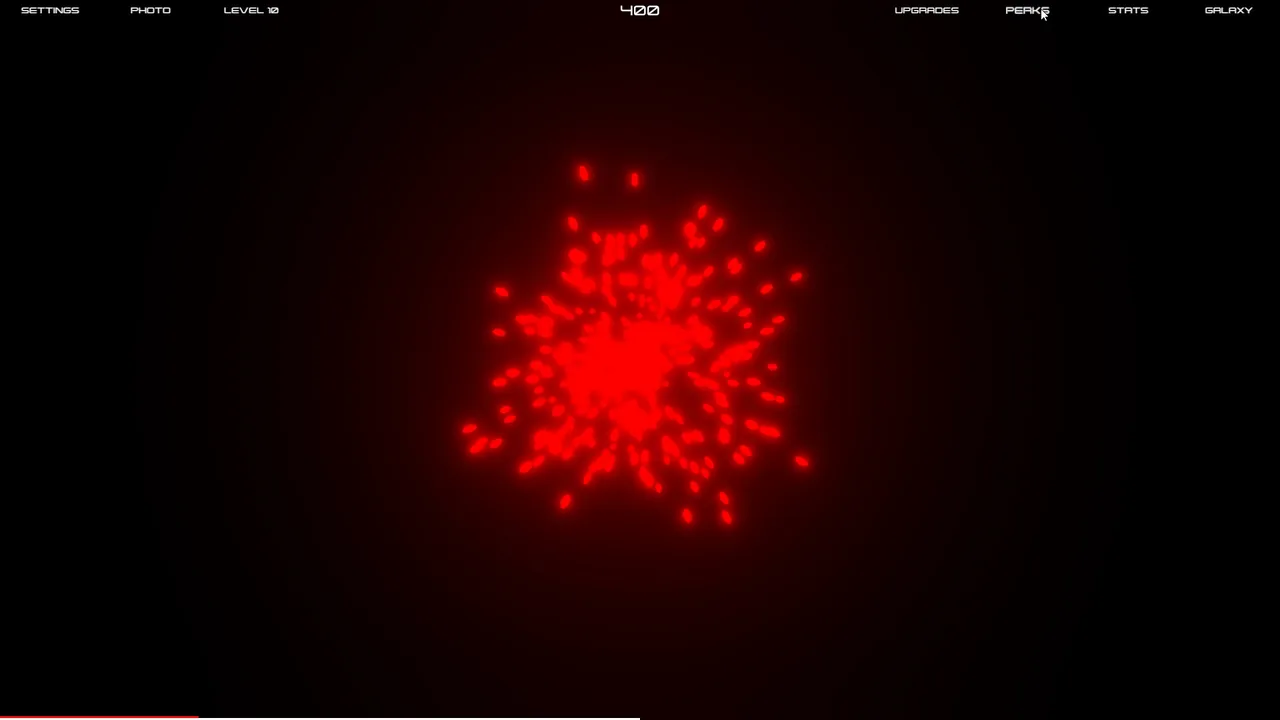
- Visually described as "pretty" by multiple reviewers, even ones who otherwise recommend against buying
- A gentle early achievement curve (97% and 95.4% for the first two milestones) suggesting the opening minutes are at least approachable before the balance issues set in
Biggest weaknesses
- Multiple reviewers independently describe the core balance as backwards -- power per click decreases as you level up while upgrade prices remain flat or rise, meaning skipping an upgrade at the wrong moment can make the game harder to recover from rather than easier
- The game markets itself as running in the background while you do something else, but several reviewers say this doesn't function as advertised
- No new mechanics are introduced past the opening minutes, according to multiple reviewers, with one describing it as "a lazy browser/Flash-tier number incrementer" rather than a real game
Who it's for: Very hard to recommend to anyone based on the available evidence, including committed incremental-genre fans -- the specific complaint here (a balance curve reviewers say works against progress rather than merely gating it) isn't the usual "too grindy" note this genre gets, it's a more fundamental design problem.
Our recommendation: Skip it. At NZ$1.59 the financial risk is minimal, but the review sample -- small as it is -- describes a specific, credible balance flaw rather than ordinary genre grumbling, and nothing in the available evidence suggests it was addressed.
3.5 / 10
Idle Galaxy comes from the same developer as The Billion Clicker, a game this library reviewed earlier and found genuinely interesting despite an exploitable Interest Rate stat that let players skip most of its intended challenge. Idle Galaxy shares the minimalist premise but not the underlying problem — where The Billion Clicker's flaw was a shortcut too generous to the player, this game's small, mostly negative review base describes something closer to the opposite: a balance curve reviewers say works against you.
A curve reviewers call backwards
The specific complaint, made independently by multiple reviewers in strikingly consistent detail, is that per-click power falls as you progress through levels while the cost of upgrades stays flat or rises. "The game balance is awful," reads one detailed review. "Linear power decrease, exponential cost increase. As you progress levels, you gain less per click, but the cost of upgrades stays the same. So if you skip a level without upgrading everything" the game becomes harder to recover from rather than easier. That's a materially different and more serious problem than the usual "too grindy" complaint this genre draws — it describes a system that can actively punish forward progress rather than merely gate it behind patience.
A second recurring complaint concerns the core promise of the genre itself: idle progress. The game's own marketing describes it running in the background while you do something else, and multiple reviewers say that doesn't hold up. "Game has some serious UI and balance issues," reads one. "This in particular is not at all my experience: 'Runs in background so you can spend time for something else while it plays itself.'" Combined with reports that no new mechanics appear past the opening minutes — "Idle Galaxy isn't really a proper game," reads one 2024 review, "it's just a lazy browser/Flash-tier 'number incrementer'" — the picture across this small sample is consistent and specific rather than scattered.
One review, from June 2022, adds a claim worth noting carefully rather than asserting as fact: that the developer deleted community discussion threads raising these balance concerns rather than addressing them. That's a single account, not corroborated by any other review in the available sample, so it's presented here as one reviewer's report rather than an established pattern — but it's specific enough, and consistent enough with the underlying balance complaint being real and unaddressed, to be worth flagging for anyone considering the purchase.
Not every review is negative. A handful of reviewers, including one logging over 200 hours, still call it "enjoyable" despite acknowledging "there is no idle in idle galaxy." That's a small, genuine minority rather than a meaningful counterweight to the pattern above.
3.5 out of 10. Idle Galaxy's review base is small, but what it describes is specific and credible rather than vague grumbling: a difficulty curve multiple independent reviewers say actively works against the player, a background-progress promise several say doesn't function, and no evidence in the available sample that any of it was fixed. At NZ$1.59 the financial stakes are low, but there's little here to recommend even at that price.
Pros and cons
Pros
- Extremely cheap at NZ$1.59, keeping the financial risk of trying it low
- Visually described as "pretty" by multiple reviewers, even ones who otherwise recommend against buying
- A gentle early achievement curve (97% and 95.4% for the first two milestones) suggesting the opening minutes are at least approachable before the balance issues set in
Cons
- Multiple reviewers independently describe the core balance as backwards -- power per click decreases as you level up while upgrade prices remain flat or rise, meaning skipping an upgrade at the wrong moment can make the game harder to recover from rather than easier
- The game markets itself as running in the background while you do something else, but several reviewers say this doesn't function as advertised
- No new mechanics are introduced past the opening minutes, according to multiple reviewers, with one describing it as "a lazy browser/Flash-tier number incrementer" rather than a real game
- One 2022 review reports the developer deleted community discussion posts raising these concerns rather than addressing them; this is a single account not corroborated elsewhere in the available sample, so treat it as one report rather than an established pattern
Screenshots
-
Idle GalaxyImage: PaulArt via Steam -
Idle GalaxyImage: PaulArt via Steam -
Idle GalaxyImage: PaulArt via Steam -
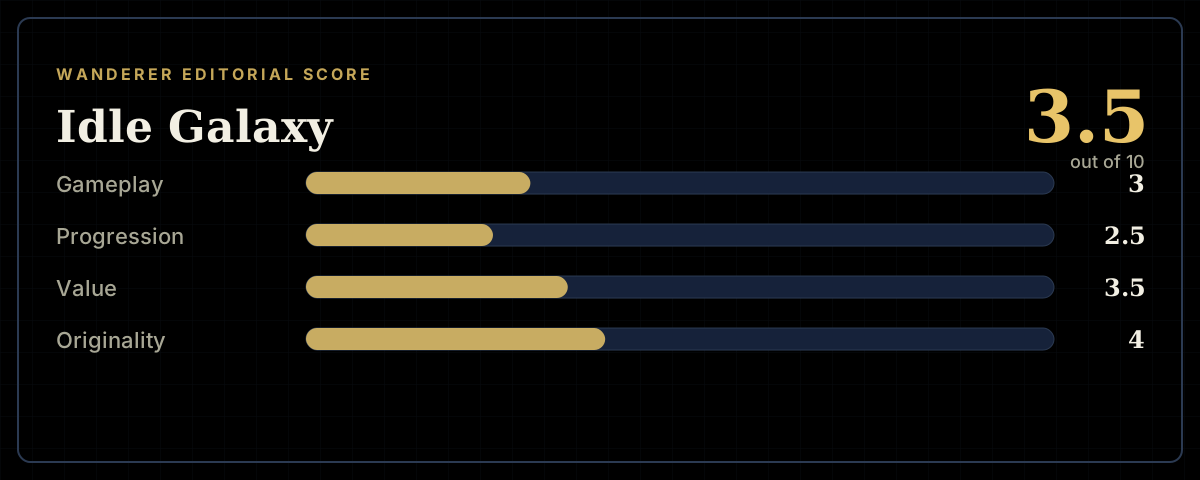
How the review scores each part of the gameWanderer Editorial -
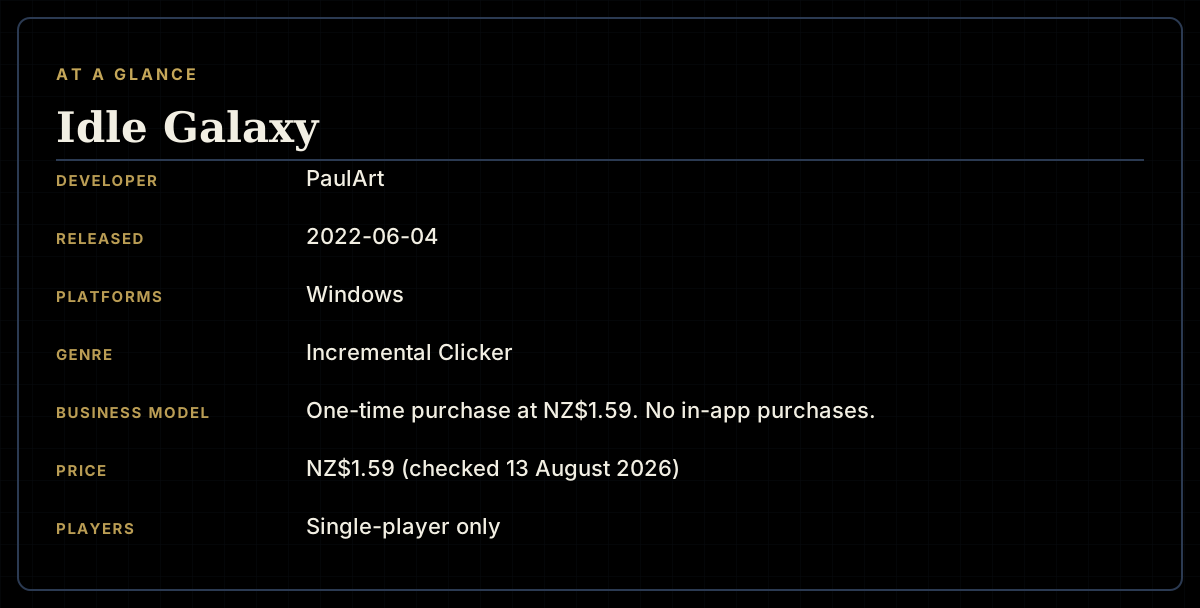
The essentialsWanderer Editorial -
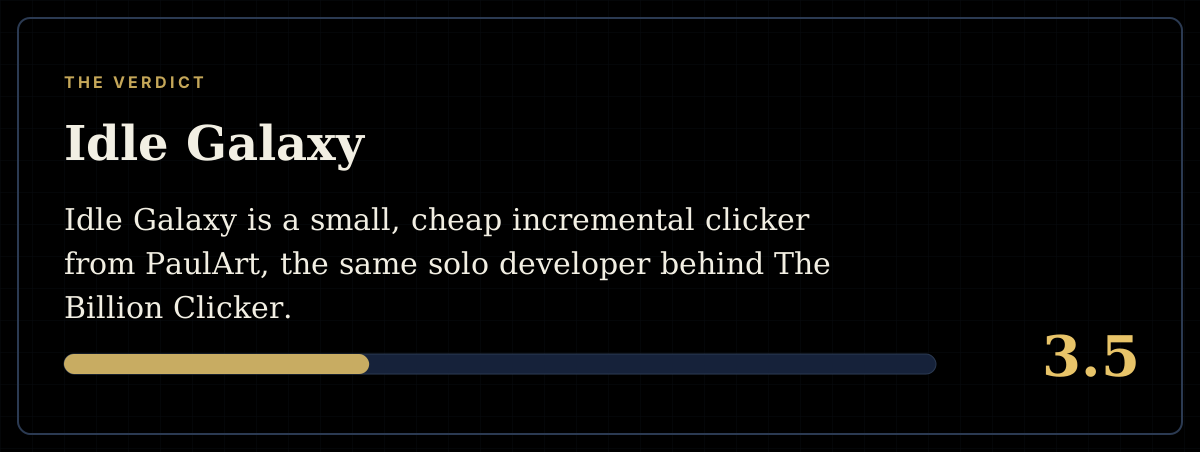
The short versionWanderer Editorial