
Game review
God For A Day
5 / 10
- Developer
- Funky Forest
- Publisher
- Funky Forest
- Released
- 16 June 2026
- Platforms
- Windows
- Genre
- Adventure, Casual, Indie, Simulation, Strategy
- Monetisation
- paid
- Players
- false
The short version
Biggest strengths
- A genuinely interesting premise, judging 35 strangers' fates as a minor deity and watching their fictional social-media community react to your rulings
- Consistently praised hand-drawn artwork that reviewers said held up even under close scrutiny
- Dark, satirical humor that several reviewers found landed well, particularly around the community-reaction endings
Biggest weaknesses
- Widely reported save-corruption bugs, with multiple independent reviewers describing lost progress after simply closing and reopening the game
- Graphical bugs and crashes, including a specific report of consistent crashes when alt-tabbing out of the game
- A repetitive back half, with several reviewers saying the moral weight of each ruling wears thin once the format's novelty fades
Who it's for: Fans of Papers, Please or Death and Taxes looking for a shorter, darker-humored take on the judge-a-stranger's-fate genre, who can tolerate a rough, occasionally save-breaking launch build
Our recommendation: not recommended yet
5 / 10
Playing judge, jury, and minor deity
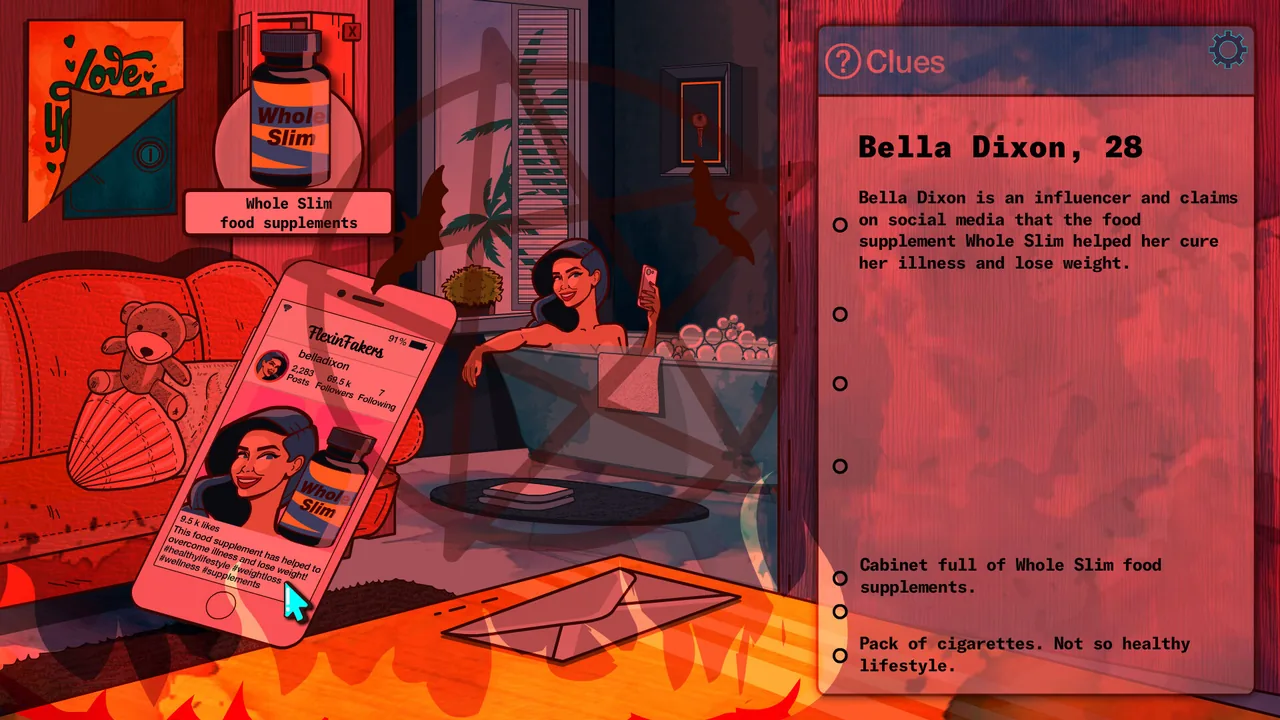
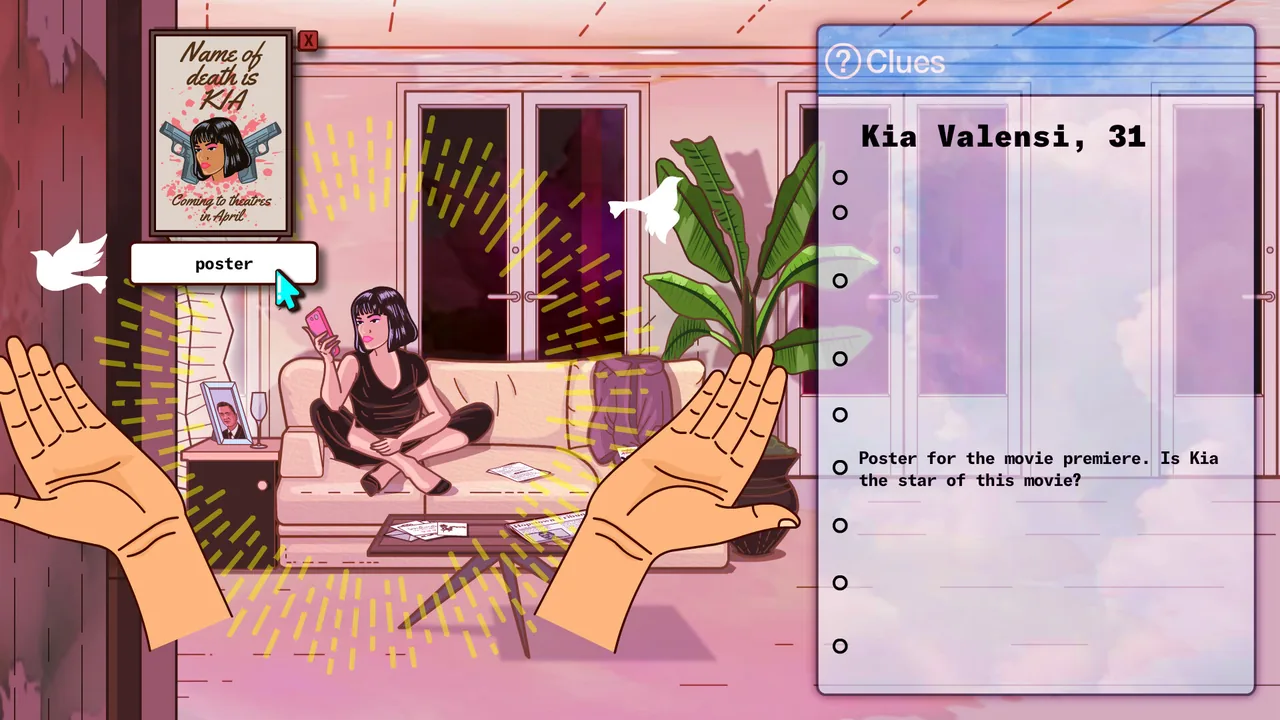
God For A Day casts players as a small-time god tasked with judging 35 people's lives, gathering clues about each one's circumstances before deciding whether to bless or condemn them, then watching a fictional social network react to the verdict. One detailed reviewer laid out the loop clearly: "Gameplay + difficulty, it's a pretty easy point and click, finding clues in a scene to see what a person's life is like before deciding to bless or condemn them... Story is pretty decent. You get to learn about the circumstances 35 people are living in and then watch how people react on twitter after to bless or condemn them. After all your rulings, you get to see how your decisions shaped the community and then get an ending based on how many followers you have." That reviewer, who spent close to two hours on a single careful playthrough, called it worthwhile overall: "I like the game. I love the cat. Worth the money."
Dark humor and a distinctive premise
Several reviewers responded strongly to the game's satirical tone and willingness to needle real-world social and political targets through its cast. One wrote, "What it basically boils down to is a bit of satire, where you find objects on a page, which is compiled into some evidence list, and from there you either bless or condemn the person in question. So, you can condemn someone for being a woke lefty, or bless an influencer or memecoin market moron, whatever floats your boat." Another framed the game's positioning more positively against its clearest genre comparison: "This game is not making a mockery or insulting a specific religion. At all. It is quite hilarious, not blasphemy. I believe even God also has a great sense of humor and won't be easily offended." Not everyone found the satire as sharp; one player who had put significant hours into comparable games, Papers, Please and Death and Taxes specifically, felt the humor and moral stakes fell short of that bar: "I was particularly not a fan of most of the characters you were passing judgment on being celebrities or other well-known fictional characters as I often knew what my judgement was going to be without even finding the clues."
A launch build with real, reported bugs
The pool's most consistent and serious complaint concerns technical stability, particularly around saved progress. One reviewer wrote, "My main issue is the save system. I have played the game on three separate occasions, and each time the 'Continue' option appeared on the home screen. However, after closing and reopening the game, my save file had either been corrupted or deleted, forcing me to start again from the beginning. I have also noticed that several other players have reported the same issue in their reviews." Another reviewer independently confirmed the same category of problem: "The decisions you make, which is 90% of the game, hold no real weight aside from a quick social media blurb and an in game achievement that is buggy and will likely reset itself. It reset my whole save on my 11th or 12th appraisal." A third flagged a specific, reproducible crash: "You can't change the resolution, Alt+Tab causes the game to crash quite consistently." Even the pool's most detailed positive review, itself recommending the game, documented a lengthy list of crashes and stuck cutscenes encountered on launch day.
Repetition undercutting the premise's promise
Beyond outright bugs, several critical reviewers felt the core loop doesn't sustain its own length. One wrote, "After the first few judgements it becomes a very repetitive and monotonous game and as some other reviews said, there was really no moral dilemmas to be had." Another reviewer made a similar point about the hidden-object half of the loop specifically: "The other 10% of the game is a hidden object game, and I cant recommend that either because you're searching for 'suspicious' things but it comes down to clicking everything on screen for a minute or two until all you have is a lackluster puzzle to solve for your key piece of evidence." That reviewer also flagged the price directly against the experience length: "I think the asking price of $13 is steep while it contains bugged progression and lacks the depth of similar games that are a better deal."
A notable minority reacting to the premise itself, not the game
Separate from the pool's mechanical and technical criticism, a smaller cluster of negative reviews object to the game's central conceit on religious grounds rather than reviewing its design, arguing that a game about judging people as a stand-in deity is itself objectionable. That reaction sits alongside, but distinct from, the substantive critical reviews quoted above, and reviewers on both sides of the actual gameplay debate largely treated it as a separate conversation from whether the game works mechanically.
Verdict
God For A Day has a genuinely interesting hook, judging strangers' fictional lives and watching a community react to your choices, wrapped in likeable hand-drawn art and a dark comic tone that lands for a meaningful share of its audience. But its launch build carries real, independently corroborated technical problems, most seriously a save system that multiple reviewers reported losing hours of progress to, alongside a back half several found too repetitive to justify a roughly $13 price. Genre fans curious about a lighter, more narrative-driven cousin to Papers, Please should keep an eye on patch notes before buying at full price, and strongly consider waiting for a stability pass or a deeper discount.
Pros and cons
Pros
- A genuinely interesting premise, judging 35 strangers' fates as a minor deity and watching their fictional social-media community react to your rulings
- Consistently praised hand-drawn artwork that reviewers said held up even under close scrutiny
- Dark, satirical humor that several reviewers found landed well, particularly around the community-reaction endings
- A distinct spin on the "judge a life through clues" genre, less procedural than Papers, Please and more narrative-driven
Cons
- Widely reported save-corruption bugs, with multiple independent reviewers describing lost progress after simply closing and reopening the game
- Graphical bugs and crashes, including a specific report of consistent crashes when alt-tabbing out of the game
- A repetitive back half, with several reviewers saying the moral weight of each ruling wears thin once the format's novelty fades
- A roughly $13 asking price several reviewers felt didn't match a one-to-two-hour, largely one-and-done experience in its launch state
Screenshots
-
God For A DayImage: Funky Forest via Steam -
God For A DayImage: Funky Forest via Steam -
God For A DayImage: Funky Forest via Steam