Game review
Game of Thrones: Kingsroad
5.5 / 10
- Developer
- Netmarble Neo
- Publisher
- Netmarble
- Released
- 21 May 2025
- Platforms
- Windows, iOS, Android
- Genre
- Action RPG
- Monetisation
- Free to play, funded by a battle pass (priced around NZ$35 per season by several reviewer accounts), an optional monthly subscription, over a dozen distinct in-game currencies, and paid options including inventory expansion, fast travel and revival items; reviewers consistently describe the structure as unusually aggressive even by mobile-RPG standards
- Players
- Limited online co-op restricted to specific dungeon content; the main story and open world are single-player
The short version
Game of Thrones: Kingsroad casts players as an illegitimate child of a minor Northern house, navigating the political intrigue of Westeros and the looming threat beyond the Wall through an open-world action RPG built on manual, souls-adjacent combat. Reviewers who approach it skeptically are frequently surprised by what the game gets right: voice acting several describe as close to the original HBO cast in quality, a story that respects the source material's political complexity, and combat one reviewer compares favourably to Assassin's Creed Odyssey. Steam rates it Mixed at 60.5% across more than 1,200 reviews, and the reason is remarkably consistent across almost the entire negative sample and a meaningful share of the positive one too: monetisation aggressive enough that reviewers reach for phrases like "money printing machine" and describe over a dozen separate currencies, a paid battle pass, an optional monthly subscription, and — repeatedly singled out as the most galling single moment — a prompt to pay real money to revive on death. Developer Netmarble Neo announced in July 2026 that the Global version is undergoing a significant service restructuring, merging systems with a separately-run Asia build, with the specific impact on existing players' progress still unannounced as of this review.
Biggest strengths
- Voice acting and story quality draw genuine, repeated praise, with several reviewers describing it as close to HBO's original cast in delivery and faithful to the political complexity that made the source material distinctive
- Combat is described by multiple reviewers as more engaging than expected, with manual dodging, parrying and skill-driven encounters drawing favourable comparisons to Assassin's Creed Odyssey and Souls-like design
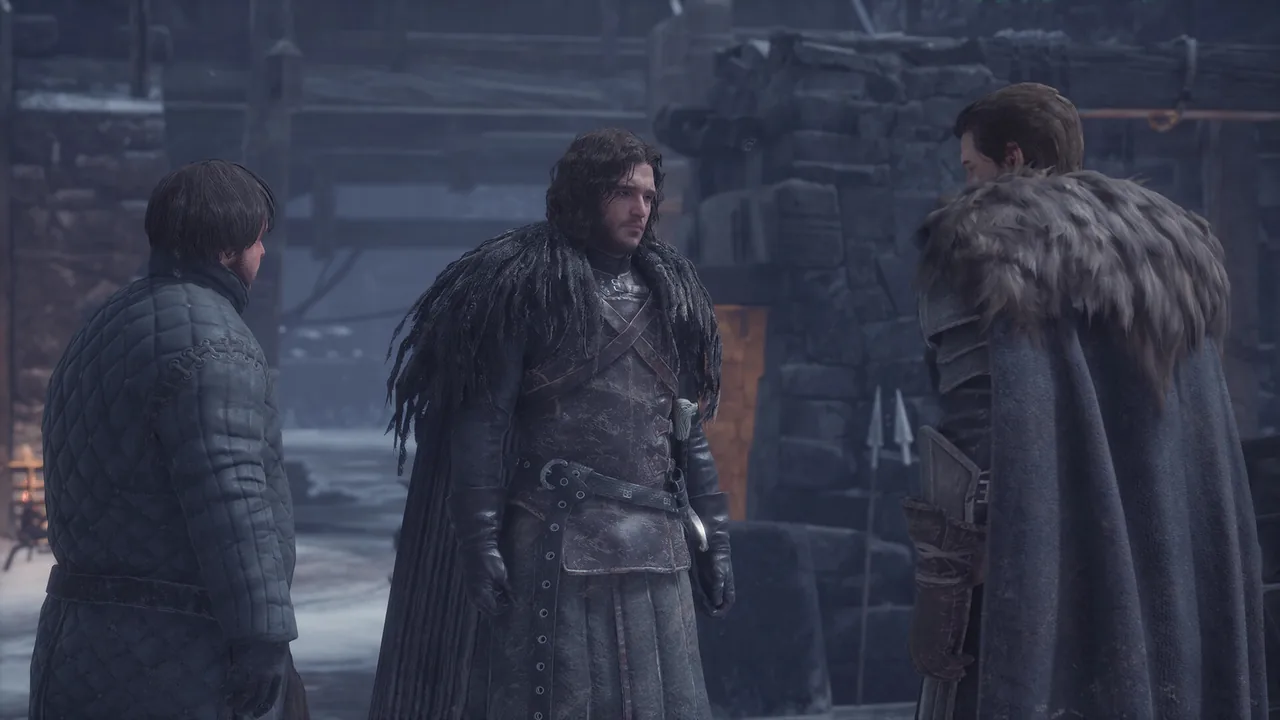
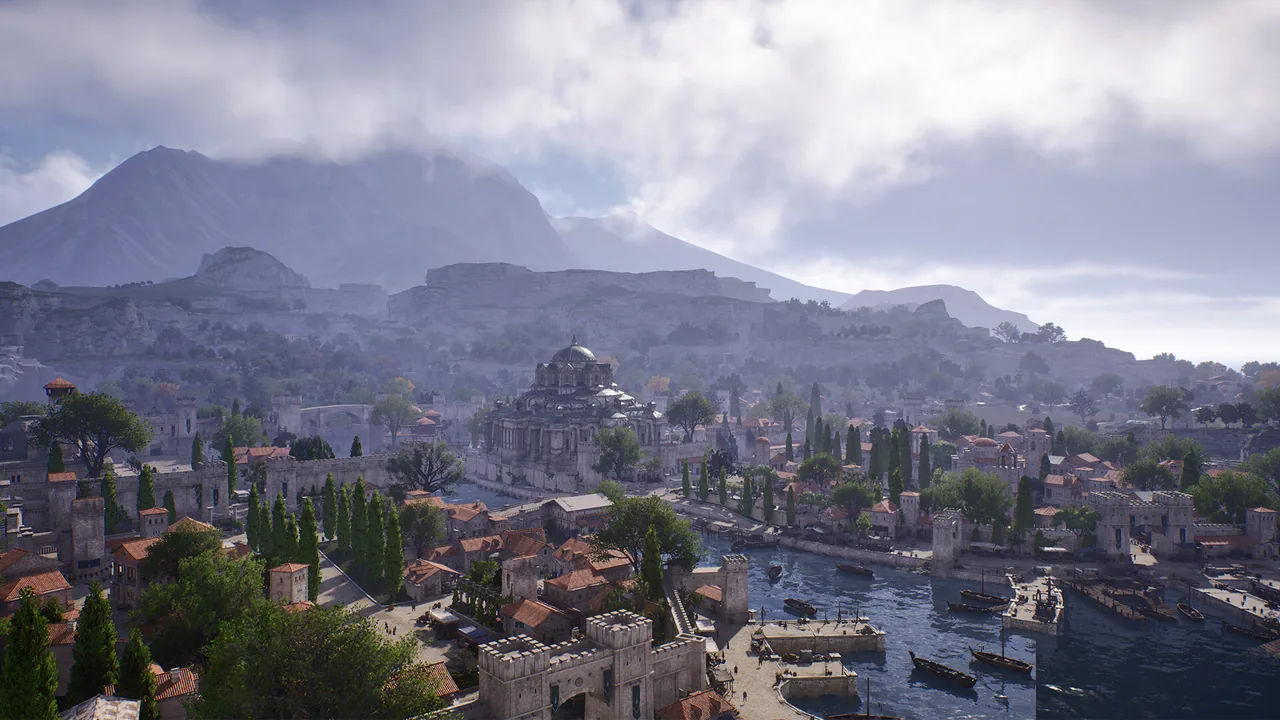
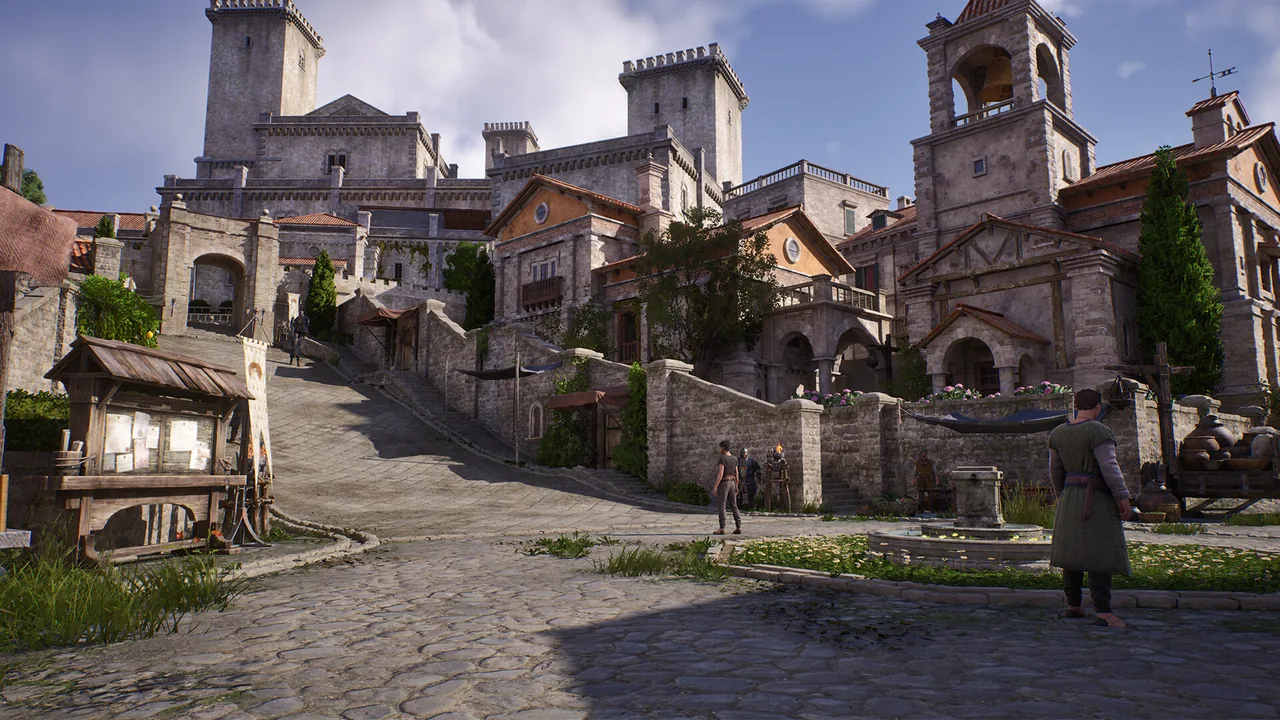
- World design and scale draw consistent praise, letting players explore recognisable Westeros locations from King's Landing to Castle Black with real visual care
Biggest weaknesses
- Monetisation is the review sample's dominant and most consistent complaint by a wide margin, with reviewers describing over a dozen distinct in-game currencies, a paid battle pass, and an optional monthly subscription layered on top of a free base game
- A specific, repeatedly cited moment — being prompted to pay real money to revive immediately on death — is singled out by multiple reviewers as the point where they stopped playing entirely
- Progression is reported to become heavily timegated and paywall-dependent starting around the 18-to-20-hour mark, with even one 500-hour veteran describing the endgame reward and loot systems as poorly balanced for long-term play
Who it's for: Committed Game of Thrones fans specifically curious about the story and setting, who are prepared to treat the game as a mostly-free single-player experience and consciously avoid engaging with its cash shop rather than chasing full progression.
Our recommendation: Worth trying for free specifically for GoT fans who want the story and setting, provided you go in with clear eyes about the monetisation and are prepared to stop playing once the paywalls start blocking meaningful progress rather than pay to push through them.
5.5 / 10
Licensed games built around beloved fiction face a specific double bind: get the tone and lore wrong and fans revolt immediately; get it right and the game still has to stand on its own mechanical merits. Game of Thrones: Kingsroad, from Netmarble Neo, mostly clears the first hurdle — reviewers who came in skeptical, expecting a cheap cash-in on the franchise's name, describe being genuinely surprised by how much care went into the writing, world and voice work. What keeps this review from a straightforward recommendation is the second hurdle, and it's not a subtle one: monetisation aggressive enough that it's the dominant topic across virtually the entire negative review sample, and a real source of friction even for players who otherwise like what the game is trying to do.
A Westeros that earns some real respect
The setup casts players as an illegitimate scion of a minor Northern house, thrust into restoring their family's standing against the backdrop of the show's familiar political tensions and the approaching threat beyond the Wall. Reviewers who braced for a hollow cash-in describe being caught off guard by the writing's actual quality. "As a longtime fan of Game of Thrones, I wasn't exactly hyped when I first heard about this game," one review opens, before describing genuine satisfaction with how the story handles the setting. Voice acting draws specific, sustained praise — "the voice acting does often feel like it could be the original cast," one detailed 67-hour review states, a meaningful claim for a licensed game where mismatched voice work can break immersion instantly. Combat draws similarly specific comparisons: "combat is good, reminds me of Assassin's Creed Odyssey," one reviewer notes, while others describe manual dodging, parrying and skill chains that require genuine attention rather than button-mashing through encounters.
Where the goodwill runs into a wall
None of that survives contact with the review sample's dominant, overwhelming complaint. "Could be a great game but its really just too greedy," one review opens, going on to specifically cite a roughly NZ$35 battlepass and an optional monthly subscription on top of it. Another, more comprehensively: "Frustrating. Disappointing. Money Grab. Crippled Game-play. Wasted potential. These are the words that come to mind when I think of GoT: Kingsroad." The specific mechanics draw pointed, detailed criticism rather than vague grumbling — reviewers describe over a dozen distinct in-game currencies, paid inventory expansion, paid fast travel, and paid revival items, with one memorably summarising the pattern: "Battle pass, subscription, paid inventory expansion, loot boxes, paid estus, paid fast travel, pay to win, pay to play." Another reviewer distills the core tension bluntly: "This is disappointingly a mobile game ported to PC that turned out to be The Witcher from Temu."
The single most repeated specific moment, cited independently across multiple reviews as the exact point they stopped playing, is a real-money prompt to revive immediately after death. "As soon as I died and was asked to pay to be revived, I quietly exited the game and refunded," one review states plainly — a moment that lands with particular force because it interrupts play at its most vulnerable point, immediately after failure, rather than being an optional cosmetic upsell a player can simply ignore. Timing compounds the frustration for players who invest real hours before hitting it: "after around the 18-20hr mark, the game becomes extremely reliant on timegating and struggles to handle its currencies with any respect for the user's time or balancing, tilting the game harshly into Pay-to-Progress," one detailed review states — suggesting the early hours are deliberately generous before the real economic pressure sets in. A player with 500 hours invested — evidence of genuine, sustained engagement rather than a casual bounce-off — offers perhaps the most credible long-term verdict available: "It's good for playing the content once. After that, you should stop. Then endless replays come into play. The RP system limits loot and progress. The reward system is bad. Even after 500 hours" the core economy still doesn't respect a dedicated player's time.
A more measured minority
It's worth being fair to the review sample's more measured voices, who exist in real numbers and push back specifically against overstated "unplayable P2W" claims. "TLDR; It is not a p2w game, at least not in the sense of participating in PvP. It is primarily a solo PvE with a decent story, earnable cosmetics," one detailed review argues, noting that most currency can be earned through play rather than purchase for players not chasing full completion. Another, with over 60 hours invested specifically to give the game a fair shake rather than a reflexive one-death refund, writes: "a lot of the negativity out there" doesn't match their own extended experience. That tension — real, structural monetisation pressure that becomes serious around the 18-to-20-hour mark and at the endgame, layered under genuinely enjoyable early-to-mid content that a meaningful number of players complete without feeling forced to spend — is a fair and necessary complication to the game's more sweeping "pure cash grab" characterisations, even as it doesn't erase the legitimacy of those complaints for players who do hit the wall.
A significant service change still unfolding
Adding a further layer of uncertainty, Netmarble Neo announced in July 2026 that the Global version of Kingsroad is undergoing what the studio calls a "Global Integration" — a consolidation with the separately operated Asia build's "enhanced systems and service structure," targeted for completion within the third quarter of 2026. As of this review, the specific transition timeline and how existing players' progress and purchases will be handled remain unannounced, with the developer's own July note explicitly apologising for the delay in sharing details. That's a genuinely significant, official, verifiable development for anyone considering investing real time or money into the game right now — it's worth knowing that a substantial structural change to the game's service is actively in progress rather than treating the current build as a stable, settled baseline.
Where this leaves a player
At zero upfront cost, Game of Thrones: Kingsroad is a low-risk way for genuine ASOIAF fans to experience a story and world that a meaningful share of skeptical reviewers describe as better than expected. The clear-eyed caveat, and it's a serious one, concerns what happens once a player tries to engage more deeply: monetisation aggressive enough to draw sustained, specific, well-documented criticism from a majority of the game's own negative reviews, anchored by a pay-to-revive prompt several reviewers cite as their exact breaking point, and a timegating structure that tightens substantially after the opening 20 hours. Players prepared to treat this as a free, mostly single-player story experience — and to simply stop rather than pay when the paywalls appear — are likely to find real value in the early-to-mid game. Players hoping to fully progress, gear up competitively, or invest serious time long-term should weigh the endgame complaints above carefully, and keep in mind that the game's underlying service structure is itself mid-transition as of this review.
Pros and cons
Pros
- Voice acting and story quality draw genuine, repeated praise, with several reviewers describing it as close to HBO's original cast in delivery and faithful to the political complexity that made the source material distinctive
- Combat is described by multiple reviewers as more engaging than expected, with manual dodging, parrying and skill-driven encounters drawing favourable comparisons to Assassin's Creed Odyssey and Souls-like design
- World design and scale draw consistent praise, letting players explore recognisable Westeros locations from King's Landing to Castle Black with real visual care
- A meaningful share of players report enjoying dozens of hours of story and exploration without feeling forced to spend money, provided they don't chase full progression or cosmetic completion
Cons
- Monetisation is the review sample's dominant and most consistent complaint by a wide margin, with reviewers describing over a dozen distinct in-game currencies, a paid battle pass, and an optional monthly subscription layered on top of a free base game
- A specific, repeatedly cited moment — being prompted to pay real money to revive immediately on death — is singled out by multiple reviewers as the point where they stopped playing entirely
- Progression is reported to become heavily timegated and paywall-dependent starting around the 18-to-20-hour mark, with even one 500-hour veteran describing the endgame reward and loot systems as poorly balanced for long-term play
- Co-op is more limited than its marketing implies, restricted to specific dungeon content rather than the full open world, a distinction several reviewers describe as misleading
Screenshots
-
Game of Thrones: KingsroadImage: Netmarble via Steam -
Game of Thrones: KingsroadImage: Netmarble via Steam -
Game of Thrones: KingsroadImage: Netmarble via Steam -
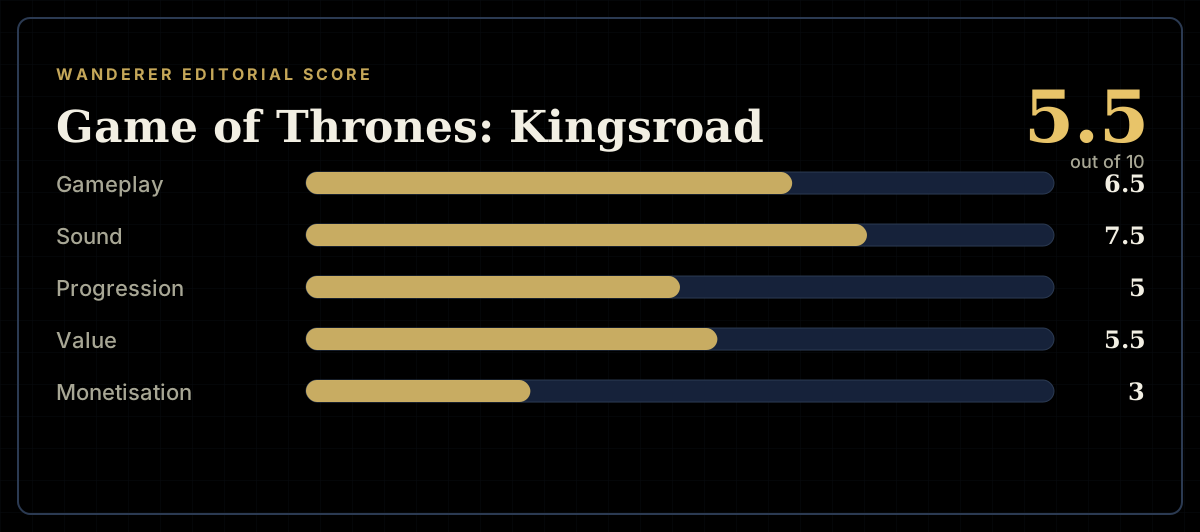
How the review scores each part of the gameWanderer Editorial -
The short versionWanderer Editorial