Game review
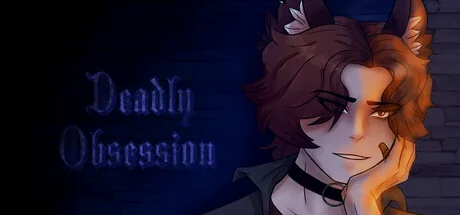
Deadly Obsession
8 / 10
- Developer
- Oni Okami Studios
- Publisher
- Oni Okami Studios
- Released
- 26 June 2026
- Platforms
- Windows
- Genre
- Indie, Free To Play
- Monetisation
- free-to-play
- Players
- false
The short version
Biggest strengths
- A genuinely well-written antagonist/love interest whom reviewers repeatedly described as sympathetic and complex rather than a flat, one-note yandere archetype
- A wide, genuinely distinct spread of endings, several reviewers specifically praised as meaningfully different from one another rather than reskins of a single outcome
- Strong art and expressive character art for a solo-developer project using commissions and bought assets, praised consistently as punching above its budget
Biggest weaknesses
- Grammar and spelling errors throughout the script, corroborated by three separate reviewers, though generally described as a minor distraction rather than a serious problem
- A cluster of the game's 'good' endings were independently flagged by two reviewers as starting to feel same-y, tied to a recurring convenience-store setting that shows up across several of them
- Some worldbuilding questions around the antagonist's nature are left entirely unaddressed in-game, according to one reviewer who wanted at least a passing acknowledgment from the story itself
Who it's for: Fans of yandere and otome visual novels (Doki Doki Literature Club was cited repeatedly as a reference point) looking for a free, surprisingly substantial story with real emotional range, less suited to players who need polished, error-free prose or major genre subversion
Our recommendation: recommended
8 / 10
Deadly Obsession released in full on Steam on June 26, 2026, from solo developer Oni Okami Studios, a free psychological horror visual novel in which a kidnapped protagonist must navigate an obsessive captor's affections, with player choices determining whether they escape, resist, or fall into his "twisted love." Its 21-review English pool is a perfect Positive (21 up, 0 down, 100%), and the reviews themselves are consistently detailed and specific rather than a wall of one-line praise, which makes the near-total consensus genuinely persuasive rather than suspicious.
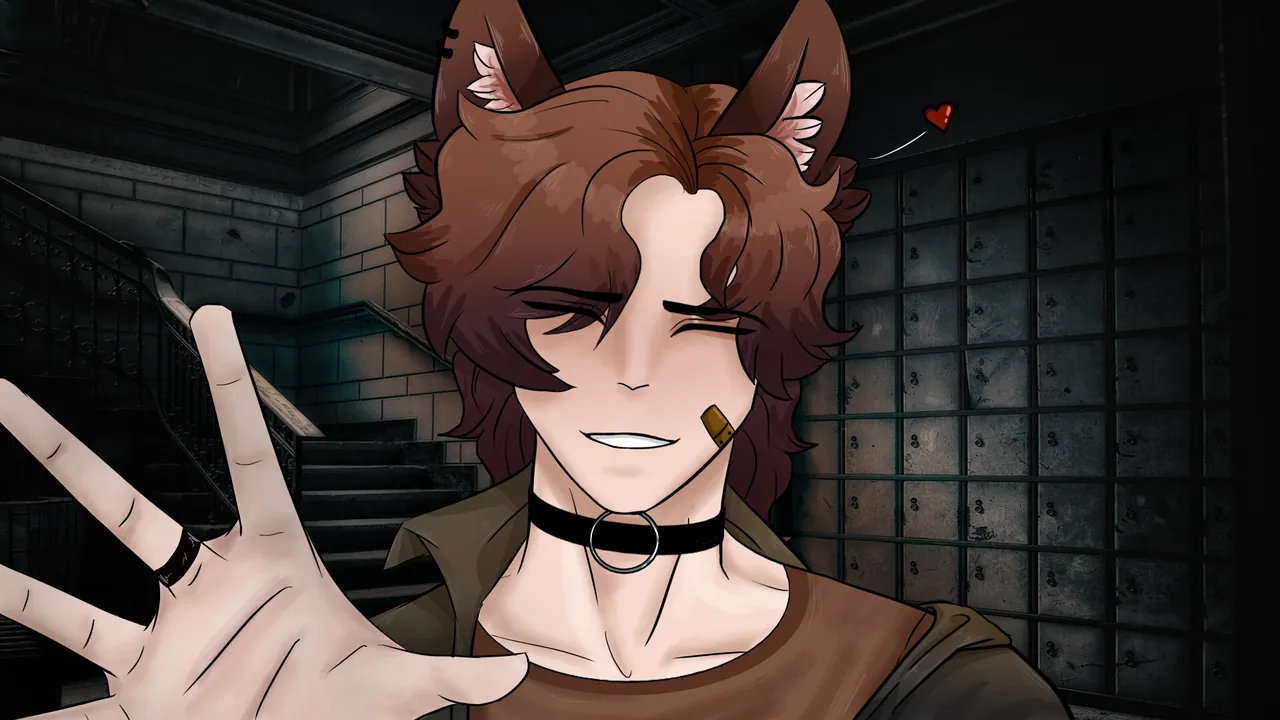
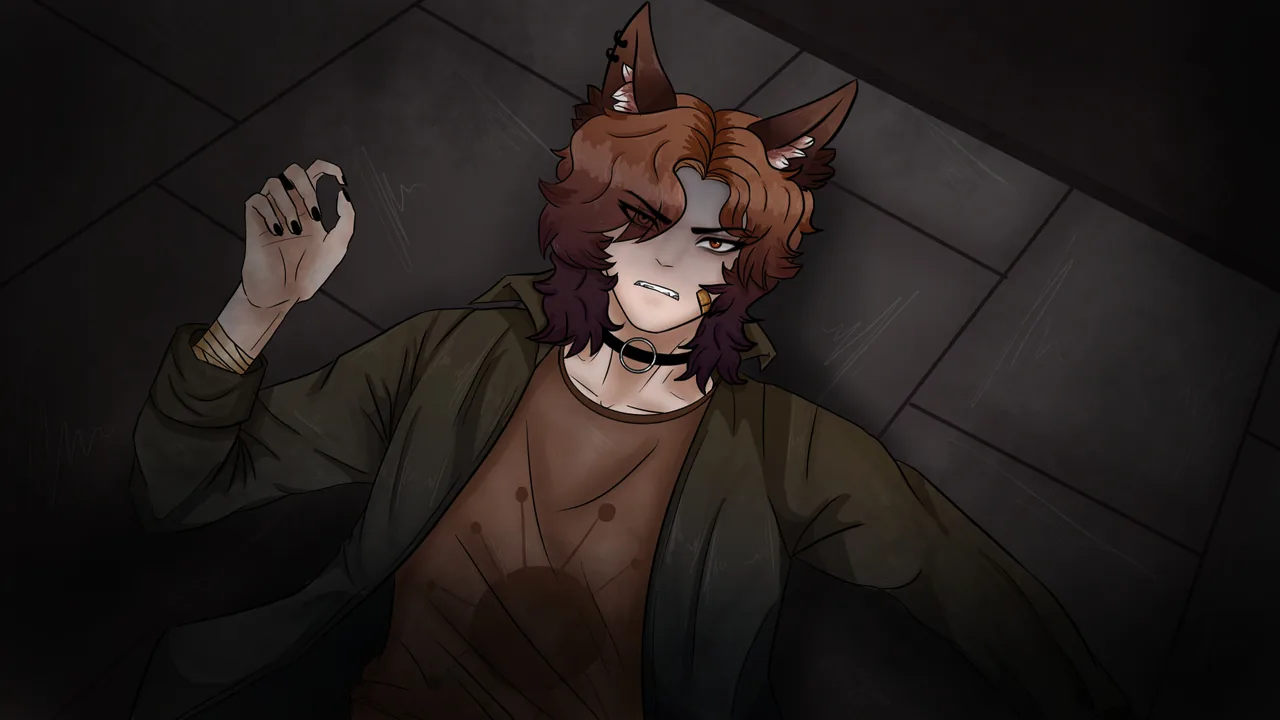
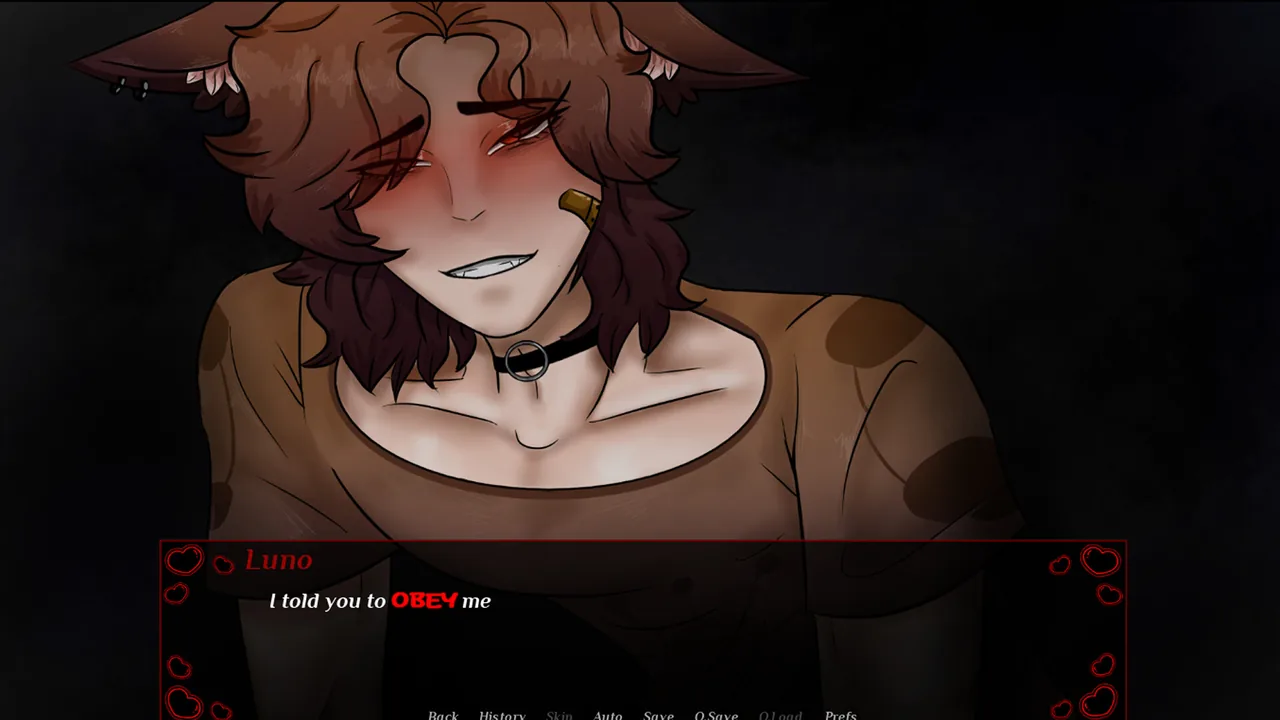
The antagonist, Luno, is by far the pool's most discussed and most praised element. One detailed reviewer, who spent roughly five hours reaching full completion, called him "very well written, as a yandere can be," noting he "can be nice, and he can be cruel, but it makes sense for his character," adding that the writing "helps you sympathize with him in several of the endings." Another reviewer, comparing the game directly against Doki Doki Literature Club as their entry point into the genre, wrote plainly that they "absolutely love Luno" and "honestly think I like him even more than Monika from DDLC," specifically praising one ending that "actually made me tear up." A third reviewer described him as "both soft and sweet with the player" while capable of becoming "aggressive and murderous at one wrong move," framing that contrast as the character's central appeal rather than a tonal inconsistency.
Ending variety earns similarly specific, repeated praise. One reviewer explicitly credited the writing for making the game's "unique endings" tagline honest rather than marketing exaggeration, noting that as you "play through each ending, you quickly notice the uniqueness, from the backstory, to the endings, each one slightly different enough with several having wildly different contexts." Another reviewer who had already played the game's earlier itch.io release specifically returned for the Steam version to chase every achievement, calling the "wide range of endings" genuinely fun to pursue in full.
Presentation draws consistent, appropriately measured praise given the game's scope. One reviewer noted the music, sound, and art "aren't divine masterpieces" but "work well," singling out the art specifically as something that "quickly grew on me," while a separate reviewer described the atmosphere as "creepy without overdoing it," with art and character expressions that "work really well for the kind of story it's telling." Multiple reviewers explicitly framed the entire package as remarkable output for one person working with commissions and purchased assets rather than a full team.
The pool's most consistent complaint is grammar and spelling. One reviewer called it "the biggest issue I noticed in the game," while a second independently listed "correction of a few spelling/grammar mistakes" among their wishes for improvement, and a third simply noted "a few grammatical errors" before otherwise praising the game unreservedly. None of the three treated it as a serious flaw, but the fact that three separate reviewers landed on the same specific issue makes it worth flagging as a genuine, if minor, rough edge rather than a one-off nitpick.
A second, more structural complaint concerns ending variety wearing thin in places. One reviewer's otherwise glowing review noted "some of the endings feel a bit same-y" as their only real complaint, and a separate reviewer made a closely related observation, praising the story and art while noting "the good endings could have a bit more variety" since "the convenience store started getting a bit old" as a recurring setting. Two independent reviewers flagging the same specific pattern, repeated settings across certain endings, suggests it's a real, if contained, soft spot in an otherwise ambitious branching structure.
A smaller, single-source note comes from a reviewer who wanted the game to engage more directly with its own worldbuilding, specifically wondering what Luno actually is (the game implies some kind of hybrid nature via his ears, never explained), and whether such hybrids are common in the game's setting. It's a minor, curiosity-driven complaint rather than a real critique of the writing, but worth including since it reflects genuine engagement with the story rather than indifference.
Several reviewers went out of their way to place the game within the broader yandere visual novel landscape, and the comparisons are consistently favorable. One reviewer, describing themselves as someone who plays "a lot of yandere visual novels," specifically called the plot twist "more original than what I'm used to seeing" in the genre. Another, who described struggling to find a yandere title they truly loved since Doki Doki Literature Club, called this one "perfect" by comparison, while a third suggested fans binge similarly toned games afterward, framing Deadly Obsession as a strong entry point rather than a niche curiosity. That pattern, genre veterans specifically calling out what makes this one stand apart rather than just enjoying it in isolation, is a meaningfully stronger endorsement than generic praise would be.
The reviewer with the most complete playthrough also made a point of recommending the game's asking price be reconsidered in the audience's own minds, arguing it's "worth more than its free price tag" given the scope of writing and art on offer, and suggesting fans support the solo developer's Ko-fi if they enjoyed it, both to show appreciation and to help fund an already-announced follow-up visual novel. That kind of unprompted advocacy for a developer's future work, rather than simple satisfaction with the product just purchased, says as much about the impression this free release left as any individual line of praise.
Taken together, Deadly Obsession is a genuinely strong, free yandere visual novel that earns its warm reception through a well-realized central character and a branching structure that mostly delivers on its promise of meaningfully different outcomes. Rough grammar and a pocket of same-feeling endings keep it from being flawless, but for a completely free solo project, it's an easy, low-risk recommendation for fans of the genre and a pleasant surprise for anyone new to it.
Pros and cons
Pros
- A genuinely well-written antagonist/love interest whom reviewers repeatedly described as sympathetic and complex rather than a flat, one-note yandere archetype
- A wide, genuinely distinct spread of endings, several reviewers specifically praised as meaningfully different from one another rather than reskins of a single outcome
- Strong art and expressive character art for a solo-developer project using commissions and bought assets, praised consistently as punching above its budget
- Substantial length and content for a completely free release, with one detailed reviewer taking roughly five hours to fully complete it
Cons
- Grammar and spelling errors throughout the script, corroborated by three separate reviewers, though generally described as a minor distraction rather than a serious problem
- A cluster of the game's 'good' endings were independently flagged by two reviewers as starting to feel same-y, tied to a recurring convenience-store setting that shows up across several of them
- Some worldbuilding questions around the antagonist's nature are left entirely unaddressed in-game, according to one reviewer who wanted at least a passing acknowledgment from the story itself
Screenshots
-
Deadly ObsessionImage: Oni Okami Studios via Steam -
Deadly ObsessionImage: Oni Okami Studios via Steam -
Deadly ObsessionImage: Oni Okami Studios via Steam