Game review
Cult Nation
7 / 10
- Developer
- SMdG
- Publisher
- SMdG
- Released
- 15 April 2026
- Platforms
- [Windows]
- Genre
- Simulation
- Monetisation
- $2.99
- Players
- false
The short version
Cult Nation is a cheap, dark-comedy incremental game about sacrificing followers to summon the devil, genuinely fun and inventive across its short two-to-four-hour runtime thanks to mechanic-shifting rebirths, but real crashes and a cluttered interface keep it from being a clean recommendation.
Biggest strengths
- A genuinely fun, dark-comedy incremental loop about sacrificing followers and collecting blood, escalating naturally into summoning the devil and turning on the angels
- Multiple rebirth stages that each meaningfully shift the game's mechanics rather than just resetting numbers, keeping the short runtime feeling fresh throughout
- Charming retro pixel art and a soundtrack reviewers repeatedly single out as fitting the theme well
Biggest weaknesses
- Real, repeatedly reported crashes, including at least one account of a bug that deleted a player's entire save progress
- A cluttered, occasionally confusing interface, with one detailed Traditional Chinese review describing the prestige UI physically overlapping the money-collection area and a skill tree containing dead-end or conflicting nodes
- Some reviewers specifically call the core loop bland or shallow, describing it as unsatisfying compared to other incremental games once the novelty wears off
Who it's for: Incremental game fans who want a cheap, dark-comedy afternoon snack rather than a long-term time investment.
Our recommendation: Buy it
7 / 10
Sacrifice, collect, repeat
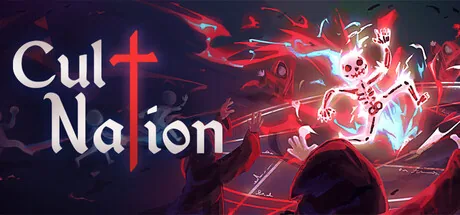
Cult Nation, released April 15, 2026 by developer and publisher SMdG, bills itself plainly: a short incremental game about sacrificing all your cult followers and collecting blood to awaken the devil. At $2.99, it's a cheap, unapologetically small game, and it landed to a Very Positive reception (210 reviews, roughly 88% positive) built almost entirely on reviewers appreciating exactly what it sets out to be rather than wishing it were something bigger.
Blood, upgrades, and a growing pentagram
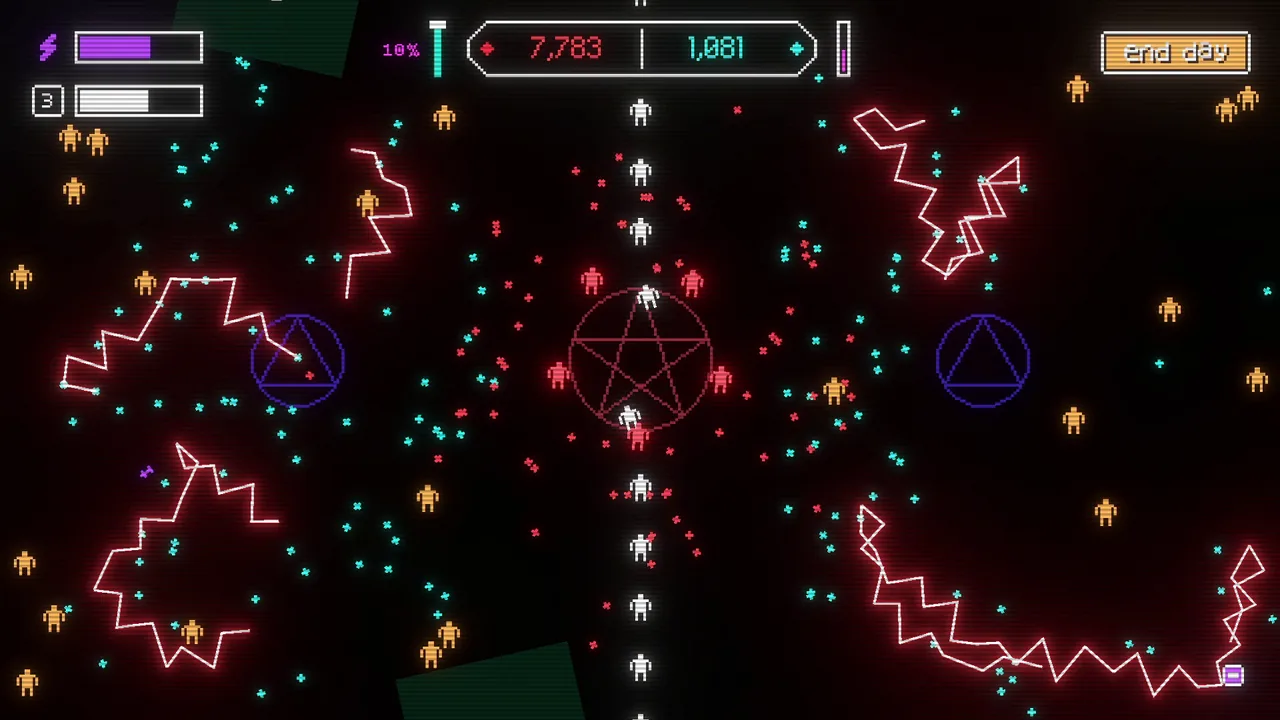
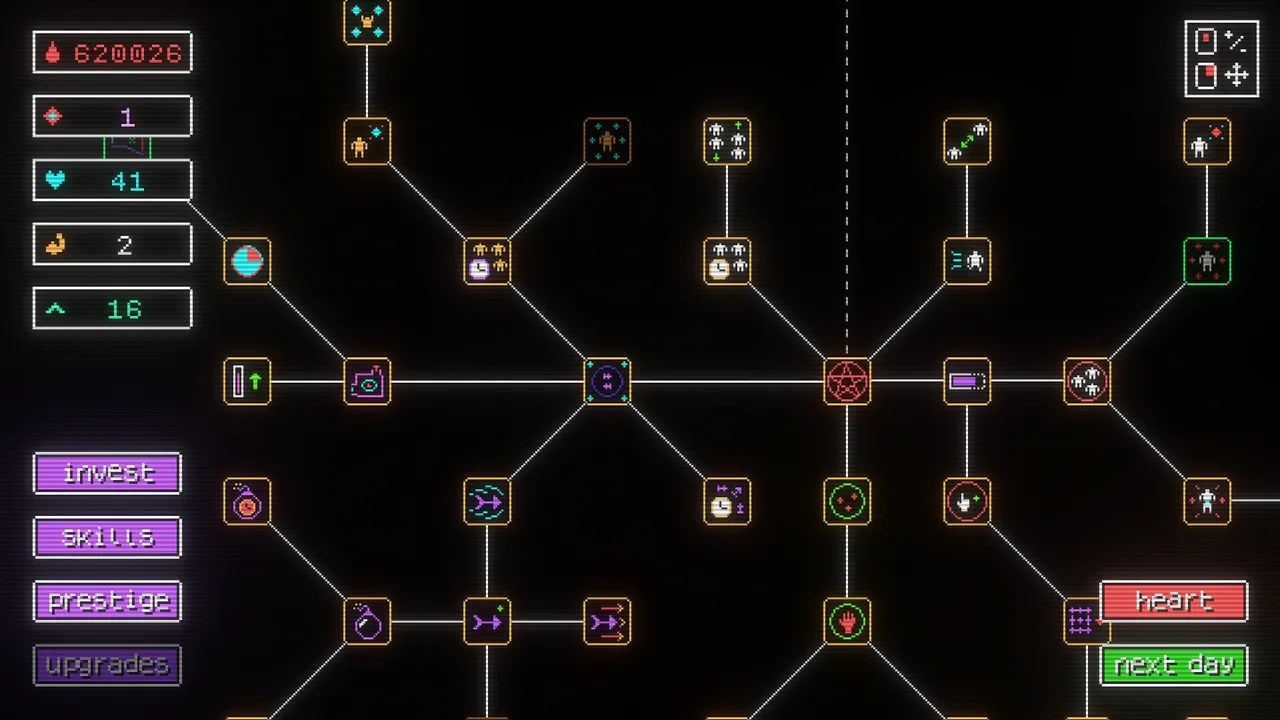
The core loop is straightforward incremental fare: followers wander into a pentagram, you click to sacrifice them, collect the resulting blood, and spend it on a skill tree of upgrades and pacts. Reviewers consistently describe the escalation from there as the game's best trick — what starts as a simple sacrifice ritual eventually spirals into summoning the devil outright and turning your growing cult loose on angels, with the screen filling with increasingly elaborate effects as you progress.
Rebirths that actually change things
What keeps that short loop from feeling repetitive, according to the sample, is the game's rebirth system: rather than simply resetting your progress for a numerical bonus, each of the game's roughly three rebirths introduces new mechanics and systems layered onto what came before. Several reviewers specifically credit this structure with making Cult Nation feel like a complete, considered arc rather than a padded clicker, even within its short runtime — reviewers in Japanese and French reviews both describe genuine surprise at how much the game's identity shifts by its final act.
Style that punches above its price
The retro pixel art and soundtrack draw consistent, cross-language praise as well above what a $2.99 game typically offers, with one Russian reviewer specifically comparing the visual style favorably to classic retro titles. It's a small detail, but it does real work making the game's dark, transgressive premise feel more playful than genuinely edgy.
Over before you know it
The sample's most consistent complaint, appearing across nearly every language represented, is length: most reviewers report completing the entire game, achievements included, in two to four hours, with several explicitly calling it one of the fastest games they've ever finished. Reactions to that brevity split roughly down the middle — many reviewers treat it as a feature at this price point, praising a game that "doesn't overstay its welcome," while others, including one German reviewer, argue the premise has "unheimlich viel Potential" (an enormous amount of potential) that the short runtime doesn't fully explore.
When the loop feels bland
A related but distinct complaint concerns depth rather than length: several reviewers describe the core clicking-and-upgrading loop itself as bland, unsatisfying, or low-effort compared to other incremental games, arguing the theme's dark comedy premise deserved a more inventive mechanical treatment than what's actually on offer. It's a minority view relative to the sample's overall positivity, but specific enough — and repeated enough across independent reviews — to be worth flagging for genre veterans with high expectations.
Real bugs, real lost progress
More seriously, a cluster of reviewers report crashes, with one describing the game crashing every two to three minutes and another reporting five crashes in a single session. One English-language review goes further, describing a bug where clicking simply stopped working and the resulting restart deleted all prior progress — a genuinely serious loss for a game whose entire pitch is a short, satisfying arc from start to finish.
A cluttered interface
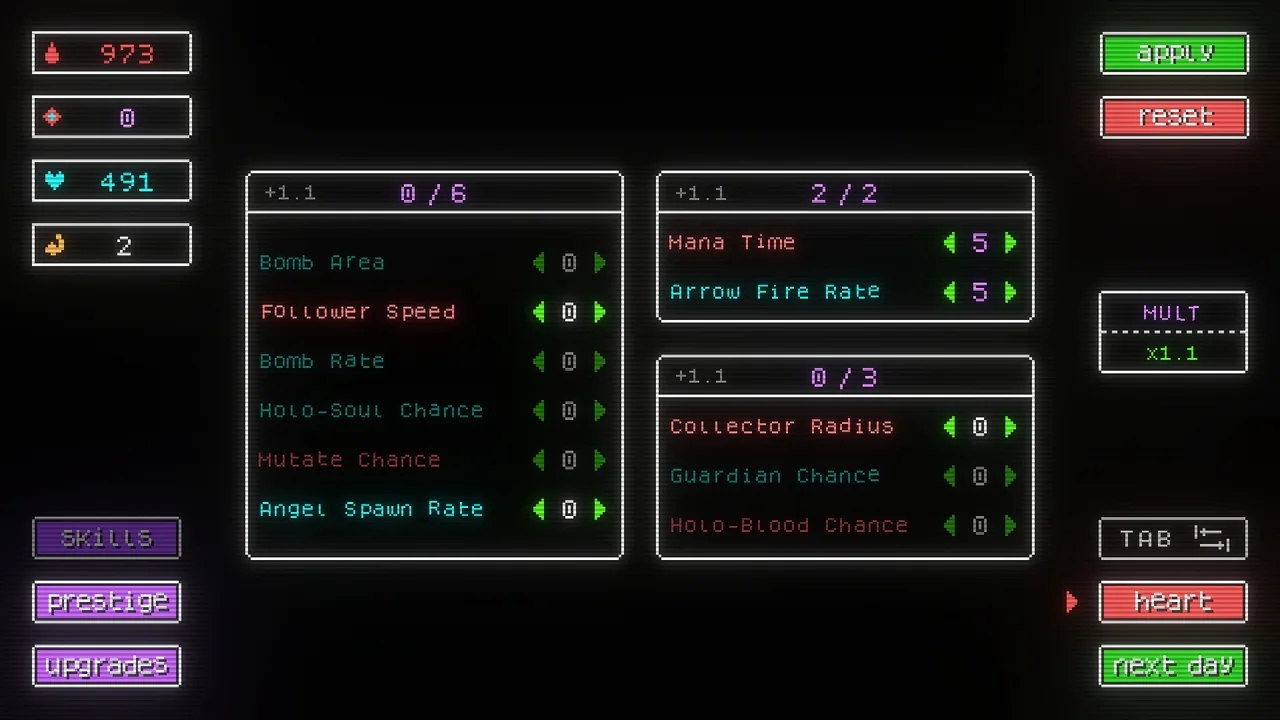
The sample's most detailed technical criticism comes from a Traditional Chinese review, which describes the game's prestige interface as a "slot machine" UI that visually overlaps and conflicts with the money-collection area players are simultaneously trying to interact with, compounded by a skill tree containing what the reviewer calls dead-end or conflicting nodes. A German reviewer separately describes several small inconsistencies — mismatched spawn logic between visually identical areas, and skill values that don't update on screen until the next in-game day — as evidence of a lack of polish. Translation quality is a smaller but related complaint in the Japanese and Simplified Chinese portions of the sample, with a few reviewers saying unclear localization left them unsure what specific mechanics were meant to accomplish.
Value at $2.99
Given the near-unanimous agreement on runtime, most reviewers frame Cult Nation's value proposition almost entirely around its bargain-bin price rather than raw hours of content, with several explicitly comparing it favorably against other cheap incrementals like Leaf Blower Revolution while others argue it doesn't quite measure up to genre veterans on mechanical depth. A handful of reviewers who bought during a sale note they could technically refund the game after finishing it within Steam's playtime window but chose not to, framing that as its own small endorsement of the developer's effort on a first release.
Who should sacrifice their afternoon
Cult Nation is easiest to recommend to incremental fans looking for a cheap, self-contained snack rather than a long-term time sink, especially anyone who enjoys dark comedy premises played with a light touch. Genre veterans expecting deep systems, or anyone who wants their $2.99 to stretch past a single afternoon, should temper expectations accordingly.
The verdict
Cult Nation is a small, cheap, genuinely inventive incremental game that mostly earns its Very Positive reception through a clever rebirth structure and a dark sense of humor that never takes itself too seriously. Real crashes, a cluttered prestige interface, and a short runtime that some will find unsatisfying keep it from a stronger score, but at $2.99 it's an easy, low-risk recommendation for incremental fans wanting a quick, memorable afternoon.
Pros and cons
Pros
- A genuinely fun, dark-comedy incremental loop about sacrificing followers and collecting blood, escalating naturally into summoning the devil and turning on the angels
- Multiple rebirth stages that each meaningfully shift the game's mechanics rather than just resetting numbers, keeping the short runtime feeling fresh throughout
- Charming retro pixel art and a soundtrack reviewers repeatedly single out as fitting the theme well
- A fair price for what it offers, with most reviewers completing everything, including achievements, in two to four hours
Cons
- Real, repeatedly reported crashes, including at least one account of a bug that deleted a player's entire save progress
- A cluttered, occasionally confusing interface, with one detailed Traditional Chinese review describing the prestige UI physically overlapping the money-collection area and a skill tree containing dead-end or conflicting nodes
- Some reviewers specifically call the core loop bland or shallow, describing it as unsatisfying compared to other incremental games once the novelty wears off
- Translation quality complaints in the Japanese and Simplified Chinese portions of the sample, with some reviewers describing goals and mechanics as unclear as a result
Screenshots
-
Cult NationImage: SMdG via Steam -
Cult NationImage: SMdG via Steam -
Cult NationImage: SMdG via Steam -
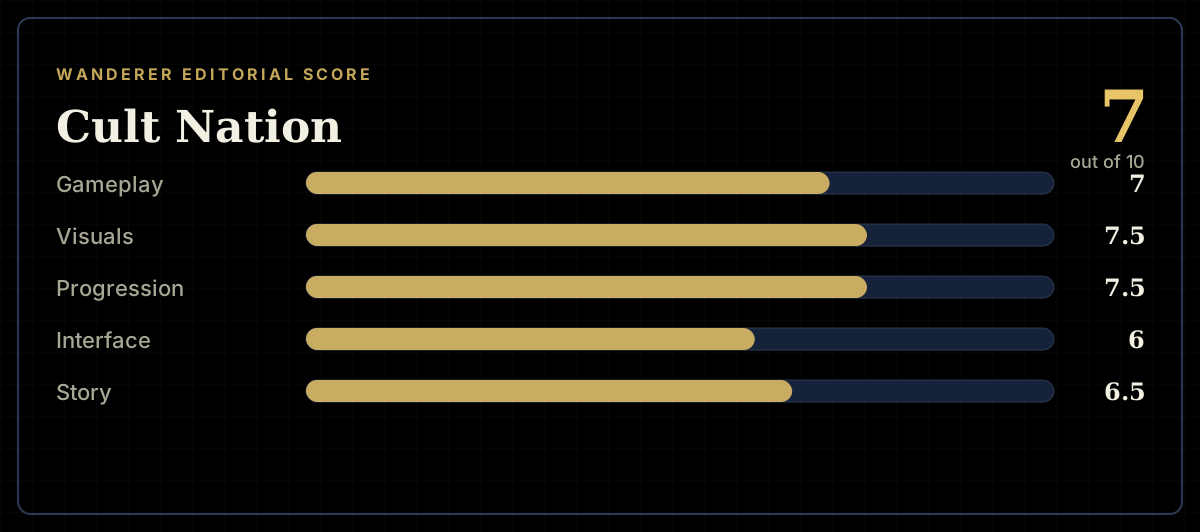
How the review scores each part of the gameWanderer Editorial -
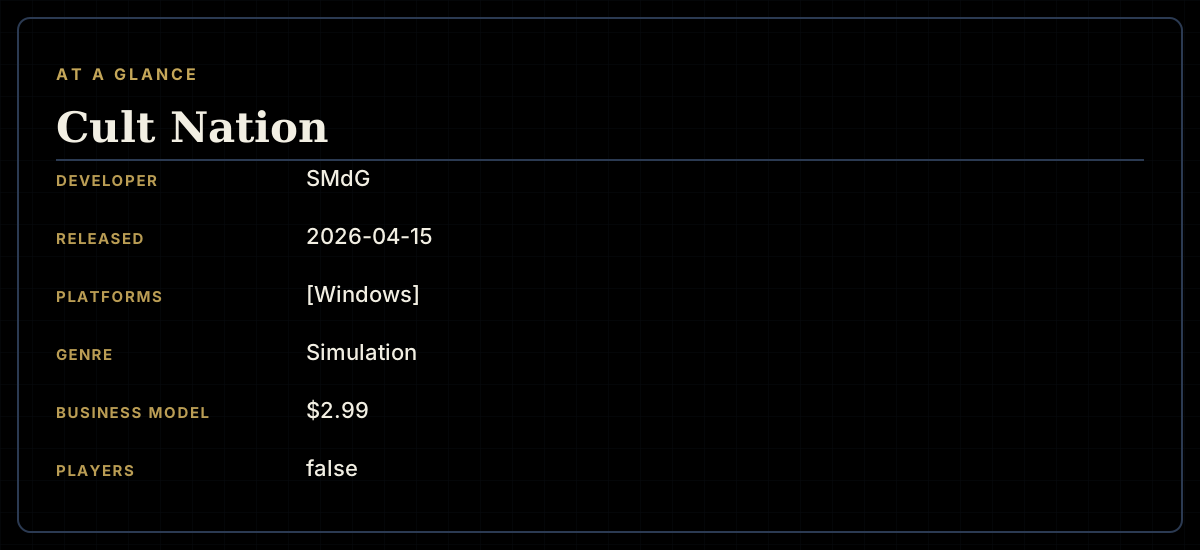
Key facts at a glanceWanderer Editorial -
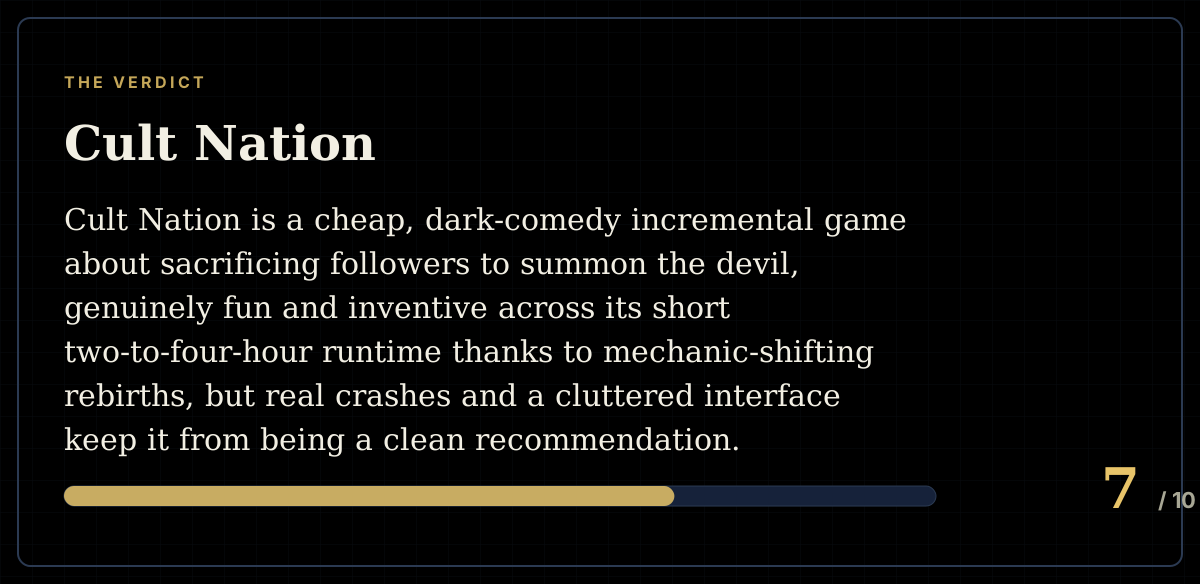
The short versionWanderer Editorial