Game review
Conqueror's Blade: Three Kingdoms
3 / 10
- Developer
- Booming Tech
- Publisher
- Poros Interactive
- Released
- 23 July 2026
- Platforms
- Windows
- Genre
- Action MMO
- Monetisation
- Free-to-play with a premium currency ("Jade") that funds a gacha-style Spirit summon system gating hero skills and unit unlocks, a Battle Pass, cosmetic attire sets, and a separate premium subscription tier required to list items on the in-game market on top of standard Premium status
- Players
- Persistent MMO — scheduled Territory War siege combat three nights a week (Wed/Fri/Sun), a 5v5vE full-loot mode called Rebel Purge, faction and clan systems, but standard PvP and matchmade siege battles are gated behind reaching level 20
The short version
Conqueror's Blade: Three Kingdoms is not simply a reskin of an ageing siege-warfare MMO, and it is not a viral pile-on either. Booming Tech's own pre-launch FAQ, posted to the original game's Steam news feed, promised in writing that this would not be a standalone product and would build on players' existing characters and Houses. What launched a week later on Steam is a separate application with its own client, its own progression, and a gacha system gating the hero skills and units that make the combat work — with the siege battles the franchise is actually known for absent from most players' first sessions entirely.
Underneath the anger at that broken promise sits a genuinely unfinished launch: incomplete translation, menu-switching freezes, a bugged PvP tutorial mode that stripped a fully geared character's equipment, and a core loop that spends its first several hours on gathering and fetch quests rather than the mass battles on the store page. Booming has responded fast — cutting crafting costs by up to 55% and fixing the worst bug within days — but a rapid apology tour after launch doesn't undo what got promised before it.
Biggest strengths
- Hero skill animations built around named Three Kingdoms generals are a genuine step up in spectacle from the original game's more generic move sets
- Territory War's three-phase structure (Preparation, Combat, Settlement) gives large-scale faction warfare real strategic shape when players actually reach it
- Booming's post-launch developer log owns specific design mistakes by name and ships concrete fixes within days rather than vague promises
Biggest weaknesses
- Hero skills and playable units are gated behind a Spirit gacha system funded by premium currency, not earned through ordinary combat progression
- Standard PvP and matchmade siege battles are locked until roughly level 20, so the mode the franchise is named for is invisible for a new player's first sessions
- A bug in the Rebel Purge tutorial mode stripped equipped gear on death before a July 27 patch fixed it, and full-loot PvPvE still drops a dead player's entire loadout
Who it's for: Existing Conqueror's Blade veterans curious about the Three Kingdoms setting who are willing to start over from zero in a second client, and newcomers specifically drawn to large-scale siege warfare who don't mind a long, gacha-gated road before they see any of it.
Our recommendation: Skip it for now if you're an existing Conqueror's Blade player — the original live servers still run the siege experience this was supposed to expand, without the new gacha wall. If you're new to the franchise and curious, wait for Booming's promised balance and cost passes to land before spending time or money, and read the in-game shop carefully before assuming "free-to-play" means "no gate on units."
3 / 10
A week before Conqueror's Blade: Three Kingdoms went live, Booming Tech posted a developer FAQ to the original game's own Steam news feed to answer a question its players kept asking with growing suspicion: is this a new game? The answer, in the developer's own words, was direct. "Conqueror's Blade: Three Kingdoms is not a new game, nor will it replace the Live Servers... it opens a brand-new theater of war built upon your existing characters, combat experiences, and Houses." It is "not a standalone game separate from Conqueror's Blade."
A week later, what launched on Steam was a separate application — appid 4651220, its own client, its own download, its own account flow — sitting alongside the original Conqueror's Blade (appid 835570), which continues to run its own live servers, its own seasons and its own balance patches completely unaffected. That gap between the promise and the product is the single most substantiated fact behind a launch score of 15% positive across 1,956 Steam reviews, and it is worth establishing before anything else in this review, because it changes what kind of failure this actually is. This isn't primarily a technical disaster, though there is one layered on top. It's a case where a publisher told its existing community something specific and verifiable in writing, and then shipped something else.
What actually launched, and what it replaced
Conqueror's Blade has run since 2019-2020 as a free-to-play siege-warfare MMO: commanded troop units, hero-class combat, and matchmade siege battles where dozens of players storm or defend fortified cities with siege engines and formations. It's a niche but genuinely distinctive idea, and it's kept a loyal base for seven years — the original sits at a lifetime "Mixed" 67% positive across more than 38,000 Steam reviews, still receiving weapon and unit balance patches as recently as this week.
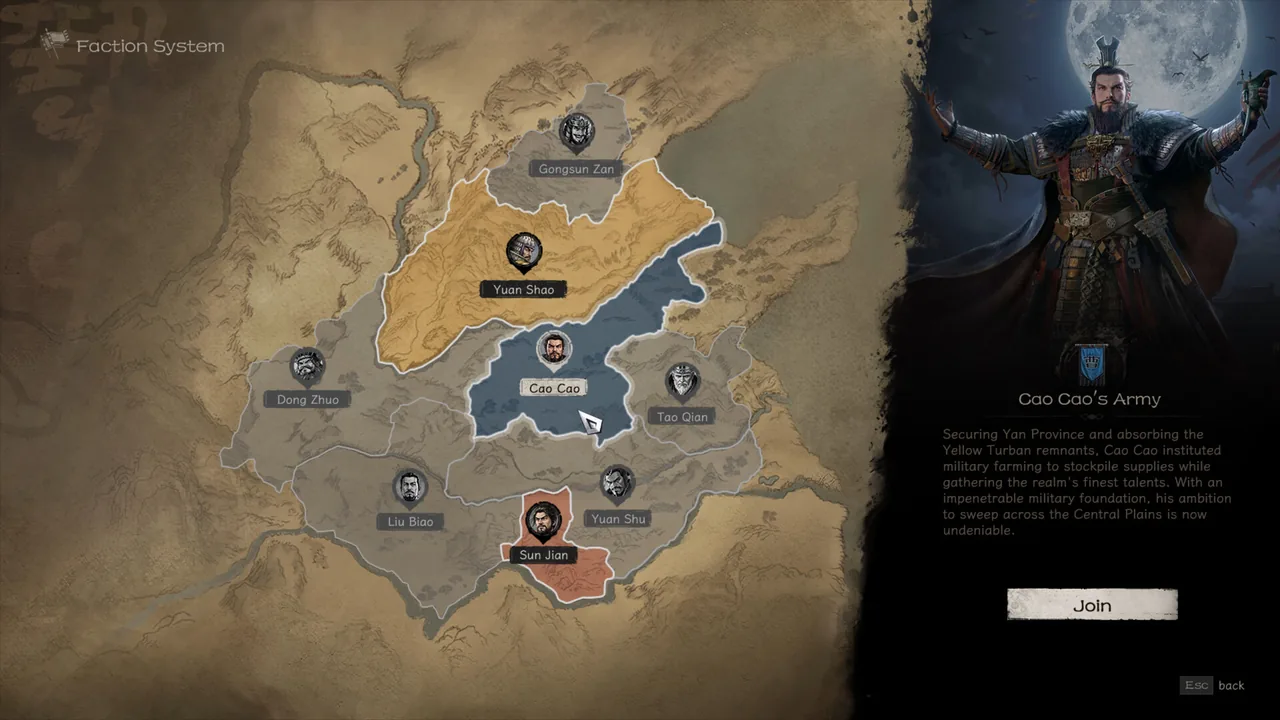
Three Kingdoms was pitched, in Booming's own pre-launch messaging, as a "major expansion" and later a "DLC" built on that foundation: the same Hero-and-Unit combat, the same siege identity, reskinned into the Three Kingdoms period with new units drawn from Lu Bu, Cao Cao and Guan Yu's forces, and a headline "30v30 Siege Battle" for the fight over Luoyang. That's the pitch that ran through a closed playtest on 17-18 July.
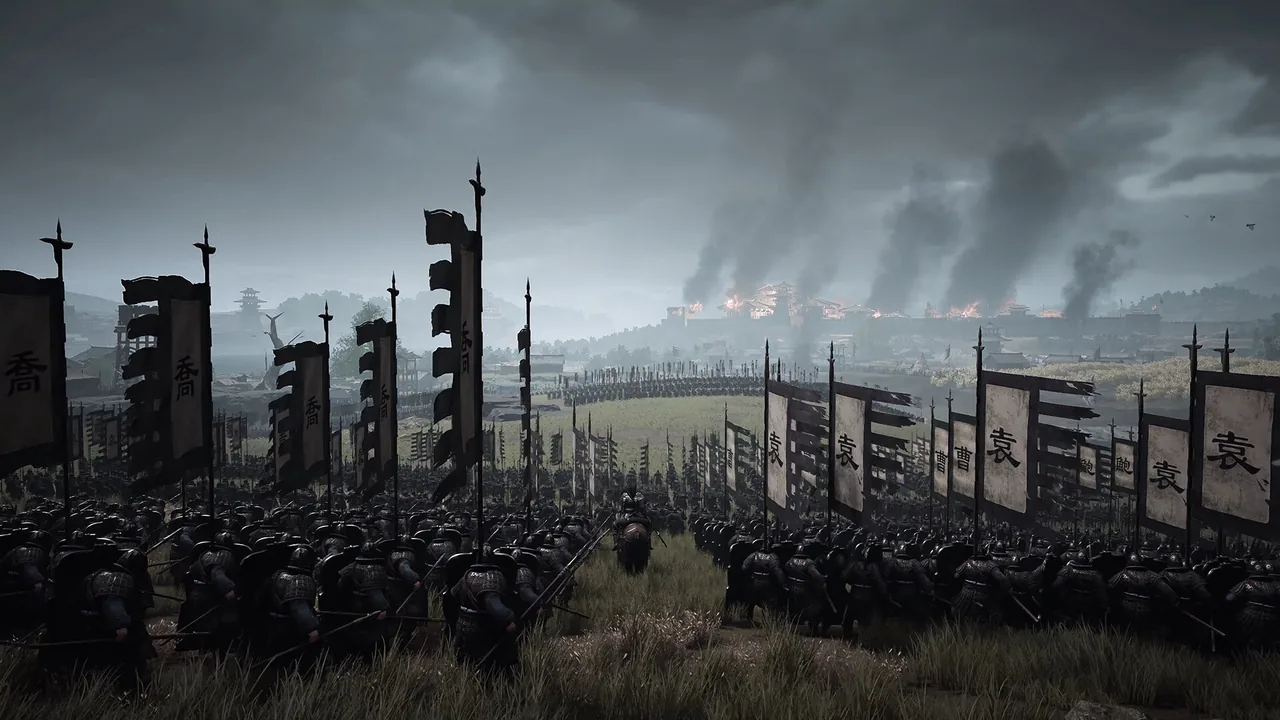
What shipped eight days later is a separate open-world game built around gathering resources, running fetch quests, and slowly leveling a character before reaching any of the combat the marketing centred on. Standard PvP and matchmade siege battles are locked until roughly level 20 — a wall that multiple independent reviewers hit and described in near-identical terms, describing hours spent walking the map and collecting crafting materials before their first real fight. The 30v30 siege mode from the playtest teaser isn't what most players are experiencing as their introduction to the game; what's there instead is a smaller-scale, full-loot 5v5vE mode called Rebel Purge, where losing means dropping your entire equipped loadout for the winning team to loot. Territory War — genuine large-scale faction combat over Fiefs and cities — does exist and follows a real three-phase structure (Preparation, Combat, Settlement), but it runs on a fixed schedule three nights a week per server, not on demand.
None of that is inherently indefensible as a design direction. Games are allowed to lead with an open-world loop and gate PvP behind some early investment. What's specifically not defensible is that Booming told its existing playerbase, in writing, that this would build on their existing characters inside the existing game rather than asking them to start over in a new client — and then shipped the new client anyway.
The gacha wall in front of the combat
The part of the design that reviewers return to most consistently isn't the grind itself — it's what the grind is actually for. Hero skills and playable units are unlocked through a Spirit summon system funded by Jade, the game's premium currency, structured like a gacha draw rather than an ordinary skill tree. That's a meaningfully different claim than "the game is grindy." Grinding for gold to buy a sword you can see and plan around is a design players broadly accept. Grinding for a chance at the unit or hero skill you actually want, with duplicates required to fully level what you already rolled, is a different and more punishing shape — and it sits directly in front of the combat variety the game is selling, not off to the side as a cosmetic option.
Layer the seasonal structure on top and the picture gets worse: Spirit-gacha progress and unlocked units reset at the start of each new season, meaning currency spent chasing a specific unit buys that unit for one season rather than permanently. Several reviewers describe this as the moment the system stopped feeling like grindy-but-fair free-to-play and started feeling like a subscription they hadn't agreed to. On top of Jade and Spirit, listing items on the player market requires a separate, higher premium tier on top of standard Premium status — a second paywall stacked in front of the game's own economy, not just its combat.
To Booming's credit, none of this is a single button that says "buy power" outright, and the company's own July 27 developer log responded to the loudest specific complaint — that crafting a mid-tier unit kit or hero equipment cost an unreasonable amount of gathered material — by cutting those resource requirements by roughly a third to a half within days of launch, and by compensating players for the discrepancy while the fix rolled out. That's a genuinely fast, specific response, and it's worth separating from the systems that didn't move: the gacha gate on units and skills is the core design, not a bug, and nothing in the post-launch patches has touched it.
A launch that needed more time
Separate from the design argument, this is also, straightforwardly, an unfinished launch. A meaningful share of the negative review sample describes menu-switching freezes on capable hardware, inconsistent English translation with Chinese UI elements left untranslated in places, and quests that reference locations or objectives under names that don't match what's on the map. One specific, well-documented bug in Rebel Purge — the mode built to teach new players PvP — stripped a dead character's full equipped loadout instead of respecting the practice-mode rules it was supposed to run under; Booming's own July 27 log confirms the bug and its fix, which lines up precisely with reviews describing a legendary weapon and armour set lost to what should have been a low-stakes tutorial fight.
None of this is a coordinated pile-on masquerading as a review score. It's a specific, repeatable list of complaints, corroborated by the developer's own patch notes admitting to most of them, and it's the kind of list that a few more months in testing would ordinarily catch. The scale of a "largest expansion in our game's history," as Booming's own marketing called it, arrived without the polish pass that scale usually demands.
What actually works
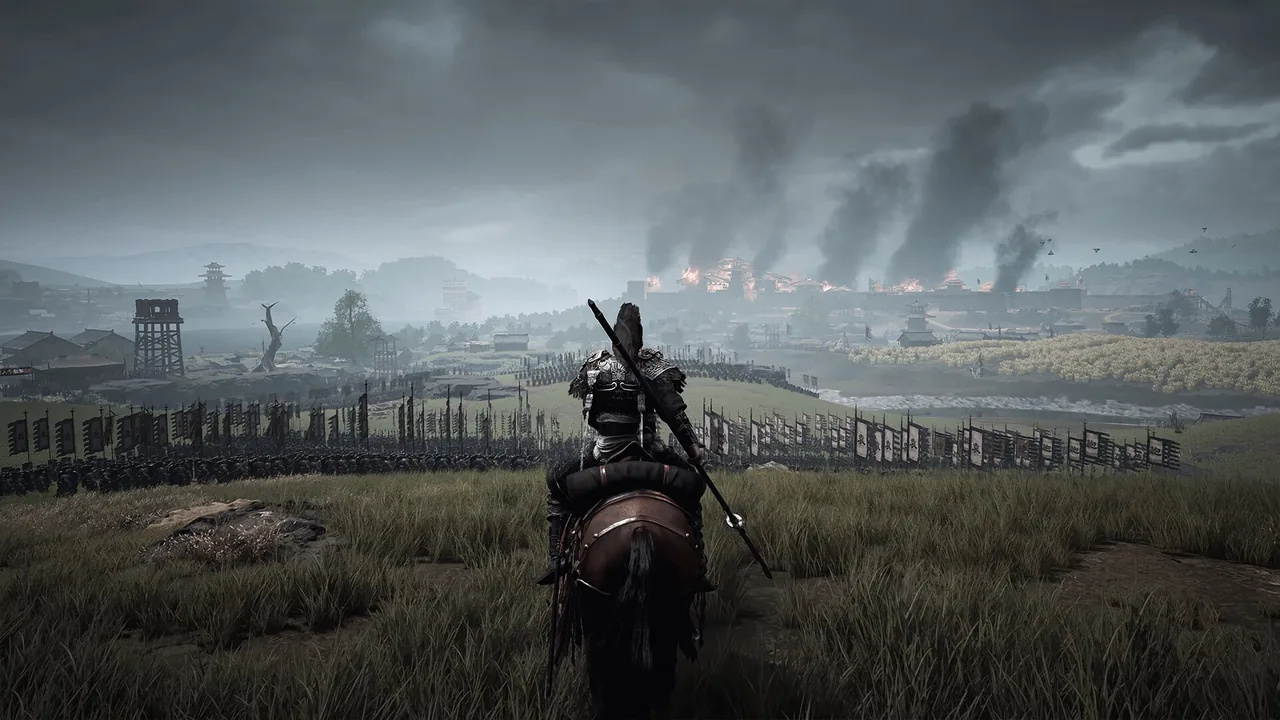
It would be unfair to let the systemic problems erase what the game gets right. The hero skill system built around named Three Kingdoms generals — signature techniques with genuinely stylised animations rather than generic ability icons — is a real step up in spectacle from the original game's more utilitarian move sets, and it shows up even in reviews that land on a thumbs-down overall. The map itself, built on a researched Eastern Han layout with dynamic weather, seasons and terrain that visibly affects march speed and visibility, represents a genuine art and world-design investment rather than a reskin job. And Territory War, once a player actually reaches it, delivers the kind of large-scale, faction-versus-faction stakes that made the original game's best moments work — assuming a new player has the patience to survive the level-20 wall and the gacha grind to get there with a viable kit.
Verdict
Fifteen percent positive one week after launch is not an overreaction to a rough patch. It's the predictable result of Booming Tech promising its existing community, in a formal developer FAQ, that this would not be a standalone product built on a separate client — and then shipping exactly that, with the franchise's signature large-scale siege combat mostly locked away behind a gacha system, a level-20 wall, and a season structure that resets what players paid to unlock. Layer a genuinely unfinished technical launch on top — translation gaps, a gear-stripping tutorial bug, menu freezes, crafting costs steep enough to need an emergency 33-55% cut within days — and the score stops looking harsh.
It also isn't a dead end. Booming's response so far has been fast and specific rather than defensive, the art and hero-skill work underneath the systems is genuinely good, and the original Conqueror's Blade remains exactly where it was, still balanced, still siege-first, completely unaffected by any of this. Worth revisiting once the level-20 wall comes down, the gacha gate opens up, or Booming addresses the standalone-client question directly — but not worth an existing player's loyalty, or a newcomer's first impression of the franchise, today.
Players drawn to large-scale coordinated conflict without a gacha system standing between them and their own character's build may find Wanderer makes that trade differently — progression here is earned through play, not summoned.
Facts, review sample and monetisation details checked 30 July 2026. Conqueror's Blade: Three Kingdoms (Steam appid 4651220) is a separate Steam application from the original Conqueror's Blade (appid 835570), which remains live and continues to receive its own seasonal updates.
Pros and cons
Pros
- Hero skill animations built around named Three Kingdoms generals are a genuine step up in spectacle from the original game's more generic move sets
- Territory War's three-phase structure (Preparation, Combat, Settlement) gives large-scale faction warfare real strategic shape when players actually reach it
- Booming's post-launch developer log owns specific design mistakes by name and ships concrete fixes within days rather than vague promises
- The original Conqueror's Blade continues to run unaffected on its own live servers, balance patches and all, so nothing about this launch damages the base game
- Dynamic weather, terrain and a genuinely reworked Eastern Han map show real production investment in the open world itself
Cons
- Hero skills and playable units are gated behind a Spirit gacha system funded by premium currency, not earned through ordinary combat progression
- Standard PvP and matchmade siege battles are locked until roughly level 20, so the mode the franchise is named for is invisible for a new player's first sessions
- A bug in the Rebel Purge tutorial mode stripped equipped gear on death before a July 27 patch fixed it, and full-loot PvPvE still drops a dead player's entire loadout
- Booming's own pre-launch FAQ promised this would not be a standalone game built on a separate client, and the shipped product is exactly that
- Menu-switching freezes, inconsistent English translation and crafting costs high enough to trigger a mid-week 33-55% reduction all point to a launch that needed more time
Screenshots
-
Conqueror's Blade: Three KingdomsImage: Booming Tech via Steam -
Conqueror's Blade: Three KingdomsImage: Booming Tech via Steam -
Conqueror's Blade: Three KingdomsImage: Booming Tech via Steam -
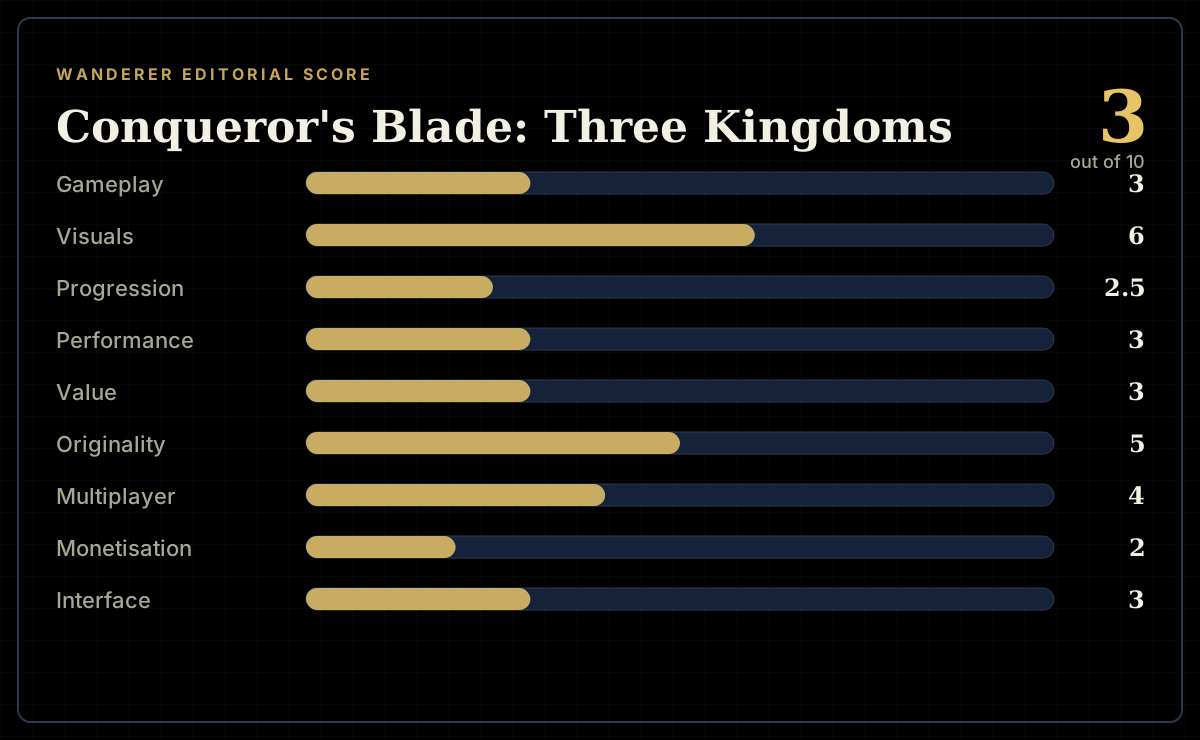
How the review scores each part of the gameWanderer Editorial -
The short versionWanderer Editorial