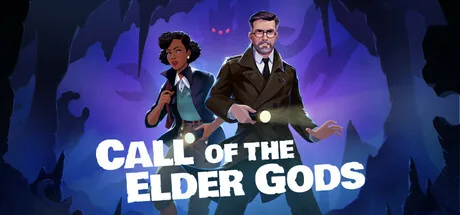
Game review
Call of the Elder Gods
6.5 / 10
- Developer
- Out of the Blue Games
- Publisher
- Kwalee
- Released
- 12 May 2026
- Platforms
- Windows
- Genre
- Adventure
- Monetisation
- Paid, one-time purchase.
- Players
- Single-player only.
The short version
Call of the Elder Gods is a Lovecraftian first-person puzzle adventure from Out of the Blue Games, sending university student Evie Drayton and Professor Harry Everhart across the globe to investigate an ancient artefact. As the sequel to 2020's critically acclaimed Call of the Sea, its Very Positive rating across a large English review sample reflects genuine praise for its gorgeous presentation and generally fair puzzle design, with this review finding a fair, extensively repeated complaint that its story and characters represent a real step down from its predecessor.
Biggest strengths
- Widely and repeatedly praised for gorgeous visuals and music, with reviewers on both sides of the story debate consistently singling out its presentation as a highlight.
- Praised for generally fair, well-clued puzzle design, with several detailed reviews specifically noting fairness and considerate clue placement.
- Praised for the addition of a hard mode that disables the notebook and reduces hints, welcomed by returning players who enjoyed the challenge of the first game.
Biggest weaknesses
- A fair, extensively repeated complaint reports the story and character writing are a genuine step down from Call of the Sea, with several reviewers describing the plot as rushed, convoluted, or shallow.
- A fair, repeated complaint reports some puzzles late in the game rely more on brute-forcing than the fair logic praised earlier, with several reviewers admitting they resorted to a guide.
- A fair complaint reports the absence of a run button makes backtracking across the game's locations feel slow and tedious, especially in its second half.
Who it's for: Puzzle-adventure fans who enjoy environmental storytelling and gorgeous, painterly presentation, including newcomers who haven't played Call of the Sea; devoted fans of that first game specifically drawn to its emotional storytelling should temper expectations for the sequel's narrative.
Our recommendation: A beautifully presented, generally well-designed puzzle adventure that stands reasonably well on its own, but falls fairly short of its acclaimed predecessor's storytelling and characters.
6.5 / 10
A visually gorgeous puzzle adventure, almost universally praised
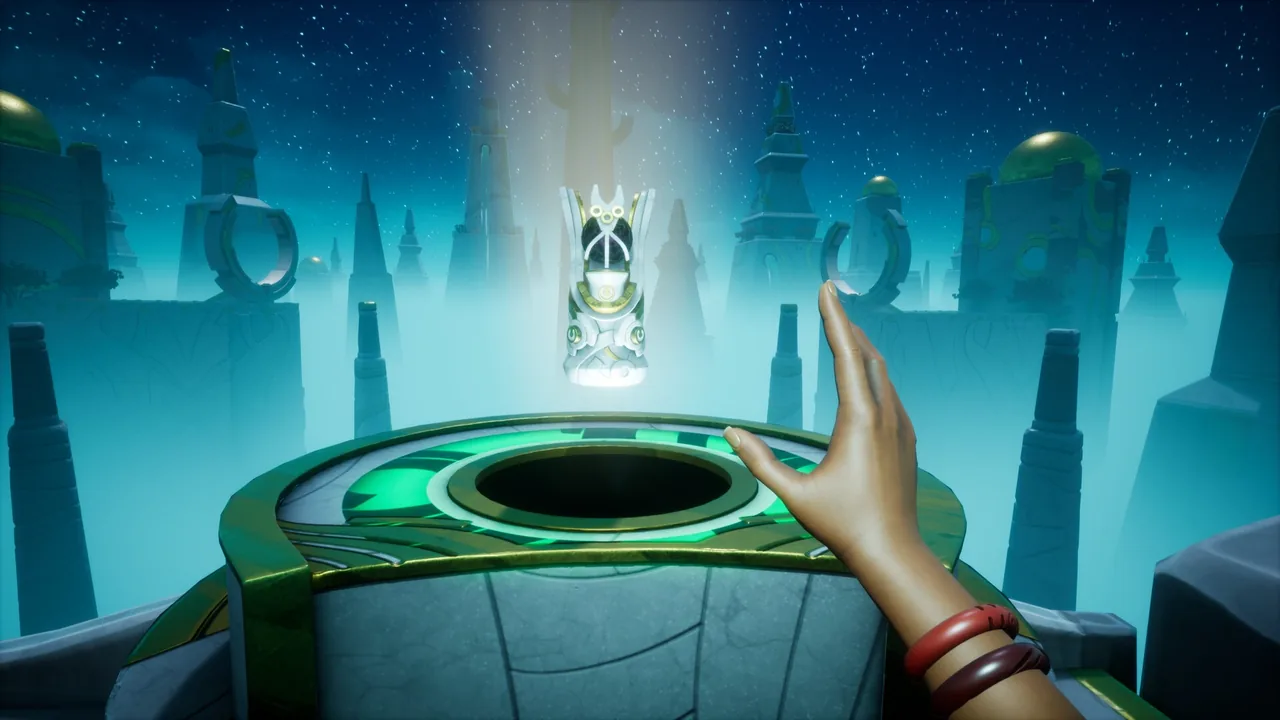
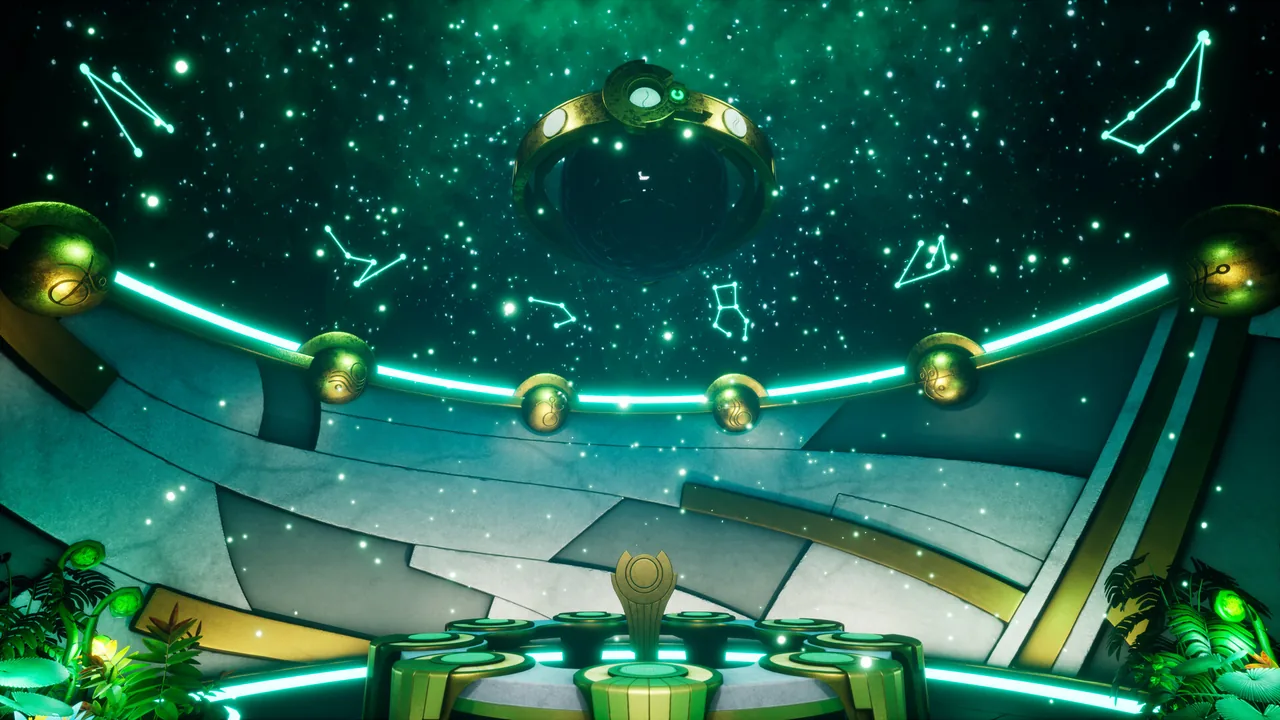
Call of the Elder Gods earns near-universal praise for its presentation, cutting across both its strongly positive and more critical reviews alike. "The beginning is also spotless with the introduction of mysteries and well thought puzzles," reads one detailed review that otherwise raises real complaints later on. A separate reviewer, even while ultimately disappointed, writes: "A couple of the puzzles here were good, the graphics again were charming, and the story itself was beautiful and sad." A third states simply: "Gorgeous game with on point gameplay and art." This review treats that consistency as meaningful: when reviewers on opposite sides of the game's overall recommendation still agree on its visual and musical quality, that is a genuinely strong signal of craft.
Generally fair, well-clued puzzle design
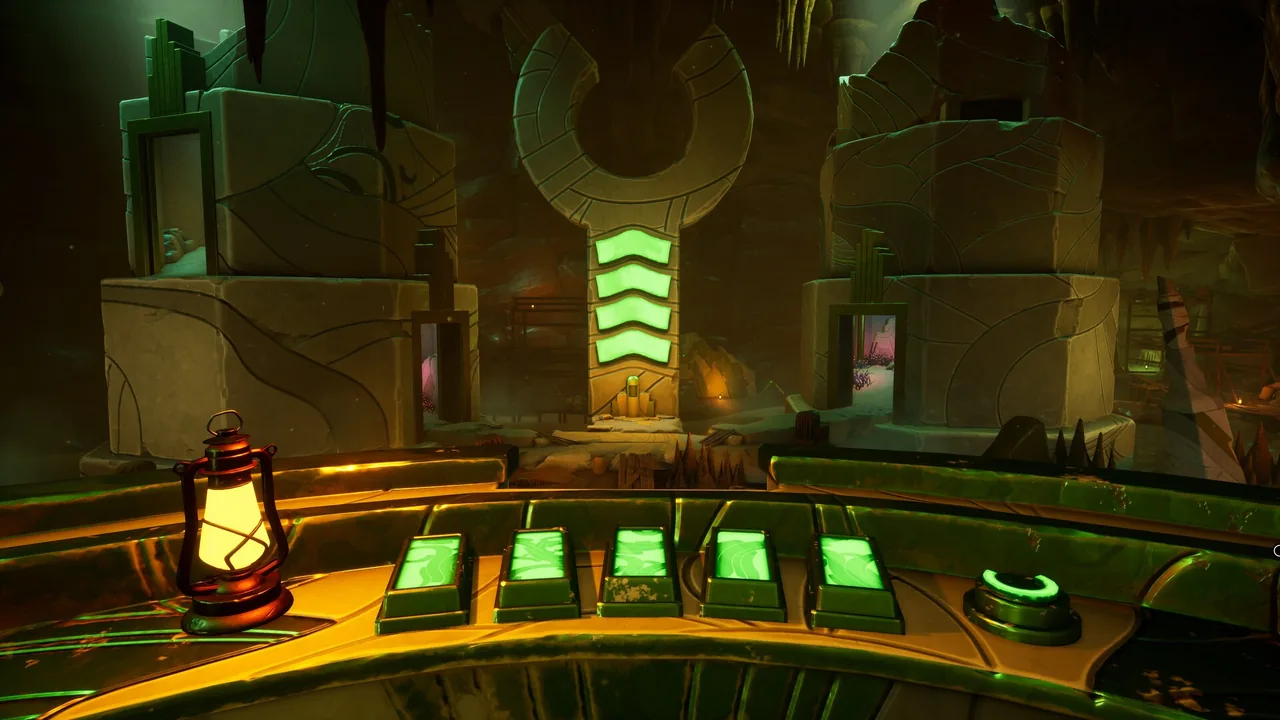
Beyond presentation, this review found reviewers repeatedly crediting the game's puzzle logic as fair. "Lovecraftian horror turned into a neatly structured escape-room experience. The universe seethes with ancient madness, humanity stares into truths it was never meant to know, and somehow, the puzzles remain fair and the clues are surprisingly considerate," reads one detailed review. A separate reviewer specifically praises a new difficulty option: "The inclusion of a hard mode which disables the notebook and reduces hints is very welcome as someone who enjoys games that make me write stuff down." This review treats that praise as fair: reviewers specifically crediting clue placement and a genuinely challenging optional mode suggest real design care in the moment-to-moment puzzle-solving experience.
A fair, extensively repeated complaint about weaker story and characters
Set against that praise, this review found a fair and extensively repeated complaint, appearing across a large share of the sample's negative and mixed reviews, that the game's story and characters fall short of its predecessor. "This game is inferior in every way to its predecessor, Call of the Sea. The story feels rushed and plot points do not get the time they need to simmer," reads one detailed review. A separate reviewer writes: "I hoped for an expanded and upgraded version Call of the Sea, but I got a Disney-like modern audience-written downgrade version... The characters were shallow, both Harry and Evangeline." A third, one of the sample's most detailed reviews, agrees even while praising the puzzles: "Puzzles are so good they almost distracted me from the poor character depth." This review treats that complaint as fair and central: it recurs across dozens of reviews with remarkable consistency, specifically naming rushed pacing and shallow characterisation as the game's weakest link relative to a well-loved predecessor.
A fair, repeated complaint about late-game puzzle design
This review also found a fair, repeated complaint about how the puzzle design holds up in the back half of the game. "There is definitely some beautiful art here and a number of good puzzles, but generally the puzzles require a lot more brute forcing than in Sea, and I suspect many people will have to resort to a guide," reads one detailed review. A separate reviewer adds a specific structural criticism: "You're forcefed 'enigmas' that completely break the pace of the game. There are multiple places that make no sense at all and just stops the immersion completely... it shows too much the puzzles have been designed and then the areas built around." This review treats that complaint as fair: multiple reviewers independently describing a shift from fair logic toward trial-and-error late in the game points to a genuine late-game design weakness, distinct from the story complaints above.
A fair complaint about tedious backtracking and pacing
This review also found a fair, practical complaint about basic movement and pacing. "The game feels sluggish and tedious. At first the puzzles are engaging and make you want to figure them out, but by the end I just wanted to skip them. Not only do they become more boring, but solving them also requires you to go all over the location — or rather slowly walk around it, since the game doesn't even have proper running," reads one detailed review. This review treats that complaint as fair: the absence of a run button is a small technical choice, but reviewers specifically connect it to a broader sense of late-game tedium, making it a legitimate pacing concern rather than a minor nitpick.
A specific complaint about intrusive narration
This review also found a specific, repeated complaint about how the game's narrator interacts with its notes and clues. "The comments that play when you pick up a note were annoying too. You start reading the note, and then a couple of seconds later the character interrupts with their own remark, throwing you off, while usually adding nothing useful or interesting," reads one detailed review. A separate reviewer raises a related concern about the narrator's broader role: "I didn't enjoy the narrator because they just didn't feel like they added much." This review treats that complaint as fair: an interruption that consistently breaks a player's own reading pace, without adding meaningful information, is a real and avoidable friction point.
Achievement data confirms a largely completable, linear experience
This review's own check of Steam's global achievement data shows a gradual, level-by-level completion curve, from 90.1% of players clearing the introduction down to a still-substantial 58.3% by the game's fifth major story beat, without the steep single-digit collapses seen in more punishing genres. The sample's lowest-ranked achievements, mostly tied to optional secret objects and collectibles rather than story progression, sit in the 9-14% range. That pattern corroborates reviewer accounts of a fundamentally linear, narrative-driven game that the large majority of buyers see through to a meaningful degree of completion, with only its optional collectible content reserved for a smaller, more dedicated subset of players.
Final verdict
Call of the Elder Gods is a beautifully presented, generally well-designed puzzle adventure that succeeds on craft, with near-universal praise for its visuals, music, and largely fair puzzle logic. Its clearest weakness, found extensively and consistently across this review's reading of its review sample, is a fair complaint that its story and characters represent a genuine step down from its acclaimed predecessor, compounded by fair, narrower complaints about late-game puzzle design leaning toward brute-forcing, tedious backtracking without a run button, and an intrusive narrator. For newcomers to the series, or players primarily drawn to environmental puzzle-solving and presentation, this is a solid recommendation; devoted fans of Call of the Sea specifically chasing its emotional storytelling should adjust expectations for the sequel.
Pros and cons
Pros
- Widely and repeatedly praised for gorgeous visuals and music, with reviewers on both sides of the story debate consistently singling out its presentation as a highlight.
- Praised for generally fair, well-clued puzzle design, with several detailed reviews specifically noting fairness and considerate clue placement.
- Praised for the addition of a hard mode that disables the notebook and reduces hints, welcomed by returning players who enjoyed the challenge of the first game.
- This review's own check of achievement data shows a comparatively gradual, level-by-level completion curve, consistent with reviewer accounts of a linear, largely finishable narrative experience.
Cons
- A fair, extensively repeated complaint reports the story and character writing are a genuine step down from Call of the Sea, with several reviewers describing the plot as rushed, convoluted, or shallow.
- A fair, repeated complaint reports some puzzles late in the game rely more on brute-forcing than the fair logic praised earlier, with several reviewers admitting they resorted to a guide.
- A fair complaint reports the absence of a run button makes backtracking across the game's locations feel slow and tedious, especially in its second half.
- A specific, repeated complaint reports the in-game narrator frequently interrupts notes shortly after the player begins reading them, breaking immersion without adding useful information.
Screenshots
-
Call of the Elder GodsImage: Kwalee via Steam -
Call of the Elder GodsImage: Kwalee via Steam -
Call of the Elder GodsImage: Kwalee via Steam -
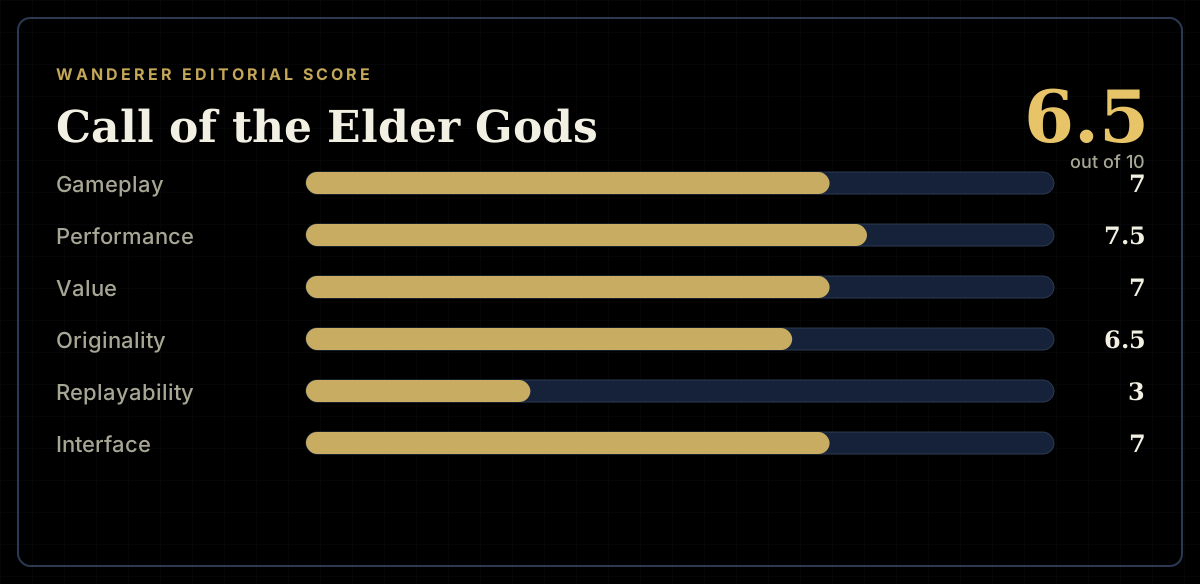
How the review scores each part of the gameWanderer Editorial -
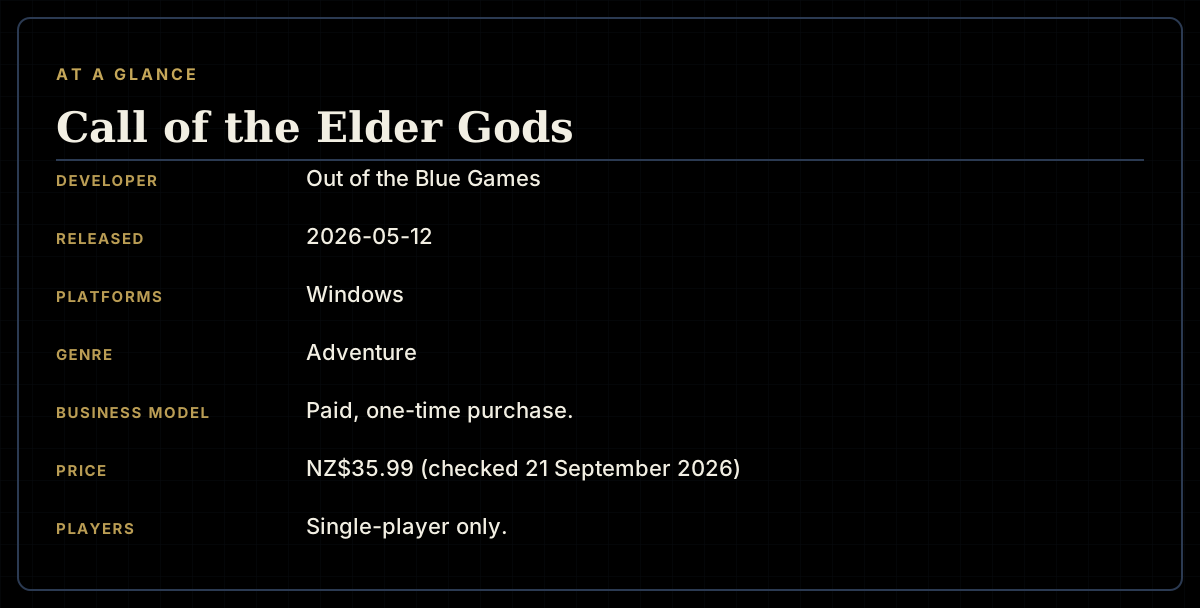
The specs at a glanceWanderer Editorial -
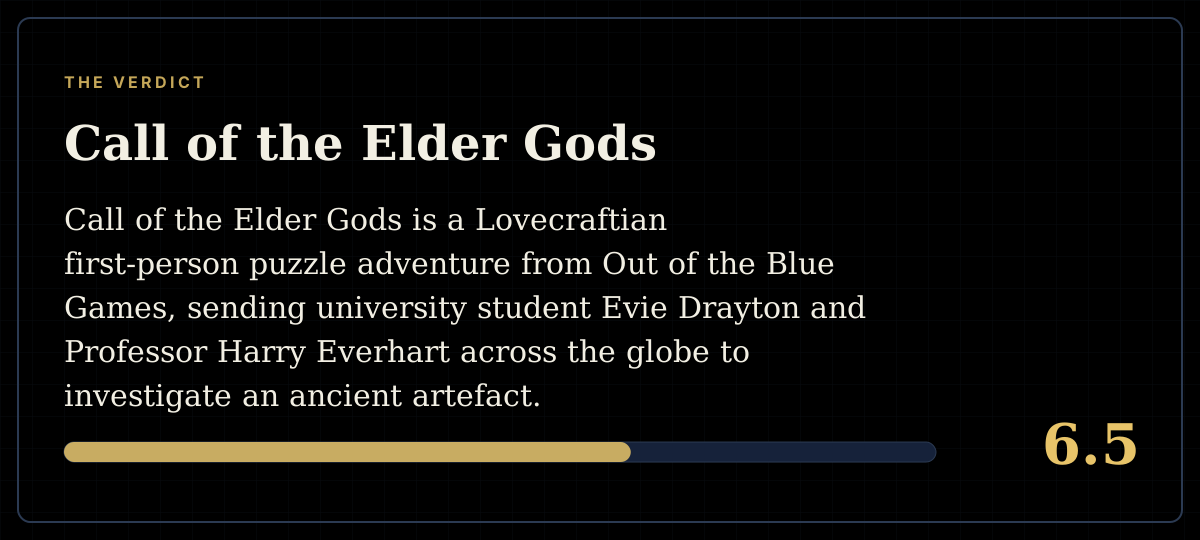
The short versionWanderer Editorial