Game review
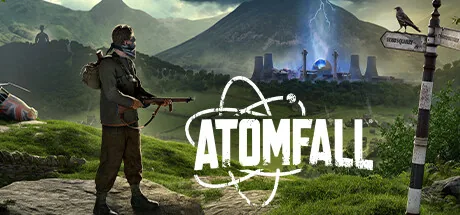
Atomfall
6.5 / 10
- Developer
- Rebellion
- Publisher
- Rebellion
- Released
- 27 March 2025
- Platforms
- Windows
- Genre
- Survival Action-Adventure
- Monetisation
- One-time purchase, no in-game store
- Players
- Single-player only
The short version
Atomfall is a survival-action-adventure from Rebellion, dropping the player into a quarantined 1950s English countryside five years after a nuclear disaster, piecing together a mystery through scattered notes, factions and a genuinely unusual lack of hand-holding. Released 27 March 2025 for NZ$71.49, it holds a large, Mostly Positive review base — 77.6% across its 5,653-review all-language corpus and 78.2% across 3,946 English-language reviews, with recent sentiment (75 of the last 100 English reviews) running slightly softer than the lifetime figure. This review reads the 100 most-relevant English negative reviews and finds an unusually consistent critical thesis: the game is described, even by many of its defenders, as pulling toward Fallout, STALKER and detective fiction all at once without fully committing to any of them. Underneath that framing sit two more concrete, dateable problems — a widely reported clash between scarce resources and infinite enemy respawns, and a save-corruption bug still being reported as late as December 2025 — and one complaint this review treats with particular weight regardless of its numerical rarity: an always-online requirement for a single-player game, undisclosed on the store page, which drew some of the single highest vote counts in the entire negative sample.
Biggest strengths
- Setting and atmosphere draw wide, specific praise — a genuinely distinctive 1950s British nuclear-quarantine backdrop that multiple reviewers credit as unlike anything else in the survival genre, evocative rather than merely grim
- The mystery-driven structure earns real credit for trusting the player: no quest markers dictating a single path, with information gathered from notes, NPCs and exploration used to piece together several possible routes toward the game's ending
- A brisk runtime — most reviewers cite roughly 8 to 20 hours for a full playthrough — is framed by several as a deliberate strength rather than a shortfall, especially compared to genre peers that pad length with repetitive content
Biggest weaknesses
- This review's most-upvoted single negative review — 655 votes — reports the game requires an internet connection to play despite being entirely single-player, a requirement not listed on the store page; a related 494-vote review specifically raises Denuvo DRM as undisclosed until after purchase
- Combat and stealth are the most consistently criticised systems in this review's sample, described across 37 of the 100 negative reviews as clunky, under-developed or simply not fun, with enemy AI called inconsistent on higher difficulties
- A specific, recurring design complaint concerns resource scarcity clashing with infinite enemy respawns — several reviewers argue a game built around careful ammo management undermines its own tension by repopulating cleared areas indefinitely
Who it's for: Players drawn to atmospheric, mystery-driven exploration who don't need tight combat or a long campaign; a tougher sell for anyone specifically wanting deep survival mechanics, precise stealth, or assurance the game will run without an internet connection.
Our recommendation: A genuinely distinctive setting and structure let down by combat and systems that rarely rise above competent, plus a real, unresolved trust issue around always-online requirements. Worth it on sale for the atmosphere and mystery; check current player reports on the offline-play and save-corruption issues before buying at full price.
6.5 / 10
Introduction
Atomfall drops the player into a quarantined stretch of the English countryside, five years after a nuclear disaster no one fully understands, tasked with surviving factional conflict and piecing together what actually happened through scattered notes, overheard conversations and careful exploration rather than a marked quest trail. Developed and published by Rebellion, it released 27 March 2025 for NZ$71.49 and has held a large, Mostly Positive review base since — 77.6% across its 5,653-review all-language corpus, 78.2% across 3,946 English-language reviews, with recent sentiment (75 of the last 100 English reviews) running a touch softer than the lifetime figure. This review reads the 100 most-relevant English negative reviews and finds a corpus arguing, with unusual consistency, that the game's biggest problem isn't any single broken system — it's a refusal to fully commit to being any one thing.
A genuinely distinctive setting, argued about even by its fans
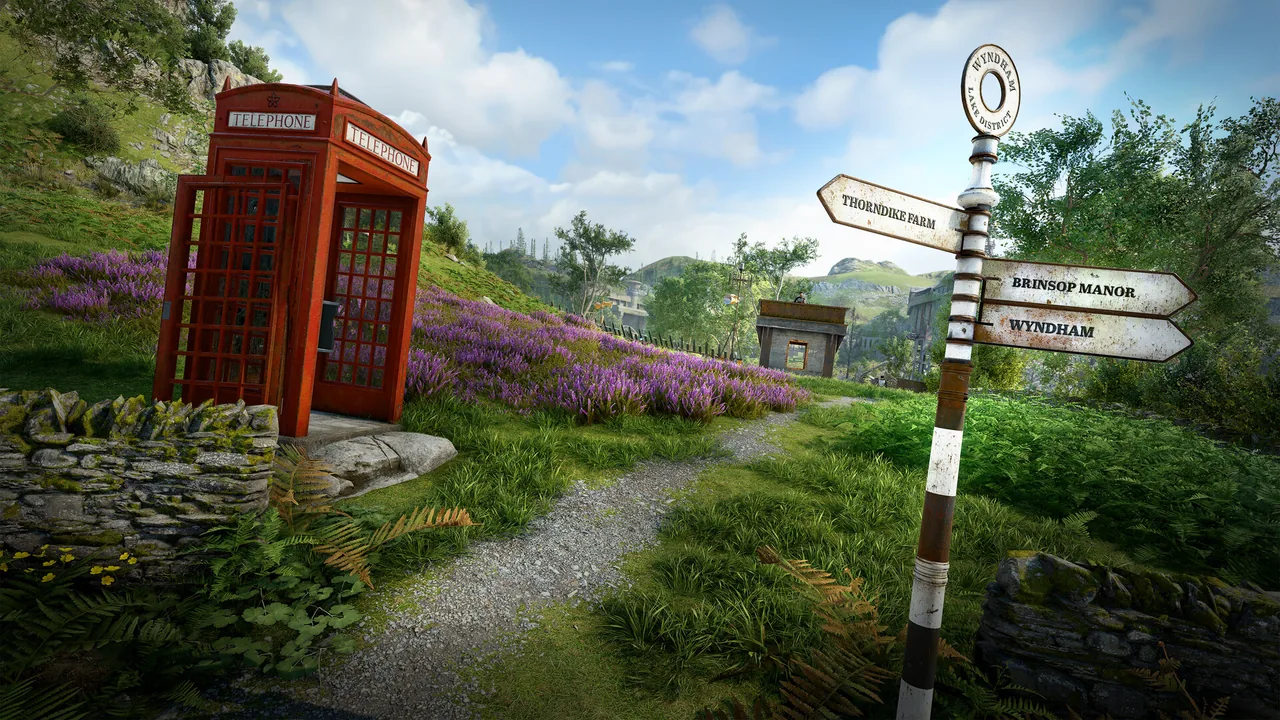
Start with what draws the widest agreement across this review's sample: Atomfall's 1950s British nuclear-quarantine premise is unlike almost anything else in the genre, and reviewers on both sides of the recommendation line credit it as evocative and specific rather than generic post-apocalyptic dressing. The mystery-driven structure — no compass marker telling the player exactly where to go next, information pieced together from notes and NPCs, multiple possible paths to an ending — earns real, repeated praise for trusting the player, a genuinely uncommon design choice in a genre that usually over-explains itself.
What's striking, reading this review's sample in bulk, is that even the game's single highest-voted positive review — 602 votes, more than any other review of any type — opens with a caveat rather than unqualified enthusiasm: "Atomfall is a confused game. It's pulling in like 5 different directions but doesn't commit to any of them... not complex enough to be a detective game, not hardcore enough to be a survival game." That's a thumbs-up review making essentially the same core argument as this review's negative sample, just landing on a different overall verdict. Another well-regarded positive review frames the same tension more forgivingly, describing the game as "AA.5" — smaller in scope than Fallout or STALKER, and better for it, a brisk roughly-20-hour experience rather than a padded epic. Whether that reads as focus or as failure to commit depends heavily on what a given player wanted going in.
Two concrete, dateable problems beneath the framing
Underneath the "confused genre identity" thesis, this review's negative sample raises two specific, mechanical complaints worth reporting on their own terms. The first concerns resource scarcity clashing with infinite enemy respawns: several reviewers argue the game asks players to manage ammo and supplies carefully while repopulating cleared areas with enemies indefinitely, undermining the tension the scarcity is meant to create. "They give you limited resources and a world which clearly tries very hard to immerse you, then put in infinite re-spawning enemies," reads one representative review, calling it a design contradiction rather than a difficulty choice.
The second is a save-corruption bug, reported as recently as a 275-vote review from December 2025 — eight months after launch — warning prospective buyers to check current reports before purchasing, after players reportedly lost significant progress to file corruption. This review cannot independently confirm the bug's current status, and flags it as a documented, dated complaint rather than an ongoing certainty, but the persistence of reports across nearly a year is worth a cautious reader's attention regardless.
Combat and stealth draw the most consistent system-level criticism in raw volume — 37 of the 100 negative reviews read for this piece raise one or both directly, describing combat as clunky and lacking weight, and stealth as either too permissive (enemies giving up pursuit almost instantly) or too punishing depending on difficulty setting, without a clearly readable middle ground.
The complaint that outweighs its own numbers
One thread in this review's sample deserves attention disproportionate to how often it's mentioned, because of how heavily it's been upvoted by readers who encountered it themselves. This review's single highest-voted negative review of any kind — 655 votes — states plainly: "A single player game that requires an internet connection to play, which isn't listed in the store page." A second, 494-vote review makes a related but distinct point, reporting the game includes Denuvo DRM undisclosed until after purchase, discovered only when the reviewer tried to launch it offline. A third review, 195 votes, calls an always-online requirement on a single-player game "a scummy practice" outright. This review cannot personally audit what the software does — that's outside what this outlet does — but the pattern here matches a category this library has learned to take seriously regardless of review volume: publisher-level technical requirements are frequently the single most consequential thing a prospective buyer needs to know, more than any combat or story critique, because they can determine whether the game is playable at all under conditions a buyer reasonably expected. Readers who specifically play offline, or who object to always-online requirements on single-player games, should verify current requirements directly before purchasing.
What the numbers say about how far players get
Steam's achievement data adds a useful data point to the "confused, brisk experience" reading: across 54 achievements, the median completion rate is just 5.2%, against a top rate of 78.5% for the easiest. That's a steep drop-off consistent with a short main campaign that most players complete once and don't return to for the game's multiple alternate endings — several reviewers say as much directly, describing watching the other endings on video rather than replaying to earn them themselves.
Final Verdict
Atomfall succeeds at building something genuinely distinctive — its 1950s British nuclear-quarantine setting and trust-the-player mystery structure earn real, specific praise even from reviewers who ultimately can't recommend the whole package. Where it falls short of a stronger score is exactly where its own top-voted positive review says it does: a refusal to fully commit to survival depth, detective complexity, or combat polish, landing instead at competent-but-unremarkable across most of its individual systems, compounded by a specific resource-versus-respawn design tension and a save-corruption bug that outlasted its launch window by the better part of a year. Layered on top is a genuine trust question this review treats seriously regardless of how many reviews raise it: check current, independent reports on the always-online requirement and DRM before buying, because that single issue has generated some of the strongest reader reaction in the entire review corpus.
Pros and cons
Pros
- Setting and atmosphere draw wide, specific praise — a genuinely distinctive 1950s British nuclear-quarantine backdrop that multiple reviewers credit as unlike anything else in the survival genre, evocative rather than merely grim
- The mystery-driven structure earns real credit for trusting the player: no quest markers dictating a single path, with information gathered from notes, NPCs and exploration used to piece together several possible routes toward the game's ending
- A brisk runtime — most reviewers cite roughly 8 to 20 hours for a full playthrough — is framed by several as a deliberate strength rather than a shortfall, especially compared to genre peers that pad length with repetitive content
- No microtransactions or predatory monetisation of any kind, a point specifically praised by reviewers weighing it against the launch pricing of other 2025 AAA-adjacent releases
Cons
- This review's most-upvoted single negative review — 655 votes — reports the game requires an internet connection to play despite being entirely single-player, a requirement not listed on the store page; a related 494-vote review specifically raises Denuvo DRM as undisclosed until after purchase
- Combat and stealth are the most consistently criticised systems in this review's sample, described across 37 of the 100 negative reviews as clunky, under-developed or simply not fun, with enemy AI called inconsistent on higher difficulties
- A specific, recurring design complaint concerns resource scarcity clashing with infinite enemy respawns — several reviewers argue a game built around careful ammo management undermines its own tension by repopulating cleared areas indefinitely
- A save-corruption bug is reported as recently as December 2025, described by one 275-vote review as having cost some players their entire progress; this review could not independently confirm whether it has since been resolved
Screenshots
-
AtomfallImage: Rebellion via Steam -
AtomfallImage: Rebellion via Steam -
AtomfallImage: Rebellion via Steam -
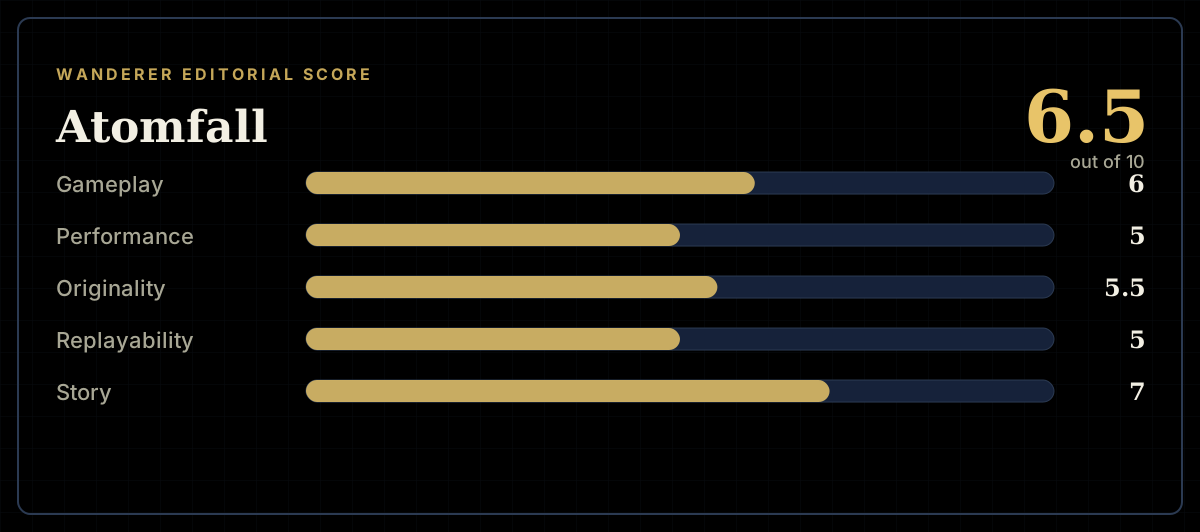
How the review scores each part of the gameWanderer Editorial -
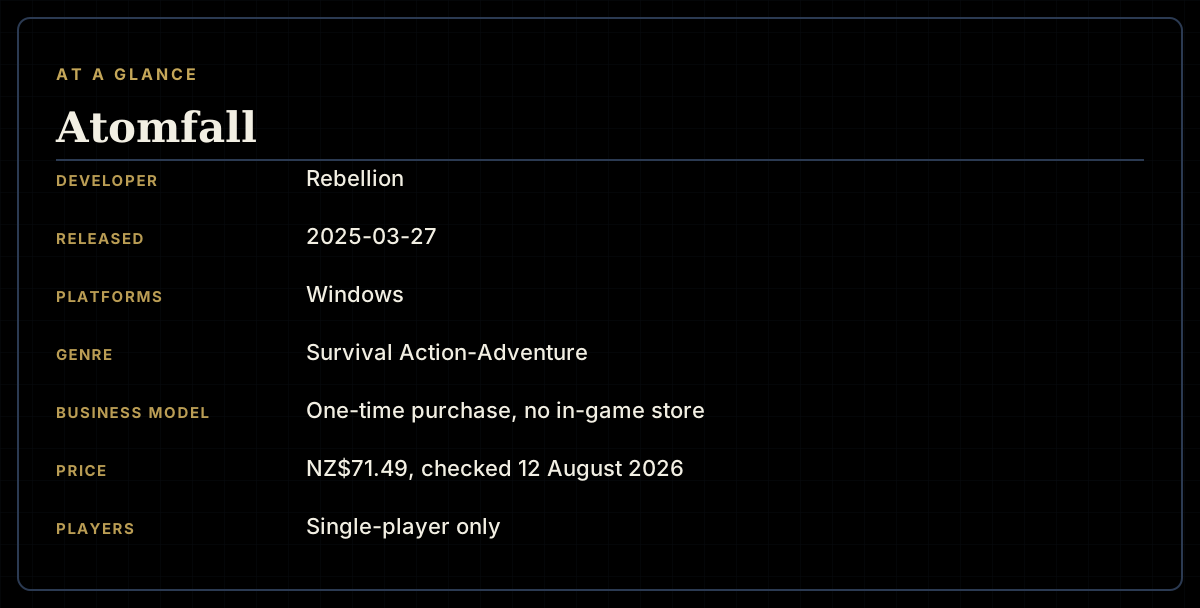
The essentials at a glanceWanderer Editorial -
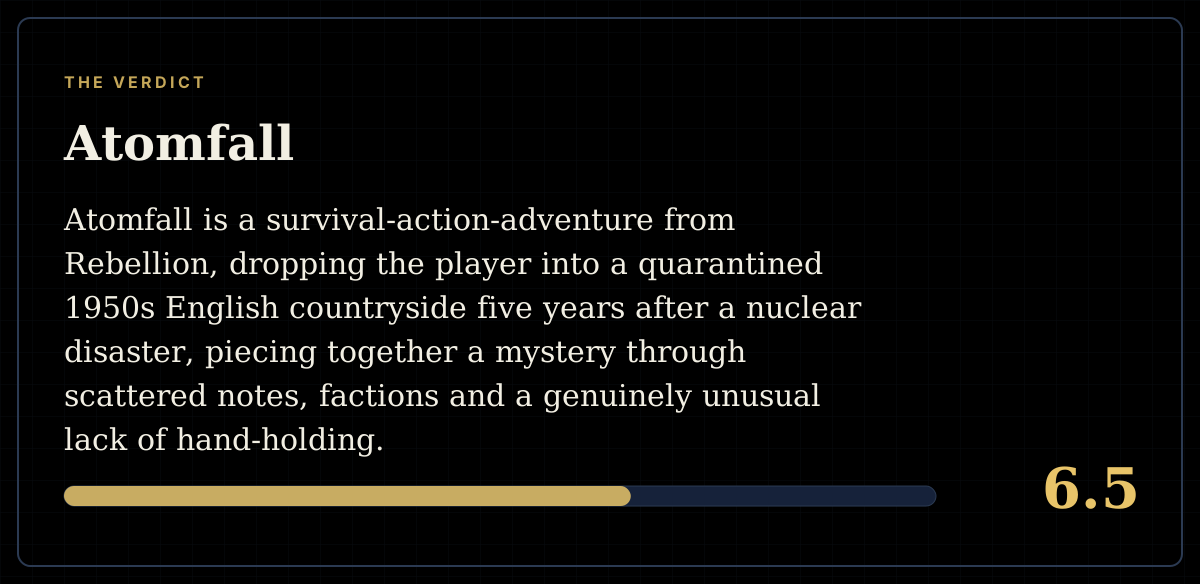
The short versionWanderer Editorial