Game review
Astrophobia Review
5.5 / 10
- Developer
- CosmicArcade
- Publisher
- CosmicArcade
- Released
- 10 August 2026
- Platforms
- ["Windows"]
- Genre
- Cosmic Horror Walking Simulator
A Pyramid on the Moon, Filtered Through a CRT
Astrophobia, the latest short horror release from solo-leaning studio CosmicArcade (previously behind Poolscape and Gore), launched on Steam on August 10, 2026 at $2.99. It casts two astronauts on a classified mission to study alien architecture buried beneath the lunar surface, only to discover ruins belonging to a civilization that predates humanity itself. Told through a deliberately grainy PSX-style visual filter and a found-footage framing device, it's a short first-person walking sim built explicitly as an homage to H.P. Lovecraft, and to "At the Mountains of Madness" specifically, which the developer cites directly as an inspiration. At the time of writing it sits at 45 reviews, 80% positive, a solid if unspectacular showing for a pocket-change horror game that most reviewers finish in well under two hours.
Strong Atmosphere and an Excellent Soundtrack Carry the Experience
The review pool is remarkably consistent about what works: the retro PSX aesthetic and its built-in CRT filter are repeatedly singled out as among the best executions of that look reviewers have seen, adding real texture to the mood rather than functioning as a cheap nostalgia gimmick. Even reviewers who are otherwise lukewarm on the game single out the sound design and score for specific praise, with multiple reviews independently calling the soundtrack a "banger" worth listening to on its own and rating it a flat 10/10 regardless of their overall verdict. The lunar-pyramid setting and its abandoned, once-powered underground structures earn consistent credit for successfully building dread through environmental storytelling and scale rather than jump scares alone, and several reviewers explicitly compare the experience favorably to Lovecraft's own prose, calling it one of the more faithful "cosmic horror as a game" attempts they've played. For a two-dollar-and-ninety-nine-cent, hour-long experience, the presentation is where nearly everyone agrees the developer delivered.
The Story Is the Recurring Sticking Point
Set against that presentation praise, the most consistently repeated criticism in the pool, including from several reviewers who still recommend the game, is the writing itself. Multiple independent reviews describe the narrative as generic, predictable, and reading like an unrevised first draft, with the game's central twist, that a companion character has secretly been dead the whole time, called out by name as visible from the opening minutes and then reiterated by the game's own ending dialogue as if the player hadn't already understood it. More than one reviewer frames this as a "show, don't tell" failure specifically: the antagonist, in the game's own words, tells the player how small and afraid they should feel rather than the environment or pacing making them feel that way organically. A related, smaller complaint concerns creature variety, with several reviewers noting that only one or two enemy models appear throughout, reused in slightly different guises, and that the same awkward, animation-free "sliding" movement the developer previously used for a monster in Poolscape has been carried over largely unchanged for this game's antagonist, undercutting tension at exactly the moments it should be highest.
Deliberately Short, but Padded by Slow Pacing and a Few Rough Edges
Astrophobia's brevity cuts both ways across the review pool. Many reviewers frame the roughly hour-long runtime as a feature, praising the game for not overstaying its welcome and delivering a tightly-scoped, "short and sweet" experience worth its asking price, while a similarly sized group wishes there had simply been more of it, more locations, more creature variety, more systems to engage with beyond walking and pressing a single interact button. Layered on top of that divide is a specific, repeated complaint about pacing mechanics rather than length itself: the player's walking speed is slow enough that several reviewers explicitly call out the lack of a sprint option as making already-long corridors feel tedious, particularly once you're forced to backtrack. That problem is compounded by a design choice several reviewers flag directly, that falling or clipping outside the map's boundaries respawns the player at the very beginning of the current level rather than a nearby checkpoint, turning a small navigation mistake into a multi-minute walk back through empty space. A smaller number of reviewers report a UI bug where the mouse stops functioning in the pause menu, forcing arrow-key navigation, and note that ambient sound mixing occasionally buries dialogue or leaves silence where atmosphere should be.
Verdict
Astrophobia is a competent, atmosphere-first cosmic horror miniature that knows exactly what it's selling: a moody, PSX-filtered hour with a genuinely excellent soundtrack, built as a sincere and mostly successful homage to Lovecraft's lunar-expedition brand of dread. For three dollars, reviewers overwhelmingly agree the presentation alone justifies the purchase, and the 80% positive score reflects a small but real audience that got exactly what they came for.
Where it falls short is squarely in the writing and pacing: a predictable, over-explained twist, thin creature variety recycled from the developer's earlier work, and a slow, sprint-less walk speed that makes an already-short game feel padded rather than tight. Buyers going in for mood and a quick scare over the course of a lunch break will likely walk away satisfied; anyone hoping the Lovecraftian premise would be matched by an equally ambitious narrative should adjust expectations accordingly.
It's also worth weighing Astrophobia against the rest of CosmicArcade's small catalogue, since several reviewers explicitly do exactly that in their write-ups. The studio has now released a handful of similarly short, similarly priced horror walking sims in quick succession, and the recurring praise for sound design alongside recurring criticism of thin writing and recycled creature behavior suggests a house style that has settled into a reliable formula without yet stretching its ambitions much beyond it. That consistency cuts both ways: it means buyers know roughly what they're getting before they click purchase, but it also means the specific complaints leveled at Astrophobia are unlikely to be resolved by this particular release alone, since they read as through-lines of the studio's approach rather than one-off missteps.
Screenshots
-
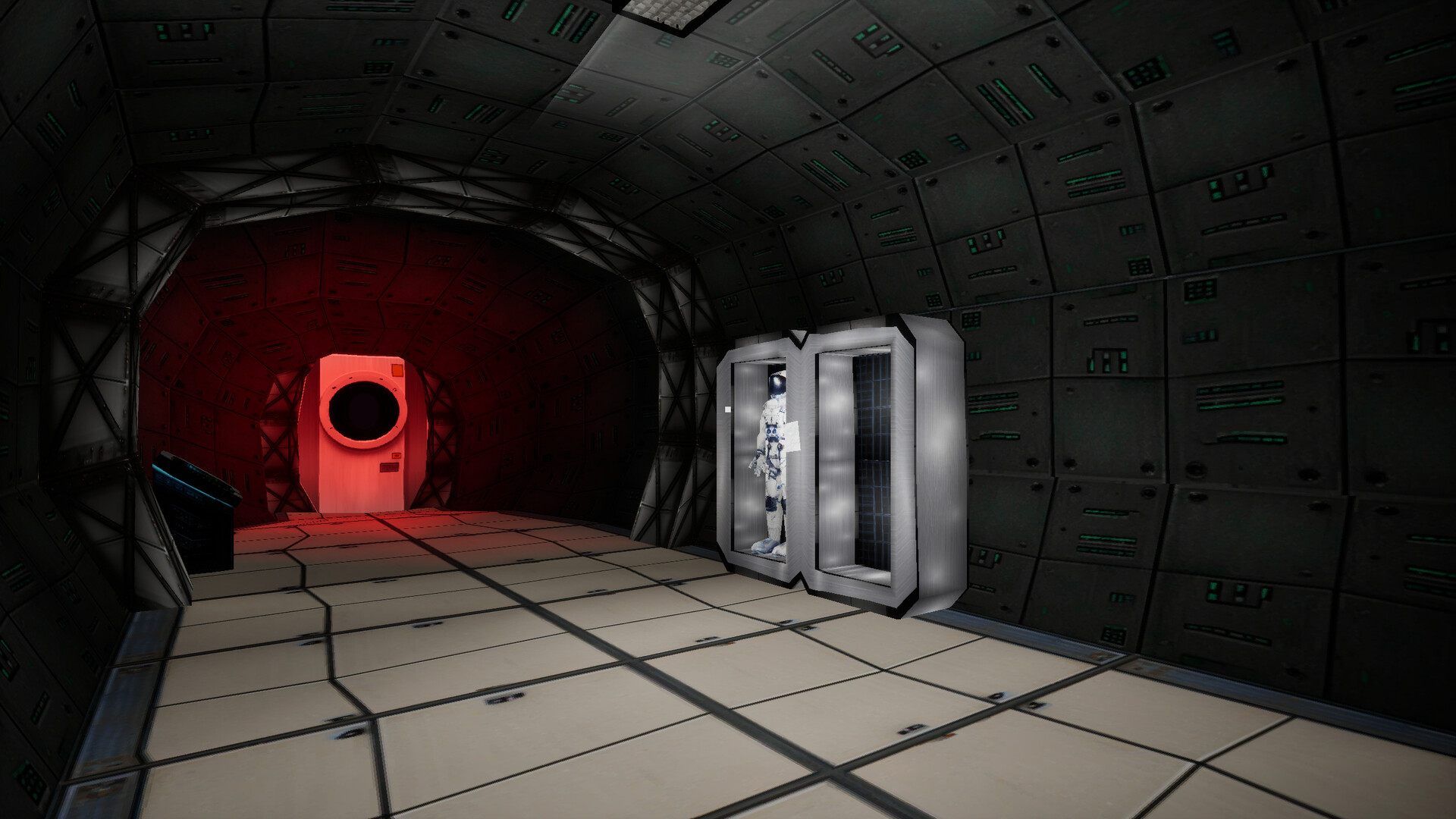
The moon-base interiors lean on tight, red-lit corridors to build tension before the horror properly begins.Image: CosmicArcade via Steam -
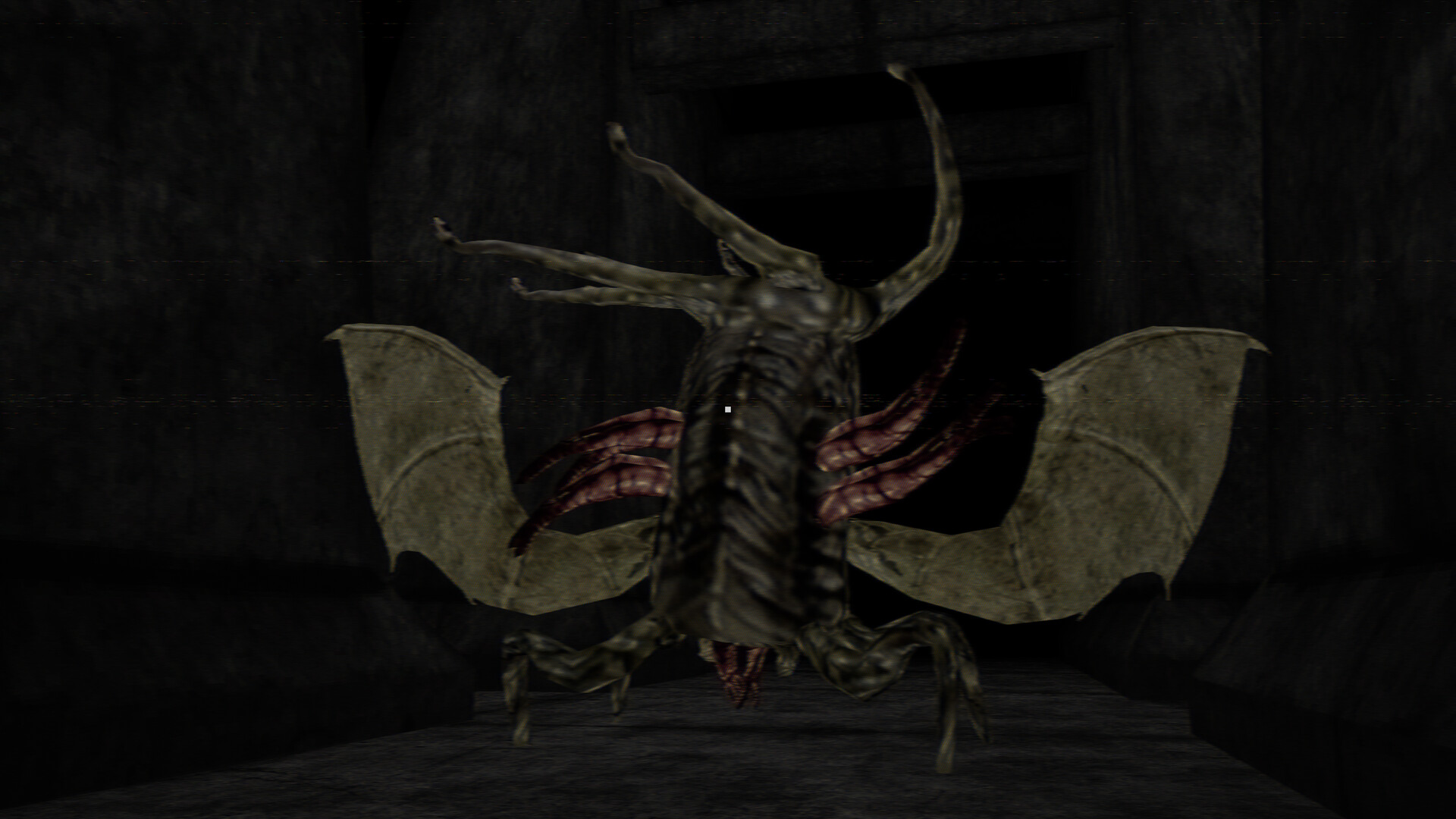
One of the game's few enemy models, reused across encounters in a way several reviewers note as a limitation.Image: CosmicArcade via Steam -
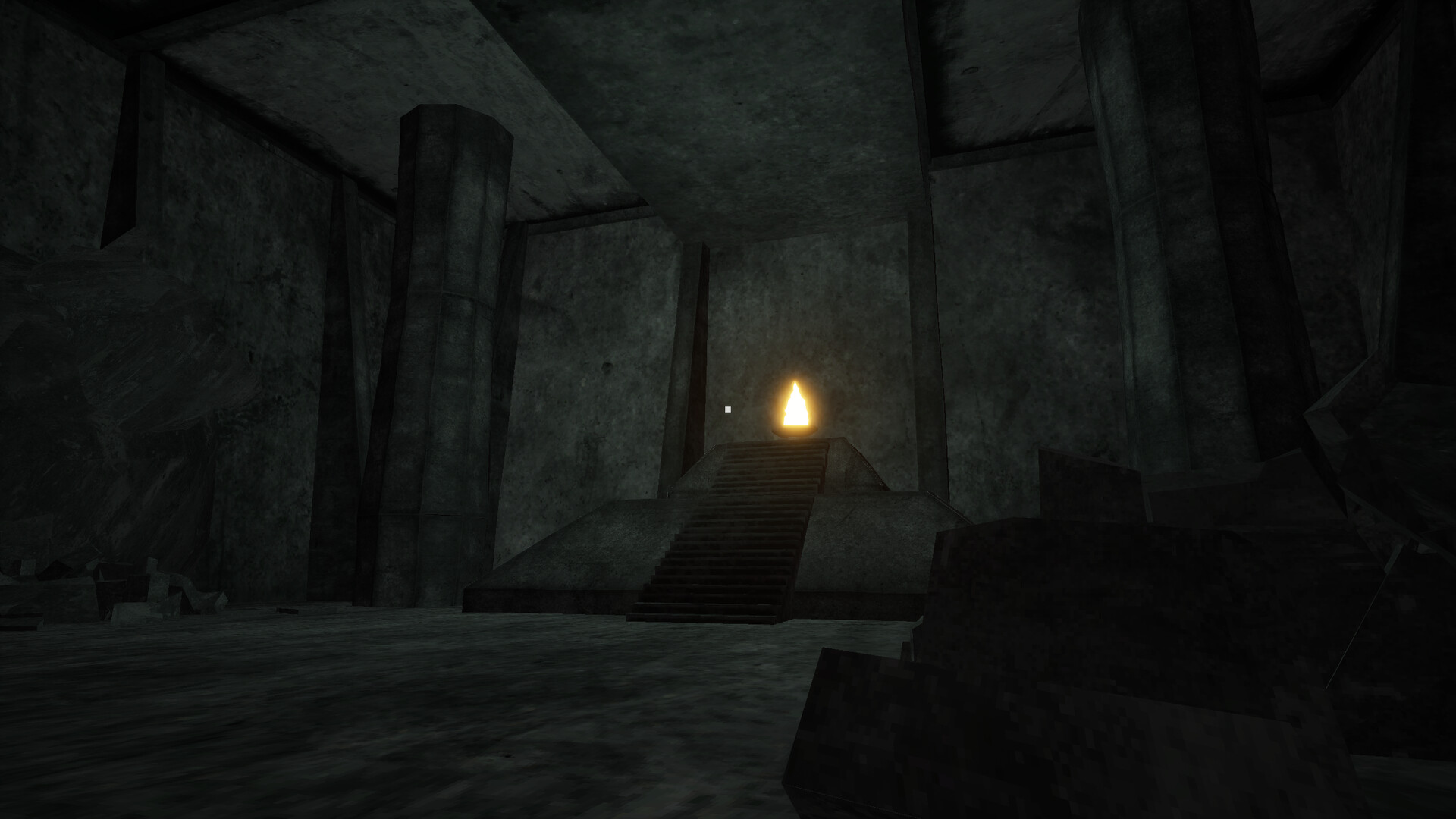
The buried pyramid's stairways and altars carry much of the game's Lovecraftian atmosphere through environment alone.Image: CosmicArcade via Steam