
Game review
The Therapist Impostor
7.5 / 10
- Developer
- Brady Medearis
- Publisher
- Brady Medearis
- Released
- 27 June 2026
- Platforms
- Windows
- Genre
- Adventure, Casual, Indie
- Monetisation
- paid
- Players
- false
The short version
Biggest strengths
- Consistently, reliably funny across dozens of branching choices, with the review pool near-unanimous that the humor lands
- A genuinely huge number of possible endings (over 90 per the store page) that reward replaying rather than punishing exploration
- A short, low-commitment runtime (roughly 45 minutes per playthrough) that fits its joke-a-minute pacing well
Biggest weaknesses
- No in-game volume or audio settings at all, with multiple scenes reported as genuinely hard to hear even at maximum system volume
- No way to skip previously watched dialogue, meaning replays for different endings involve sitting through repeated footage
- Deliberately amateur acting and production values that will read as charming "so bad it's good" comedy to some and simply as rough to others
Who it's for: Fans of deliberately bad, meme-friendly FMV comedy (The Room, low-budget internet sketch humor) looking for a short, joke-per-minute experience to laugh through with friends, rather than a polished production
Our recommendation: recommended
7.5 / 10
The Therapist Impostor released in full on Steam on June 27, 2026, from solo developer Brady Medearis, a live-action FMV comedy about "Dr." Trigger, a man with zero qualifications who opens a therapy clinic anyway and fields an array of eccentric patients through dozens of branching choices. Its 33-review English pool is a flawless 100% Positive, and unlike many unanimous pools this session, the reviews here are consistent not just in sentiment but in exactly what they're praising: the game is, by wide agreement, extremely funny.
The humor is the entire pitch, and reviewers described it in strikingly similar terms across the pool. One wrote simply, "this game was so unbelievably funny my friends and I were LMAOing at the insane responses," while another said "the only bad thing about this game is... there isn't more. Literally the best stomach workout I've had in years, I laughed for 2 hours straight." A third reviewer, who bought it as a group joke with friends, was candid about going in with low expectations: "we expected cringe, and sure, we found it, but damn, it is funny. The game is self-aware, has funny options, a ton of endings, it is definitely worth the 5 bucks." Several reviewers specifically praised the sheer volume of possible outcomes, with the store page citing over 90 total endings, and one reviewer explicitly asked "will there be more??" after finishing, describing it as delivering exactly the "choice matters" feeling "with no real risk to game progress."
Part of what makes the humor land, according to several reviewers, is that the game leans into rather than hides its low budget. One reviewer traced the source of the appeal directly to the developer's background: "wasn't sure why the acting was so bad, then looked up the creator and found out they're a TikTok scripted family prank videomaker. Now EVERYTHING makes sense," going on to compare the experience to "The Room, in a 'so bad it's actually good' sense." Another reviewer made the same connection more sympathetically, recommending that anyone on the fence "watch one of the videos of Brady Medearis online, if you chuckled, buy the game," framing the game less as a polished production and more as a direct extension of the family's existing comedic style. That context matters for setting expectations: this isn't attempting prestige FMV production, and reviewers who understood that going in consistently had a better time than a straight production-values review would suggest.
The most substantive, specific criticism in the pool concerns audio, and it's a real, concrete complaint rather than a vague one. The same reviewer who identified the developer's TikTok background wrote plainly that "there's genuinely no volume/audio settings, and the cutscenes are EXTREMELY difficult to hear," adding that they had to raise both their system volume and their stream volume just to follow along with friends, and directly requested the developer "fix your audio issues and make a volume slider" in any future project, noting it's "absolutely possible" in the RenPy engine the game is built on. No other reviewer in the pool detailed the same issue at this length, but it's specific enough, and technically plausible enough given the low-budget FMV format, to flag as a genuine usability gap rather than dismiss as one person's hardware problem.
A smaller, recurring point of confusion in the pool is the title itself. A couple of reviewers noted that despite the "Impostor" naming, the game has nothing to do with Among Us or social-deduction mechanics, with one writing bluntly that "contrary to the title, it doesn't have much to do with among us." It's a minor point, but worth flagging for anyone searching by genre rather than by the developer's existing audience, since the title alone doesn't clearly communicate what kind of game this is.
Beyond the specific critiques, the tone of the review pool itself is worth noting as a data point in its own right. Several reviews leaned fully into the game's own absurdist comedic register rather than writing conventional critique, including one styled entirely as a joke meme-format checklist ("Graphics: You forget what reality is," "Difficulty: Easy to learn / Hard to master," "Price: Worth the price"), and others making tongue-in-cheek claims about the game curing depression or bringing about world peace. That style of engagement suggests a review pool made up largely of an already-engaged, meme-fluent audience discovering the game through the developer's existing social following, which is worth factoring in when reading a 100% Positive score, though the more measured, detailed reviews in the pool back up the same core verdict: it's short, cheap, and reliably funny.
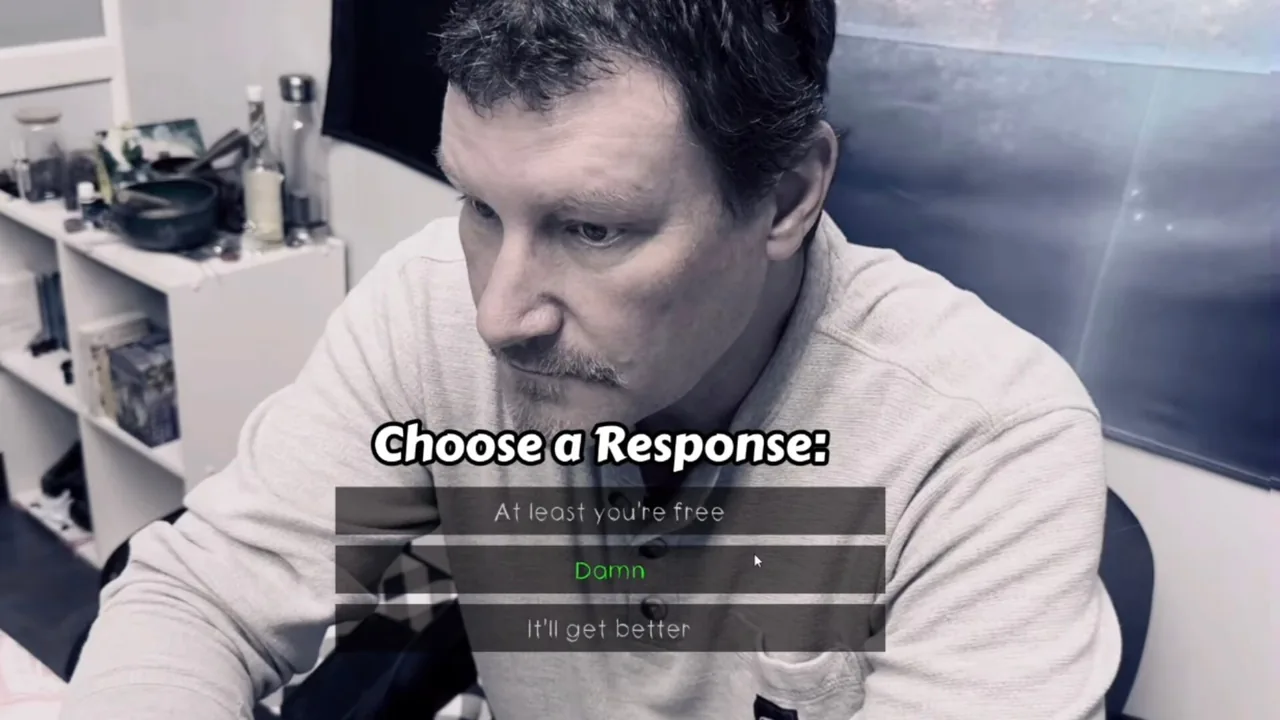
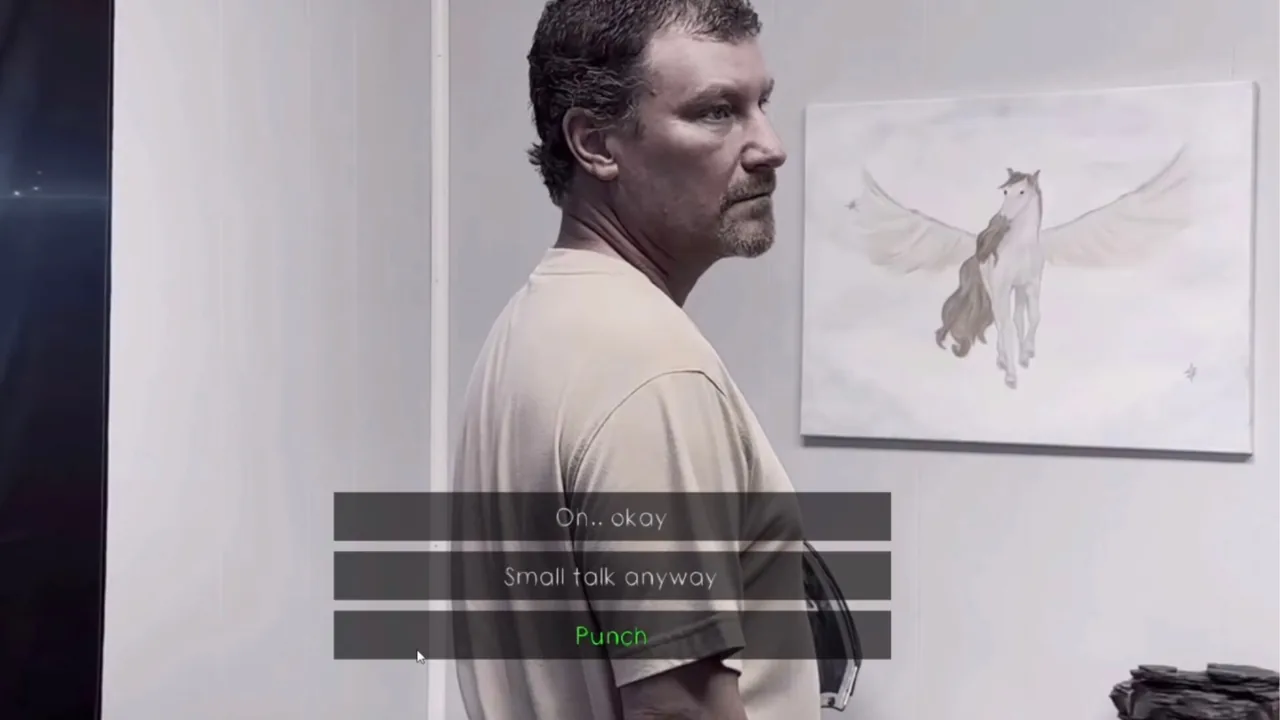
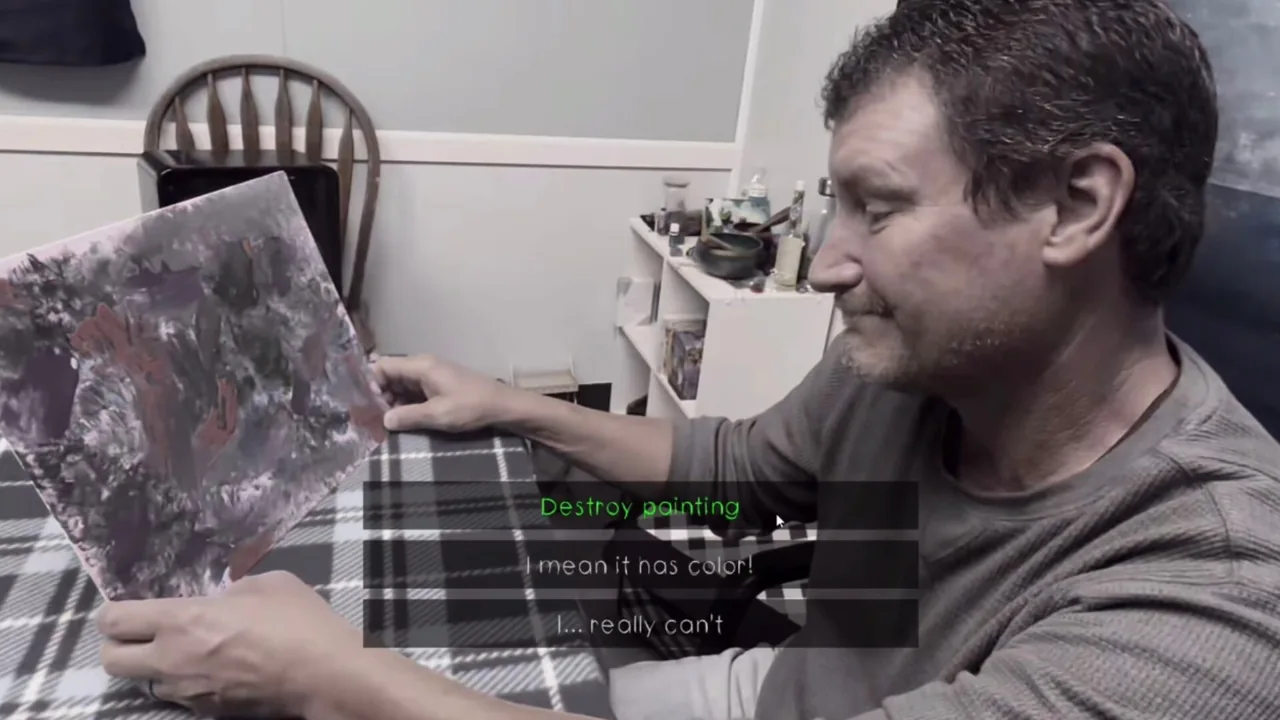
On structure, the game's core loop is straightforward: sessions play out as branching FMV conversations with individual patients, each carrying its own set of eccentric problems, and the choices offered lean deliberately toward the chaotic and inappropriate rather than the sensible ones a real therapist would make. One reviewer specifically called out enjoying "how many times you have the option to punch people," and another joked about spending an entire playthrough hunting down "the gun," both pointing at a design that rewards players for picking the worst possible option rather than steering them toward a single correct path. That absence of a "wrong" outcome in any meaningful mechanical sense is part of why several reviewers described it as low-stress, low-stimulation entertainment, closer to an interactive sketch show than a game with stakes, which suits its short runtime and comedic goals well even if it means there's little conventional gameplay depth to evaluate on its own terms.
Taken together, The Therapist Impostor delivers exactly what it promises: a fast, disposable, joke-dense FMV comedy that earns its laughs through commitment to its bit rather than production polish. At under five dollars and under an hour per playthrough, with dozens of endings to chase, it's an easy, low-risk recommendation for anyone who enjoys deliberately bad-on-purpose comedy, provided they're prepared to turn their volume all the way up and are fine replaying footage they've already seen in pursuit of a different ending.
Pros and cons
Pros
- Consistently, reliably funny across dozens of branching choices, with the review pool near-unanimous that the humor lands
- A genuinely huge number of possible endings (over 90 per the store page) that reward replaying rather than punishing exploration
- A short, low-commitment runtime (roughly 45 minutes per playthrough) that fits its joke-a-minute pacing well
- Cheap even by comedy-FMV standards, at $4.99, which reviewers repeatedly cited as easy value for the laughs delivered
Cons
- No in-game volume or audio settings at all, with multiple scenes reported as genuinely hard to hear even at maximum system volume
- No way to skip previously watched dialogue, meaning replays for different endings involve sitting through repeated footage
- Deliberately amateur acting and production values that will read as charming "so bad it's good" comedy to some and simply as rough to others
- A misleadingly Among-Us-adjacent title that a couple of reviewers noted has nothing to do with that game or its "impostor" mechanics
Screenshots
-
The Therapist ImpostorImage: Brady Medearis via Steam -
The Therapist ImpostorImage: Brady Medearis via Steam -
The Therapist ImpostorImage: Brady Medearis via Steam