
Game review
The Pale Piper Review
8 / 10
- Developer
- FreeTimeDev
- Publisher
- FreeTimeDev
- Released
- 4 February 2026
- Platforms
- ["Windows", "Linux"]
- Genre
- Action
A One-Person Precision Platformer Built On A Grim Fairy Tale
The Pale Piper released on Steam on February 4, 2026 from solo developer FreeTimeDev, and it wears its influences openly: a moody, minimal-palette precision platformer with Metroidvania-style progression, framed around a dark riff on the Pied Piper myth in which the player uncovers the truth behind their own death and their sibling's. There's no traditional combat; survival comes entirely from timing, momentum, and mastering a growing set of traversal abilities as the interconnected world of decaying ruins opens up around you. At $14.99, on Windows and Linux, the English review pool sits at 28 reviews, 26 positive and 2 negative, small enough for this review to read every one of them in full.
Celeste And Super Meat Boy, Filtered Through A Metroidvania Map
The single most common comparison in this pool, repeated almost verbatim by reviewer after reviewer, places The Pale Piper somewhere between Celeste's forgiving precision and Super Meat Boy's brutal one-hit-death rooms, wrapped in Metroidvania-style ability-gated exploration. "Plays kinda like a Super Meatboy metroidvania with movement abilities and a moody setting, with an interesting story," wrote one. Another called it "a mini-Metroidvania with the philosophy of Celeste and Super Meat Boy. Brutally hard one-hit deaths with no direct way to attack, but you respawn instantly on the same screen," finishing the main story in five hours and twenty minutes with 1,008 deaths along the way. A third reviewer distilled the formula even further: "Two parts precision platformer, one part metroidvania." Reviewers were consistent that the movement itself is the star: "The player control and movement are great - very satisfying to pull off some tricks or figure out new ways to approach the many different obstacles," and "the movement feels great when you get it right, but it can be quite frustrating to master to begin with." One review did break from the no-combat framing, praising "precision platforming that includes enemies as part of the puzzle" and calling "bosses... challenging," but read alongside the rest of the pool, that's best understood as enemies functioning as timing hazards to route around rather than anything resembling a traditional combat system.
A Compact World Built Around Secrets, Not Padding
Beyond the platforming itself, reviewers consistently praised how the interconnected world is put together: dense, secret-filled, and rewarding attentiveness without demanding excessive backtracking. One detailed early review noted being initially wary of "backtracking and unlock gated progression," but found "the map is well designed to account for most of the 'backtracking' being a part of the main path," with "secrets and extras" layered on top for players willing to look. Another wrote that the game is "compact, full of secrets, tough but reasonable," while a third called it "a dense... land filled with hidden paths, forgotten places, and environmental storytelling woven into its decay," echoing the game's own marketing language almost exactly. Several reviewers reported finishing the main story in well under six hours while still leaving large percentages of secrets undiscovered, one finishing at just 59% completion, which several framed as a strength rather than padding: a tight, focused runtime with real incentive to dig deeper rather than a game artificially stretched to justify its price.
Punishing But Fair, Thanks To Instant Respawns
The difficulty itself drew near-universal praise for how it's implemented, even from reviewers who found individual sections frustrating. The quick-respawn system, restarting players at the entrance of whatever screen they're on rather than punishing them with long resets, came up again and again as the mechanic that keeps brutal difficulty from tipping into tedium. "Mistakes just set you back to the start of the screen you're on... so you spend your time perfecting your plan of attack and improving its execution rather than repeating sections you've already done," wrote one. Another called it "a solid masocore platformer" that "leans fairly heavily on precision for its difficulty, but outside of optional challenge levels you quickly restart," comparing it favorably to "kaizo rom hacks without going that far." A reviewer who died literally over a thousand times still described the loop as "thoroughly enjoyed," and a self-described precision-platformer novice wrote that "the quick reloads and bite size puzzles made this totally doable and never frustrating for me." The dedicated optional challenge gauntlets, called out by multiple reviewers as the exception where a full-room reset does apply, appear to be reserved for players actively seeking the game's hardest content rather than imposed on the main path.
The One Real Complaint: No Map
If this review pool has a consistent flaw rather than just a matter of taste, it's the total absence of an in-game map, and it's the substance of both negative reviews in the pool. One negative review called it bluntly "the worst map of all time," arguing "there's no need to reinvent the wheel, we know what works and this ain't it," and that no amount of artistic justification makes the omission acceptable in its current state. Even reviewers who otherwise loved the game raised the same point independently: "no in-game map from what I can tell, and either no or very limited fast-travel," and, after praising nearly everything else about the game, "only thing I'd recommend is to give a map, at least in the endgame... I'm very interested in continuing to explore, but that's pretty daunting without a map." The second negative review was gentler in tone but landed on a related concern, calling the gameplay "frustrating in many respects" relative to its price and length despite genuinely enjoying the game's atmosphere. For a Metroidvania-adjacent game built on backtracking through an interconnected world, a missing map is a real, structural gap rather than a nitpick, and it's the one issue standing between this pool's near-unanimous praise and a truly flawless reception.
Verdict
The Pale Piper is a confident, focused debut from a solo developer, one that earns its Celeste and Super Meat Boy comparisons through tight, satisfying movement, a compact Metroidvania world dense with secrets, and a punishing difficulty curve made fair by instant, no-friction respawns. At $14.99 for a five-to-six-hour main story with substantial secret-hunting depth on top, it's an easy recommendation for anyone who enjoys precision platforming and doesn't need combat to feel engaged. Its one real, repeated criticism, a total lack of an in-game map in a world built around exploration and backtracking, is worth weighing seriously if you're the type of player who wants to navigate confidently rather than by memory, but for most of this review's own pool, that gap didn't come close to outweighing everything the game does right.
Screenshots
-
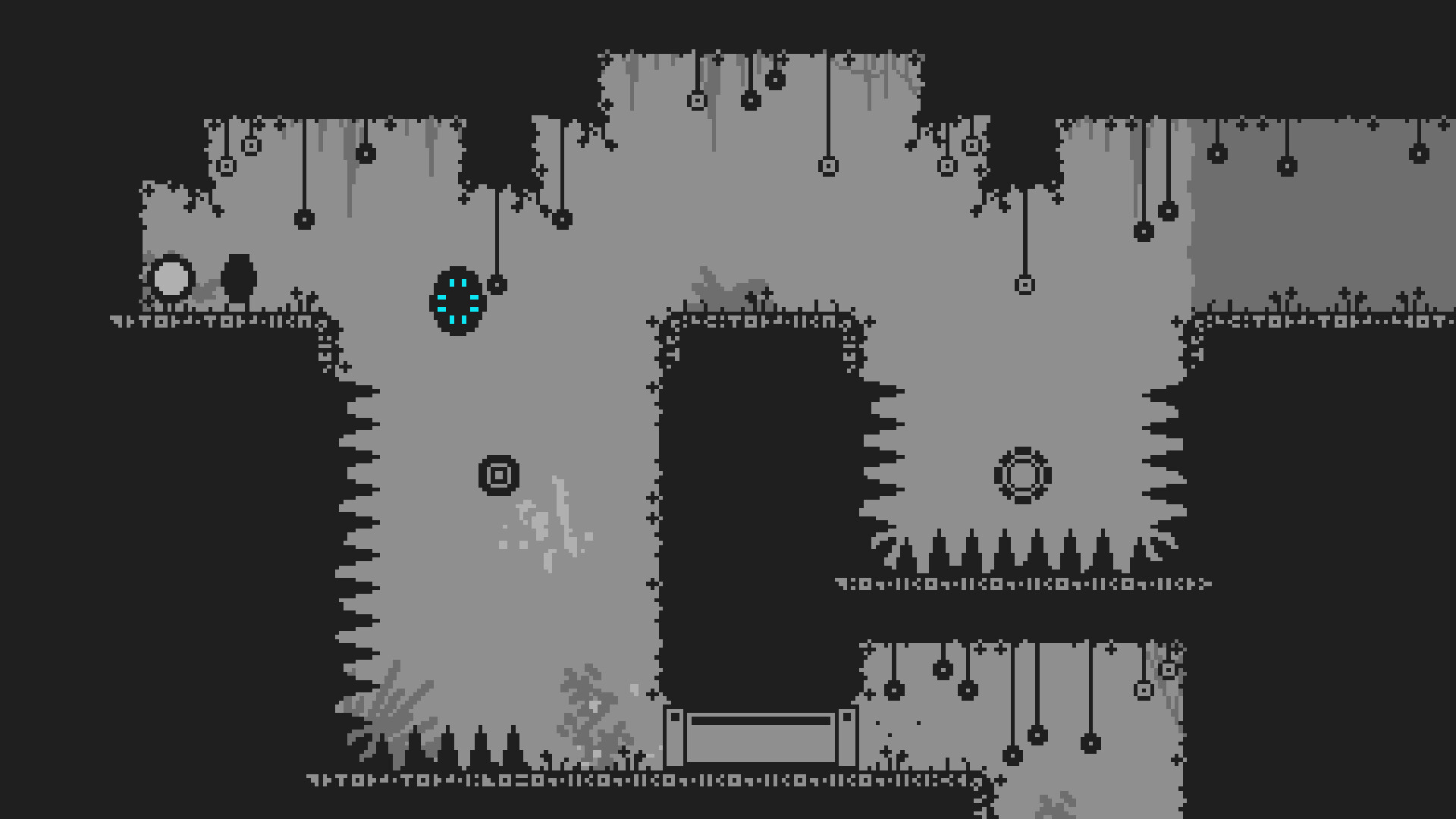
A spike-lined cavern room, one of the handcrafted precision-platforming layouts reviewers compared to Super Meat Boy.Image: FreeTimeDev via Steam -
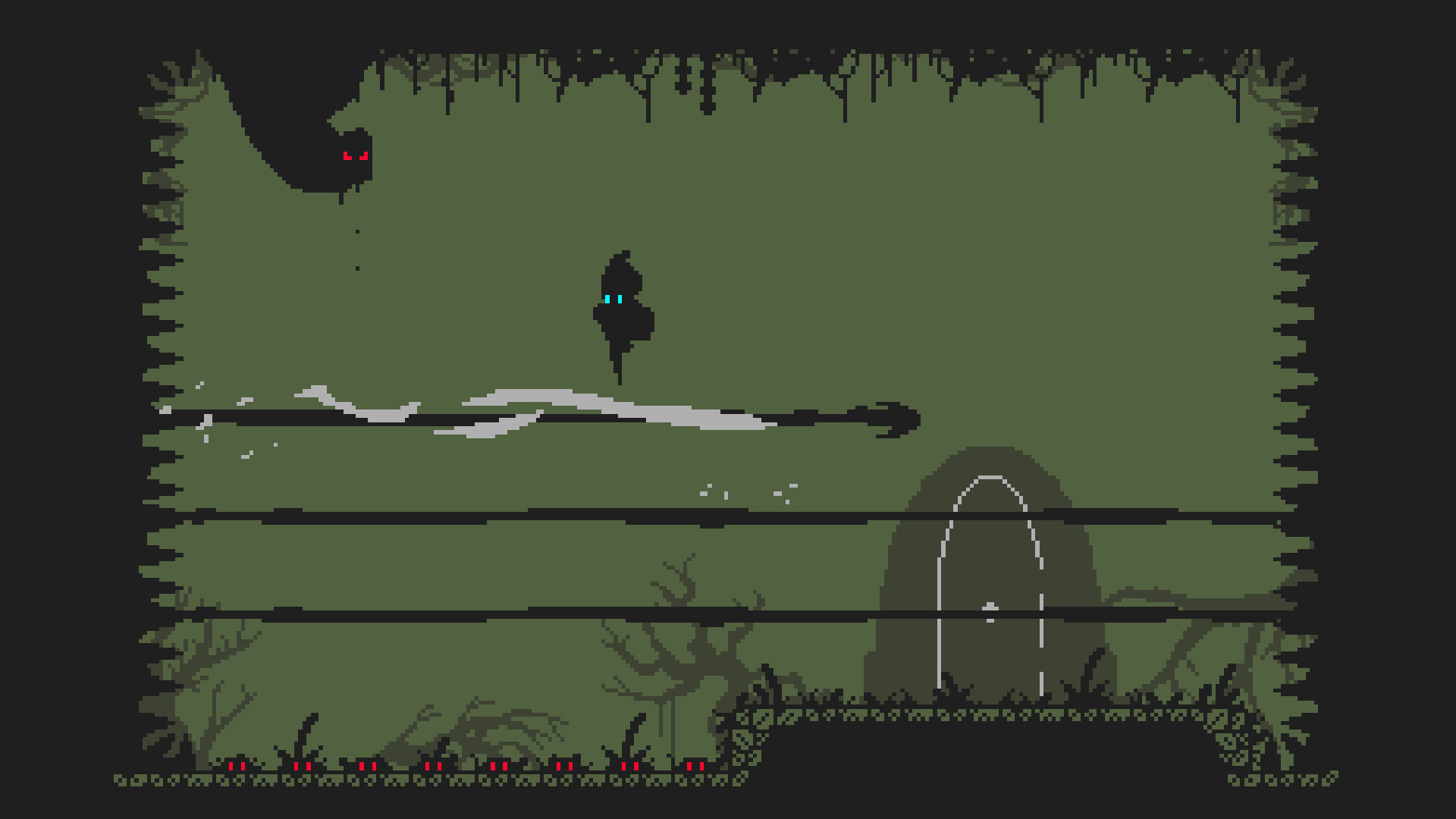
One of the game's shadowy, red-eyed apparitions looming over the player in a swamp-toned room.Image: FreeTimeDev via Steam -
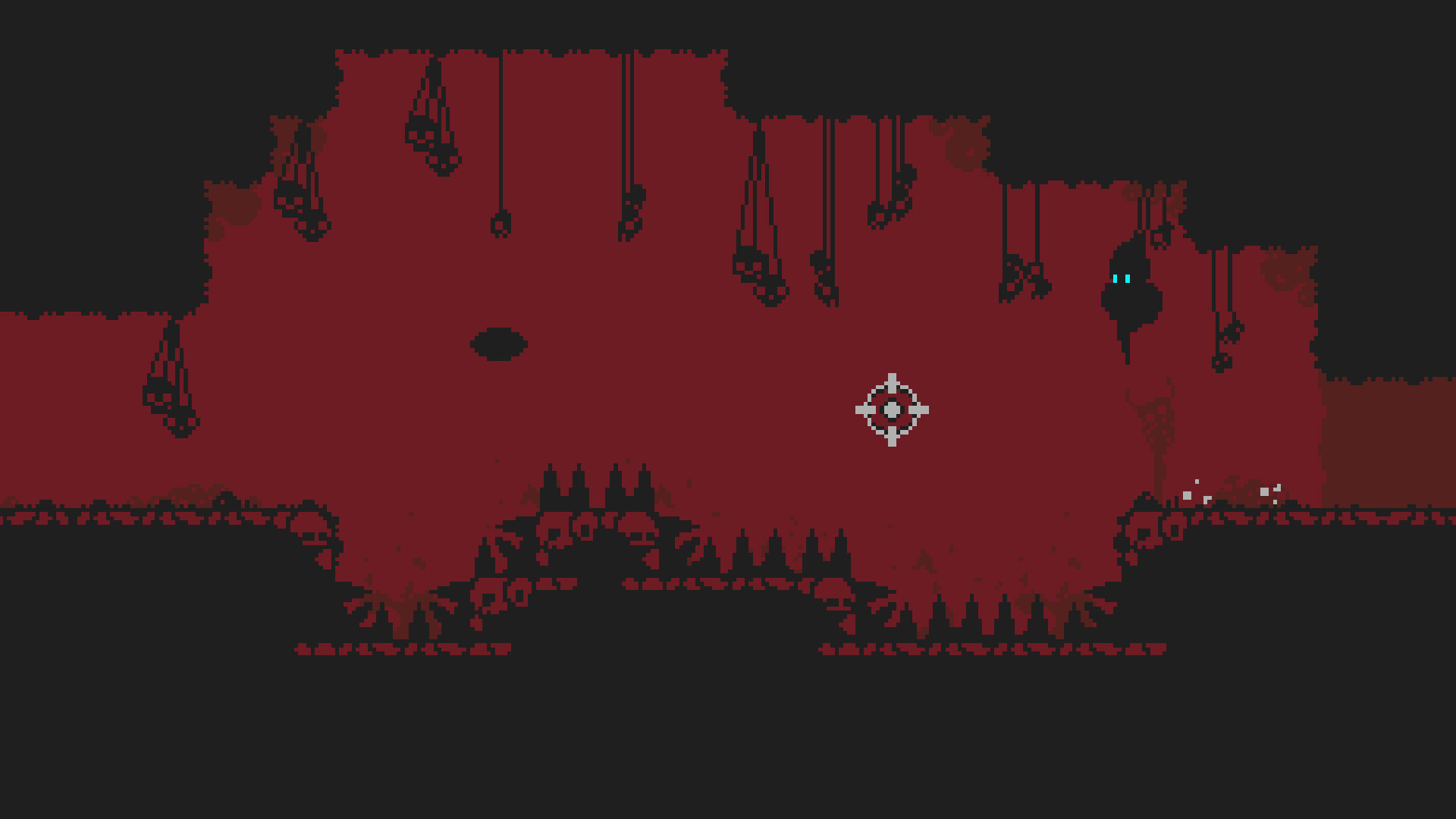
A red-tinted gauntlet room packed with hanging pendulum hazards and spike clusters.Image: FreeTimeDev via Steam