Game review
The Last Winter Knight
8 / 10
- Developer
- ENDYSIS
- Publisher
- ENDYSIS
- Released
- 11 May 2026
- Platforms
- Windows
- Genre
- Adventure
- Monetisation
- Paid, one-time purchase.
- Players
- Single-player only.
The short version
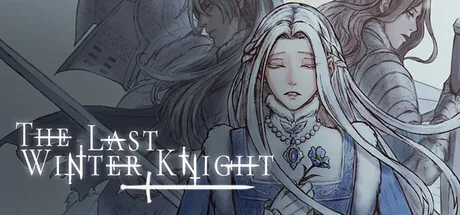
The Last Winter Knight is a gothic point-and-click visual novel from solo developer ENDYSIS, following an amnesiac spirit possessing a suit of armour through an abandoned castle as it pieces together a tragic family history. Its unanimously positive rating across a large English review sample reflects genuine, widely credited praise for its hand-crafted art, original score, and emotionally devastating writing, with this review's own reading finding fair, specific complaints about text-heavy late-game pacing and a predictable early mystery even within an otherwise glowing sample.
Biggest strengths
- Unanimously and repeatedly praised for its hand-drawn art and original piano-and-cello score, with reviewers across the entire sample specifically crediting the developer's own musical performance.
- Praised extensively for writing that multiple detailed reviewers describe as among the best they have encountered in the visual novel genre, singling out its three central, deeply human characters.
- Praised for a point-and-click investigation structure built around repeat examination of objects and a detailed in-game codex, which several reviewers say rewards patient, thorough exploration.
Biggest weaknesses
- A fair, specific complaint reports some sequences in the game's endgame become notably text-heavy, though the reviewer who raised it says the strength of the writing made up for it.
- A fair, specific complaint reports the game's early mystery is fairly predictable, though the same reviewer notes later revelations still land as genuine surprises.
- A fair, minor complaint reports the game lacks a CG gallery feature to revisit unlocked artwork after completion, a quality-of-life omission one detailed reviewer specifically wished for.
Who it's for: Fans of narrative-driven, melancholic visual novels such as The House in Fata Morgana or Finding Paradise, and anyone drawn to slow, investigative point-and-click mysteries; the game deals frankly with grief, implied self-harm and suicidal ideation, and themes of abuse, so readers sensitive to those subjects should be aware going in.
Our recommendation: A genuinely exceptional, emotionally devastating solo-developer visual novel, with only minor, specific rough edges around its late-game pacing and early mystery predictability.
8 / 10
Unanimous praise for art and an original score
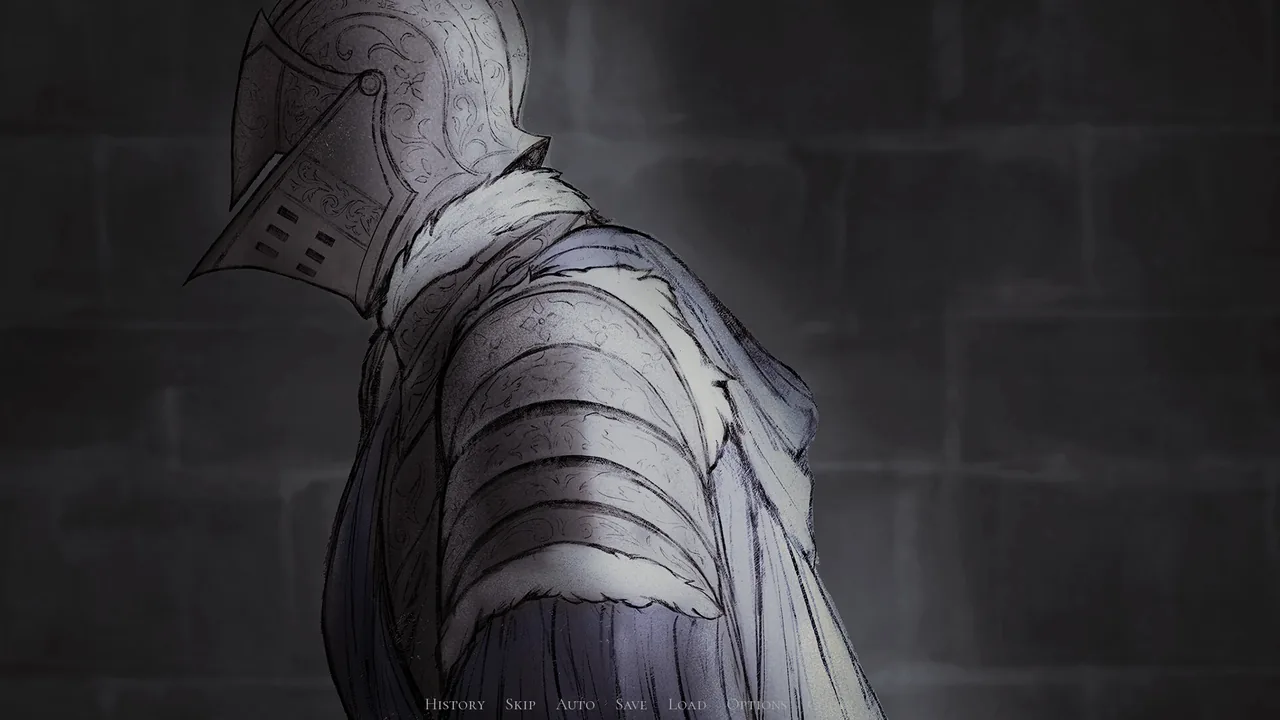
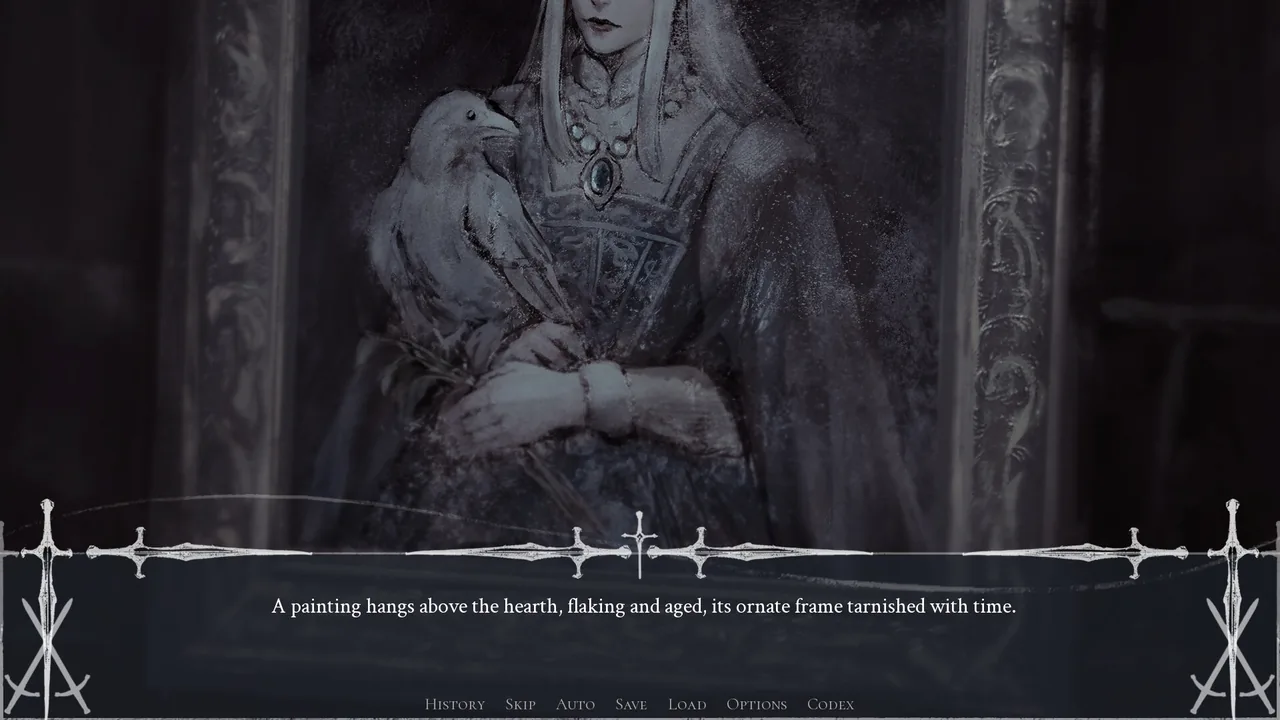
The Last Winter Knight earns its rating first through remarkably consistent praise for its presentation. "Gorgeous hand-crafted artworks and haunting melodies wrapped around a beautifully executed story of love, loss and regrets," reads the sample's highest-voted review, which goes on to note the music is "performed by the developer themselves (with additional cello performances by ArcanaXIX)." A separate reviewer calls it "a truly excellent visual novel" built on art and music that "do a lot to create the melancholy, reflective" tone. A third, who played on Steam Deck, writes simply: "the writing is beautiful, as is the music and the art." This review treats that consistency as significant: dozens of independent reviewers converging on the same hand-crafted art and original score, performed in part by the solo developer, is a strong, credible signal of real production craft behind a comparatively small team.
Praised for genuinely exceptional writing
Beyond its presentation, this review found reviewers repeatedly singling out the writing itself as the game's central achievement. "Few narratives are as well-written (both structurally and in moment-to-moment prose) as [The Last Winter Knight]," reads one detailed review, which adds that "the raw yearning and sheer emotion in the dialogue and letters/diaries written between characters is something that tore at my heart." A separate reviewer describes the game's three leads as "human and imperfect in the best possible way." A third writes that the story "did not shy away from ruining the romance of medieval times and in fact, worked to deconstruct the idea of a knightly hero." This review treats that praise as fair: an amnesia-driven mystery built around recovering memories through diaries, letters, and environmental objects is a well-worn visual novel structure, but reviewers repeatedly crediting genuinely complex, human characterisation within it suggests the writing clears a meaningfully higher bar than the format alone would guarantee.
Praised for a rewarding investigation structure
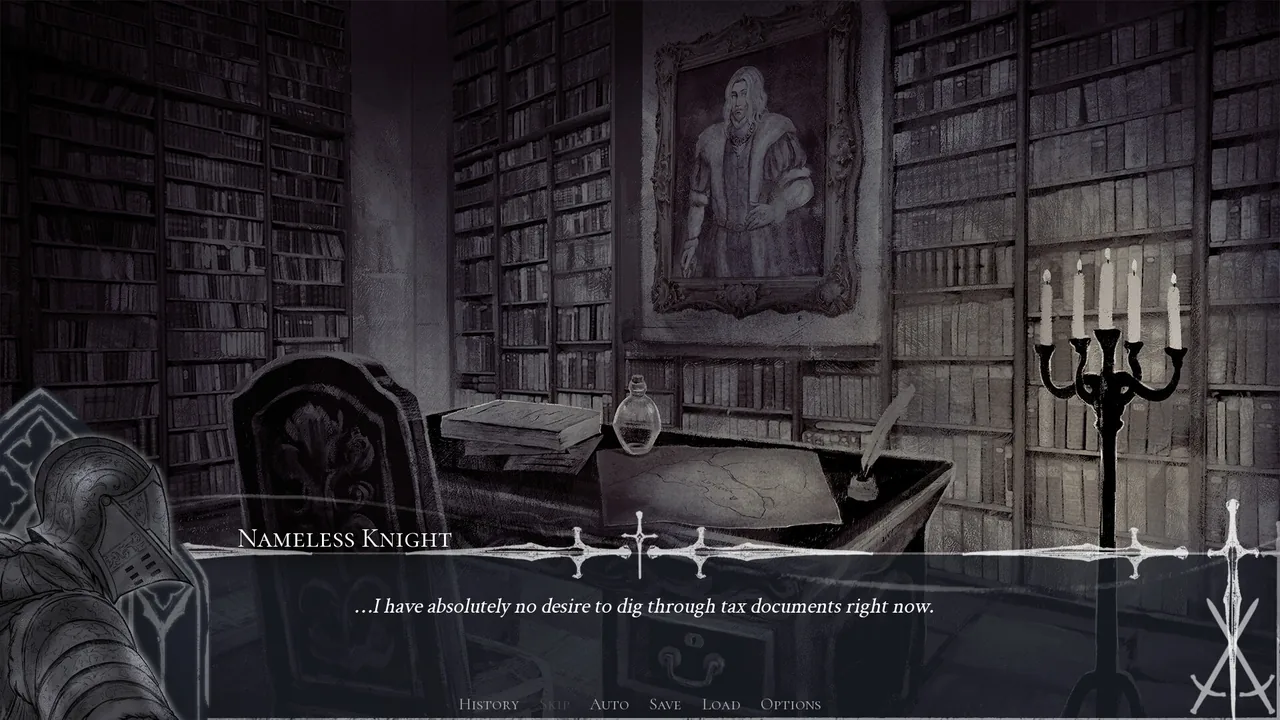
This review also found reviewers repeatedly praising the game's point-and-click mechanics for supporting its story rather than merely decorating it. "The mechanic of rewarding multiple examinations of the same objects brings out a very patient and mindful tone that pairs great with the point-and-click adventure aspects of the novel," reads one review, which also credits "a generous in-game codex (including an exhaustive armour glossary!)" for helping track plot threads. A separate reviewer adds that the interactivity "would have been simple enough" to omit, "but they didn't," praising the variety of things to click across "room exploration" and single-object focus scenes. This review treats that praise as fair: a structure that gates narrative progress behind thorough environmental investigation, backed by a detailed reference codex, is a substantive design choice rather than a token nod to the "adventure" half of its genre tag.
A fair, specific complaint about text-heavy late-game pacing
Set against that praise, this review found a fair, specific complaint about the game's pacing near its conclusion. "Some sequences in the endgame are quite text heavy, but honestly I didn't mind as the writing is really good," reads one detailed review. This review treats that complaint as fair even though the reviewer who raised it ultimately forgives it: a visual novel whose interactive, investigative pacing noticeably slows into denser blocks of pure text during its climax is a legitimate, specific structural observation, distinct from a simple restatement of how much the reviewer otherwise enjoyed the writing.
A fair, specific complaint about a predictable early mystery
This review also found a fair, specific complaint about the game's central mystery. "Most of the mystery seems quite predictable at first—which is not a bad thing at all, quite the opposite actually, since it is executed beautifully. Still, there were some bits later on that caught me by surprise after all," reads one detailed review. This review treats that complaint as fair and worth naming directly: a mystery-driven narrative whose early beats are telegraphed clearly enough for an attentive player to see coming is a real, specific critique, even when, as this same reviewer notes, later revelations still manage to surprise.
A minor complaint about a missing gallery feature
This review also found a fair, minor complaint about the game's feature set. "The only thing extra thing I wish is included in the game is the gallery, because I want to traceback on the CGs I got but couldn't," reads one review from a player who otherwise says the story left them needing "a few more days to process everything." A separate reviewer expresses a related wish for expanded scope, hoping to see "more suits of armour" haunted in future projects. This review treats the gallery complaint as fair and minor: it is a narrow, addressable quality-of-life omission rather than any criticism of the content itself, but a specific, named gap nonetheless.
Achievement data reflects a branching structure most players don't fully explore
This review's own check of Steam's global achievement data shows around 70-75% of players clearing the game's first chapter of memory-collection milestones, easing gradually through the middle chapters before falling into single digits for achievements tied to specific alternate endings and optional collectibles, with the rarest sitting at just 1.6%. That pattern is consistent with reviewer accounts of a story built around multiple distinct endings: the large majority of players see the core narrative through to a first conclusion, described by several reviewers as usually the "true" ending, while comparatively few return to hunt down every alternate route and achievement.
Final verdict
The Last Winter Knight is a genuinely exceptional achievement for a largely solo-developed visual novel, earning its unanimously positive rating through consistently credible praise for hand-crafted art, an original score, and writing that reviewers across the entire sample describe in unusually strong terms. Its only real weaknesses, found even within that glowing sample, are fair, specific complaints about text-heavy late-game pacing and an early mystery that telegraphs itself before its later twists land, alongside a minor, specific wish for a CG gallery feature. For fans of slow, melancholic, narrative-driven visual novels, this is an easy, confident recommendation.
Pros and cons
Pros
- Unanimously and repeatedly praised for its hand-drawn art and original piano-and-cello score, with reviewers across the entire sample specifically crediting the developer's own musical performance.
- Praised extensively for writing that multiple detailed reviewers describe as among the best they have encountered in the visual novel genre, singling out its three central, deeply human characters.
- Praised for a point-and-click investigation structure built around repeat examination of objects and a detailed in-game codex, which several reviewers say rewards patient, thorough exploration.
- This review's own check of achievement data shows a broad majority of players engaging with the game's early memory-collection content, consistent with a branching structure that rewards multiple playthroughs.
Cons
- A fair, specific complaint reports some sequences in the game's endgame become notably text-heavy, though the reviewer who raised it says the strength of the writing made up for it.
- A fair, specific complaint reports the game's early mystery is fairly predictable, though the same reviewer notes later revelations still land as genuine surprises.
- A fair, minor complaint reports the game lacks a CG gallery feature to revisit unlocked artwork after completion, a quality-of-life omission one detailed reviewer specifically wished for.
- This review's own check of achievement data shows a steep drop toward single digits for the game's alternate endings and optional achievements, suggesting most players complete one route rather than fully exploring the branching structure.
Screenshots
-
The Last Winter KnightImage: ENDYSIS via Steam -
The Last Winter KnightImage: ENDYSIS via Steam -
The Last Winter KnightImage: ENDYSIS via Steam -
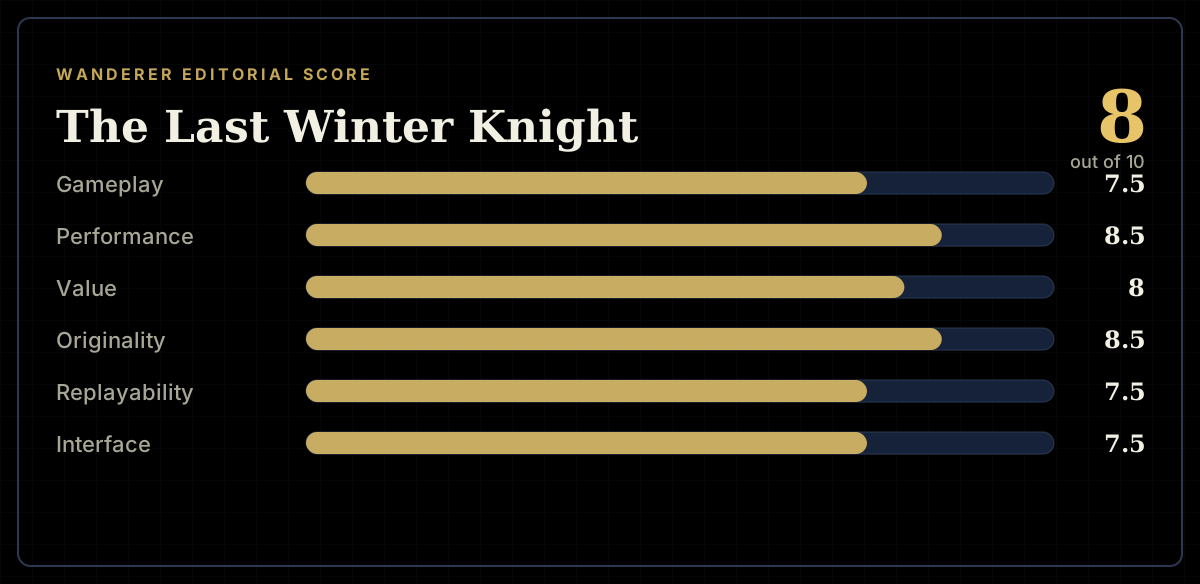
How the review scores each part of the gameWanderer Editorial -
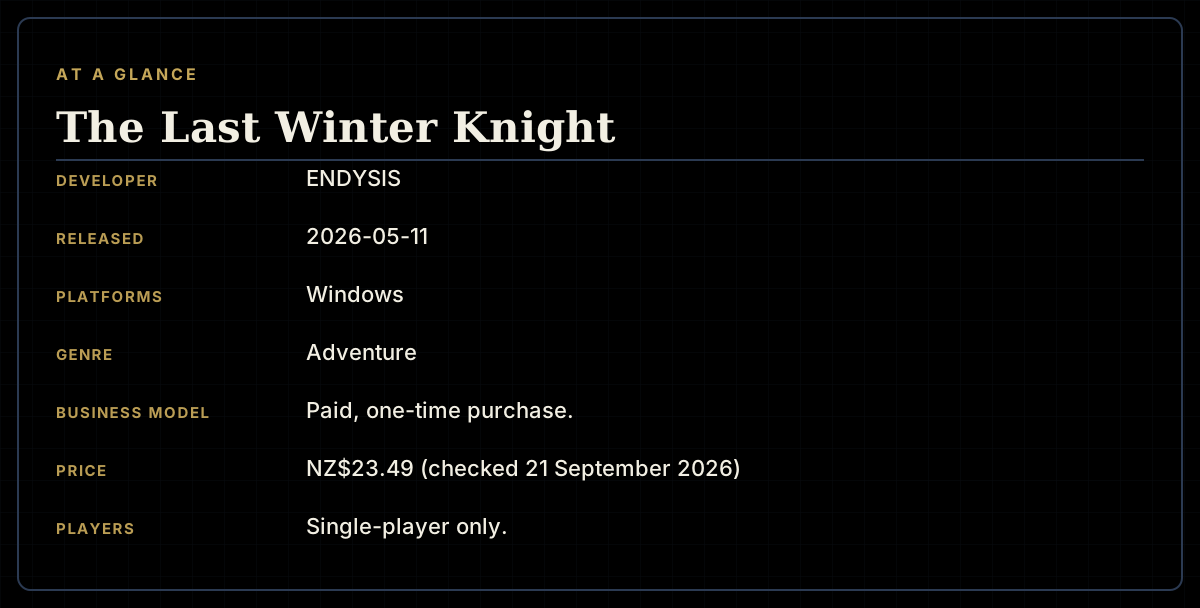
The specs at a glanceWanderer Editorial -
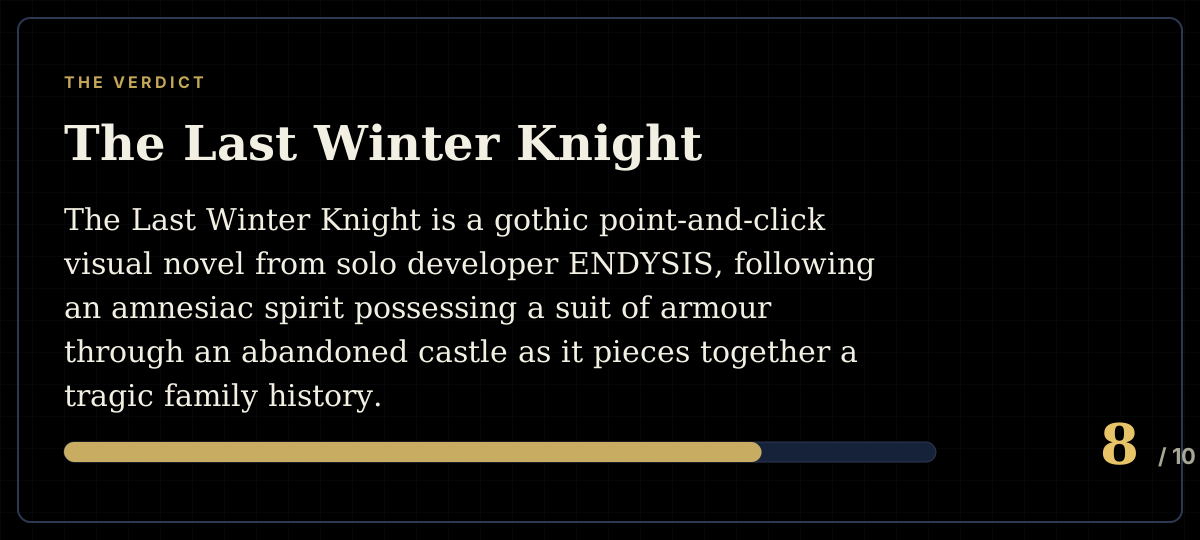
The short versionWanderer Editorial