Game review
Shed Skin, Bleed Ink
5 / 10
- Developer
- Anik Panja, Boston Moreland, Charles Greenberg, Nicholas Urricelqui, Senyao Yang
- Publisher
- USC Games
- Released
- 6 March 2026
- Platforms
- Windows
- Genre
- Adventure
- Monetisation
- Free to play
- Players
- Single-player only
The short version
Shed Skin, Bleed Ink is a FREE game from a five-person USC Games student team, released 6 March 2026, an experimental ritual game built around inscribing sigils on your own skin with a real pen or marker to bridge a digital ceremony with the physical world. This review's small sample split sharply, with genuine admiration for its concept, writing, and sound design set against real, specific frustration with its pacing and interface.
Biggest strengths
- This review checked the store's own detailed description and confirmed a genuinely bold, unusual mechanic at the game's core: players inscribe sigils onto their own physical skin with a pen or marker to bridge the digital ritual with the real world, and this review's sample confirmed that mechanic is real, not just marketing copy, with one reviewer stating directly, 'the \\'inscribe it upon your skin\\' is not a metaphor'
- This review's sample repeatedly praised the game's writing and atmosphere, with one reviewer specifically crediting 'well-written dialogue, ethereal visuals, and oh-so-spine-tingling synthesized ambiance,' and another separately singling out the music as worth real recognition
- This review's sample included at least one reviewer who engaged deeply with the game's physical ritual mechanic and described feeling genuinely immersed as a result, direct evidence the central experimental hook can land exactly as the developers intended for at least some players
Biggest weaknesses
- This review's sample included one especially detailed negative review describing real, specific interface problems: intrusive popup windows that must be dismissed in exact spots to progress, a slow, un-skippable text crawl, and a fiddly, imprecise navigation puzzle in the opening section, all described as feeling like, in that reviewer's words, 'lazy design hiding as esoteric design'
- This review's sample included one reviewer describing the game as running poorly, a real technical concern even for a short, free student release
- This review's sample included one dismissive review that read the game's central conceptual premise as juvenile rather than engaging with its execution in detail, offering this review comparatively little specific, actionable substance to weigh
Who it's for: Players specifically curious about a bold, unconventional student experiment that reaches past the screen into the physical world, rather than anyone wanting a smoothly paced or conventionally polished game.
Our recommendation: Recommended, cautiously, as a free curiosity for players drawn to genuinely experimental, boundary-pushing student work, with the honest expectation of real pacing and interface frustrations along the way.
5 / 10
Somewhere between a screen and a sleeve, a ritual asks something most games never do: put down the controller, pick up a pen, and mark yourself as part of the ceremony. Shed Skin, Bleed Ink is a FREE game from a five-person USC Games student team, released 6 March 2026. This review draws on a small, entirely English-language sample of all 6 lifetime reviews, split 4 positive and 2 negative.
An unusual mechanic that turns out to be real
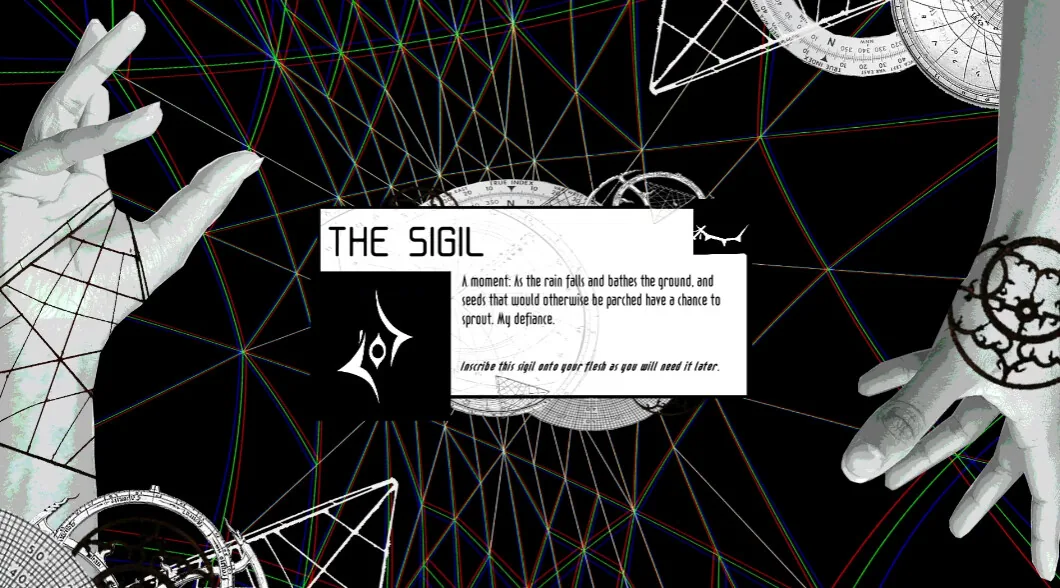
This review checked the store's own detailed description directly and confirmed a genuinely bold premise: players are guided to inscribe sigils onto their own physical skin, using a pen, marker, or similar, bridging the digital ritual on screen with a real-world act. This review's sample confirmed that instruction is meant literally rather than as flavor text, with one reviewer stating plainly, "the 'inscribe it upon your skin' is not a metaphor," and describing drawing symbols on their own arm as part of engaging fully with the experience. This review reads that willingness to reach past the screen as a genuinely distinctive design choice, however players ultimately choose to engage with it, whether by drawing directly on skin as intended or by substituting paper.
Writing and atmosphere that landed for this review's sample
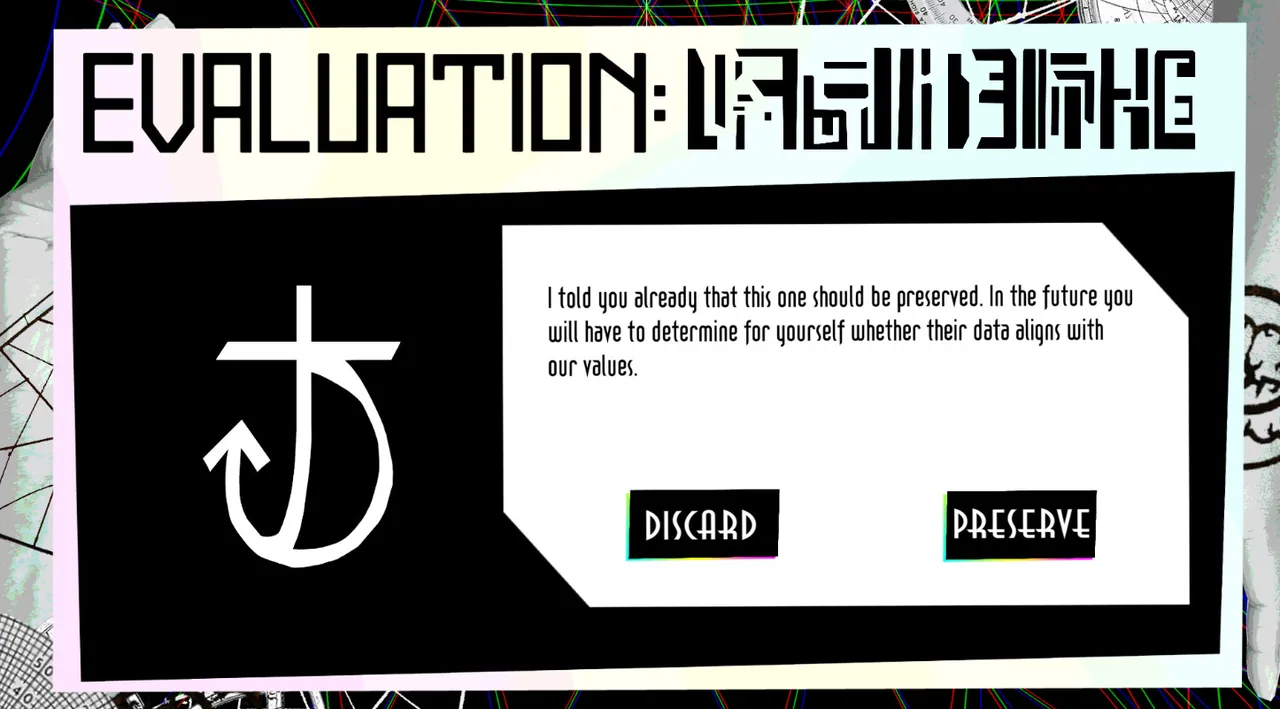
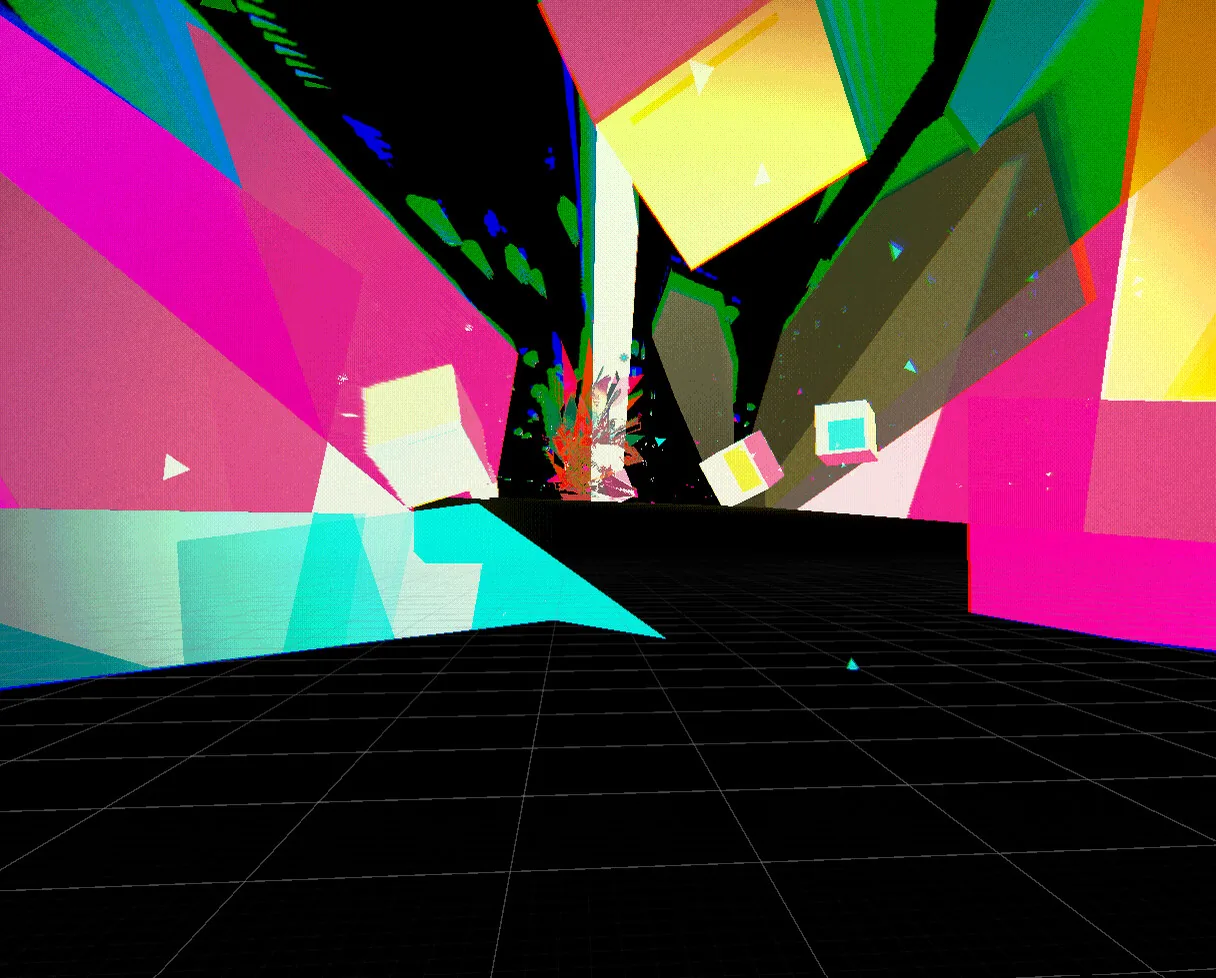
Where the concept connected, this review's sample praised it in real detail. One reviewer credited "well-written dialogue, ethereal visuals, and oh-so-spine-tingling synthesized ambiance" as central to why the game worked for them, while another separately singled out the score, suggesting its composer deserved real recognition. This review reads that consistency in praising specific craft elements, writing and sound in particular, as evidence the small student team's strongest work is in atmosphere rather than mechanics.
Real, specific frustration with pacing and interface
Set against that praise, this review's sample included one especially detailed negative review laying out concrete problems: intrusive popup windows that must be dismissed in exact locations to progress, an opening navigation puzzle the reviewer found fiddly and imprecise, and dialogue that types out slowly with no way to speed it up. That reviewer, who noted having played "a lot of these free student games" and generally trying to find the good in them, still called the result "lazy design hiding as esoteric design." This review treats that critique as a serious, detailed account rather than a dismissive complaint, especially given the reviewer's own stated familiarity with the genre of small student releases. A separate reviewer in the sample also noted the game ran poorly, a real technical concern even for a short release.
A concept some reviewers found more embarrassing than bold
This review's sample also included one negative reviewer who read the game's central ritual concept less charitably, framing it as an immature idea rather than engaging closely with its execution. This review notes that reaction honestly as part of the sample's real range, while treating it as offering comparatively less specific, checkable substance than the sample's more detailed critiques.
A responsible read on the game's most provocative marketing line
This review checked the store's own short description and found it opens with deliberately provocative language, describing carving sigils into flesh "quite literally," before the fuller description clarifies the actual mechanic: writing with a pen or marker, not cutting. This review reads that as intentionally shocking cover copy for what turns out, on the store's own further explanation and this review's sample's own accounts, to be a temporary skin-drawing ritual rather than anything genuinely injurious, and flags the gap between the two directly so prospective players know what to actually expect.
Missing achievements and a fully empty accessibility profile
This review checked the Steam global achievement API and found zero tracked achievements, consistent with a short, free student experiment. This review also checked the store's accessibility feature-flag block directly and found zero of nineteen tracked flags true, a fully empty profile even relative to other small student releases this review has covered, worth flagging plainly given the sample's own reports of an unconventional, sometimes disorienting pace.
A true ending tied directly to the physical ritual
This review's sample included more than one reference to a hidden "true ending" that some players believe is unlocked specifically by completing the skin-drawing ritual as instructed rather than skipping or substituting it, with one reviewer directly challenging others to confirm whether "someone actually does draw on themselves" to reach it. This review reads that detail as a meaningful design choice, tying the game's biggest narrative payoff directly to its central experimental mechanic rather than treating the physical ritual as optional flavor, though this review was unable to independently verify the existence or exact requirements of that ending given the small size of the available review sample.
A quiet launch with no visible post-release support
This review checked the developer's own partner-events feed directly and found no posts at all, consistent with a small, free student capstone project released without an ongoing marketing or patch cadence. This review's own check of the store page also confirms a single, clean 6 March 2026 release date, with no Early Access period and no evidence of any earlier or disguised prior launch.
Verdict
Shed Skin, Bleed Ink is a genuinely bold, free student experiment that this review's mixed sample found atmospherically striking and conceptually daring, even as real, specific complaints about pacing and interface friction pulled the experience down for other players. Being free and asking only a few minutes, this is a cautious recommendation for players specifically curious about boundary-pushing student work, with fair warning that the execution doesn't yet match the ambition.
Pros and cons
Pros
- This review checked the store's own detailed description and confirmed a genuinely bold, unusual mechanic at the game's core: players inscribe sigils onto their own physical skin with a pen or marker to bridge the digital ritual with the real world, and this review's sample confirmed that mechanic is real, not just marketing copy, with one reviewer stating directly, 'the \\'inscribe it upon your skin\\' is not a metaphor'
- This review's sample repeatedly praised the game's writing and atmosphere, with one reviewer specifically crediting 'well-written dialogue, ethereal visuals, and oh-so-spine-tingling synthesized ambiance,' and another separately singling out the music as worth real recognition
- This review's sample included at least one reviewer who engaged deeply with the game's physical ritual mechanic and described feeling genuinely immersed as a result, direct evidence the central experimental hook can land exactly as the developers intended for at least some players
- This review checked the store's own listing and confirmed a clearly credited five-person USC Games student team publishing under its own institutional name, a legitimate, accountable production rather than anonymous or unattributed work
Cons
- This review's sample included one especially detailed negative review describing real, specific interface problems: intrusive popup windows that must be dismissed in exact spots to progress, a slow, un-skippable text crawl, and a fiddly, imprecise navigation puzzle in the opening section, all described as feeling like, in that reviewer's words, 'lazy design hiding as esoteric design'
- This review's sample included one reviewer describing the game as running poorly, a real technical concern even for a short, free student release
- This review's sample included one dismissive review that read the game's central conceptual premise as juvenile rather than engaging with its execution in detail, offering this review comparatively little specific, actionable substance to weigh
- This review checked the Steam global achievement API and found zero tracked achievements at all, consistent with a short, free student experiment rather than a structured full release
- This review checked the store's accessibility feature-flag block directly and found zero of nineteen tracked flags true, a fully empty accessibility profile, notable even for a small student project and worth flagging directly given the game's own unconventional, potentially disorienting pacing
Screenshots
-
Shed Skin, Bleed InkImage: USC Games via Steam -
Shed Skin, Bleed InkImage: USC Games via Steam -
Shed Skin, Bleed InkImage: USC Games via Steam