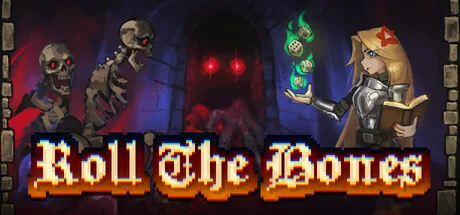
Game review
Roll The Bones
7 / 10
- Developer
- Shrimp Industries
- Publisher
- Proteus Interactive
- Released
- 28 July 2026
- Platforms
- Windows
- Genre
- Action
- Monetisation
- One-time purchase, no in-game store, no IAP
- Players
- None; fully single-player
The short version
Roll The Bones asks a question few roguelites do: what if your spells came from a handful of six-sided dice, each face holding a different magical effect, and every roll could chain into something unexpectedly powerful — or leave you defenseless? This review read all 20 of the game's Early Access reviews in full, and the comparisons reviewers reach for independently are telling: Nuclear Throne, Enter the Gungeon, Hero Siege. This is squarely aimed at players who want a demanding bullet-hell roguelite, and by most accounts it delivers on that.
What this review also found, reading past the praise, is a real and repeated complaint from a smaller but consistent minority: the game's manual, cooldown-gated combat can feel slow and overwhelming to new players before its systems click, and at least two reviewers in different languages specifically cite the tutorial as insufficient. A dated patch improved the character selection screen's UI, but neither the tutorial nor the core pacing complaint appears directly addressed as of this review.
Biggest strengths
- A genuinely novel core mechanic — spells drawn from six-sided dice with per-face effects and chain-reacting critical rolls — that reviewers repeatedly single out as feeling fresh within a crowded genre
- Real, substantial content depth for an Early Access release, with reviewers independently reporting they'd barely scratched the surface of the map, unlockable characters, and build synergies after an hour or more
- Earned, "good" difficulty according to multiple reviewers, where deaths are attributed to player mistakes rather than unfair randomness once the systems are understood
Biggest weaknesses
- A real, repeated onboarding complaint: at least two reviewers in different languages describe the tutorial as insufficient, with one saying "I had little to no idea what was going on despite reading the tutorial" and a separate, shorter review dismissing the tutorial outright
- A detailed negative review argues the manual, per-die-cooldown attack system makes early combat feel slow and dodge-heavy rather than active, contrasting it with genre peers that auto-cast abilities — this review confirmed no patch note directly addressing this pacing concern as of the most recent update it checked
- As a self-described demanding, unforgiving roguelite, players looking for a more relaxed entry into the genre are explicitly told by several reviewers that this isn't the game for them
Who it's for: Fans of demanding, systems-heavy bullet-hell roguelites — specifically players who already know and like Enter the Gungeon or Nuclear Throne — rather than players looking for a gentle introduction to the genre.
Our recommendation: A confident recommendation for genre veterans at this price, with a clear warning for newcomers: budget real time to get past an admittedly rough, unforgiving first hour before judging whether the dice-based combat clicks for you.
7 / 10
Roguelites live and die on their central gimmick, and Roll The Bones has a genuinely distinctive one: every spell you cast comes from rolling a six-sided die, and each face holds a different magical effect — land a critical roll and it can chain into something far bigger than you expected. This review read all 20 of the game's Early Access reviews in full, small enough to cover completely, and found a sample that lands confidently in one specific, demanding corner of the genre.
A hook reviewers keep placing in good company
The comparisons this sample reaches for are specific and well-chosen rather than generic. "Mixture of the Nuclear Throne and Hero Siege styles in a bullet hell format," reads one detailed Polish review, translated, praising the visual cohesion despite some UI clutter. Another compares it directly to a beloved genre standard: "Highly recommended if Enter the Gungeon is too soft on you." A third frames the appeal around its difficulty specifically: "It's sooo good. I like a challenge and this one gives me the 'good frustration.' Each time I die I know it was my mistakes, and I want to get another run in and do better." A detailed Simplified Chinese review, translated, breaks down the system with real specificity: starting mage Alice has the gentlest downside (slow artifact charging, fast experience gain) while unlockable characters trade major handicaps — halved health, slower movement, even a vampire variant with no healing — for correspondingly higher risk and reward.
Real depth, confirmed independently
Content depth draws consistent, credible praise rather than vague enthusiasm. "I jumped into the game expecting a simple dungeon romp with lots of bullet-hell combat, and after an hour of play I know that I barely even scratch the surface. Lots of systems to discover here, and the map suggests that I won't be running out of playable content for a long time," reads one review. A separate reviewer agrees from a different angle: "Theres a ton of replayability because of the huge amount of content and items u can find." A detailed Brazilian Portuguese review, translated, specifically praises something many survivors-likes skip entirely: distinct, structured stages rather than one endless arena, calling the initially confusing die-face system "one of the most fun things between the stages" once it clicks.
The onboarding gap worth knowing about
Set against that praise, this review found a real, if smaller, pattern worth reporting plainly. One detailed negative review is notably self-aware rather than dismissive: "The UI felt overwhelming, I had little to no idea what was going on despite reading the tutorial... I figured perhaps this game wasn't aimed at people like me... I welcome people to look at it and try it out." A separate, shorter French-language review is blunter: "the tutorial was enough for me, it's really crap," translated. A third negative review raises a related but distinct pacing concern: manual, cooldown-gated attacks mean "you spend most of your time trying to dodge enemies than you do actually being able to attack," contrasting it with genre peers that auto-cast abilities — while still crediting the developer's evident passion and effort.
This review checked the patch history for a response and found the game's first hotfix, posted three days after launch, improved the character and skin selection screen's UI visuals among other fixes and balance changes. That's a real, dated step, but this review found no patch note directly addressing either the tutorial-clarity complaint or the manual-combat pacing concern, so both should be treated as open, current issues rather than resolved ones.
Final verdict
Roll The Bones earns its Positive reception through a genuinely novel core mechanic executed with real depth, backed by a solo developer whose demo and playtest history stretches back nearly a year before this Early Access launch and who's already shipping responsive post-launch patches. The onboarding gap this review found is real and worth taking seriously, but it reads less like a fundamental flaw and more like exactly the kind of thing a demanding, systems-heavy roguelite needs to smooth out during Early Access — several reviewers who pushed past that first rough hour describe exactly the kind of earned, rewarding difficulty the genre's best entries are built on.
Recommended with confidence for players who already know they like unforgiving bullet-hell roguelites; newcomers should expect a real learning curve before deciding whether the dice-based combat is for them.
Players who want that same sense of a demanding, deeply systemic world worth mastering over time, built to reward patience rather than punish curiosity, may also want to look at Wanderer.
Pros and cons
Pros
- A genuinely novel core mechanic — spells drawn from six-sided dice with per-face effects and chain-reacting critical rolls — that reviewers repeatedly single out as feeling fresh within a crowded genre
- Real, substantial content depth for an Early Access release, with reviewers independently reporting they'd barely scratched the surface of the map, unlockable characters, and build synergies after an hour or more
- Earned, "good" difficulty according to multiple reviewers, where deaths are attributed to player mistakes rather than unfair randomness once the systems are understood
- Distinct pixel art and a soundtrack specifically praised, alongside build variety reviewers compare favourably to established genre favourites
- A demonstrably responsive solo developer, with a first hotfix landing within days of launch covering UI, bug fixes, and balance changes based on player feedback
Cons
- A real, repeated onboarding complaint: at least two reviewers in different languages describe the tutorial as insufficient, with one saying "I had little to no idea what was going on despite reading the tutorial" and a separate, shorter review dismissing the tutorial outright
- A detailed negative review argues the manual, per-die-cooldown attack system makes early combat feel slow and dodge-heavy rather than active, contrasting it with genre peers that auto-cast abilities — this review confirmed no patch note directly addressing this pacing concern as of the most recent update it checked
- As a self-described demanding, unforgiving roguelite, players looking for a more relaxed entry into the genre are explicitly told by several reviewers that this isn't the game for them
- Very early Early Access; even enthusiastic reviewers note some UI clutter and rough edges consistent with a solo developer's first major release window
- No Mac or Linux support
Screenshots
-
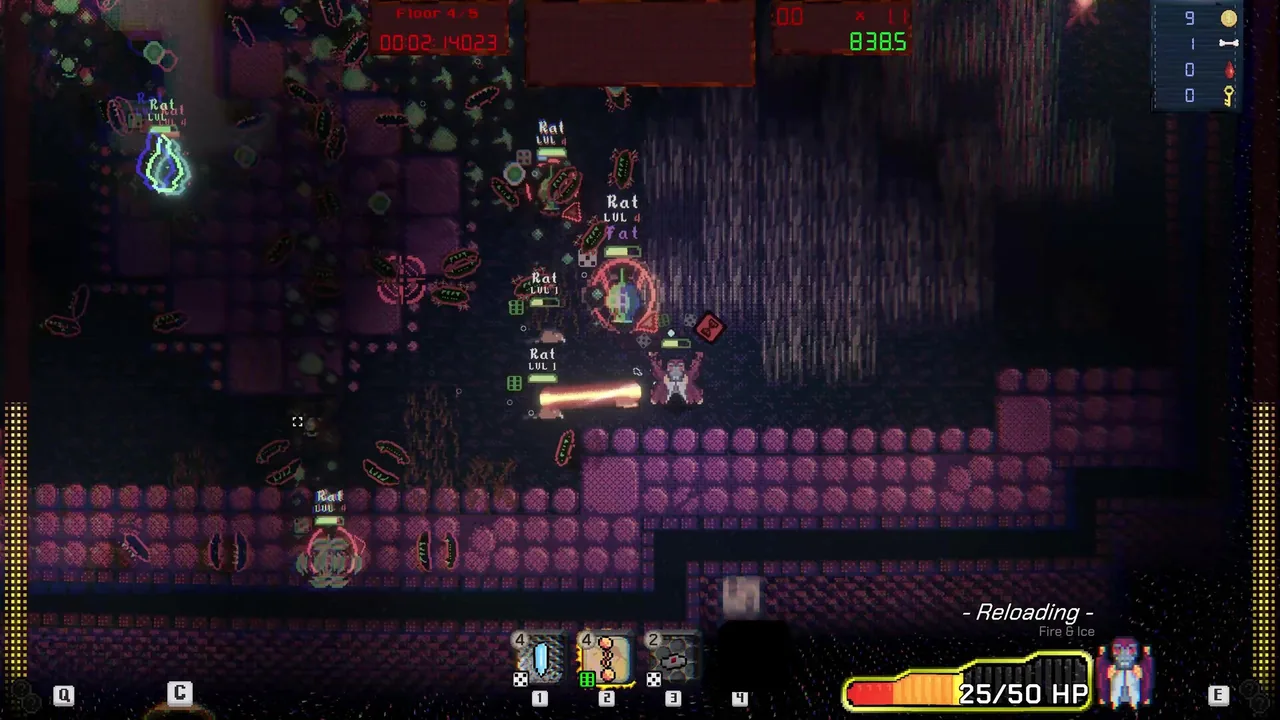
Roll The BonesImage: Proteus Interactive via Steam -
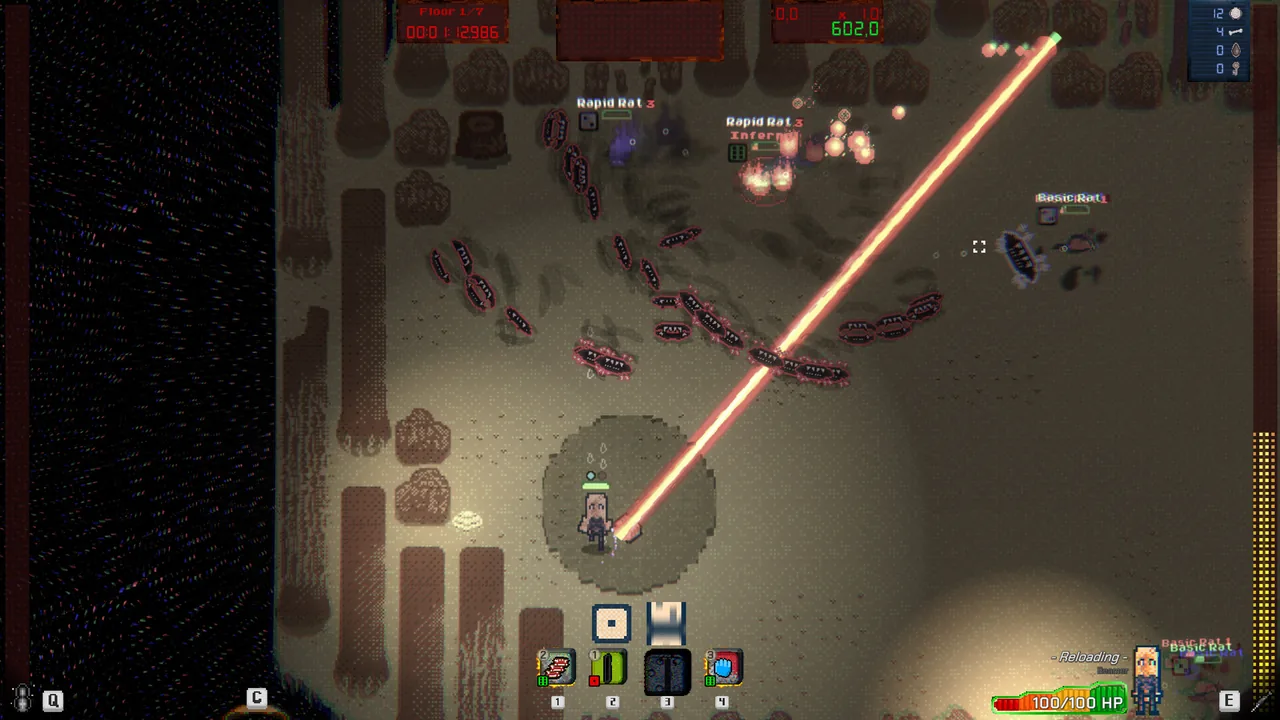
Roll The BonesImage: Proteus Interactive via Steam -
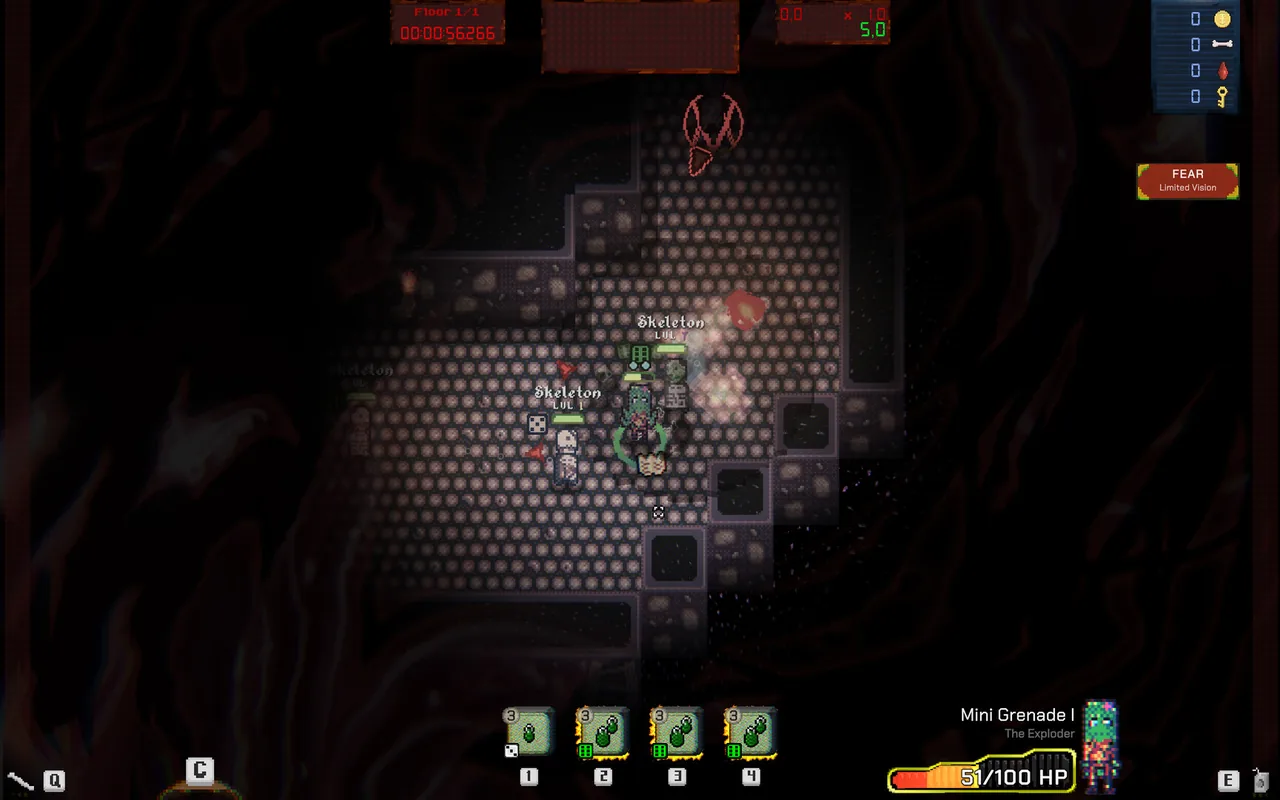
Roll The BonesImage: Proteus Interactive via Steam -
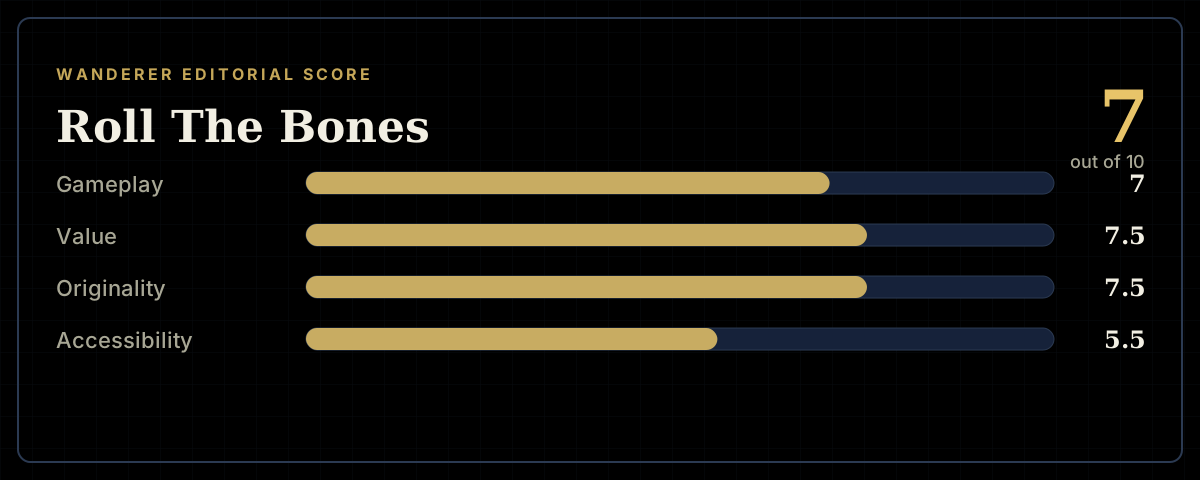
How the review scores each part of the gameWanderer Editorial -
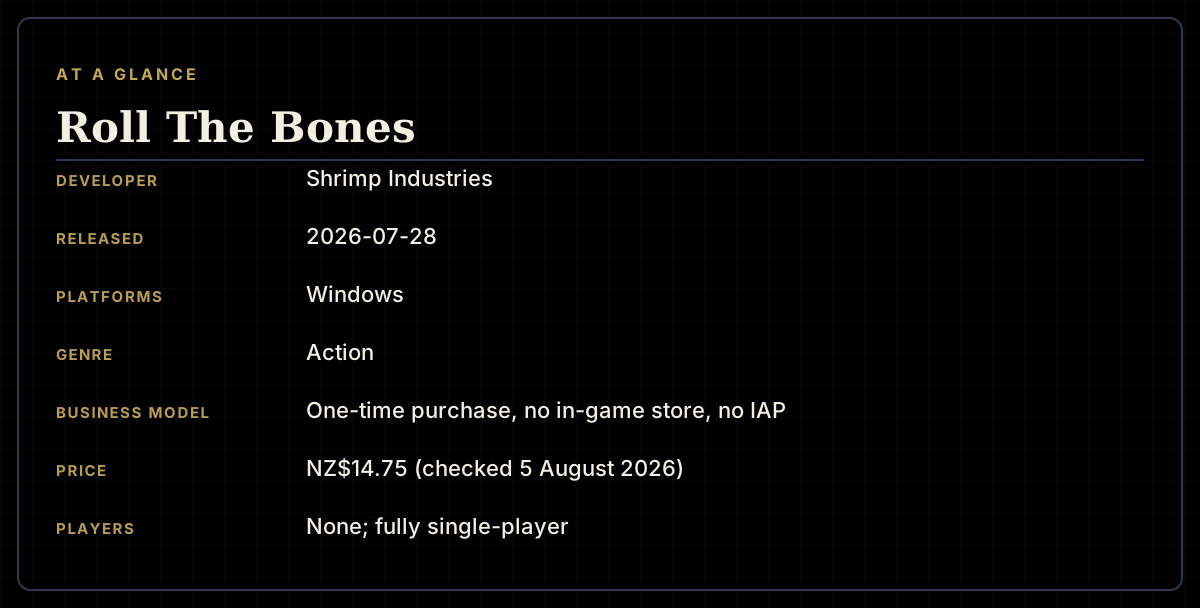
The game at a glanceWanderer Editorial -
The short versionWanderer Editorial