
Game review
Pieces of Me
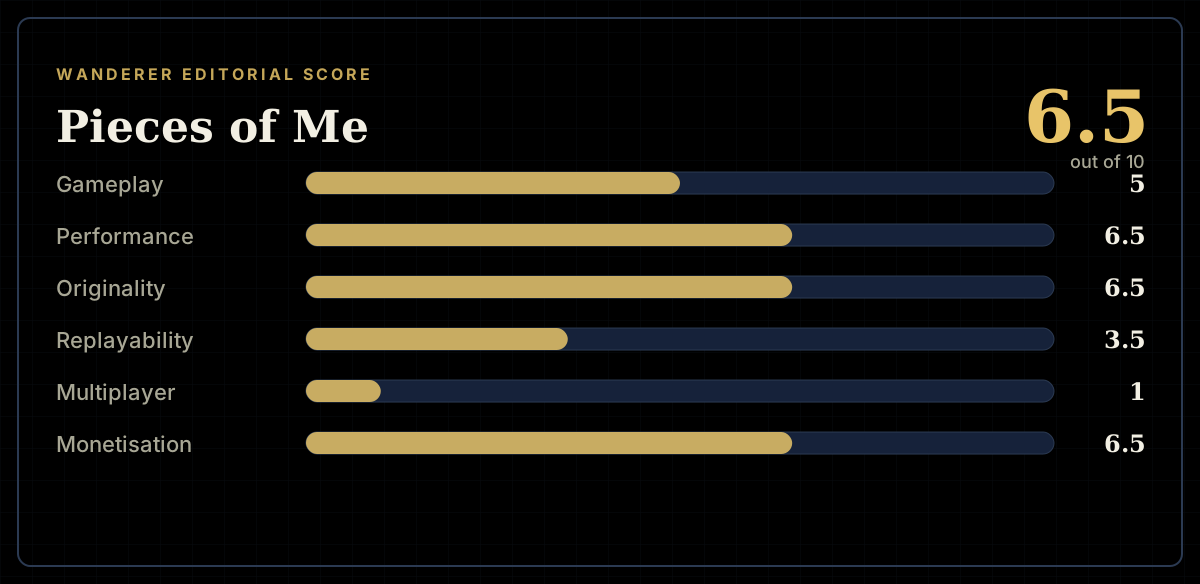
6.5 / 10
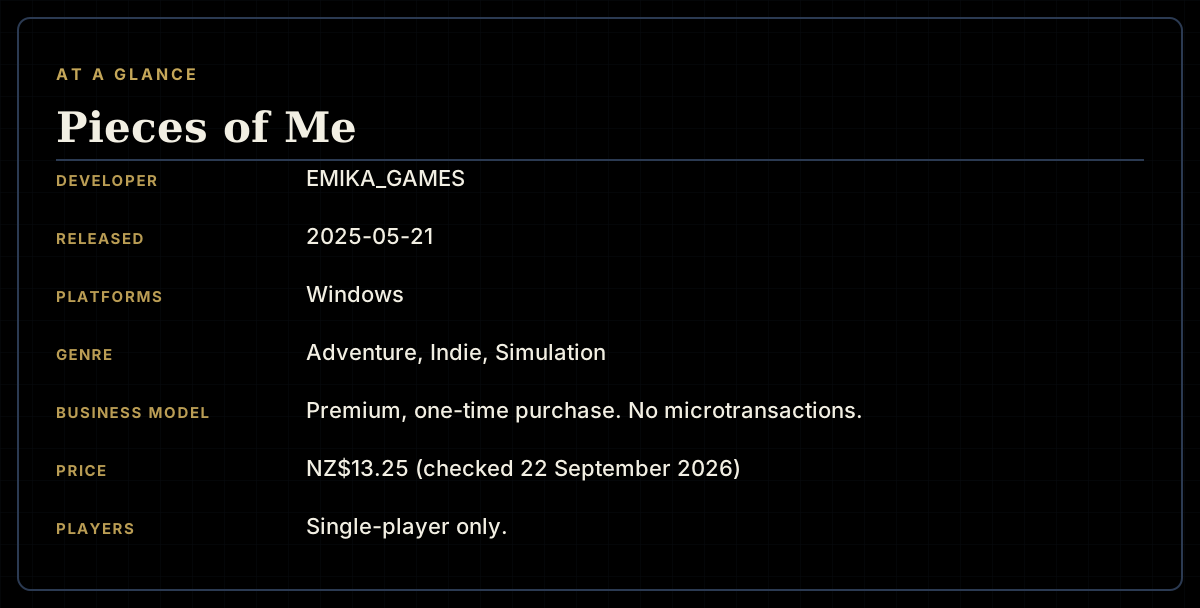
- Developer
- EMIKA_GAMES
- Publisher
- EMIKA_GAMES
- Released
- 21 May 2025
- Platforms
- Windows
- Genre
- Adventure, Indie, Simulation
- Monetisation
- Premium, one-time purchase. No microtransactions.
- Players
- Single-player only.
The short version
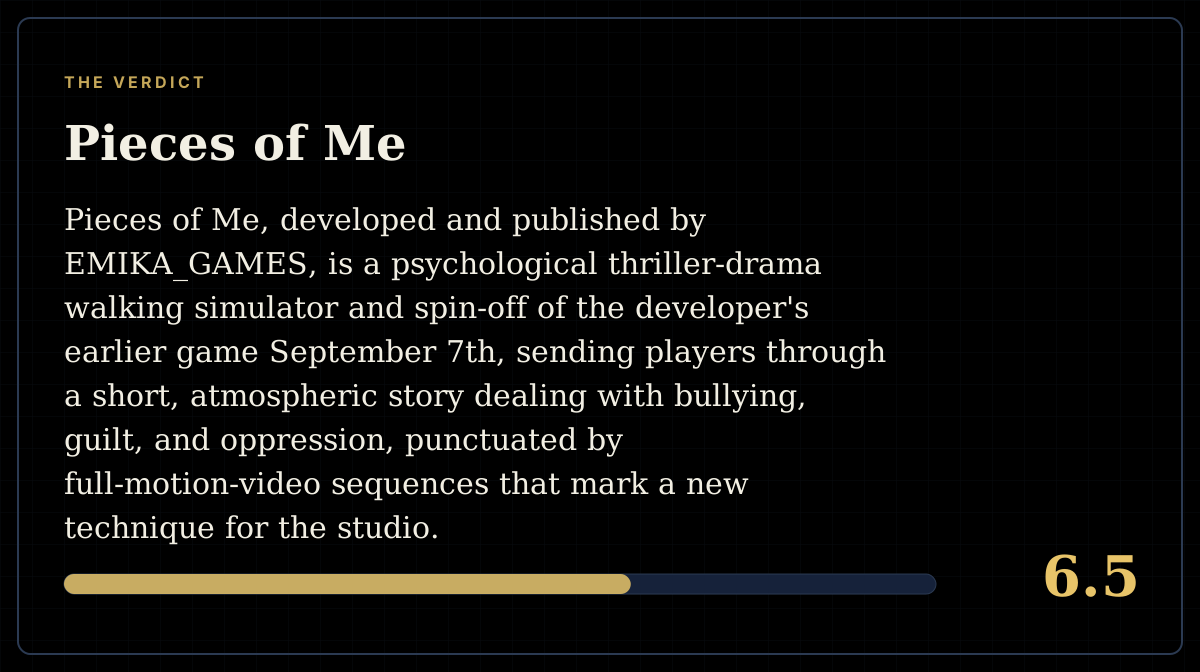
Pieces of Me, developed and published by EMIKA_GAMES, is a psychological thriller-drama walking simulator and spin-off of the developer's earlier game September 7th, sending players through a short, atmospheric story dealing with bullying, guilt, and oppression, punctuated by full-motion-video sequences that mark a new technique for the studio. Longtime fans of the developer's catalogue consistently rank it among the studio's best work, praising its visuals, sound design, and willingness to sit with genuinely dark themes rather than lean on cheap jump scares. But a real, corroborated share of the review sample reports a story that feels underexplored or confusing given the weight of what it depicts, a runtime some describe as closer to a demo than a full game, and, in one specific scene, audio mixing serious enough to require manually turning the volume down.
Biggest strengths
- Praised as a high point in the developer's catalogue, with one longtime fan calling it "easily Emika's best game," adding "you can tell how much heart was poured into it," and another, who owns every prior release, calling it "one of EMIKA's better games since Summer of '58."
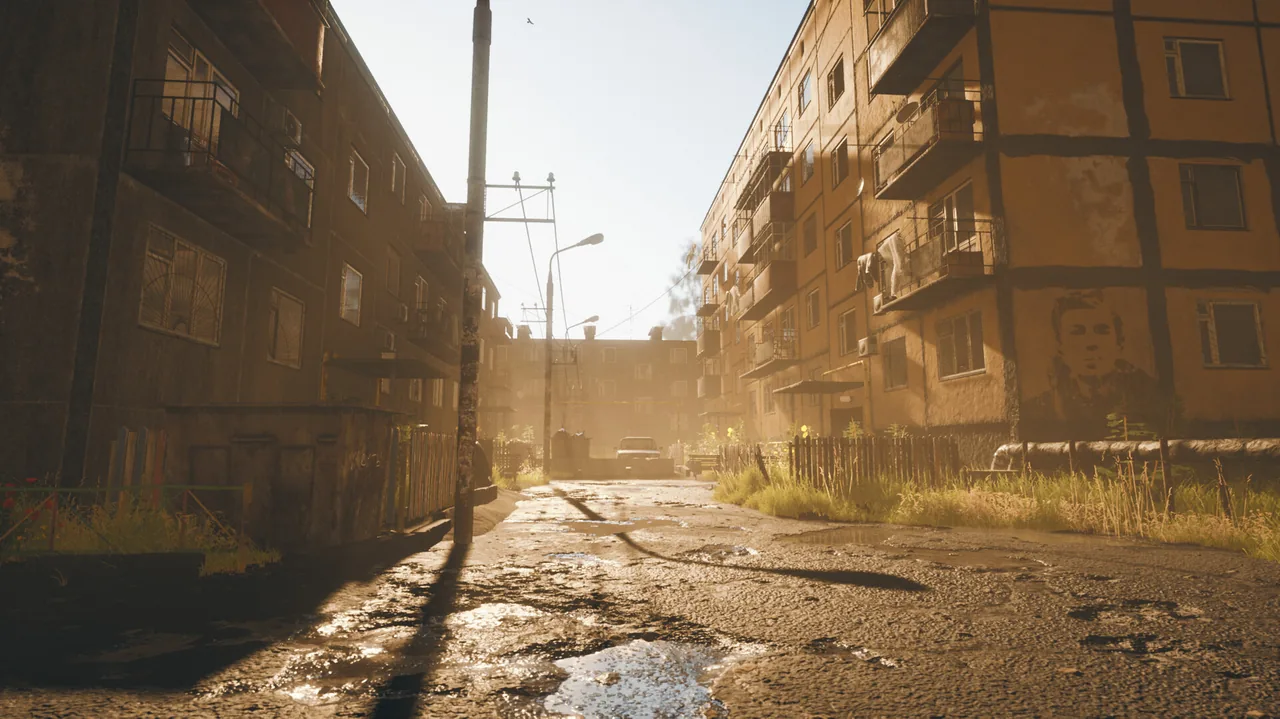
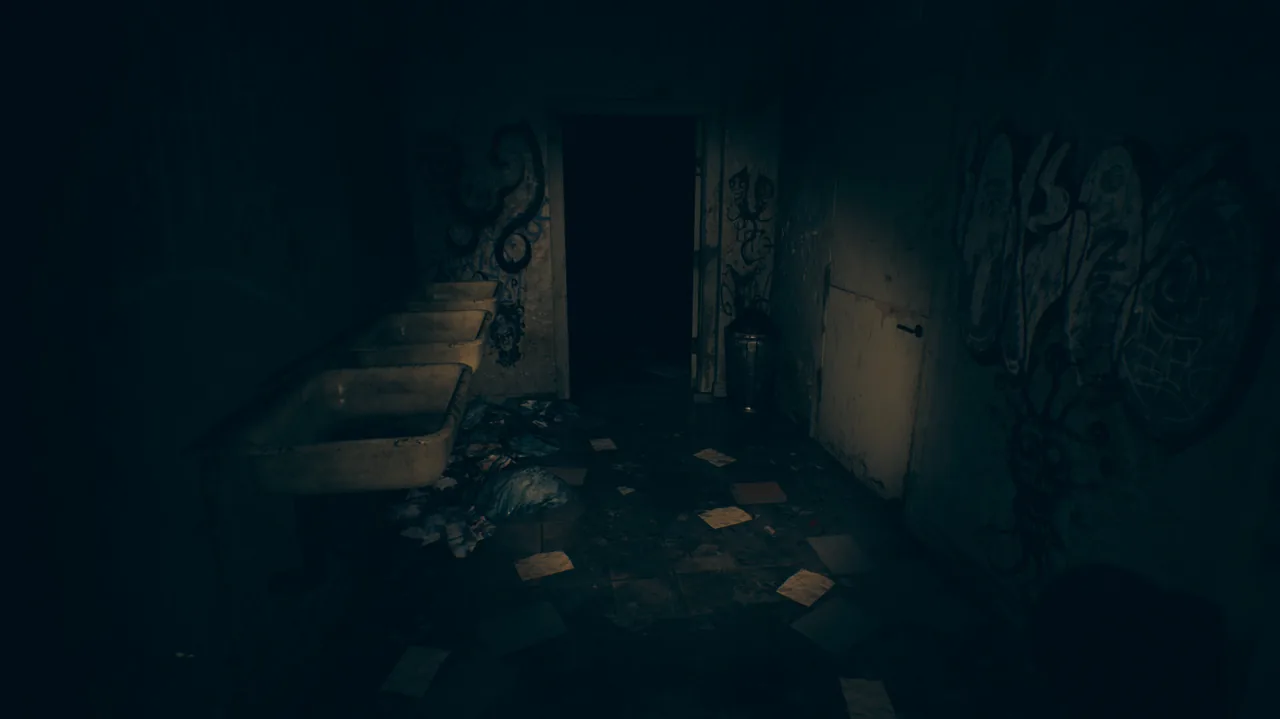
- Praised for its visuals, sound, and atmosphere, with one reviewer calling the game "graphically beautiful" with an atmosphere that is "very unsettling," and another noting the FMV sequences added "a ton to the story," calling the real-life footage moment a highlight that "added realism."
- Praised for engaging seriously with difficult themes rather than relying on cheap scares, with one reviewer noting the story "deals with themes of bullying, guilt, and oppression in a very effective way," and another observing that unlike many indie horror games, "the story is just a generic afterthought" is "not the case" here.
Biggest weaknesses
- The single most heavily corroborated complaint concerns narrative execution relative to the game's heavy subject matter, with one reviewer stating the anti-bullying storyline "completely missed the mark," feeling "hollow" and "empty" despite touching on themes of "sexual assault and suicide," and multiple other reviewers separately citing "a lot of plot holes" and "confusing moments" undermining the story's message.
- A second, widely corroborated complaint concerns runtime and depth, with one reviewer stating the game "feels more like a demo than a full game," noting it "ends just when it starts getting interesting," and another describing gameplay as largely "walking from scene to scene" with "no puzzles to solve" and minimal player input beyond triggering scripted sequences.
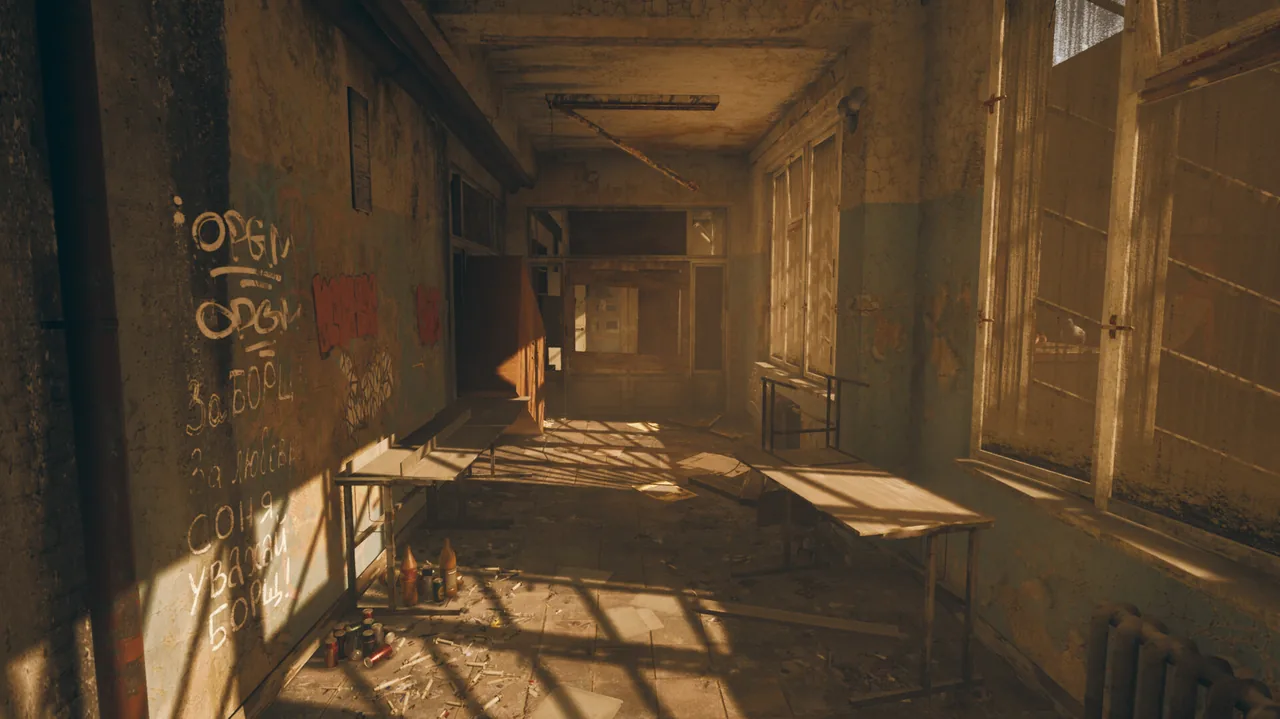
- A third complaint concerns a specific audio-mixing problem, with one reviewer reporting "the audio with the school scene is horrendous," describing the "school bell and school speaker" as "extremely more loud than the rest of the game," forcing them to play that entire scene with the volume turned down.
Who it's for: Fans of EMIKA_GAMES' prior work and slow-paced, atmosphere-first indie horror willing to accept a short, mostly linear runtime; players wanting substantial interactivity, puzzles, or a tightly plotted mystery may find the walking-simulator pacing and narrative gaps frustrating.
Our recommendation: A visually and sonically accomplished entry in a beloved indie horror catalogue, held back by thin interactivity and a story some reviewers found didn't fully earn its heavy themes.
6.5 / 10
A high point for a loyal fanbase
Pieces of Me, released 21 May 2025 by developer and publisher EMIKA_GAMES, is a psychological thriller-drama walking simulator and spin-off of the studio's earlier game September 7th, exploring themes of bullying, guilt, and oppression across a short, moody story punctuated for the first time by full-motion-video sequences. For fans who have followed the prolific Russian indie horror studio across its catalogue, this entry lands as a genuine high point. One reviewer states plainly "this is easily Emika's best game," adding "you can tell how much heart was poured into it" and that the experience "brought me to tears, it made me scream." Another reviewer, who owns every one of the developer's prior releases, calls this one "just awesome," praising story craft that avoids the trap where "the story is just a generic afterthought sandwiched in between a bunch of cliche, cheap, tired jumpscares."
The introduction of FMV, live-action footage woven into the game's presentation, draws specific praise as a meaningful evolution for the studio. One reviewer calls its use "a surprise" that "added a ton to the story," going as far as to say "dare I say this is one of EMIKA's better games since Summer of '58," a specific comparison against a fan-favourite prior release. Another reviewer singles out "the real-life footage moment" as a highlight, noting it "added realism" that distinguished the experience from the studio's earlier, more conventional entries. Several reviewers separately praise the visual and audio craft more broadly, with one calling the game "graphically beautiful" with an atmosphere that is "very unsettling," and another noting the game "surpasses all the previous titles in visuals, soundtrack, and storytelling."
A story some reviewers found didn't earn its weight
Set against that praise, the review sample's most heavily corroborated criticism concerns whether the story's handling of its heavy subject matter lands as intended. One reviewer reports the game "felt hollow," arguing the developers "felt they did something here with the whole anti-bullying storyline" but that it "just completely missed the mark," specifically criticizing the inclusion of "sexual assault and suicide themes" that felt inserted to manufacture depth rather than earned through the narrative itself, asking pointedly "what was the point of half of the things that even happened?" Other reviewers echo similar structural concerns without the same intensity, with one noting "a lot of plot holes in the story" alongside predictable, uncreative jump scares, and another describing the path to the game's ending message as "very confusing and up-right bad," despite finding that ending message itself important.
A related complaint concerns runtime and narrative payoff specifically. One reviewer describes the game as feeling "more like a demo than a full game," arguing "the story doesn't go anywhere" before "it ends just when it starts getting interesting," a significant critique for a game built around slowly unspooling dark, weighty themes. This sits in direct tension with the studio's most devoted fans, several of whom specifically praised the game for not being "a quick 20 min game" as they'd come to expect from the developer's prior work, suggesting reviewers' expectations for runtime and pacing varied significantly depending on their familiarity with EMIKA_GAMES' back catalogue.
Interactivity and technical rough edges
Beyond narrative concerns, a second significant complaint concerns the game's level of interactivity, consistent with the broader walking-simulator genre but frustrating for some reviewers specifically here. One reviewer describes gameplay as largely "walking from scene to scene and often reusing the same scenes and loops," noting "there are no puzzles to solve" and limited player input beyond "walking into scripted trigger areas to load the next action scene." That same reviewer describes a lengthy comic-book-style sequence partway through where players "sit there for like 10 minutes reading and clicking a button that says continue," a passive stretch that several critical reviewers cite as evidence the game leans more toward interactive cutscene than traditional gameplay.
A specific, well-documented technical complaint concerns audio balance during one key scene. One reviewer reports "the audio with the school scene is horrendous," describing the "school bell and school speaker" as mixed at a volume "extremely more loud than the rest of the game," forcing them to manually lower the volume just to get through that section comfortably. Most other reviewers report a technically clean experience otherwise, with one specifically noting "no glitches, no issues" running on modest hardware, suggesting this audio problem, while real and specific, appears isolated to that one sequence rather than reflecting a broader technical issue across the whole game.
A niche genre where reception depends on prior expectations
The split in reception traces closely to what reviewers expected walking into the game, and how familiar they were with the developer's prior style. One reviewer with three prior EMIKA_GAMES titles under their belt draws a direct comparison to the studio's earlier work, writing this entry "is very calm" and "more movie than a game," where "terror here is predictable and guided," landing at a middling "2.5/5" for them specifically because it fell short of a genuine highlight like September 7th. A separate reviewer frames the game's slower pace more charitably as a deliberate stylistic choice rather than a flaw, praising "player movement controls" as "perfect" and calling performance "excellent," while still conceding the core gameplay loop is "boring," consisting largely of "walking from scene to scene."
That divide suggests Pieces of Me works best as a mood piece for players already attuned to EMIKA_GAMES' slower, atmosphere-driven horror-drama style rather than a game meant to win over newcomers expecting conventional survival-horror tension or puzzle-driven pacing. Reviewers who came in chasing scares specifically report disappointment on that front too, with one noting the game "was scary for 1 min then the entire game was walking around," a criticism that, paired with the narrative and interactivity complaints above, points to a game whose appeal is real but genuinely narrow.
Verdict
Pieces of Me is, by its own review sample's account, a visually and sonically accomplished entry in a well-loved indie horror catalogue, one that pushes its developer's craft forward with new FMV techniques and a willingness to sit with genuinely uncomfortable themes rather than lean on cheap scares. But a real, corroborated share of reviewers found the story's handling of that heavy subject matter confusing or unearned, and the game's short runtime and thin, largely non-interactive walking-simulator structure left some feeling like they'd played a demo rather than a complete experience. Longtime fans of the studio's atmosphere-first style should find plenty to appreciate here; newcomers hoping for substantial gameplay or a tightly resolved mystery may want to look elsewhere in the developer's catalogue first.
Pros and cons
Pros
- Praised as a high point in the developer's catalogue, with one longtime fan calling it "easily Emika's best game," adding "you can tell how much heart was poured into it," and another, who owns every prior release, calling it "one of EMIKA's better games since Summer of '58."
- Praised for its visuals, sound, and atmosphere, with one reviewer calling the game "graphically beautiful" with an atmosphere that is "very unsettling," and another noting the FMV sequences added "a ton to the story," calling the real-life footage moment a highlight that "added realism."
- Praised for engaging seriously with difficult themes rather than relying on cheap scares, with one reviewer noting the story "deals with themes of bullying, guilt, and oppression in a very effective way," and another observing that unlike many indie horror games, "the story is just a generic afterthought" is "not the case" here.
Cons
- The single most heavily corroborated complaint concerns narrative execution relative to the game's heavy subject matter, with one reviewer stating the anti-bullying storyline "completely missed the mark," feeling "hollow" and "empty" despite touching on themes of "sexual assault and suicide," and multiple other reviewers separately citing "a lot of plot holes" and "confusing moments" undermining the story's message.
- A second, widely corroborated complaint concerns runtime and depth, with one reviewer stating the game "feels more like a demo than a full game," noting it "ends just when it starts getting interesting," and another describing gameplay as largely "walking from scene to scene" with "no puzzles to solve" and minimal player input beyond triggering scripted sequences.
- A third complaint concerns a specific audio-mixing problem, with one reviewer reporting "the audio with the school scene is horrendous," describing the "school bell and school speaker" as "extremely more loud than the rest of the game," forcing them to play that entire scene with the volume turned down.
Screenshots
-
Pieces of meImage: EMIKA_GAMES via Steam -
Pieces of meImage: EMIKA_GAMES via Steam -
Pieces of meImage: EMIKA_GAMES via Steam -
How the review scores each part of the gameWanderer Editorial -
Key facts at a glanceWanderer Editorial -
The short versionWanderer Editorial