Game review
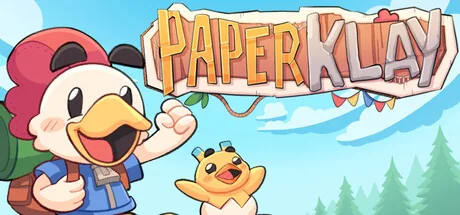
PaperKlay
6.5 / 10
- Developer
- WhyKev
- Publisher
- WhyKev
- Released
- 27 May 2025
- Platforms
- Windows
- Genre
- Adventure, Indie
- Monetisation
- Premium, one-time purchase. No microtransactions.
- Players
- Single-player only.
The short version
PaperKlay, developed and published by solo/small studio WhyKev, is a 3D collect-a-thon platformer built around a distinctive handcrafted papercraft-and-clay aesthetic and a clear, openly worn debt to Banjo-Kazooie, right down to a composer credit from Grant Kirkhope himself. Much of the review sample finds the craft and atmosphere genuinely charming, praising its tactile art style, cheery soundtrack, and cozy, low-stress pacing as a welcome throwback to an underserved genre. But a real, corroborated share of the sample reports derivative, flat dialogue paired with weak voice acting, alongside a cluster of clipping, camera, and level-reset bugs concentrated in specific sections, complaints serious enough that several reviewers who otherwise enjoyed the game explicitly withhold a recommendation.
Biggest strengths
- Praised for a genuinely distinctive, tactile handcrafted art style, with one reviewer calling it "full of care, character, and clever mechanics," and noting the "attention to detail in maintaining that handcrafted feel is worth celebrating."
- Praised for a strong, cheerful soundtrack featuring composer Grant Kirkhope, with one reviewer calling it "a fantastic soundtrack," and another separately confirming the music "pairs well with the visuals."
- Praised for successfully scratching a specific, underserved genre itch, with one reviewer stating it "scratches an itch I've had for years, really missing the old-school 3D platformer games," and another calling it a "very good scratch" for Banjo-Kazooie fans specifically.
Biggest weaknesses
- The single most heavily corroborated complaint concerns writing and voice acting, with one detailed reviewer who completed a full playthrough still declining to recommend it, stating "the dialogue in PaperKlay isn't funny or interesting, its cringe, or at best, bland," a criticism echoed independently by a second reviewer who found the voice acting "surprisingly low quality."
- A second, corroborated complaint concerns bugs concentrated in specific sections, with one reviewer reporting being unable to "seriously recommend" the game due to "constantly clipping out of the level and dying randomly," and separately needing to reset certain levels repeatedly "due to the camera bugging during orientation swap."
- A third complaint concerns derivative design and pacing, with one reviewer arguing the game "tries too hard to be like the classics of the genre and doesn't really do any innovation of its own," describing it as "a watered down Banjo-Kazooie," while another separately criticizes late-game collectibles as serving "no purpose" once achievements are unlocked.
Who it's for: Fans of classic N64-era collect-a-thons, especially Banjo-Kazooie and Donkey Kong 64, looking for a cozy, low-stakes new entry in an underserved genre; anyone sensitive to derivative writing or expecting a bug-free launch should wait for patches or a sale.
Our recommendation: A genuinely charming, tactile collect-a-thon throwback with a real soundtrack and love-letter atmosphere, held back by derivative writing and a real pool of launch bugs.
6.5 / 10
A handcrafted love letter to a genre gone quiet
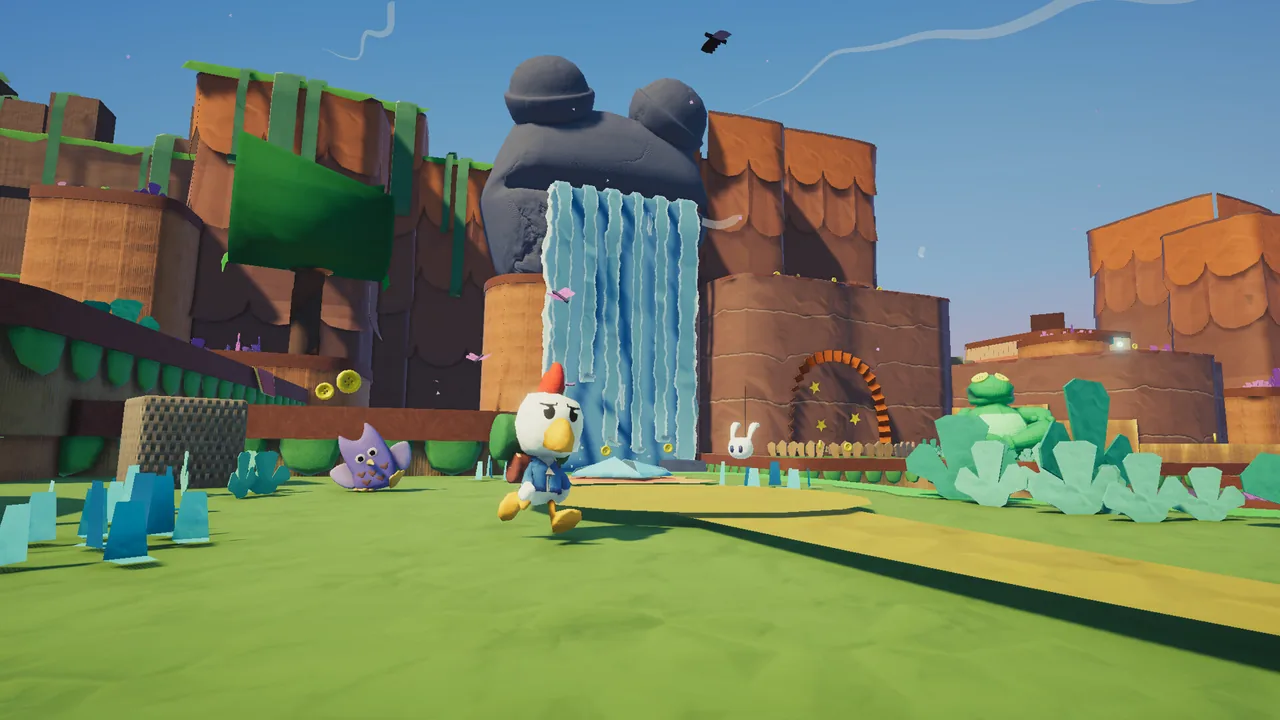
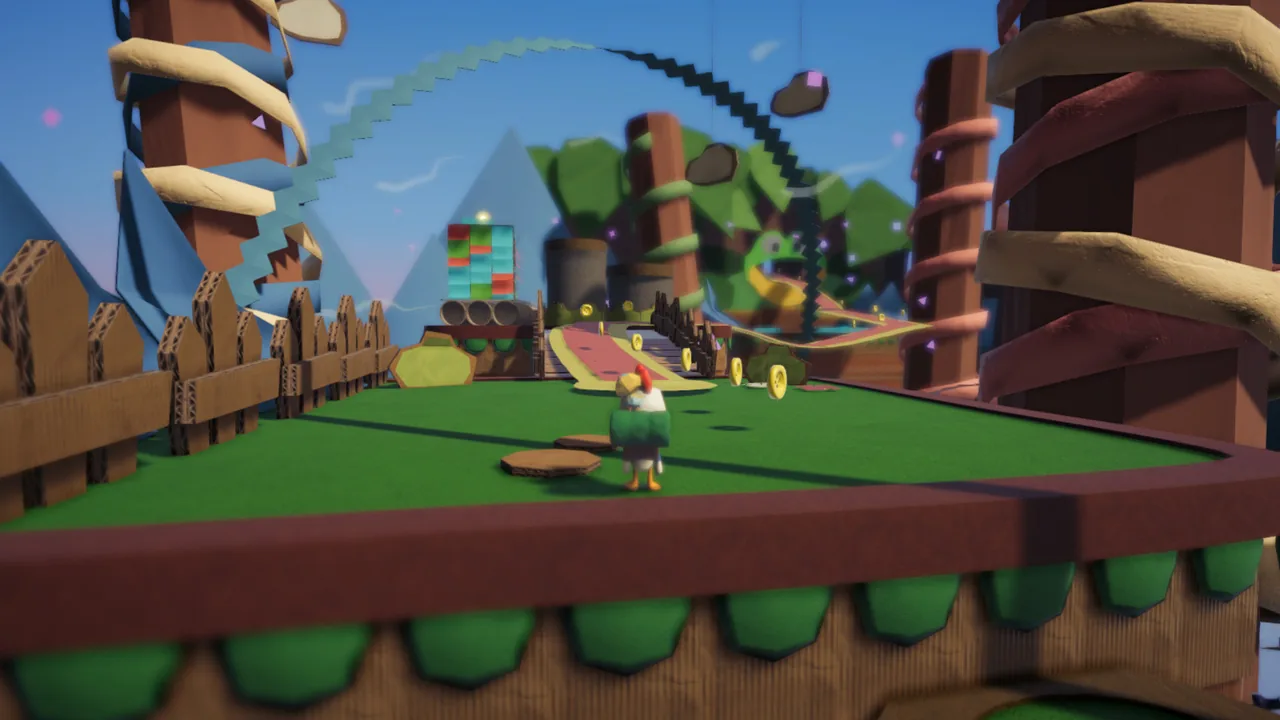
PaperKlay, released 27 May 2025 by developer and publisher WhyKev, is a 3D collect-a-thon platformer built around a distinctive art style that renders its entire world, characters, and enemies alike as though assembled from paper, clay, and craft-store materials. That handcrafted aesthetic is central to how much of the review sample receives the game, with one detailed reviewer praising it as "full of care, character, and clever mechanics," specifically celebrating "the attention to detail in maintaining that handcrafted feel" across "world design to characters and even enemies." Another reviewer frames the appeal more simply, calling the game "a cozy, feel-good adventure that's hard to put down," while confirming it "runs great on Steam Deck."
The game wears its inspiration openly, drawing direct and repeated comparisons across the review sample to Banjo-Kazooie in particular, a connection made explicit by a genuine composer credit from Grant Kirkhope, one of that franchise's original musicians. One reviewer captures this lineage warmly, writing "Blinky is love. Blinky is life. This is better than I expected! My all time favorite game is Banjo-Kazooie! This one is giving that itch a VERY good scratch!!!" A separate reviewer frames the same connection in genre terms, describing the game as scratching "an itch I've had for years, really missing the old-school 3D platformer games, like Jak & Daxter," praising it as "fun, silly, satisfying to control, and just overall a good time."
A soundtrack and atmosphere that land, even for collect-a-thon skeptics
Beyond its core inspiration, the review sample repeatedly singles out PaperKlay's music and general atmosphere as standout strengths independent of the gameplay loop itself. One reviewer, who states plainly they are "normally not a big fan of collect-a-thons," since the genre "can become tedious and boring, and then become frustrating," nonetheless credits PaperKlay with "a bottomless bucket of charm that continually brings a fresh splash and joy and chill," specifically praising its "casual" pacing that avoids rushing players through its world. That same reviewer highlights the tonal blend as the game's specific achievement, noting "the slight sense of danger is quickly swallowed in the beautiful, calm vibes of the levels and scenery."
Multiple reviewers frame the game specifically as comfort media, useful for unwinding rather than testing skill. One reviewer, candid about going "through a rough time right now," reports the game "done its job quite well" as something relaxing, adding "if you loved the Banjo era of platformers this will be right up your alley." That combination of low-stress pacing, a strong soundtrack, and a genuinely distinctive visual identity appears to be the throughline connecting the game's positive reception, even among reviewers who approach collect-a-thons with general skepticism.
Derivative writing and weak voice acting undercut the charm
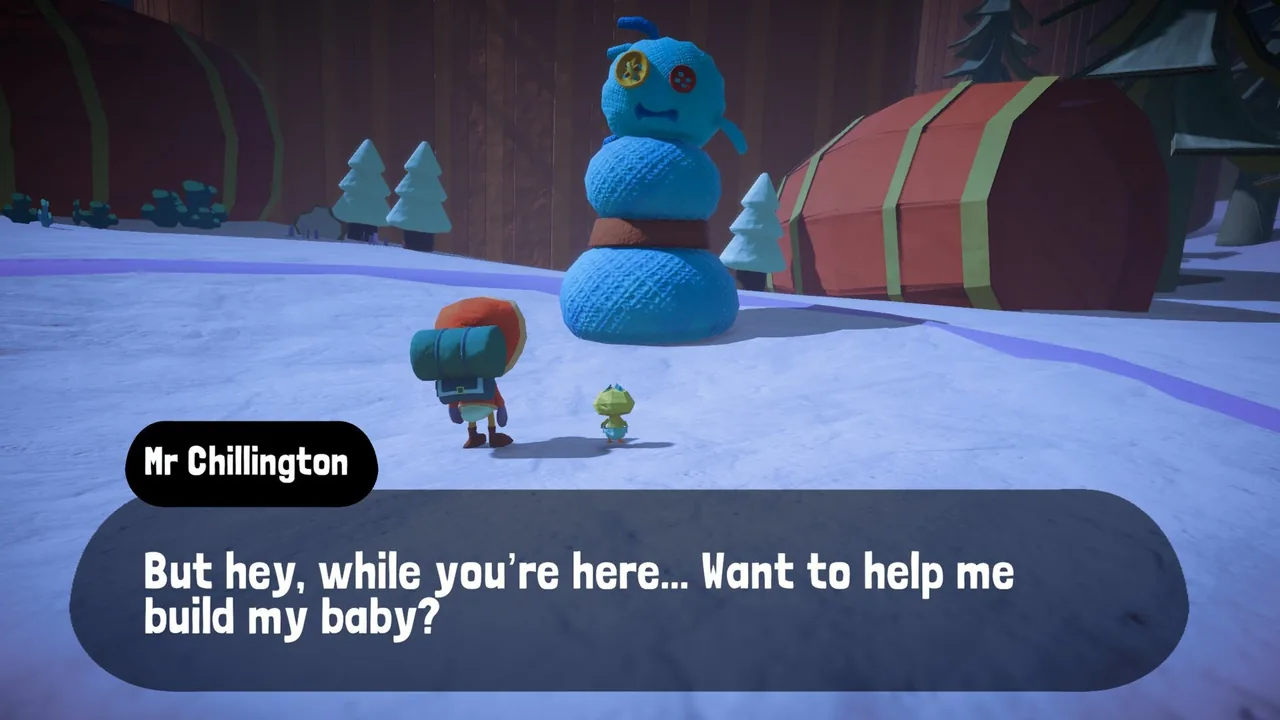
Set against that praise, the review sample's most heavily corroborated complaint concerns the game's writing and voice performances, an issue serious enough that multiple reviewers who otherwise completed and broadly enjoyed the game still explicitly decline to recommend it on this basis. One detailed reviewer, having finished a full 100% playthrough, states bluntly "the dialogue in PaperKlay isn't funny or interesting, its cringe, or at best, bland," adding "the voice actors just make it even more painful to listen to," before concluding the overall experience "feels like a watered down Banjo-Kazooie or DK64." A separate reviewer independently corroborates the same specific criticism, describing themselves as "a big fan of Banjo Kazooie" who wanted to enjoy the game but couldn't, citing "the voice acting is surprisingly low quality" and dialogue that is "pretty milquetoast."
That writing complaint recurs across multiple otherwise-positive accounts as well, with one reviewer who found the game "cute" nonetheless noting "I found the dialogue off-putting as it sounds like it's trying too hard," and a separate reviewer describing character voices as grating specifically because of "all the characters yelling at you for some reason." Taken together, this represents a genuinely widespread, corroborated criticism rather than an isolated complaint, and one that appears to weigh directly on several reviewers' final recommendation decisions regardless of how much they otherwise enjoyed the game's atmosphere and art direction.
A real pool of clipping and camera bugs
A second, corroborated complaint concerns technical stability, concentrated specifically around clipping, camera behaviour, and a set of levels several reviewers refer to as "chick levels." One reviewer states they cannot "seriously recommend" the game "even to the biggest fans of the genre" due to "constantly clipping out of the level and dying randomly for no reason at all," separately reporting needing "to reset the chick levels several times due to the camera bugging during orientation swap." That same reviewer goes further, stating flatly "the chick levels don't work and constantly need to be reset," questioning "how this content wasn't cut."
A separate, independent reviewer corroborates the same underlying pattern in less detail but similar substance, describing the game as "riddled with bugs, especially in those sections where you just play as nugget," reporting "the world has tons of gaps and clipping issues and sometimes thing just bug out." A third reviewer reports a more isolated but still concrete issue, describing their character repeatedly "falling and falling" and needing a full restart to resolve it. While not every reviewer encountered these problems, their specificity and recurrence around the same named sections across independent accounts suggest a real, unresolved technical issue at launch rather than isolated hardware-specific quirks.
Verdict
PaperKlay is, by its own review sample's account, a genuinely charming, tactile collect-a-thon platformer that successfully channels its Banjo-Kazooie inspiration through a distinctive handcrafted art style and a strong, cheerful soundtrack from a genuinely credentialed composer. But a real, corroborated pool of complaints around derivative, weak dialogue and voice acting, paired with concentrated clipping and camera bugs in specific sections, are serious enough that several reviewers who finished and broadly enjoyed the game still declined to recommend it outright. Fans of the classic collect-a-thon genre looking for a cozy, low-stakes new entry should find real value in its atmosphere and craft; anyone sensitive to writing quality or expecting a fully polished launch should wait for patches or a sale.
Pros and cons
Pros
- Praised for a genuinely distinctive, tactile handcrafted art style, with one reviewer calling it "full of care, character, and clever mechanics," and noting the "attention to detail in maintaining that handcrafted feel is worth celebrating."
- Praised for a strong, cheerful soundtrack featuring composer Grant Kirkhope, with one reviewer calling it "a fantastic soundtrack," and another separately confirming the music "pairs well with the visuals."
- Praised for successfully scratching a specific, underserved genre itch, with one reviewer stating it "scratches an itch I've had for years, really missing the old-school 3D platformer games," and another calling it a "very good scratch" for Banjo-Kazooie fans specifically.
Cons
- The single most heavily corroborated complaint concerns writing and voice acting, with one detailed reviewer who completed a full playthrough still declining to recommend it, stating "the dialogue in PaperKlay isn't funny or interesting, its cringe, or at best, bland," a criticism echoed independently by a second reviewer who found the voice acting "surprisingly low quality."
- A second, corroborated complaint concerns bugs concentrated in specific sections, with one reviewer reporting being unable to "seriously recommend" the game due to "constantly clipping out of the level and dying randomly," and separately needing to reset certain levels repeatedly "due to the camera bugging during orientation swap."
- A third complaint concerns derivative design and pacing, with one reviewer arguing the game "tries too hard to be like the classics of the genre and doesn't really do any innovation of its own," describing it as "a watered down Banjo-Kazooie," while another separately criticizes late-game collectibles as serving "no purpose" once achievements are unlocked.
Screenshots
-
PaperKlayImage: WhyKev via Steam -
PaperKlayImage: WhyKev via Steam -
PaperKlayImage: WhyKev via Steam -
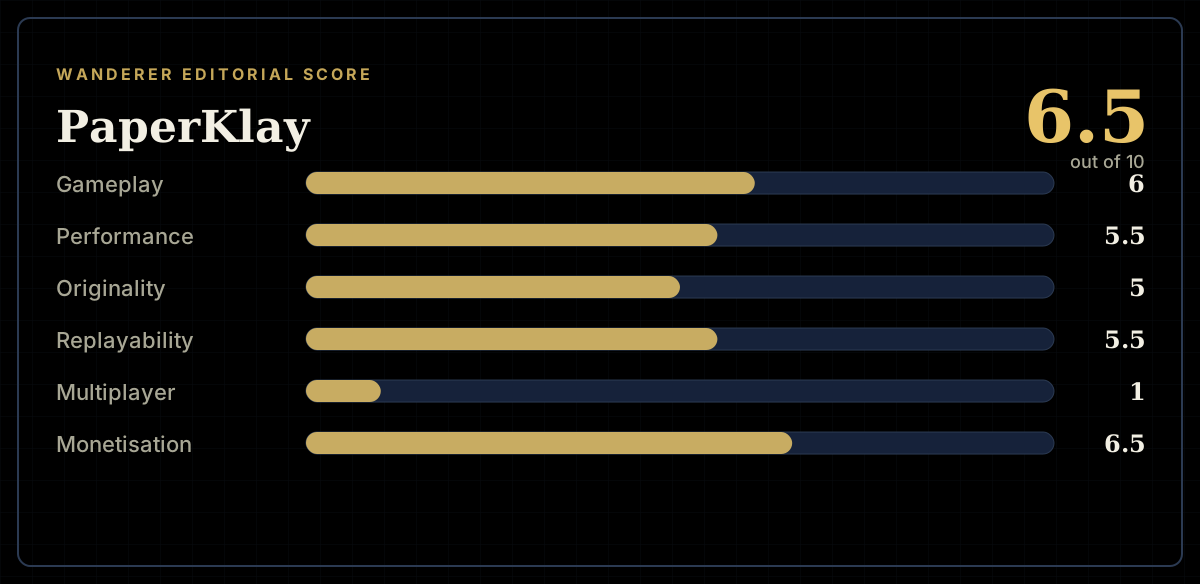
How the review scores each part of the gameWanderer Editorial -
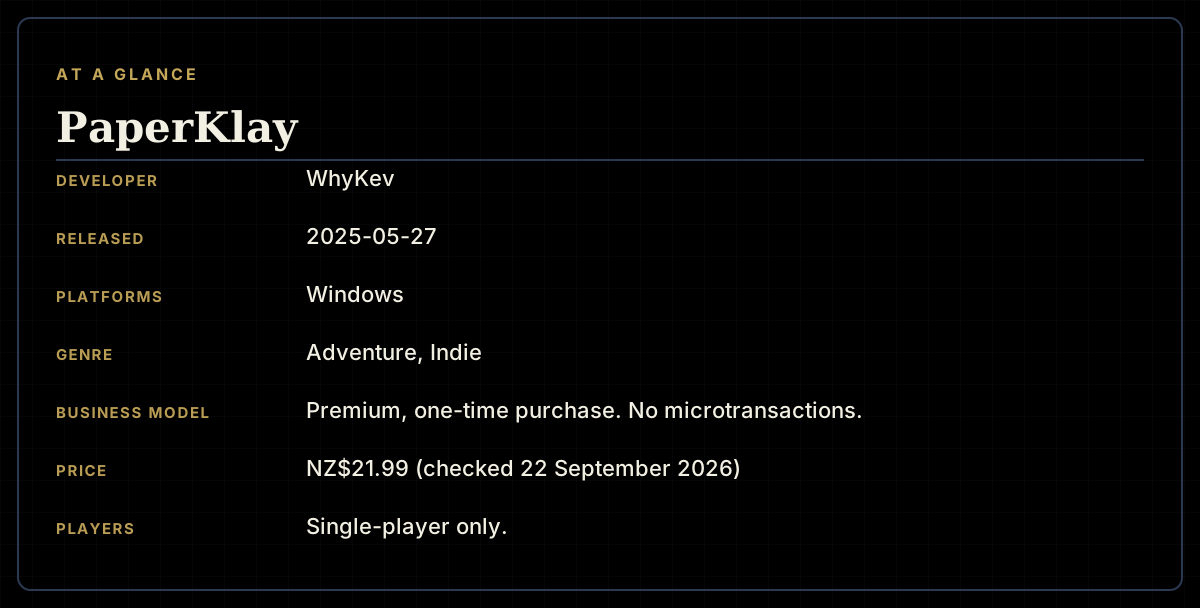
Key facts at a glanceWanderer Editorial -
The short versionWanderer Editorial