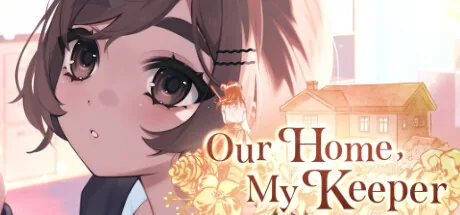
Game review
Our Home, My Keeper Review: A Dream Yuri Collaboration Delivers, Mostly
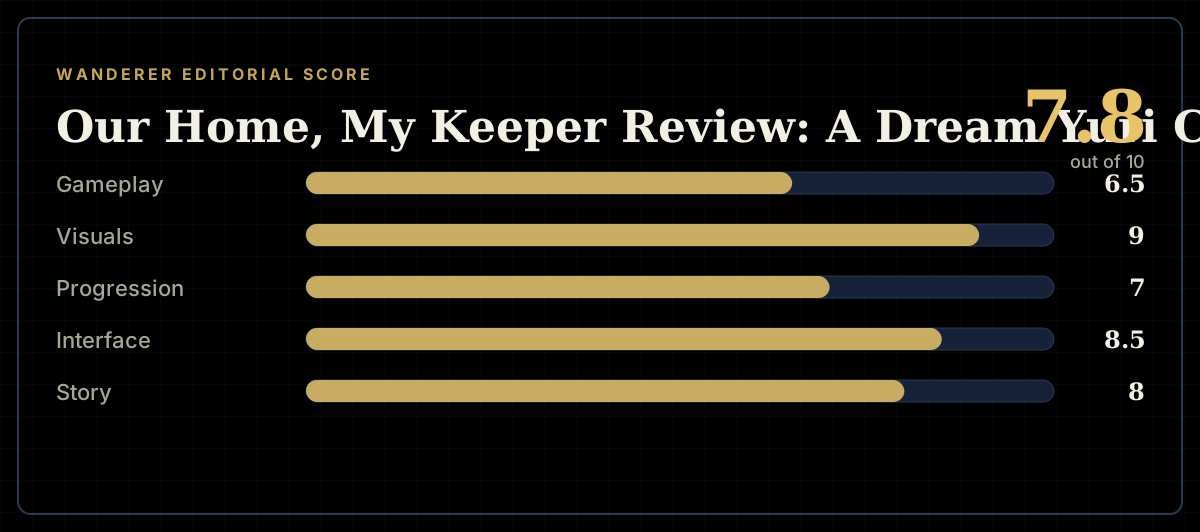
7.8 / 10
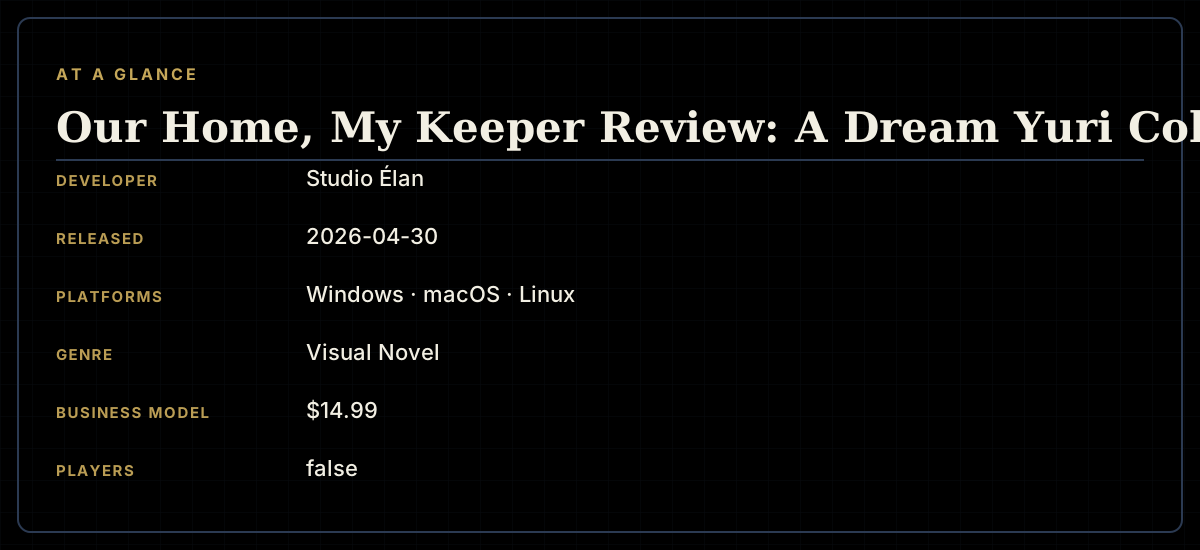
- Developer
- Studio Élan
- Publisher
- Studio Élan
- Released
- 30 April 2026
- Platforms
- Windows, macOS, Linux
- Genre
- Visual Novel
- Monetisation
- $14.99
- Players
- false
The short version
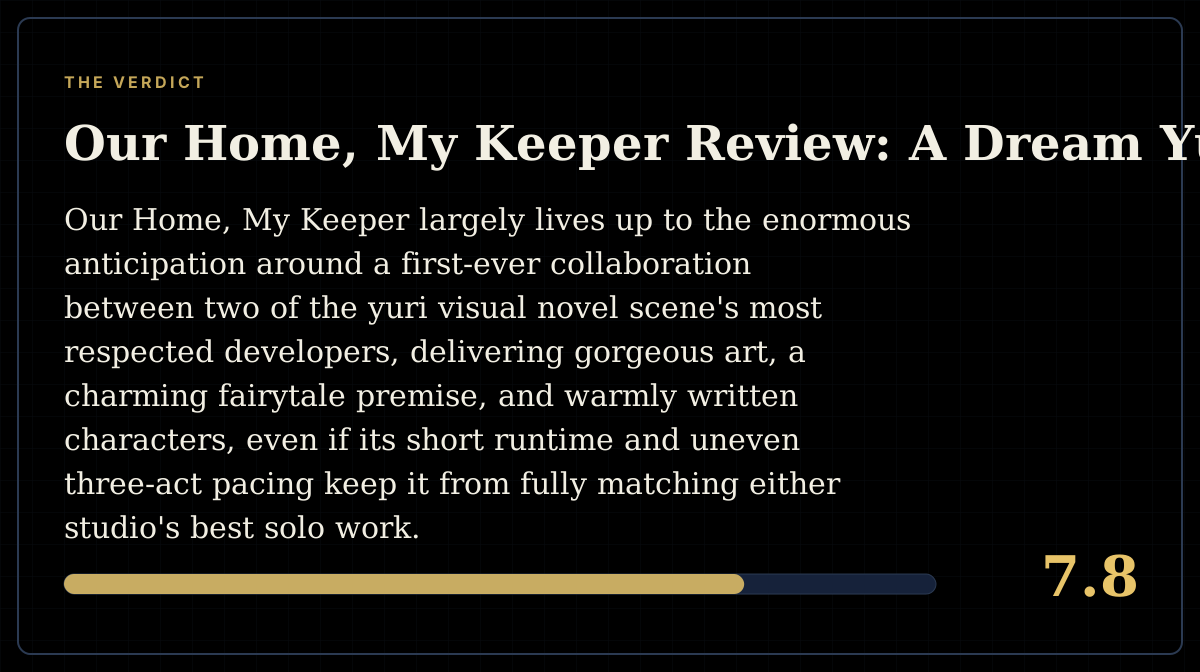
Our Home, My Keeper largely lives up to the enormous anticipation around a first-ever collaboration between two of the yuri visual novel scene's most respected developers, delivering gorgeous art, a charming fairytale premise, and warmly written characters, even if its short runtime and uneven three-act pacing keep it from fully matching either studio's best solo work.
Biggest strengths
- A first-ever collaboration between two widely respected yuri visual novel studios that reviewers describe as living up to years of anticipation, combining Studio Élan's production polish with ebi-hime's distinctive writing voice
- Gorgeous, near-universally praised art direction, character sprites, and CGs, alongside a soundtrack reviewers repeatedly single out as fitting and atmospheric
- Warm, endearing character writing, especially the fae/doll love interest Faye, that reviewers across the sample say elevates a fairly familiar fantasy-romance premise
Biggest weaknesses
- The most repeated criticism is uneven pacing across the story's three acts, with several reviewers describing a slow opening before the love interest and plot are properly introduced, followed by a romance and central conflict that resolves too quickly
- A significant portion of the sample considers the roughly three-to-five-hour runtime short relative to the $14.99 asking price, with at least one reviewer recommending readers wait for a discount rather than buy at launch
- It's a kinetic novel with zero choices and a single fixed ending, which one detailed negative review argues makes it function more like a short illustrated novel than an interactive game
Who it's for: Best for established fans of Studio Élan or ebi-hime and yuri visual novel readers who prioritize atmosphere and writing over interactivity; a poor fit for players wanting meaningful choices, a long campaign, or a game in the traditional interactive sense.
Our recommendation: Buy it
7.8 / 10
A writer, a cottage, and a fairy made of porcelain
Our Home, My Keeper follows Paige, a children's book author struggling with writer's block, as she moves from London to a spacious old house in the English countryside hoping for a fresh start. There she meets Faye, a brownie fairy bound to a doll and tasked with protecting the home, and the two slowly grow close even as unsettling secrets about the house's past, and the imps drawn to it, start surfacing. It's a kinetic visual novel — no choices, one fixed path — built entirely around its writing, art, and atmosphere rather than branching interactivity.
Two beloved studios, one very anticipated team-up
The single biggest storyline running through the entire review sample isn't the plot itself but the pairing that made it: Studio Élan and ebi-hime, two of the most consistently well-regarded names in yuri visual novels, had never collaborated before. Reviewers repeatedly describe years of anticipation once the project was announced, and the overwhelming consensus is that the combination pays off, blending Studio Élan's polished production values with ebi-hime's distinctive, understated writing voice. Several reviewers admit they came in with impossibly high expectations and, while a few say it didn't quite reach those heights, most still rank it among the best work from either studio.
Art and music that dominate the praise
Almost without exception, reviewers single out the visual presentation as the game's clearest strength: detailed, expressive character sprites, richly illustrated backgrounds full of small environmental details, and CGs reviewers describe as some of the best either studio has produced. The soundtrack, a mix of piano and atmospheric tracks, draws similarly consistent praise, with multiple reviewers specifically calling out the ending theme. The UI and menu design also earn direct compliments, an unusually specific point of praise that recurs often enough to be worth noting on its own.
A fairytale with a genuinely unsettling undercurrent
Beyond the central romance, several reviewers highlight a darker thread running beneath the story's cozy surface — hints of horror involving the house's past, the imps that threaten Faye, and a doll-possession backstory that surprises readers expecting a purely light romance. Reviewers who came in for a straightforward cute yuri story describe being pleasantly caught off guard by how much weight the plot carries, while still landing on a warm, redemptive note by the end.
Pacing that front-loads setup and rushes the payoff
The most consistently repeated structural criticism concerns how the story's three acts are balanced. Multiple reviewers describe a first act that takes too long establishing Paige's arrival and daily life before properly introducing Faye and the central plot, followed by a second act many call rushed relative to the first, and a lengthy epilogue some found superfluous once the main conflict resolves. More than one reviewer explicitly wishes the middle section, where the romance and mystery actually develop, had been given more room to breathe rather than being compressed to make way for the ending.
Short for the price, and reviewers are split on whether that matters
Runtime estimates across the sample cluster between three and five hours, and a meaningful portion of reviewers frame that as short for a $14.99 kinetic novel, with one reviewer explicitly recommending a sale-price purchase over a launch-day buy. Others push back directly, arguing the story doesn't overstay its welcome and that a tightly paced few hours suits the material better than padding it out. One detailed negative review goes further, arguing that with zero choices and a handful of full-screen illustrations, the roughly 75,000-word game functions more like an illustrated novel than an interactive game, and found the lack of romantic development between the leads a significant letdown over a 12-hour reading session.
Typos and a wish for voice acting
A handful of reviewers who played close to launch note noticeable grammar mistakes and typos, several explicitly flagging that this was before the developer's patches landed. Separately, and more consistently across the whole sample, reviewers wish the game included voice acting, noting that some of Studio Élan's other titles do and that a cast this warmly written, especially the bubbly Faye, feels like it was left wanting without it.
A gentle entry point for visual novel newcomers
Because it's kinetic, with no branching choices to track and a linear path to a single ending, several reviewers note Our Home, My Keeper is unusually easy to fully complete, including earning every Steam achievement in a single sitting. More than one reviewer specifically calls it their first-ever completed visual novel, describing the format as approachable precisely because there's no pressure to replay for alternate routes or worry about missing content on a first read. That accessibility appears to be broadening the audience beyond the two studios' existing fanbases rather than only serving longtime readers.
A story readers want to share
A recurring, informal pattern across the sample is reviewers describing the urge to pass the game along to friends, partners, or online communities immediately after finishing it, with one reviewer literally saying they're trying to convince their polycule to read it. Several others frame their five-star reviews explicitly as gestures of support for the developers rather than a purely quality-driven score, hoping a strong launch encourages Studio Élan and ebi-hime to collaborate again. That combination of critical praise and active fan advocacy suggests the game is resonating as a community event within the yuri visual novel space, not just as a standalone release.
Verdict
Our Home, My Keeper mostly delivers on an enormous amount of built-up anticipation, pairing gorgeous art and a genuinely surprising fairytale-horror undercurrent with the kind of warm character writing both contributing studios are known for. Uneven pacing across its three acts and a short runtime relative to its price are real, repeated complaints worth going in aware of, but they haven't stopped the overwhelming majority of readers from calling this collaboration a success worth reading.
Pros and cons
Pros
- A first-ever collaboration between two widely respected yuri visual novel studios that reviewers describe as living up to years of anticipation, combining Studio Élan's production polish with ebi-hime's distinctive writing voice
- Gorgeous, near-universally praised art direction, character sprites, and CGs, alongside a soundtrack reviewers repeatedly single out as fitting and atmospheric
- Warm, endearing character writing, especially the fae/doll love interest Faye, that reviewers across the sample say elevates a fairly familiar fantasy-romance premise
- A well-crafted, polished UI and presentation layer that several reviewers explicitly call out as a standout even among other visual novels
Cons
- The most repeated criticism is uneven pacing across the story's three acts, with several reviewers describing a slow opening before the love interest and plot are properly introduced, followed by a romance and central conflict that resolves too quickly
- A significant portion of the sample considers the roughly three-to-five-hour runtime short relative to the $14.99 asking price, with at least one reviewer recommending readers wait for a discount rather than buy at launch
- It's a kinetic novel with zero choices and a single fixed ending, which one detailed negative review argues makes it function more like a short illustrated novel than an interactive game
- Multiple reviewers wished for voice acting, noting its absence stands out given that some of Studio Élan's other releases include it
Screenshots
-
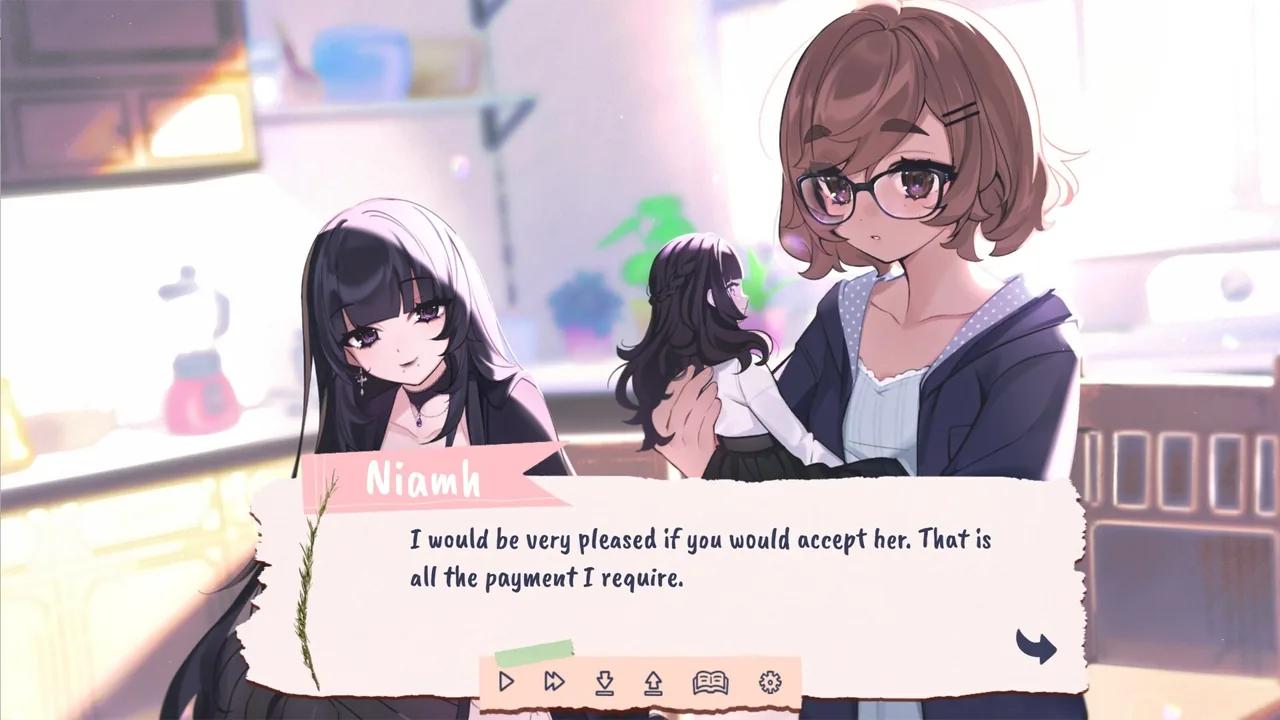
Image: Studio Élan via Steam -
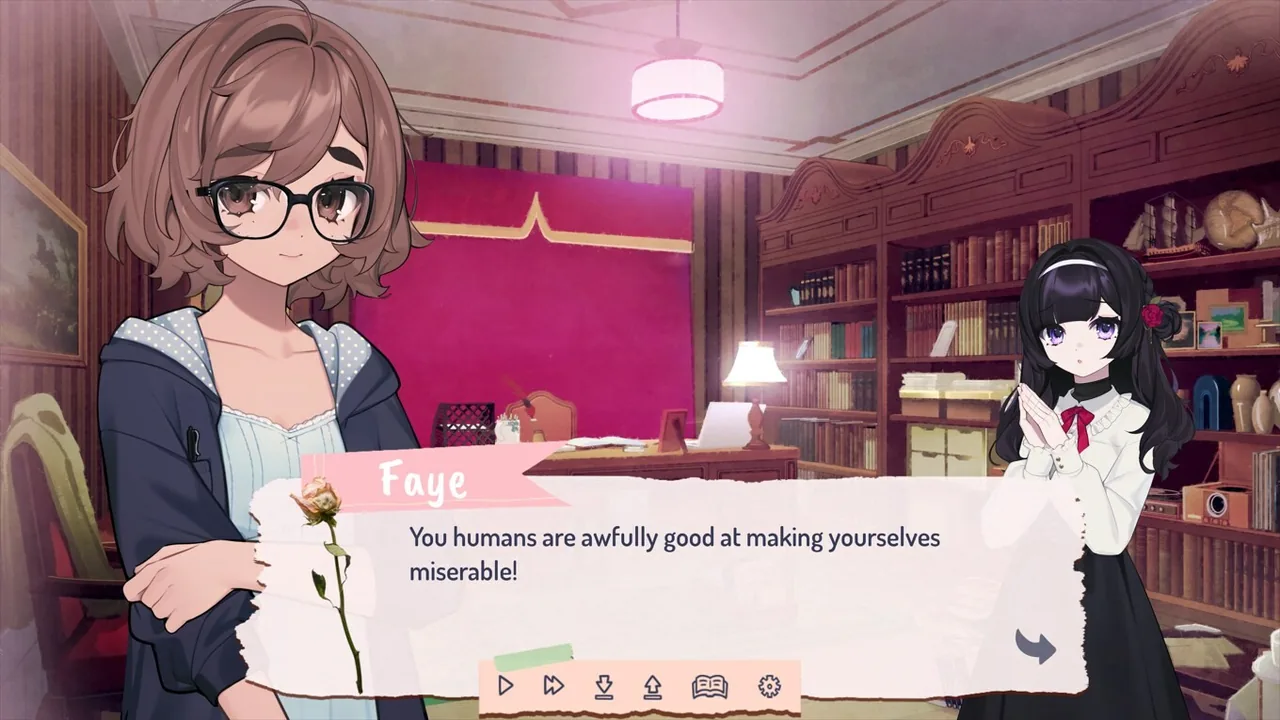
Image: Studio Élan via Steam -
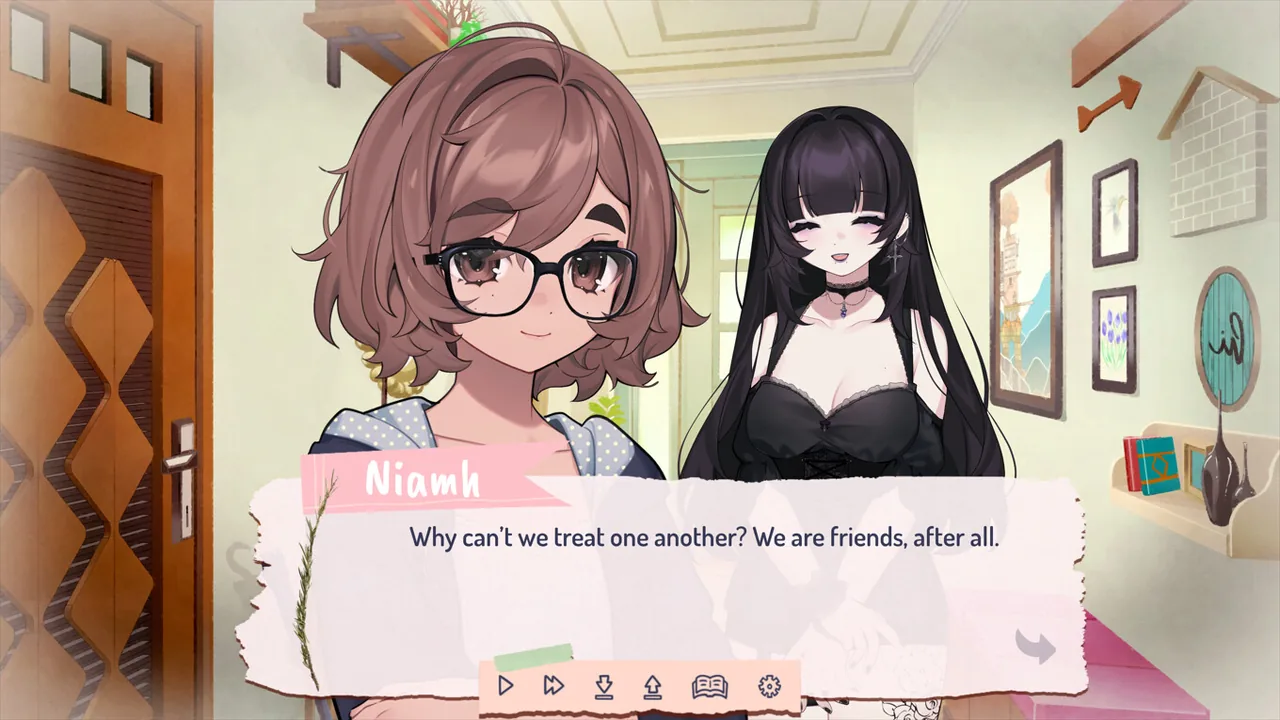
Image: Studio Élan via Steam -
Wanderer Editorial -
Wanderer Editorial -
Wanderer Editorial