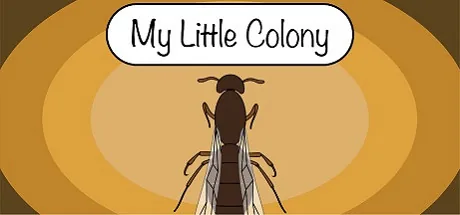
Game review
My Little Colony
3 / 10
- Developer
- Andrew Sepulveda
- Publisher
- Andrew Sepulveda
- Released
- 1 April 2022
- Platforms
- Windows
- Genre
- Colony management sim
- Monetisation
- One-time purchase, no DLC, no in-game purchases
- Players
- Single-player only, no multiplayer or leaderboard
The short version
My Little Colony asks you to build an ant farm across a cluttered desk of tubes, nests and food stations, and its honest origin story is right there in its release date and its own developer's words: shipped unfinished by a college student working in spare time, coincidentally on April Fools, to a wave of justified criticism. What follows is genuinely a good-faith response — a public apology, two real content patches over the following five months — and then, per the game's own small review corpus, silence. A sympathetic story about a small developer who tried, attached to a product that never became what it promised to be.
Biggest strengths
- The core concept — an ant colony spread across a believably cluttered desk scene, connected by tubes between nests, food stations and tunnels — has real charm and a distinct visual hook
- The solo developer responded to launch criticism directly and visibly, posting a public apology and following through with two substantive content patches (August and September 2022) rather than staying silent
- Those patches added genuine content — new ant species, new food types, ambient radio stations, UI and tutorial improvements — showing the promised effort was real, not just words
Biggest weaknesses
- The game launched unfinished by the developer's own admission, with core features not working and no tutorial, and the first wave of reviews documents specific breakage — ants vanishing, food and water becoming unusable, glitching menus
- A review posted after the August 2022 "major bug fixes" patch reports the same class of problem still present — the starter ant dying because food and water couldn't be added to its initial tube — suggesting the promised fixes didn't fully land for every player
- Public developer support stopped after the September 2022 update; a review from November 2023, over a year later, states plainly that the developer "completely abandoned" the game, and nothing in the public record contradicts that
Who it's for: Nobody at full price. Curiosity-driven bargain hunters who want a very rough, very small ant-farm toy and are prepared for it to stay exactly as unfinished as it is today.
Our recommendation: Skip it at NZ$10.29. If you want the idea of a cosy desk-based colony sim, better-supported games in the genre exist; this one's own reviewers, as recently as late 2023, describe it as abandoned.
3 / 10
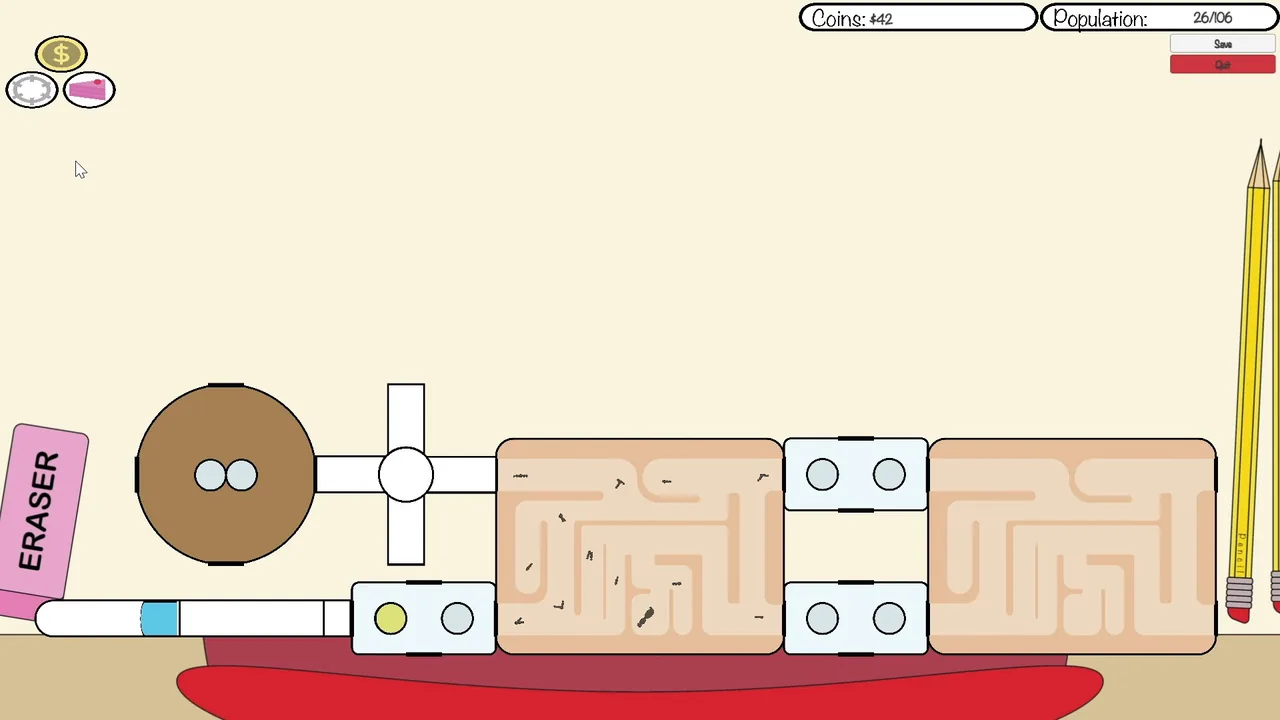
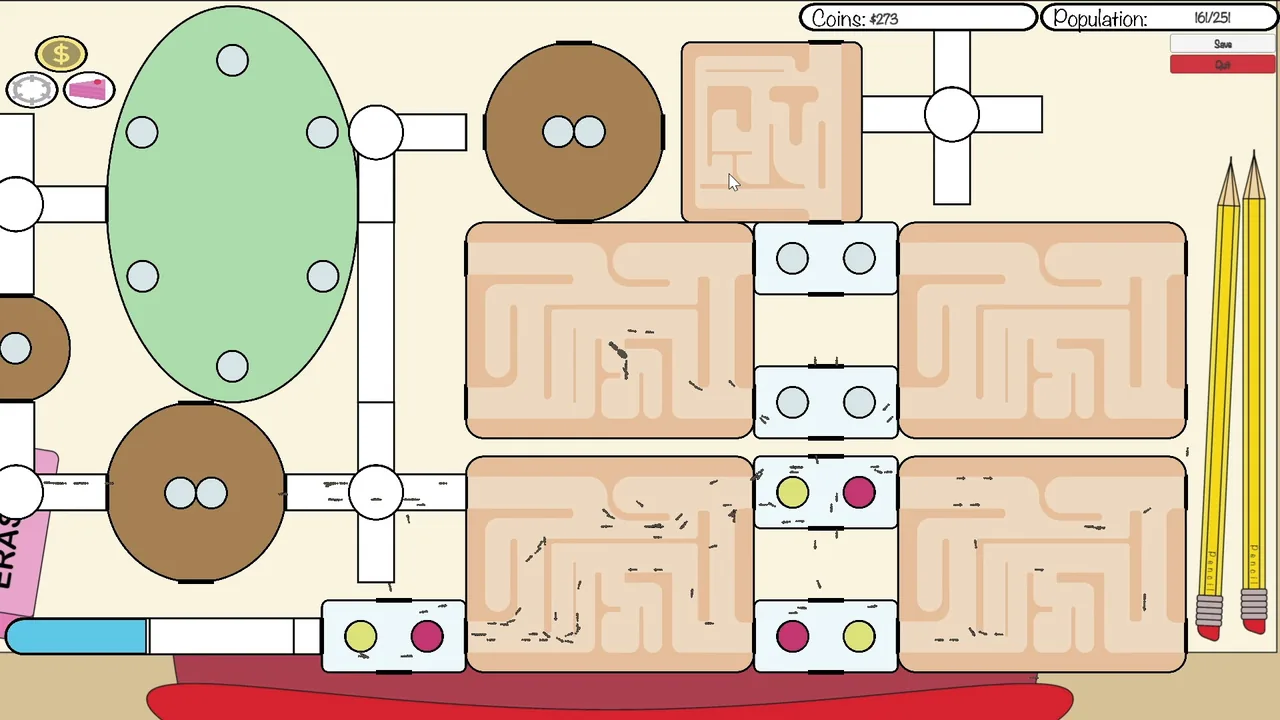
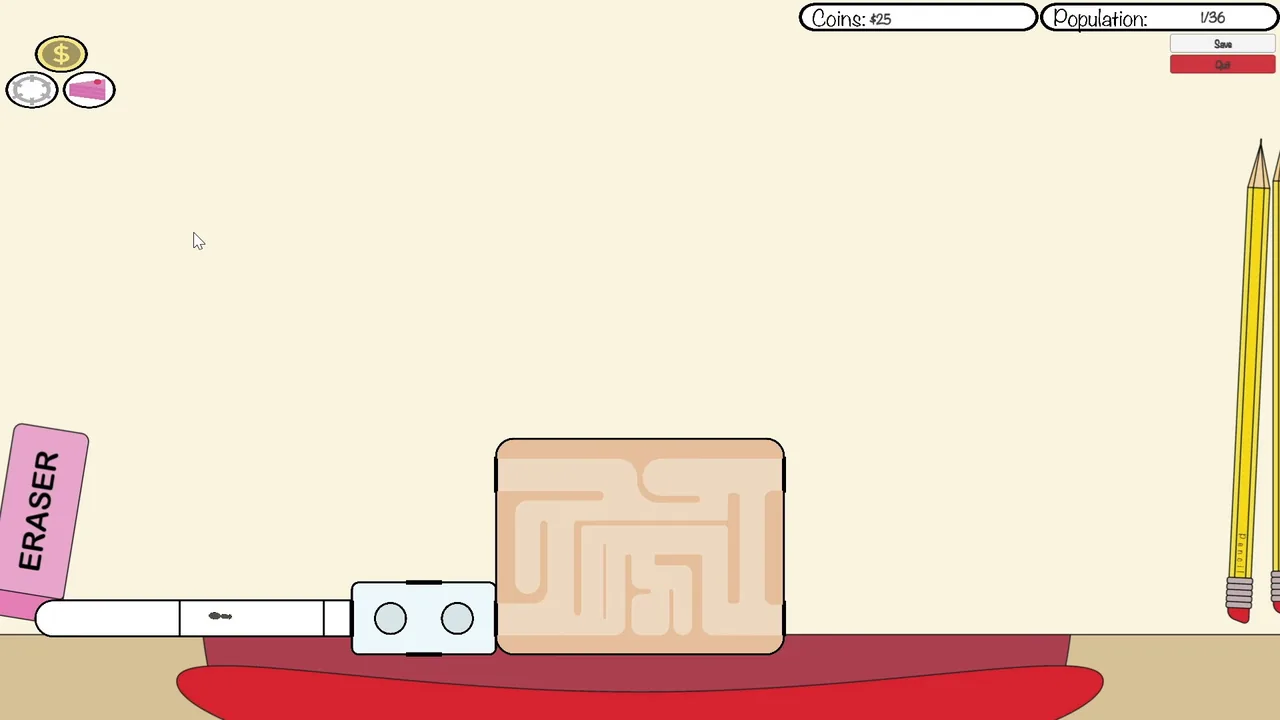
My Little Colony launched on 1 April 2022, and more than one of its handful of reviewers assumed that date was the joke. It wasn't, by the developer's own account — just unfortunate timing on top of an already unfinished release. The pitch is genuinely appealing: build and connect an ant colony across the surface of a cluttered desk, tubes and nests threading between pencils and an eraser, feeding a queen who needs a steady supply of food and water to keep the population growing. It's the kind of cosy, small-scale colony sim that could carve out a real niche. What actually shipped, and what happened to it afterward, is a more complicated and more sympathetic story than most low-scoring games in this library.
An honest apology, and two updates that mostly delivered
The first wave of reviews, from April 2022, describes a game that plainly wasn't ready: no tutorial, menus that glitched, ants that vanished or escaped their tubes, no obvious way to earn more coins. One reviewer says outright they'd been "duped" by the April Fools timing. What happened next is worth crediting properly. On 2 July 2022 the developer posted directly to the game's Steam news feed, identifying themselves as a college student working on the project in their spare time, apologising for the state of the release, and promising a summer of focused work. That promise was kept, at least in part: UPDATE 1.0 landed on 2 August 2022 with a substantial list of bug fixes and new content — new ant species, new food types, ambient radio stations, clearer instructions — and UPDATE 1.1 followed on 29 September with further fixes and visual polish. That's a real, documented response to criticism from a small developer, not just words.
It didn't fully solve the problem, though. A review posted on 16 August 2022, two weeks after the "major bug fixes" patch, describes the exact same category of issue the patch claimed to address: an ant dying because its starter tube couldn't be given food or water once placed. And after September 2022, the public record goes quiet. A review from 25 November 2023, well over a year later, states simply that the developer "completely abandoned" the game — and nothing in the patch history or review corpus contradicts that. A separate 2023 review describes a game with little to do and ants that die quickly, suggesting whatever the two 2022 patches fixed, they didn't add enough lasting content to hold attention.
A charming idea that needed more time than it got
The visual concept deserves genuine credit even in this state — an ant farm built from tubes and modules scattered across a desk, complete with pencils and an eraser for scale, gives the game a distinct identity that a generic top-down colony sim wouldn't have. It's the execution around that idea that never caught up: thin progression, a population and economy that reviewers across both the launch window and the post-patch period describe as running out of things to do, and, per the most recent review on record, a project nobody is actively maintaining any more.
Final verdict
My Little Colony is a hard game to score harshly without also being fair to what actually happened here — a solo, likely young developer released something before it was ready, said so plainly, and put in real, documented effort to fix it before support quietly stopped. That context matters, and it's worth knowing before dismissing this as another abandoned shovelware release. But context isn't the same as a working product, and at NZ$10.29 today's buyer is paying full price for a game its own most recent reviewer calls abandoned. Worth remembering fondly as an example of a developer trying; not worth buying in its current state.
Pros and cons
Pros
- The core concept — an ant colony spread across a believably cluttered desk scene, connected by tubes between nests, food stations and tunnels — has real charm and a distinct visual hook
- The solo developer responded to launch criticism directly and visibly, posting a public apology and following through with two substantive content patches (August and September 2022) rather than staying silent
- Those patches added genuine content — new ant species, new food types, ambient radio stations, UI and tutorial improvements — showing the promised effort was real, not just words
- No in-game purchases, ads or predatory monetisation layered onto an already-troubled release
Cons
- The game launched unfinished by the developer's own admission, with core features not working and no tutorial, and the first wave of reviews documents specific breakage — ants vanishing, food and water becoming unusable, glitching menus
- A review posted after the August 2022 "major bug fixes" patch reports the same class of problem still present — the starter ant dying because food and water couldn't be added to its initial tube — suggesting the promised fixes didn't fully land for every player
- Public developer support stopped after the September 2022 update; a review from November 2023, over a year later, states plainly that the developer "completely abandoned" the game, and nothing in the public record contradicts that
- A 2023 review separately describes a lack of content and short ant lifespans, meaning even players who arrive well after the fix patches still find little to do
- At NZ$10.29 the asking price is high for a small, ultimately unsupported passion project, especially against better-established colony and ant-themed sims in the same price range
Screenshots
-
My Little ColonyImage: Andrew Sepulveda via Steam -
My Little ColonyImage: Andrew Sepulveda via Steam -
My Little ColonyImage: Andrew Sepulveda via Steam -
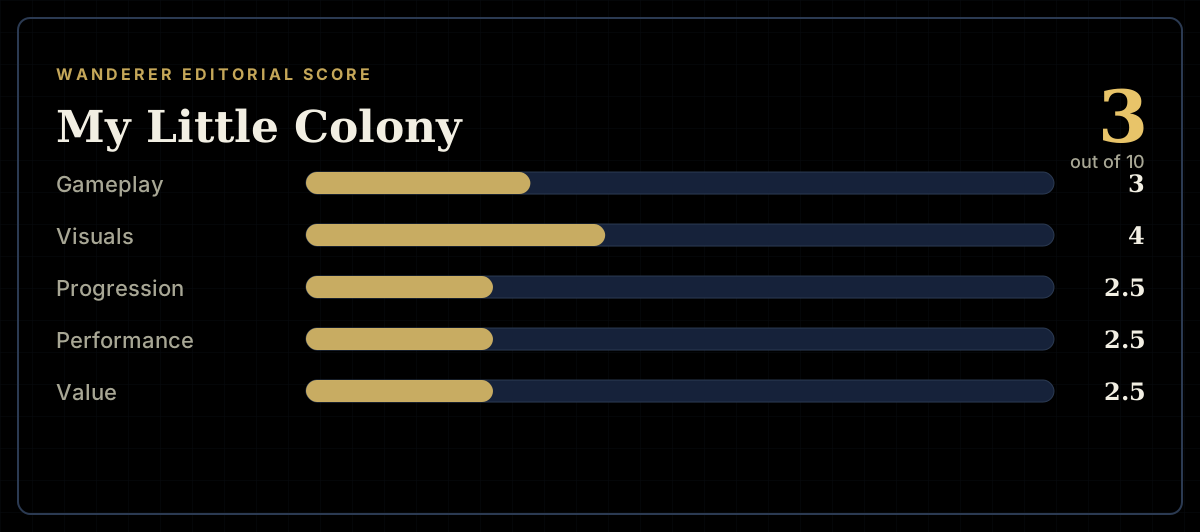
How the review scores each part of the gameWanderer Editorial -
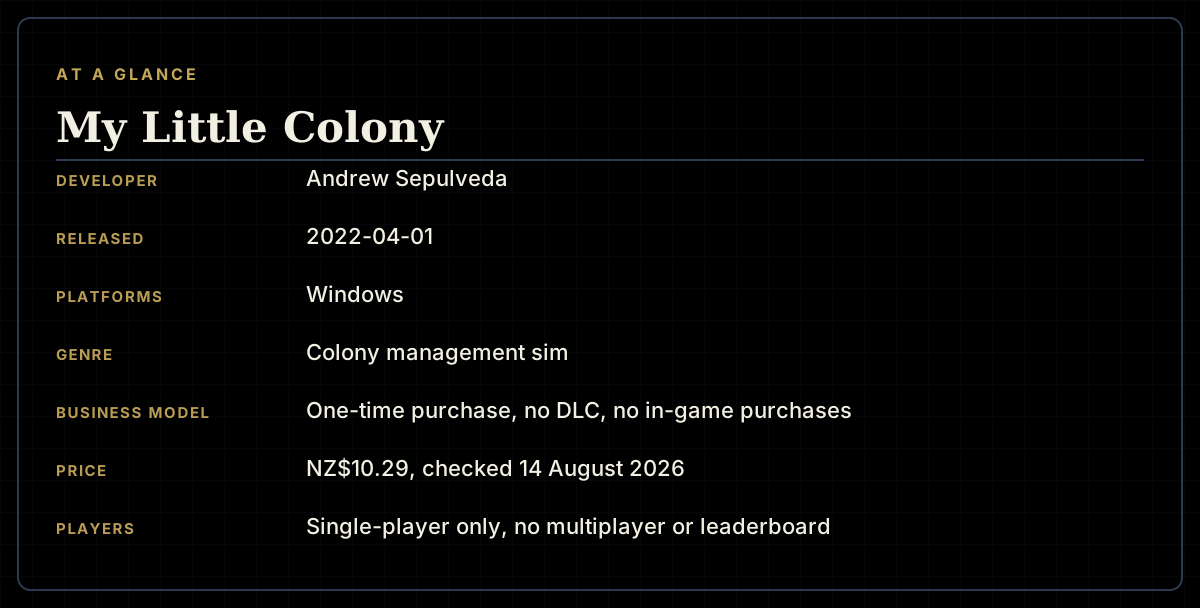
The game at a glanceWanderer Editorial -
The short versionWanderer Editorial