Game review
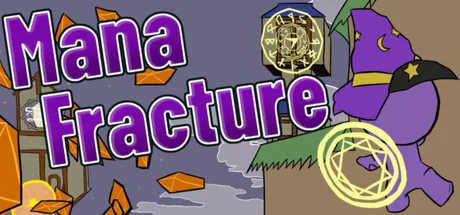
Mana Fracture
7 / 10
- Developer
- Xileh
- Publisher
- Xileh
- Released
- 18 June 2026
- Platforms
- Windows
- Genre
- Adventure, Platformer, Indie
- Monetisation
- paid
- Players
- false
The short version
Biggest strengths
- Tight, momentum-based movement that most reviewers described as having real weight and satisfaction once mastered, drawing repeated comparisons to Super Mario 64
- A pure, uncluttered design with no collectibles or padding, built entirely around the satisfaction of climbing higher, which several reviewers called refreshing
- A difficulty curve most reviewers found tough but fair, gradually introducing new movement tools like a dedicated wall-run button that opened the game up significantly
Biggest weaknesses
- Wall-running and wall-jumping that multiple reviewers, including at least one otherwise positive review, described as inconsistent, with unpredictable falls off walls during precision sections
- A vocal negative review describing the core physics and momentum system as fundamentally 'busted' and the character controls as unable to reliably distinguish a ledge from a slope
- A learning curve steep enough that at least one reviewer directly warned it is 'not Baby's First Platformer,' unsuitable for genre newcomers
Who it's for: Fans of precision movement-focused 3D platformers (Mario 64-style momentum, Foddian climbing games) who want a pure, objective-free challenge
Our recommendation: recommended
7 / 10
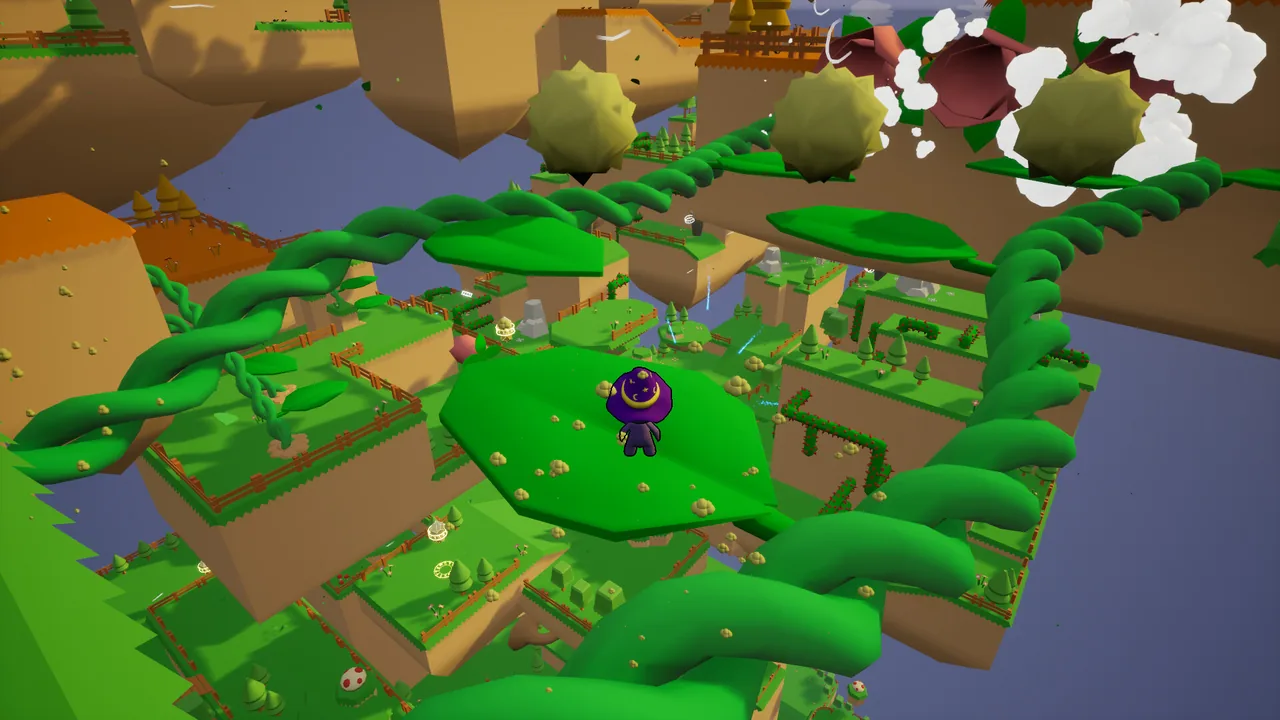
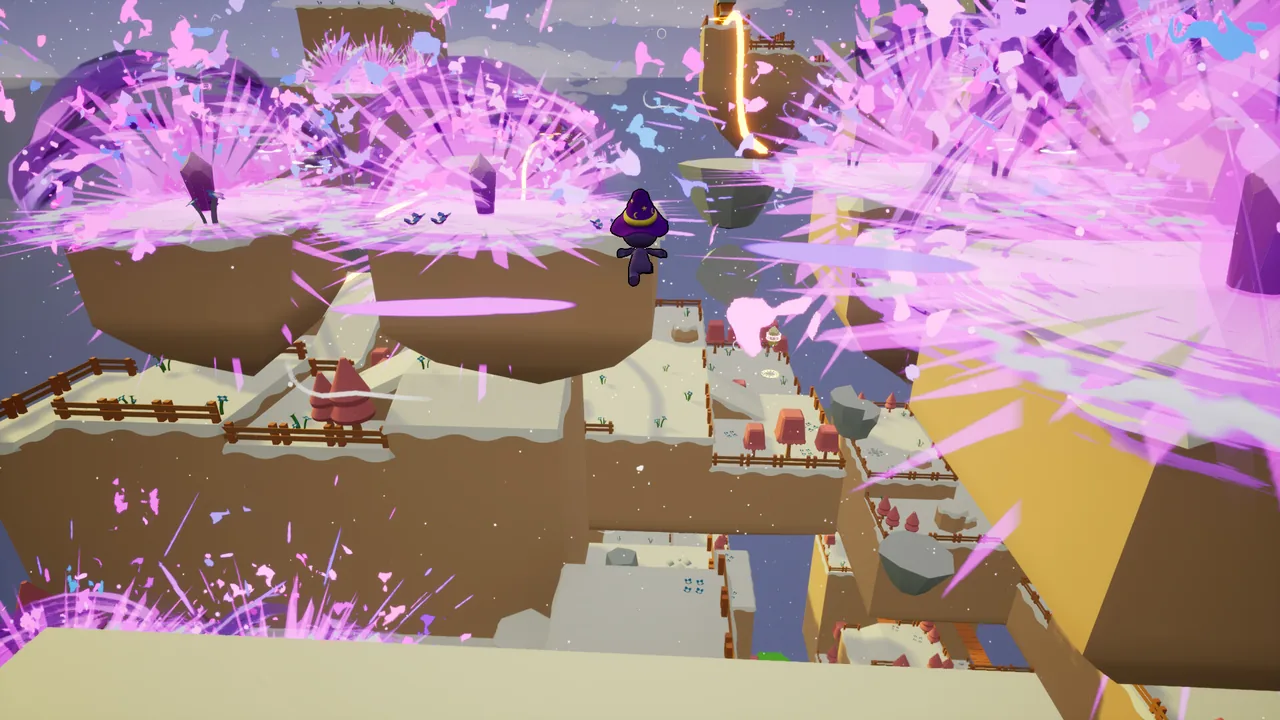
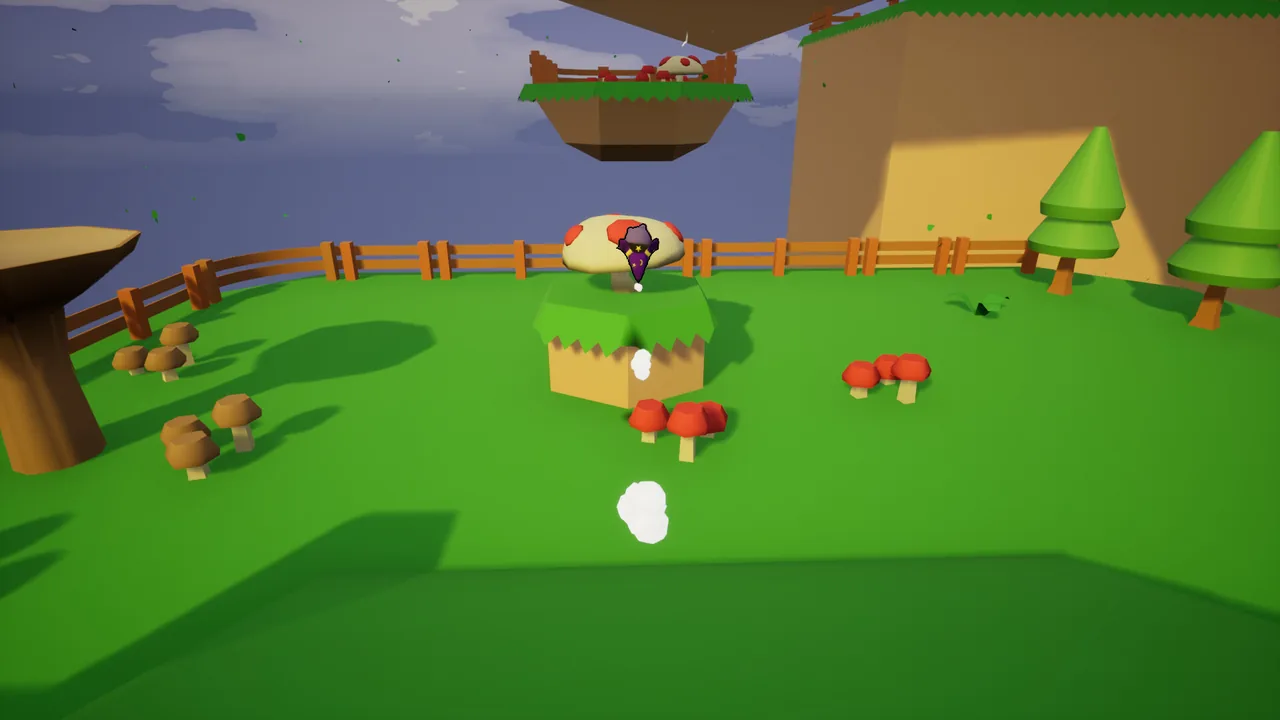
Mana Fracture released on Steam on June 18, 2026, a $5.99 precision 3D platformer from solo developer Xileh, who also self-published it. There's no story, no collectibles, and no side content: the entire game is a single open vertical map, and the only goal is to climb it, using increasingly demanding movement tools like wall-running and wall-jumping to reach new heights. Its 13-review English pool leans clearly Positive, 11 up and 2 down (85%), and the reviews describe a small, focused platformer whose pure, momentum-driven movement wins over most players even as a real minority found its physics too unreliable to enjoy.
The movement itself draws the pool's most consistent praise, with multiple reviewers reaching for the same comparison independently. One player described enjoying "the heavy momentum based movement of Mario 64" alongside "Getting Over It-likes that understand what is and isn't good design for the subgenre," calling the whole experience "a perfect little snack of a game" they beat in a single evening. Another reviewer, who had played the developer's previous game Super Antonio, confirmed the improvement was deliberate and successful, writing "the game's movement feels better than ever and I was already a big fan of the movement in Super Antonio." A third reviewer praised the design philosophy behind stripping the game down to pure platforming, noting "it's pure gameplay and no fluff" and that the climb "really scratched that 3D platformer itch."
That same momentum system is also the pool's clearest fault line. Several reviewers who otherwise recommended the game flagged real inconsistency in its wall mechanics: one wrote that "wallrunning and walljumping are pretty finicky. They don't always perform consistently and I seemed to fall off walls a lot," adding they "dreaded every time" a section required a string of wall interactions, though they credited the developer for adding soft "safety" platforms to cushion falls during the game's more treacherous jumps. A second reviewer independently corroborated the same complaint in milder terms, describing the early movement as feeling "stiff, like wherever you jumped you were stuck on that path with limited air control," though they noted the problem was "immediately fixed once you get your upgrades, which happens early on." The pool's harshest negative review pushed the same underlying critique much further, arguing the character "cannot tell the difference between a ledge and a downhill slide" and calling the whole momentum system "busted," concluding flatly that the game is "straight up bad and unfinished." A second negative review offered no real substance beyond a blunt dismissal, and shouldn't be weighted as seriously as the detailed complaint above it, but it's still worth noting the game earned two negative marks in a pool of only 13.
The difficulty curve itself draws a more even, generally positive response from reviewers who stuck with it. One reviewer called the controls "very tight" and the difficulty "tough but fair," praising how it "does a good job of ramping up over the course of the game" toward "a satisfying capstone." Another reviewer was blunter about the demands the game makes, warning it's "also not Baby's First Platformer for sure," while still recommending it: "the music is great, the controls feel nice, and the game introduces some fun mechanics especially as it progresses." A reviewer with real playtime invested called it "truly one of the most fun 3D platformers I've played and by far and away the best Foddian game I've played," a strong endorsement given the explicit Getting Over It comparison several reviewers made unprompted.
Presentation, and specifically the soundtrack, earns unusually strong and specific praise for a $5.99 indie platformer. One reviewer's reaction is worth quoting directly for its specificity: "at first I thought the music was AI gen because it's quite intricate," a comment that, taken alongside the surrounding praise for its composition, reads as the reviewer working through and rejecting that suspicion rather than confirming it, landing instead on genuine appreciation for the score. Another reviewer who had followed the developer's prior work agreed the audio had been meaningfully upgraded, writing "I am pleased to see more flare in the game's visuals and the soundtrack has taken it up a notch."
It's worth being direct about the pool's size here: 13 English reviews sits right at the practical floor for sourcing a fair review, and with two of those thirteen negative, the dissenting voices carry real proportional weight rather than reading as noise in a much larger sample. Prospective buyers who have struggled with inconsistent wall-jump physics in other 3D platformers should treat that complaint seriously rather than assume it's an outlier.
Several reviewers also flagged the game's appeal to the speedrunning community, treating it as a genuine strength rather than a niche curiosity. One reviewer wrote that fans of niche speedruns would find the game has that "written all over it," pointing to "so many opportunities for timesaves and cool tricks" built into its momentum systems. Another reviewer who called the game "very charming" made a similar observation, noting that despite its simple appearance "it has some complexity behind it," adding they could easily "see how speedrunning this game could become very fun." That kind of depth-under-a-simple-surface design is a meaningful point in the game's favor for a platformer built around a single, repeatable climb, since it suggests real longevity for players willing to master its systems rather than just complete them once.
Taken as a whole, Mana Fracture is a small, uncompromising platformer that earns real praise for its momentum-driven movement, fair difficulty ramp, and surprisingly strong soundtrack, while carrying a genuine, corroborated weakness in its wall-interaction physics that a meaningful minority of its small review pool found serious enough to sour the whole experience. For fans of precision, objective-free climbing games who can tolerate some jank along the way, it's a worthwhile pickup at its low price.
Pros and cons
Pros
- Tight, momentum-based movement that most reviewers described as having real weight and satisfaction once mastered, drawing repeated comparisons to Super Mario 64
- A pure, uncluttered design with no collectibles or padding, built entirely around the satisfaction of climbing higher, which several reviewers called refreshing
- A difficulty curve most reviewers found tough but fair, gradually introducing new movement tools like a dedicated wall-run button that opened the game up significantly
- Strong, unprompted praise for the soundtrack, with one reviewer initially mistaking its complexity for AI-generated music before concluding it was genuinely well composed
Cons
- Wall-running and wall-jumping that multiple reviewers, including at least one otherwise positive review, described as inconsistent, with unpredictable falls off walls during precision sections
- A vocal negative review describing the core physics and momentum system as fundamentally 'busted' and the character controls as unable to reliably distinguish a ledge from a slope
- A learning curve steep enough that at least one reviewer directly warned it is 'not Baby's First Platformer,' unsuitable for genre newcomers
- A thin 13-review English pool at review time, small enough that the two negative reviews carry proportionally more weight than they would in a larger sample
Screenshots
-
Mana FractureImage: Xileh via Steam -
Mana FractureImage: Xileh via Steam -
Mana FractureImage: Xileh via Steam