Game review
Koloboke: Sickness Simulator
6 / 10
- Developer
- Megame LLC
- Publisher
- Megame LLC
- Released
- 1 May 2026
- Platforms
- Windows
- Genre
- Action, Adventure, Indie, Simulation
- Monetisation
- Paid, one-time purchase.
- Players
- Single-player only.
The short version
Koloboke: Sickness Simulator is a first-person rolling platformer from solo studio Megame LLC, reimagining the Russian folk tale of Kolobok, a rolling bread man fleeing hungry animals, as an Only Up-style vertical climbing challenge. Its thin English review sample praises a unique core mechanic and quirky charm, tempered by a fair complaint about a punishingly unforgiving hard mode.
Biggest strengths
- Praised for a genuinely unique core mechanic, with reviewers crediting the combination of first-person rolling controls and Only Up-style vertical climbing as fresh and distinctive.
- Praised as challenging but rewarding once learned, with multiple reviewers logging over 15 hours and describing the orientation-based rolling controls as difficult to master but satisfying once they click.
- Praised for quirky charm and family-friendly appeal, with one reviewer specifically noting their kids enjoyed it and crediting its art style.
Biggest weaknesses
- A fair complaint from this review's own assessment is that the sample here is thin, only 6 English reviews at the time of research, so this rating should be weighed with more caution than usual.
- A fair, detailed complaint from one reviewer is that the game's "Only Up" hard mode combines harsh input delay on its dash mechanic with a lack of in-run checkpoints, turning a difficult climb into a punishing one.
- This review's own check of achievement data shows a steep drop-off between finishing the game's main story route and clearing its hardest optional modes, consistent with that same complaint about excessive difficulty in the extended content.
Who it's for: Fans of Only Up-style precision climbing games looking for a fresh, physics-driven twist rooted in Russian folklore, willing to accept a niche appeal and some frustration in its hardest mode; players wanting a forgiving difficulty curve or reliable save checkpoints throughout should temper expectations.
Our recommendation: A uniquely charming rolling-and-climbing platformer, let down by a punishing, poorly paced hard mode and a thin review sample.
6 / 10
A rolling bread man's climb, reimagined as an Only Up challenge
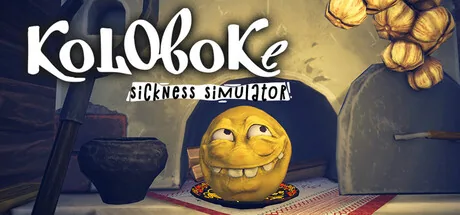
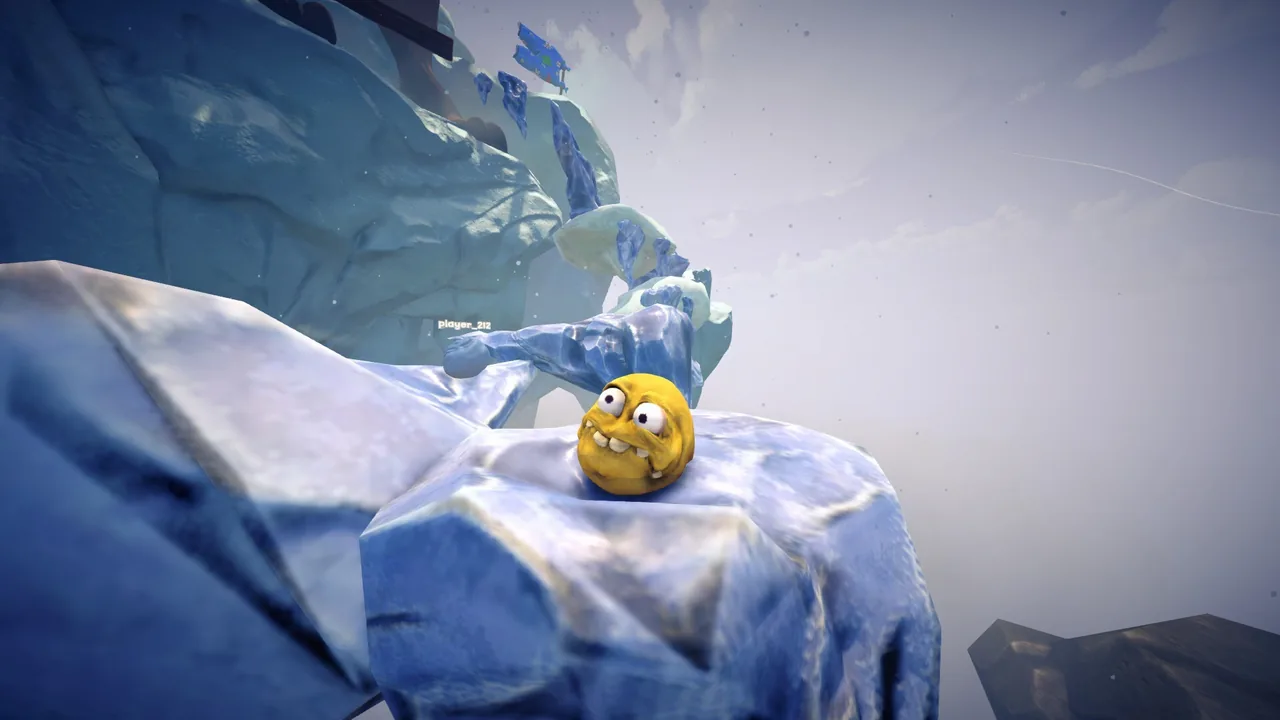
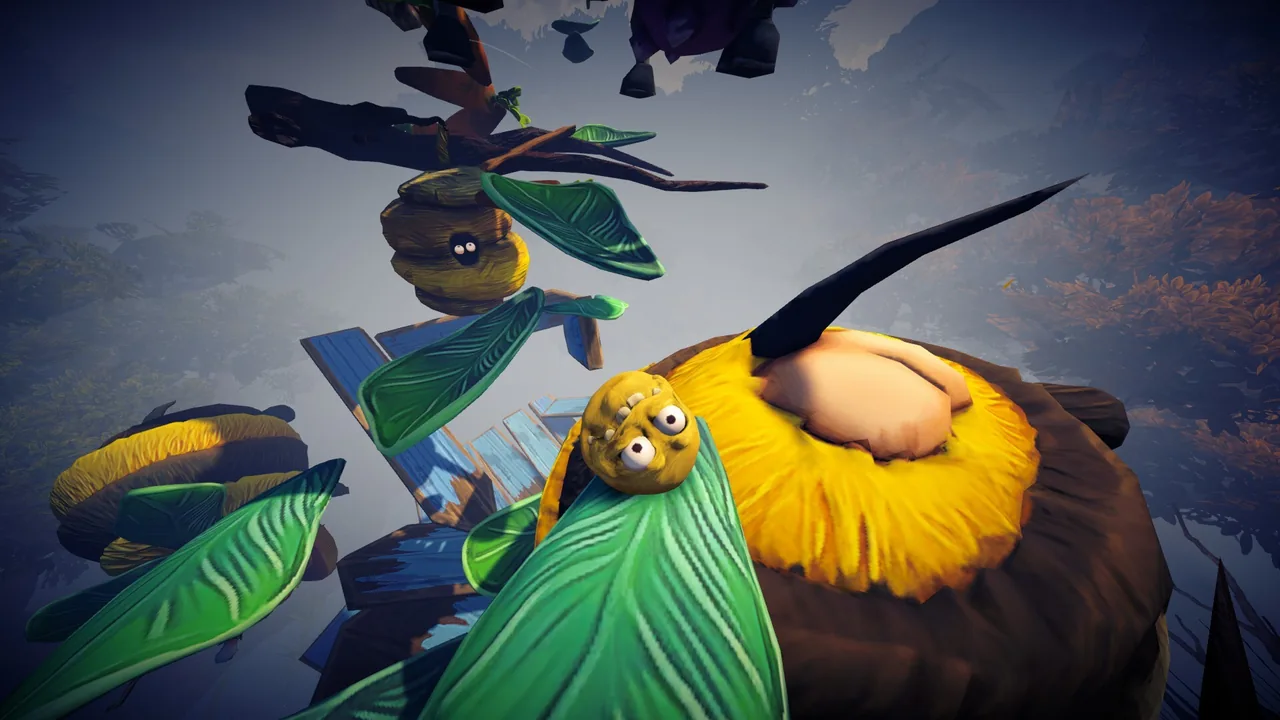
Koloboke: Sickness Simulator is a first-person rolling platformer from solo studio Megame LLC, developer of the horror escape game MATRESHKA. It reimagines the Russian folk tale of Kolobok, a rolling bread man who escapes a series of hungry animals, as a physics-driven climbing challenge in the vein of Only Up, where players roll a first-person character up increasingly precarious platforms while managing their momentum and orientation. This review draws on an English review sample, only 6 reviews at the time of research, mostly positive.
Praised for a genuinely unique core mechanic
Reviewers consistently credit how fresh the game's central idea feels. "The combination of Only Up mechanics with first-person rolling is pure madness, and I found myself laughing out loud as I tried to keep my character from falling," reads one review. A separate reviewer independently credits the same distinctiveness: "The game is unique enough and plays well, after you learn the ropes." This review treats that as fair: multiple reviewers independently crediting the specific rolling-plus-climbing combination as something they hadn't experienced before is credible evidence of a genuinely original core hook, even within a small sample. The folk-tale framing adds a further layer of distinctiveness: rather than an abstract stack of platforms, players are climbing as Kolobok himself, giving the familiar Only Up structure a specific narrative and cultural hook that several reviewers seem to recognise and appreciate even without spelling it out directly.
Praised as challenging but rewarding once learned
This review also found specific, credible praise for the game's difficulty curve from reviewers who stuck with it. "Fun and challenging game. Unique game mechanics require you be aware of your orientation which makes it very difficult to master but fun to learn," reads one review from a player who logged nearly 17 hours. Even a mostly critical reviewer, with 12 hours invested, credits the game's core route: "The main route is a very good interpretation of russian children's story! Respect for you that did that product! It was really fun." This review treats that as fair: reviewers with substantial playtime, including one otherwise critical of the game, both crediting the core climb as genuinely satisfying to master is credible evidence of solid fundamental design.
Praised for quirky charm and family-friendly appeal
This review also found brief but specific praise for the game's presentation and broader appeal. "Kids enjoyed, nice art!" reads one short review, while a separate reviewer independently credits "the quirky art style" for adding "a lot of charm" to the overall experience. This review treats that as fair: multiple reviewers, across otherwise different levels of detail, converging on the same specific praise for the game's visual charm is a credible, if modest, point in its favour.
A fair, detailed complaint about a punishing hard mode
Set against that praise, this review found a serious, detailed complaint about the game's hardest optional content. "Your ONLY UP mode is the blend of the worst mechanics I ever seen in different games! The dashes after tapping on moving buttons did ruin a hundred of tries in accommodation with the dumbest input delay, blowing that boost the character to another edge of map," reads that detailed review, which also questions whether the mode is completable without developer save files. This review treats that as fair: a reviewer who otherwise praised the game's main route, and clearly invested significant time attempting its hardest mode, identifying a specific, plausible technical complaint about input delay and a lack of checkpoints is a credible design concern worth flagging, even from a single detailed source.
Achievement data corroborates a brutally difficult hard mode
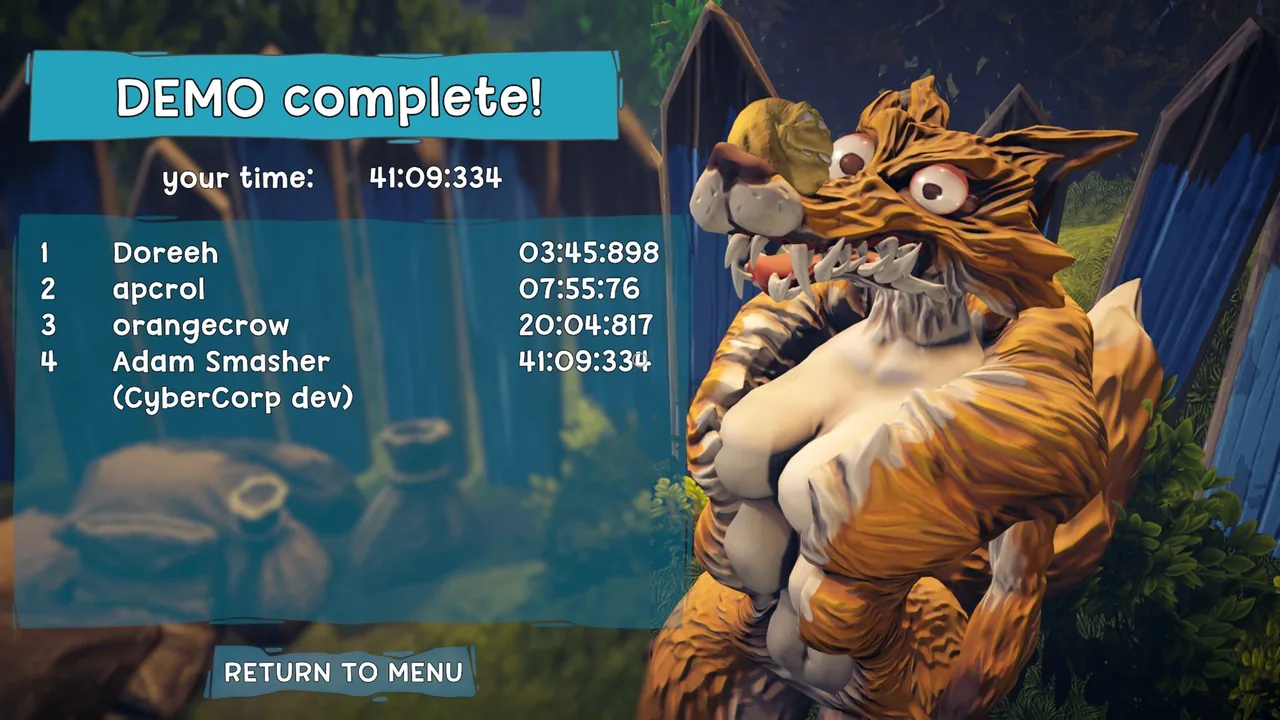
This review's own check of Steam's global achievement data, across 21 tracked milestones, shows 46.1% of players completing the base "demo" route, but the game's dedicated hard-mode climbing achievement sitting at just 0.8%, with a related hard-mode story achievement at 5.2%. That steep gradient is consistent with the detailed reviewer complaint above, suggesting the hardest optional content is disproportionately, perhaps excessively, difficult relative to the rest of the game.
A note on this review's thin sample size
This review draws on only 6 English reviews at the time of research, a notably thin sample even by the standards of smaller indie releases. The available reviews are reasonably detailed, and this review's own check of achievement data independently corroborates their central complaint about hard-mode difficulty, which lends the sample somewhat more credibility than its size alone would suggest. Even so, readers should weigh this rating with real caution given how few reviews currently exist. As with any release this early in its life, later reviews may shift the overall picture, particularly if the developer follows up on the hard-mode complaints raised above; this review will be revisited if the sample grows substantially.
Final verdict
Koloboke: Sickness Simulator is a genuinely inventive rolling-and-climbing platformer that earns credit for a distinctive core mechanic rooted in Russian folklore, and a main route that reviewers with substantial playtime describe as difficult but satisfying to master. This review found that praise tempered by a fair, detailed complaint about a punishingly difficult hard mode with harsh input delay, corroborated by this review's own achievement-data check showing almost nobody completes it. For fans of Only Up-style climbing challenges after something fresh, it's a reasonable pickup at its low price; players wanting a forgiving difficulty curve throughout, or a larger body of reviews to judge it by, should temper expectations.
Pros and cons
Pros
- Praised for a genuinely unique core mechanic, with reviewers crediting the combination of first-person rolling controls and Only Up-style vertical climbing as fresh and distinctive.
- Praised as challenging but rewarding once learned, with multiple reviewers logging over 15 hours and describing the orientation-based rolling controls as difficult to master but satisfying once they click.
- Praised for quirky charm and family-friendly appeal, with one reviewer specifically noting their kids enjoyed it and crediting its art style.
- This review's own check of achievement data shows the game's hardest climbing mode completed by less than 1% of players, corroborating reviewer accounts of a brutally difficult, sometimes frustrating hard mode.
Cons
- A fair complaint from this review's own assessment is that the sample here is thin, only 6 English reviews at the time of research, so this rating should be weighed with more caution than usual.
- A fair, detailed complaint from one reviewer is that the game's "Only Up" hard mode combines harsh input delay on its dash mechanic with a lack of in-run checkpoints, turning a difficult climb into a punishing one.
- This review's own check of achievement data shows a steep drop-off between finishing the game's main story route and clearing its hardest optional modes, consistent with that same complaint about excessive difficulty in the extended content.
- A fair observation from this review's own assessment is that, being built around a specific and demanding rolling-based control scheme, the game will have narrow appeal beyond players specifically seeking that kind of physics-driven challenge.
Screenshots
-
Koloboke: Sickness SimulatorImage: Megame LLC via Steam -
Koloboke: Sickness SimulatorImage: Megame LLC via Steam -
Koloboke: Sickness SimulatorImage: Megame LLC via Steam -
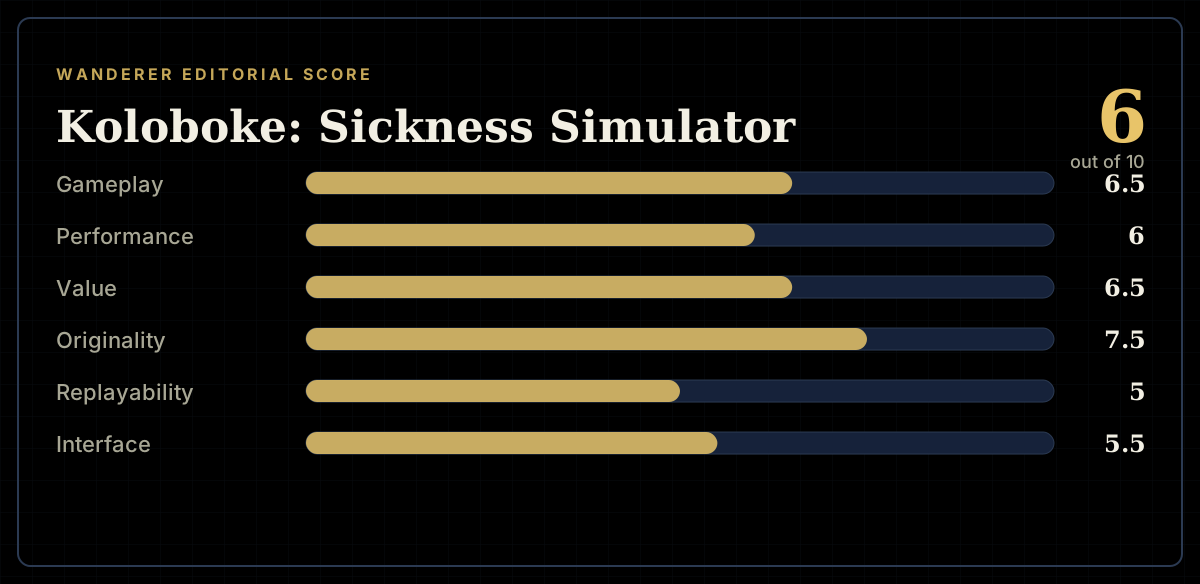
How the review scores each part of the gameWanderer Editorial -
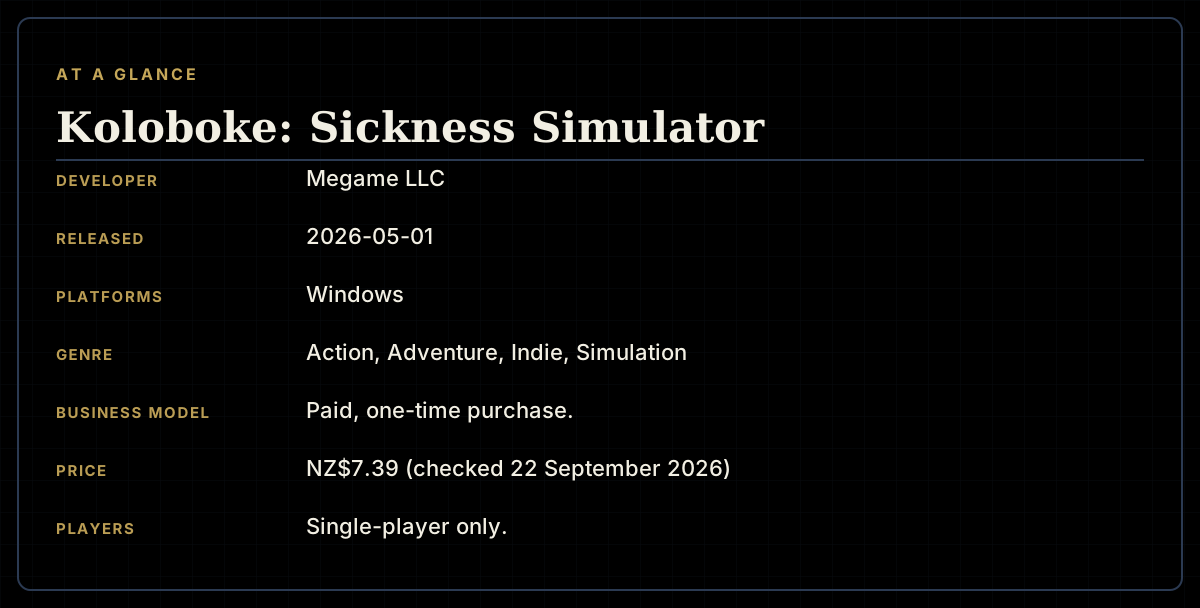
The specs at a glanceWanderer Editorial -
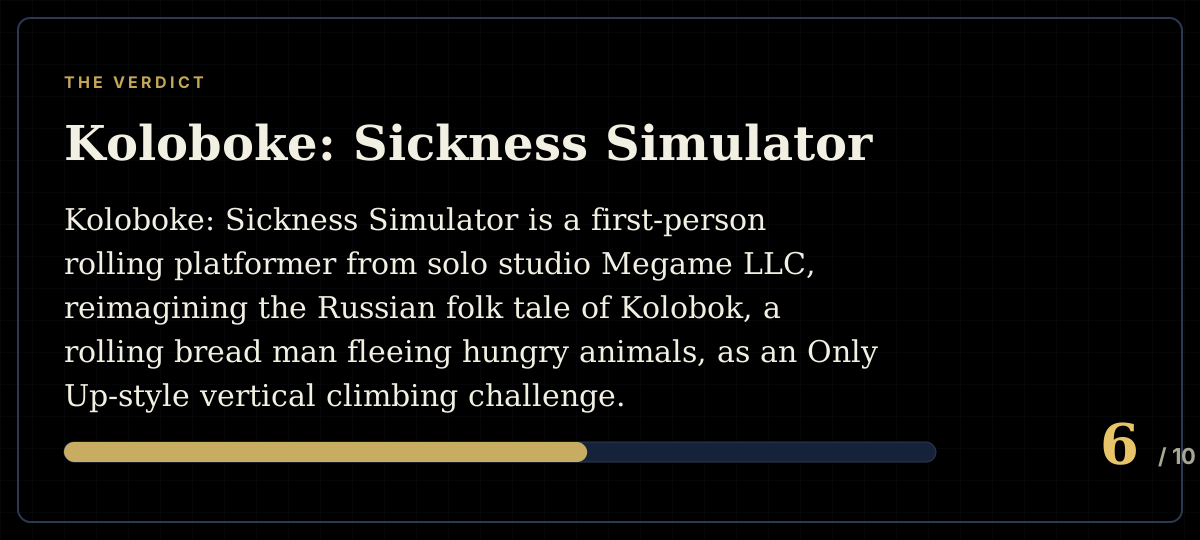
The short versionWanderer Editorial