Game review
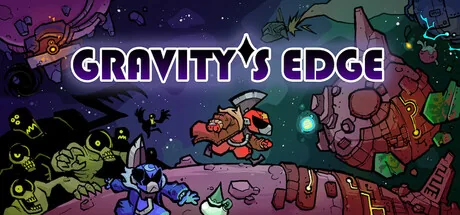
Gravity's Edge
7 / 10
- Developer
- Kassle Games LLC
- Publisher
- Kassle Games LLC
- Released
- 6 May 2026
- Platforms
- Windows
- Genre
- Action, Adventure, Indie
- Monetisation
- Paid, one-time purchase.
- Players
- Local co-op and competitive survival mode.
The short version
Gravity's Edge is a 2D planet-hopping platformer from Kassle Games LLC that sends players running, jumping, and shooting around small gravity-bound worlds steeped in Caribbean afrofuturism. Its Positive rating across a small English review sample reflects genuine, specific praise for its distinctive culture, hand-drawn art, and gravity mechanics, tempered by fair complaints about unclear early onboarding and rough control remapping.
Biggest strengths
- Praised repeatedly and specifically for its Caribbean afrofuturist setting and Jamaican dialogue, with multiple reviewers independently noting how rare that cultural grounding is in the genre.
- Praised for its distinctive gravity-hopping movement, with reviewers comparing it favourably to Super Mario Galaxy's planet-based platforming reimagined in 2D.
- Praised for offering both a story mode and a separate survival mode, with one reviewer specifically citing over 1,300 minutes of playtime driven by the survival mode's replayability.
Biggest weaknesses
- A fair, repeated complaint reports the game offers little upfront explanation of its systems, requiring players to self-discover core mechanics, which more than one reviewer frames as charming but others note adds real friction.
- A fair complaint reports keyboard controls could use improvement, with one reviewer specifically noting they lacked a controller and found the default keyboard setup lacking.
- A fair complaint reports Steam Deck controls feel imprecise with no current way to remap them, a real handheld-compatibility gap for a game well suited to portable, pick-up-and-play sessions.
Who it's for: Fans of exploration-driven 2D platformers looking for something with a genuinely distinctive cultural identity and physics-driven movement; players wanting clear tutorialisation or full control remapping out of the box should temper expectations.
Our recommendation: A distinctive, culturally grounded gravity platformer with real charm, let down slightly by unclear onboarding and limited control customisation.
7 / 10
Small worlds, real gravity, big Jamaican flair
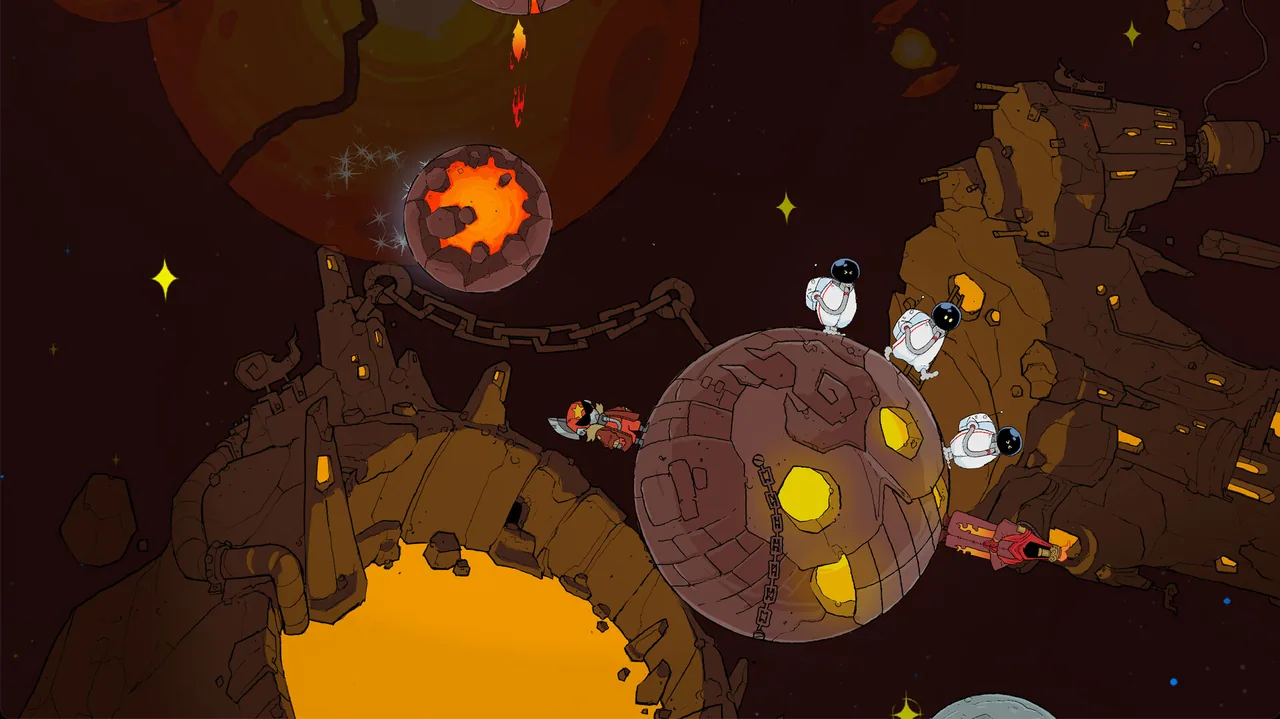
Gravity's Edge sends players running and jumping across tiny gravity-bound planets, shooting off one world's surface and landing on the next as they explore, battle aliens, and uncover secrets across a setting steeped in Caribbean culture. This review found that setting praised as the game's standout distinguishing feature. "There are NOT nearly enough caribbean afrofuturism games out there so it's cool to see someone finally break the mold. I love the art style and music," reads one review. Another reviewer goes further, describing the game's cultural significance directly: "I immediately became interested when I saw that the game would be a chance for me to learn about a new culture... this kind of work is more important now than ever." This review treats that praise as fair and substantial: a platformer that reviewers independently credit for genuine cultural representation, not as a surface-level aesthetic choice but as a meaningful part of its identity, is a real and distinctive strength.
Praised for gravity-driven platforming with real depth
This review also found reviewers repeatedly praising the specific feel of the game's core movement mechanic. "I really enjoy the gravity mechanic here. Reminds me of something like a 2D Mario Galaxy type of movement. Kinda alters how you think about moving around in it," reads one review. A separate, more detailed reviewer credits real mechanical depth beneath that concept: "Swapping between guns based on enemy trajectory and while warding off meteor showers adds a distinct level of gameplay depth. Dodging projectiles and revolving hazards provides a unique platforming experience." This review treats both as fair: reimagining Mario Galaxy-style planetoid platforming in 2D, and layering trajectory-based combat on top of it, is a genuinely distinctive mechanical hook that reviewers consistently credit as working.
Praised for hand-drawn art and a two-mode structure
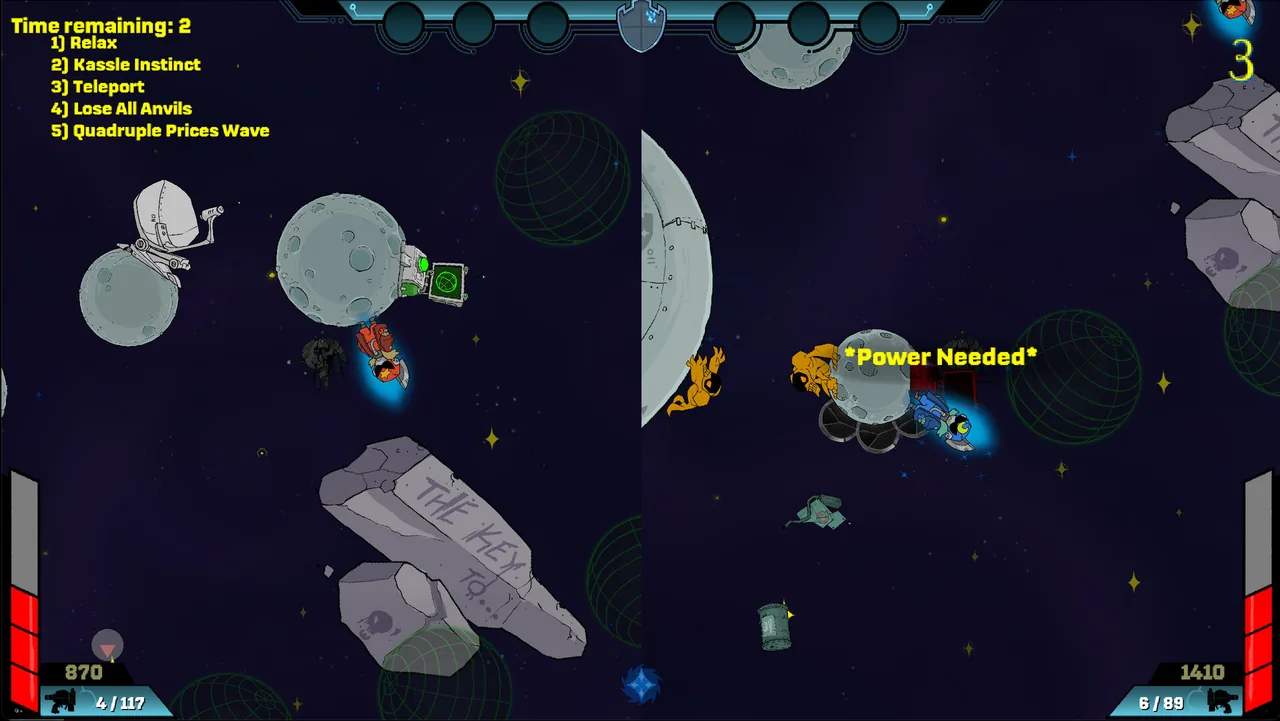
This review also found fair praise for the game's presentation and its separate story and survival modes. "The planetary platforming feels super emergent and exciting in this 2D form. Between the survival mode and the story mode this game has hours of entertainment both solo and in couch co-op," reads one detailed review, which also praises "ambient space vibes and sick guitar riffs in combat." A separate reviewer with well over 1,300 minutes of playtime specifically credits the survival mode's staying power: "The multiplayer is really addictive! It really evokes a classic survival feel and can barely make it past wave 12." This review treats both as fair: a small indie platformer offering a genuinely separate, replayable survival mode alongside its story campaign, backed by a reviewer's own extended playtime, is meaningful structural value beyond a single linear campaign.
A fair complaint about unclear onboarding
Set against that praise, this review found a fair, repeated complaint about how little the game explains its systems upfront. "You have to figure a lot of stuff out on your own, but honestly that adds to the charm," reads one review, framing the lack of guidance positively. A separate, more critical account frames the same trait as real friction: "The gameplay takes a bit of deciphering. I did eventually figure out what was going on." This review treats that tension as fair to report plainly: reviewers are genuinely split on whether minimal onboarding is a charming design choice or a real barrier to entry, and that split is itself useful information for prospective buyers weighing how much hand-holding they want from a platformer.
Fair complaints about control customisation
This review also found fair, specific complaints about input options. "I don't have a controller so I was using the keyboard controls and they could definitely be improved at a base," reads one review. A separate reviewer raises a related concern specific to handheld play: "The Steam Deck controls feel a bit weird, I wish I could remap things, but that's something that can come at some point down the line." This review treats both as fair: specific, concrete complaints about keyboard defaults and a lack of control remapping, particularly for a genre and pace that suits Steam Deck play well, are legitimate accessibility gaps independent of the core game's quality.
Praised for evoking a beloved indie lineage
This review also found reviewers repeatedly reaching for the same set of comparisons to place Gravity's Edge within a lineage of beloved indie games. "This game looks a lot like Alien Hominid. Super cool," reads one review, while a separate reviewer frames the comparison more broadly: "In what visually feels like a homage to alien hominid and other awesome games from the newgrounds era, Gravity's Edge utilizes Mario Galaxy style platforming, in 2D, along with shooting to create a cool world." A third reviewer independently invokes an earlier indie touchstone before even playing, based on the trailer alone. This review treats those comparisons as fair and meaningful: reviewers across the sample converging on the same handful of well-regarded reference points, unprompted, is a credible sign that the game successfully channels a specific, beloved strain of scrappy, mechanically inventive indie platforming rather than borrowing its look without the substance.
Achievement data suggests exploration over completion
This review's own check of Steam's global achievement data shows story-completion milestones sitting at just 0-1% across all three of the game's different story endings, with even the more common survival-mode achievements maxing out around 2-4%. That pattern is consistent with reviewer accounts of a game most people are drawn to for its exploration, atmosphere, and survival-mode replayability rather than for a tightly-paced story campaign pursued to completion, and several reviewers in this sample explicitly note they hadn't finished the story themselves despite recommending the game.
Final verdict
Gravity's Edge is a distinctive, culturally grounded gravity platformer that earns real, specific praise for bringing genuine Caribbean afrofuturist identity to a genre that rarely features it, backed by a genuinely satisfying planet-hopping movement system and a worthwhile separate survival mode. This review found its Positive rating fair and well-supported, balanced against legitimate complaints about unclear onboarding and limited control customisation, particularly on Steam Deck. For players drawn to distinctive settings and physics-driven platforming willing to work a little for their bearings, it's a worthwhile pickup; players wanting thorough tutorialisation and full remapping out of the box should weigh those gaps first.
Pros and cons
Pros
- Praised repeatedly and specifically for its Caribbean afrofuturist setting and Jamaican dialogue, with multiple reviewers independently noting how rare that cultural grounding is in the genre.
- Praised for its distinctive gravity-hopping movement, with reviewers comparing it favourably to Super Mario Galaxy's planet-based platforming reimagined in 2D.
- Praised for offering both a story mode and a separate survival mode, with one reviewer specifically citing over 1,300 minutes of playtime driven by the survival mode's replayability.
- Praised for its hand-drawn art and soundtrack, with reviewers specifically highlighting a mix of ambient space music and guitar riffs during combat.
Cons
- A fair, repeated complaint reports the game offers little upfront explanation of its systems, requiring players to self-discover core mechanics, which more than one reviewer frames as charming but others note adds real friction.
- A fair complaint reports keyboard controls could use improvement, with one reviewer specifically noting they lacked a controller and found the default keyboard setup lacking.
- A fair complaint reports Steam Deck controls feel imprecise with no current way to remap them, a real handheld-compatibility gap for a game well suited to portable, pick-up-and-play sessions.
- This review's own check of achievement data shows story-completion milestones sitting at just 0-1%, suggesting most buyers are drawn in by exploration and survival mode rather than finishing the campaign.
Screenshots
-
Gravity's EdgeImage: Kassle Games LLC via Steam -
Gravity's EdgeImage: Kassle Games LLC via Steam -
Gravity's EdgeImage: Kassle Games LLC via Steam -
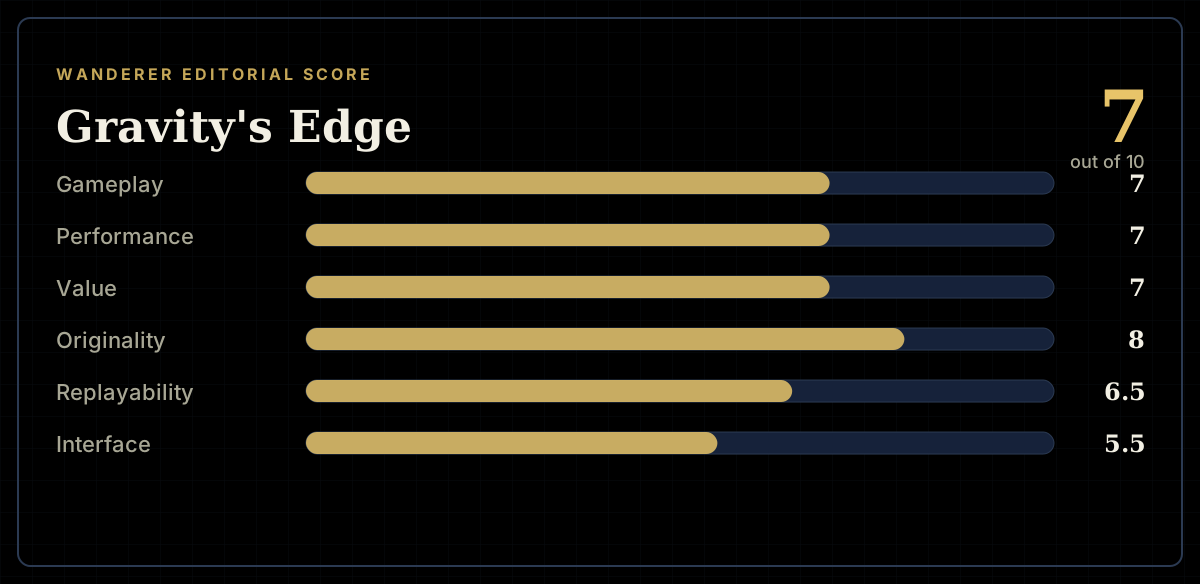
How the review scores each part of the gameWanderer Editorial -
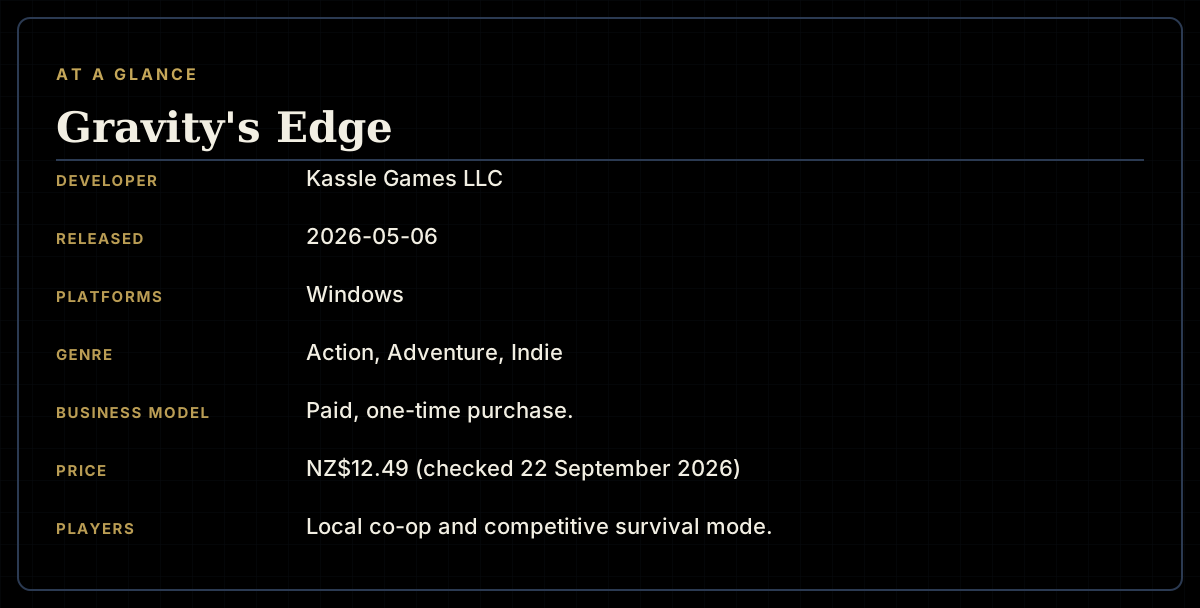
The specs at a glanceWanderer Editorial -
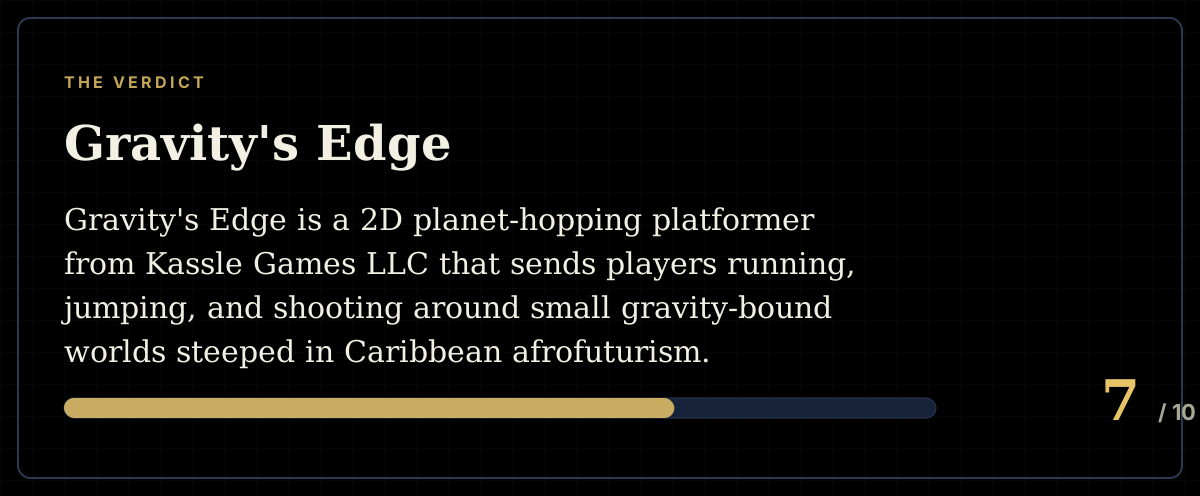
The short versionWanderer Editorial