
Game review
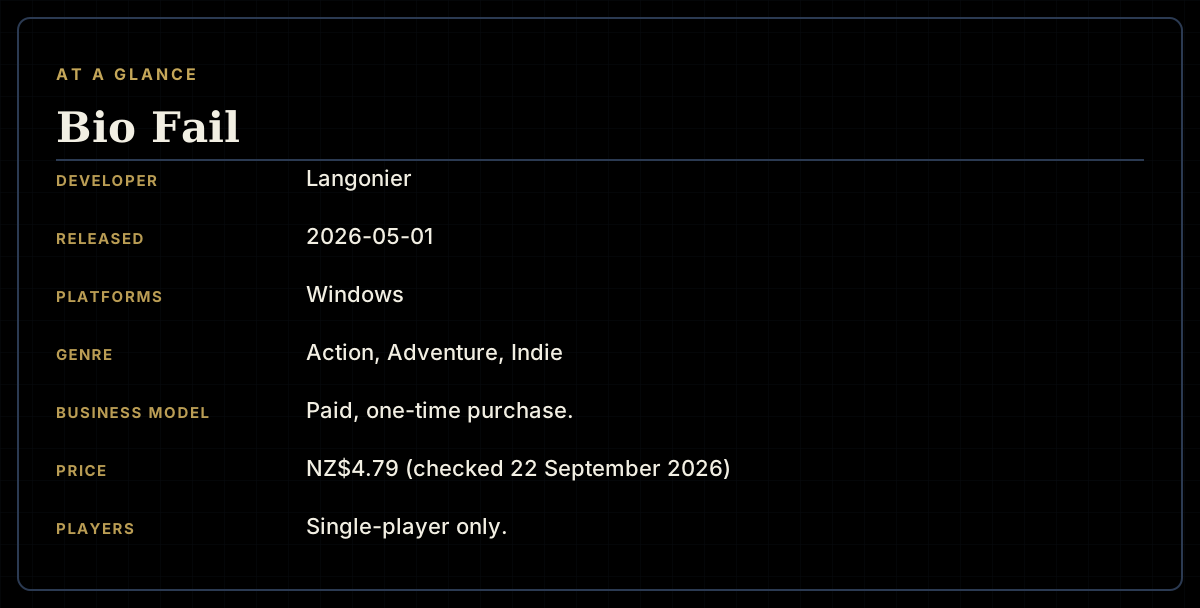
Bio Fail
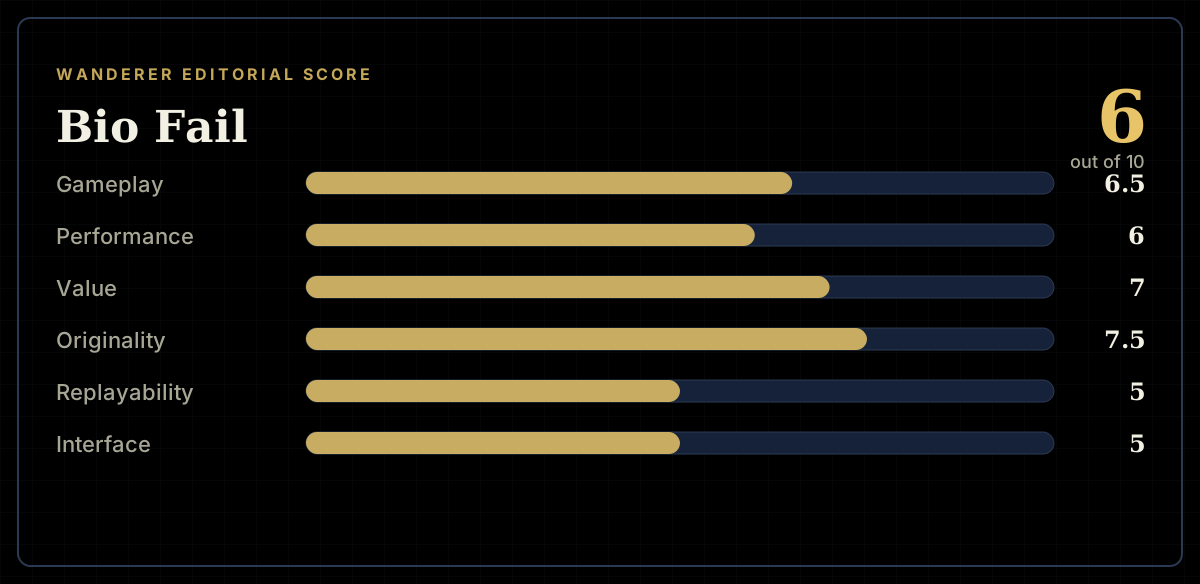
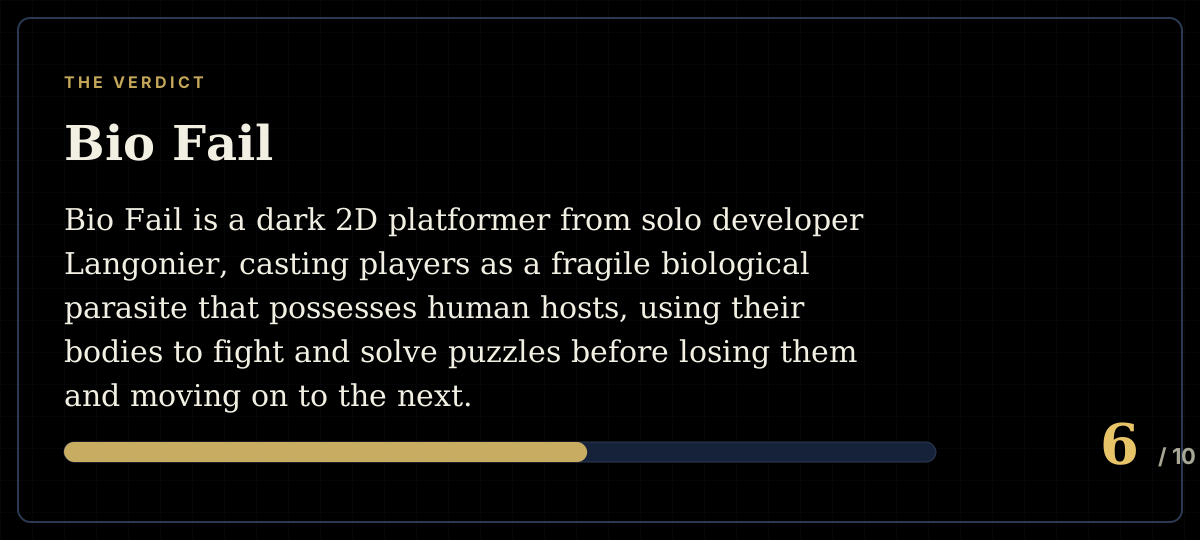
6 / 10
- Developer
- Langonier
- Publisher
- Langonier
- Released
- 1 May 2026
- Platforms
- Windows
- Genre
- Action, Adventure, Indie
- Monetisation
- Paid, one-time purchase.
- Players
- Single-player only.
The short version
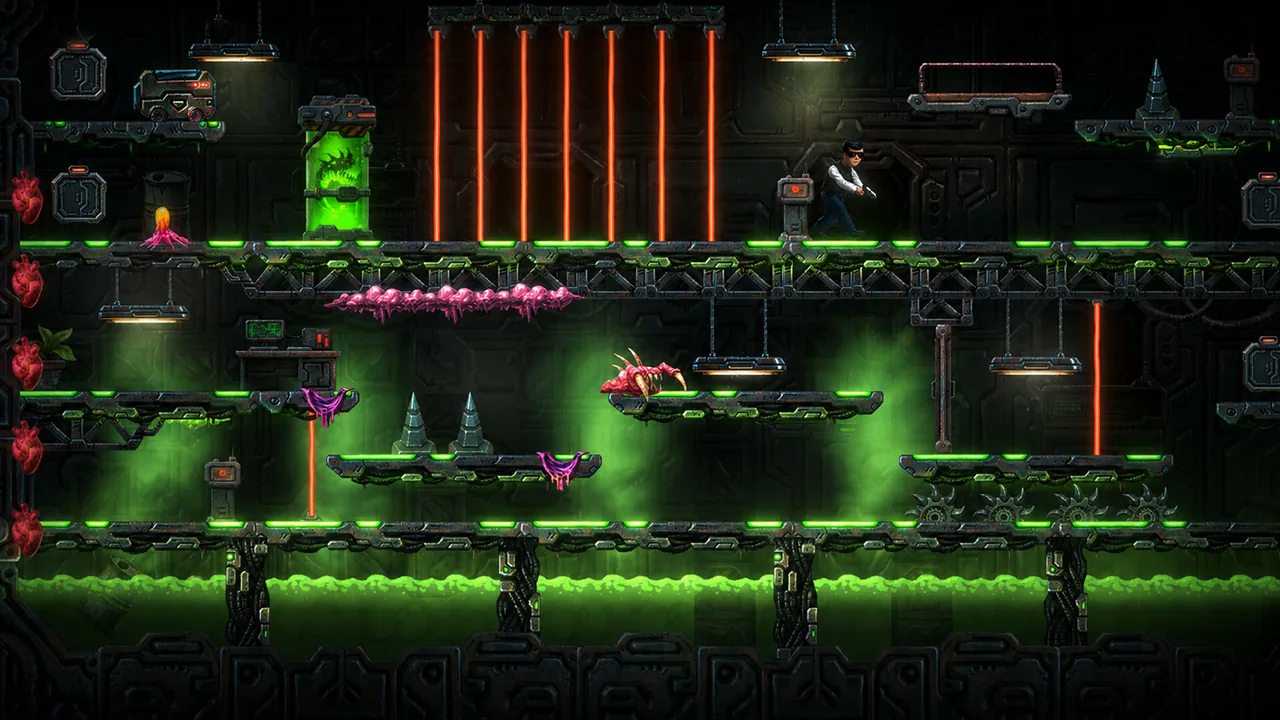
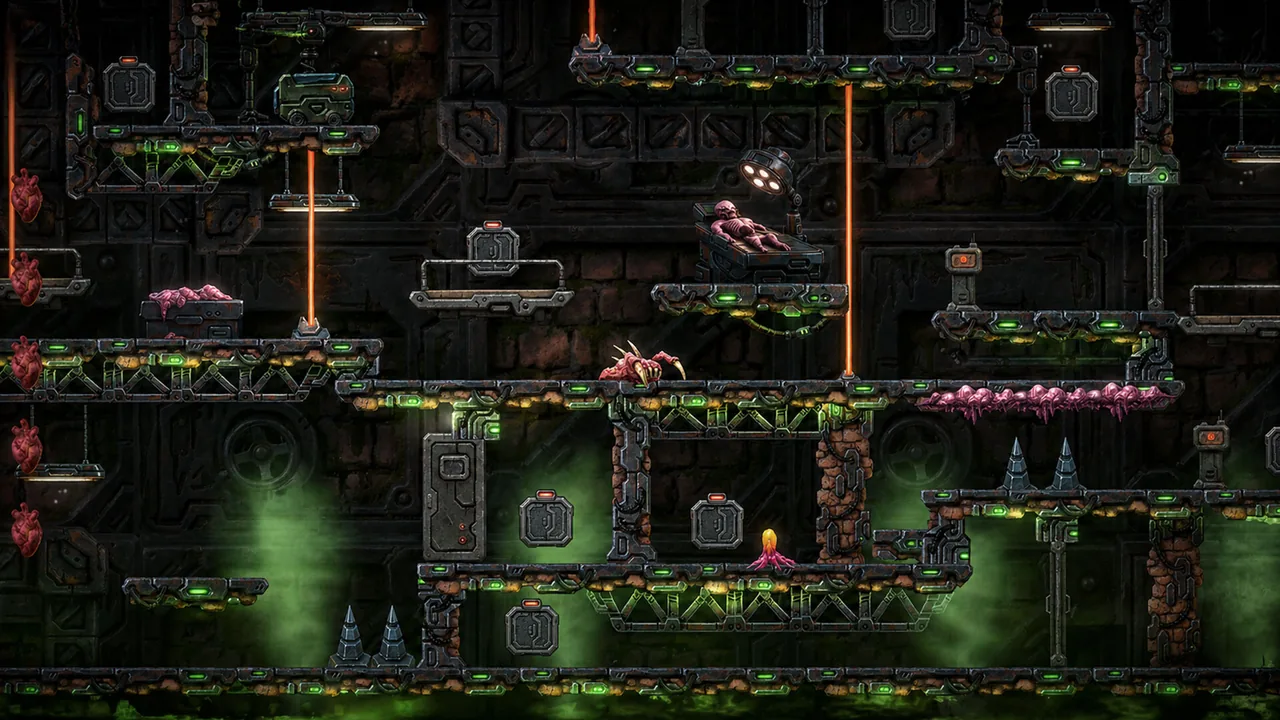
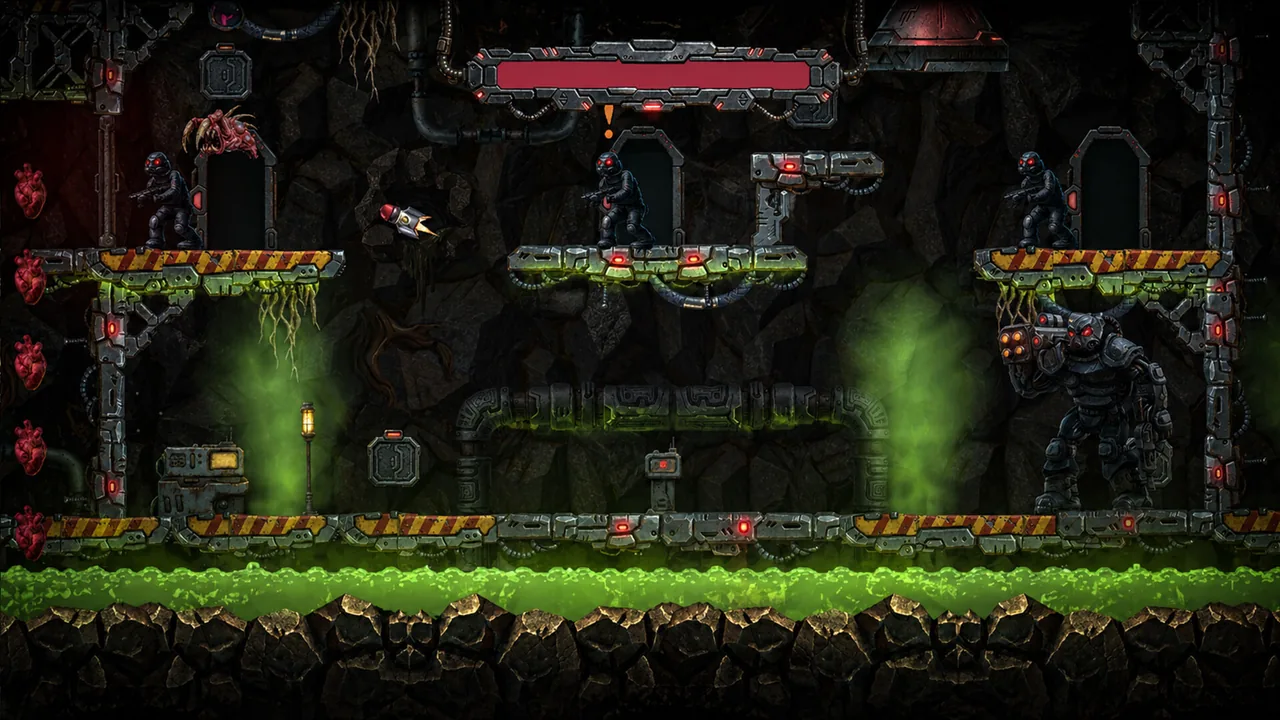
Bio Fail is a dark 2D platformer from solo developer Langonier, casting players as a fragile biological parasite that possesses human hosts, using their bodies to fight and solve puzzles before losing them and moving on to the next. Its small, uniformly positive English review sample praises a genuinely novel body-swapping mechanic and oppressive sci-fi horror atmosphere, tempered by a real, if minor, complaint about jank in its controls.
Biggest strengths
- Praised for a genuinely novel core mechanic, with multiple reviewers crediting the parasite-and-host body-swapping idea as unique and something that actively changes how each level is approached.
- Praised for an oppressive, atmospheric sci-fi horror presentation, with reviewers specifically crediting sound design, including footsteps, whispers, and screams, for reinforcing a sense of hopelessness and tension.
- Praised for a difficulty curve that escalates fairly, with one detailed reviewer noting enemies start easy and grow progressively tougher as levels progress.
Biggest weaknesses
- A fair complaint from one detailed reviewer is that the controls can feel like they're fighting the player, describing the experience as "glitchy" and "frustrating" even while still finding it addictive.
- A fair observation from one reviewer is that, despite its nostalgic Sega-era action-platformer vibe, the game "lacks the raw thrill of classics like Sonic" it's clearly drawing inspiration from.
- This review's own assessment notes that several reviews in the sample closely mirror the game's own store-page description almost verbatim, suggesting a promotional or curator-driven skew that readers should weigh when judging how organic the positive consensus really is.
Who it's for: Fans of dark, atmospheric 2D platformers who want a genuinely novel core mechanic at a very low price, and who can tolerate some rough edges in the controls; players wanting a large, diverse review base to judge by, or precision platforming throughout, should temper expectations.
Our recommendation: A cheap, genuinely inventive body-swapping platformer with real atmosphere, let down by some rough control jank and a thin, uncritical review sample.
6 / 10
One body, one chance, and a monster with nowhere else to go
Bio Fail is a dark 2D platformer from solo developer Langonier, casting players as a fragile biological anomaly, a parasite capable of possessing human hosts. Rather than fighting as an unstoppable monster, players must inhabit scientists, soldiers, and other victims, using each host's specific abilities to fight through levels and solve puzzles before that body is inevitably lost and another must be found. This review draws on an English review sample, 29 reviews at the time of research, entirely positive.
Praised for a genuinely novel core mechanic
Reviewers consistently credit how much the possession mechanic changes the feel of a familiar genre. "The unique mechanic is that the player does not have his own form. The main gameplay is based on inhabiting people's bodies, using them as 'consumables' to overcome obstacles, solve puzzles and battles," reads one review. A separate reviewer independently credits the same distinctiveness: "Bio Fail surprised me with its body switching idea. Playing as a parasite feels pretty unique and changing bodies actually affects the gameplay and makes things more interesting." This review treats that as fair: multiple reviewers independently crediting the same specific mechanic, and specifically noting that it changes strategy rather than just re-skinning familiar platforming, is credible evidence of a genuinely original hook.
Praised for an oppressive, atmospheric sci-fi horror presentation
This review also found specific, credible praise for the game's mood and sound design. "The graphics are atmospheric and perfectly convey the feeling of hopelessness and tension, and the sound design enhances the feeling of anxiety: the sounds of steps, whispers and screams create the effect of presence, making us hold our breath," reads one detailed review. A separate reviewer independently credits the same qualities: "An atmospheric sci-fi horror game with oppressive tension, great mutant design, and solid sound." This review treats that as fair: two detailed reviewers converging on the same specific atmospheric strengths, particularly its sound design, is credible evidence of deliberate, effective mood-building.
Praised for a fair, escalating difficulty curve
This review also found specific praise for how the game paces its challenge. "At the beginning, the enemies are easy, but the more you progress, the more difficult they become," reads one review from a player with over 12 hours invested. A separate reviewer frames the same escalation from the player character's perspective: "you won't be an unstoppable death machine devouring everyone in your path. On the contrary, heavily armed humans and robots will quickly make short work of you. You'll need to use your wits and speed to outmaneuver them." This review treats that as fair: reviewers independently describing a fair, gradually escalating challenge, consistent with the game's premise of vulnerability rather than power, is a genuine point in its favour.
A fair complaint about jank in the controls
Set against that praise, this review found a specific, honest complaint even from a reviewer who otherwise enjoyed the game. "Controls fight you, but that's the point. Glitchy, frustrating, and weirdly addictive. Died a hundred times. Zero regrets," reads that review. This review treats that as fair: a reviewer explicitly describing the controls as glitchy and frustrating, even while framing it as part of the appeal, is a credible signal that the game carries real rough edges, particularly for players less tolerant of that kind of friction than this specific reviewer.
A fair observation about falling short of its genre inspirations
This review also found a more measured, comparative complaint from one reviewer. "It has a nostalgic Sega-era action-platformer vibe, but lacks the raw thrill of classics like Sonic. A fun, creepy experience for genre fans," reads that review. This review treats that as fair: a reviewer who clearly enjoyed the game still specifically naming the gap between its ambitions and the genre classics it evokes is a reasonable, tempered point for prospective buyers to weigh, rather than a rejection of the game on its own terms.
Achievement data corroborates a fair, gradual difficulty curve
This review's own check of Steam's global achievement data, across ten tracked milestones, shows 74.5% of players earning the game's first achievement, falling gradually through the middle of the list, down to 9.3% for its hardest tracked milestone. That steady, gradual decline, rather than a steep early wall, is consistent with reviewer accounts of a fair difficulty curve that ramps up progressively rather than punishing players immediately.
A note on this review's small, uniformly positive sample
This review draws on only 29 English reviews at the time of research, and every single one is positive. Readers should weigh that carefully: a handful of these reviews closely echo the game's own store-page description almost word for word, which raises the possibility that some of the sample leans promotional or curator-driven rather than fully organic player feedback. The specific, detailed complaints that do surface here, about control jank and falling short of its genre inspirations, are treated as credible precisely because they come from reviewers who otherwise recommend the game and go beyond boilerplate praise, but the overall uniformly positive consensus should be read with real caution given the sample's size and apparent skew.
Final verdict
Bio Fail is a cheap, genuinely inventive dark platformer that earns real credit for a body-possession mechanic that meaningfully changes how each level is approached, backed by strong atmospheric sound design and a fair, escalating difficulty curve. This review found that praise tempered by a fair complaint about jank, occasionally frustrating controls, a reasonable comparison noting it falls short of the genre classics it evokes, and a small review sample that skews uniformly positive in ways that deserve some scepticism. For fans of dark, atmospheric platformers looking for a genuinely novel hook at a very low price, it's a worthwhile pickup; players wanting a large, diverse review base to judge by, or tight, frustration-free controls throughout, should temper expectations.
Pros and cons
Pros
- Praised for a genuinely novel core mechanic, with multiple reviewers crediting the parasite-and-host body-swapping idea as unique and something that actively changes how each level is approached.
- Praised for an oppressive, atmospheric sci-fi horror presentation, with reviewers specifically crediting sound design, including footsteps, whispers, and screams, for reinforcing a sense of hopelessness and tension.
- Praised for a difficulty curve that escalates fairly, with one detailed reviewer noting enemies start easy and grow progressively tougher as levels progress.
- This review's own check of achievement data shows a gradual, steady drop-off across its ten tracked milestones, consistent with reviewer accounts of a fair, escalating challenge rather than an early difficulty wall.
Cons
- A fair complaint from one detailed reviewer is that the controls can feel like they're fighting the player, describing the experience as "glitchy" and "frustrating" even while still finding it addictive.
- A fair observation from one reviewer is that, despite its nostalgic Sega-era action-platformer vibe, the game "lacks the raw thrill of classics like Sonic" it's clearly drawing inspiration from.
- This review's own assessment notes that several reviews in the sample closely mirror the game's own store-page description almost verbatim, suggesting a promotional or curator-driven skew that readers should weigh when judging how organic the positive consensus really is.
- This review's own assessment also notes the sample here, 29 English reviews, all positive, is both fairly thin and entirely uncritical, so this rating should be read with a degree of caution.
Screenshots
-
Bio FailImage: Langonier via Steam -
Bio FailImage: Langonier via Steam -
Bio FailImage: Langonier via Steam -
How the review scores each part of the gameWanderer Editorial -
The specs at a glanceWanderer Editorial -
The short versionWanderer Editorial