
Game review
ICARUS
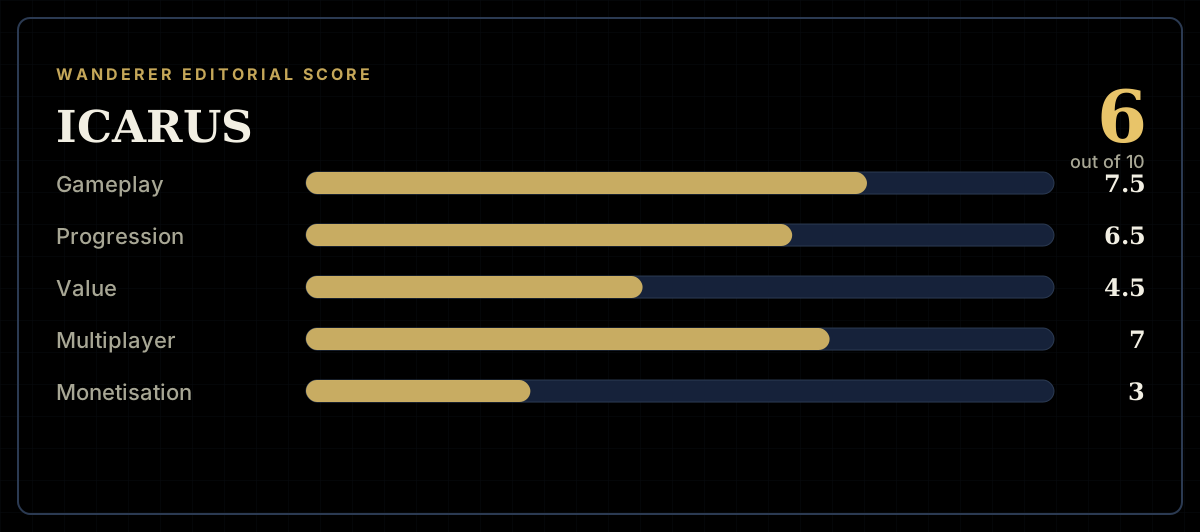
6 / 10
- Developer
- RocketWerkz
- Publisher
- RocketWerkz
- Released
- 3 December 2021
- Platforms
- Windows
- Genre
- Survival
- Monetisation
- Premium base purchase, plus eighteen separate paid DLC packs (expansions, content packs and outposts) that together list at roughly six and a half times the base game's price — no in-game purchases beyond these one-off DLC packs
- Players
- Single-player or online co-op, up to eight players
The short version
Icarus, from DayZ creator Dean Hall's studio RocketWerkz, has a genuinely strong survival foundation underneath everything else: mission-based drops onto a hostile terraformed planet, deep tech and talent trees, real taming and farming systems, and a PvE world tuned to wear you down through preparation rather than ambush. Reviewers who focus purely on that core loop routinely call it decent to excellent.
What dominates the game's review history instead is its DLC structure — eighteen separate paid packs that, added up, cost several times more than the base game, covering expansions, furniture, outposts and companion content that a large and consistent share of reviewers argue should have shipped as part of the base experience. That complaint isn't a fringe reaction; it's the single most common theme running through Icarus's negative reviews since well before this review was written.
Biggest strengths
- Mission-based drops paired with a persistent open-world mode give structure to a genre that's often just an open sandbox with no throughline
- Deep taming, farming and three separate tech trees (planetary, talents, orbital workshop) give real long-term systems to specialise into
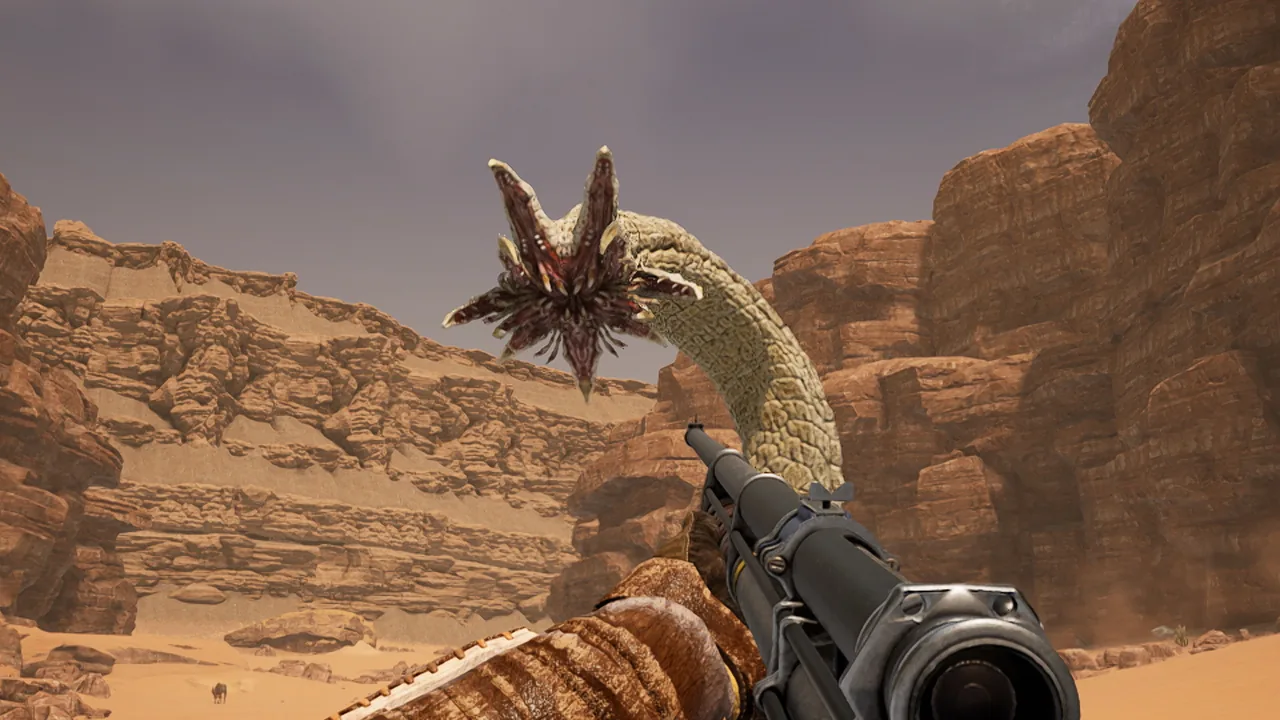
- A genuinely hostile, well-designed PvE world that rewards preparation rather than relying on cheap ambushes for tension
Biggest weaknesses
- Eighteen separate paid DLC packs add up to roughly six and a half times the base game's own price, and a large, consistent share of reviewers argue core content was carved out of the base game specifically to sell back piecemeal
- Bug reports, especially performance and lag issues after updates, are frequently paired with complaints that new paid content ships faster than fixes to existing problems
- The base game alone is reported by several reviewers as thin — encountering most of what it offers within the first several hours, before any DLC is factored in
Who it's for: Survival and crafting fans specifically drawn to session-based, mission-structured co-op with real taming and tech-tree depth — and only those prepared to budget carefully for DLC or accept the base game alone as the full extent of their purchase.
Our recommendation: The base game alone is a reasonable buy for the core loop if you go in expecting exactly that — a solid survival sandbox, not the full experience its marketing and trailers sometimes imply. Do the DLC math before buying anything beyond the base game; "completing" the Icarus catalogue costs several times the base price, and that's the fact most likely to change your mind either way.
6 / 10
Icarus comes from a pedigree Wanderer's readers will recognise: RocketWerkz is led by Dean Hall, the creator of the original DayZ mod, and Icarus applies a similar obsession with hostile, unforgiving environments to a session-based, sci-fi survival structure instead of an open persistent world. The planet itself — a terraformed Earth-like world now considered "humanity's greatest mistake" — is genuinely well realised, and the game built around surviving it has real mechanical depth. The reason this review can't simply recommend it outright is that Icarus's own players have spent years making a very specific, very consistent argument about what buying in actually costs.
A structure the genre needed
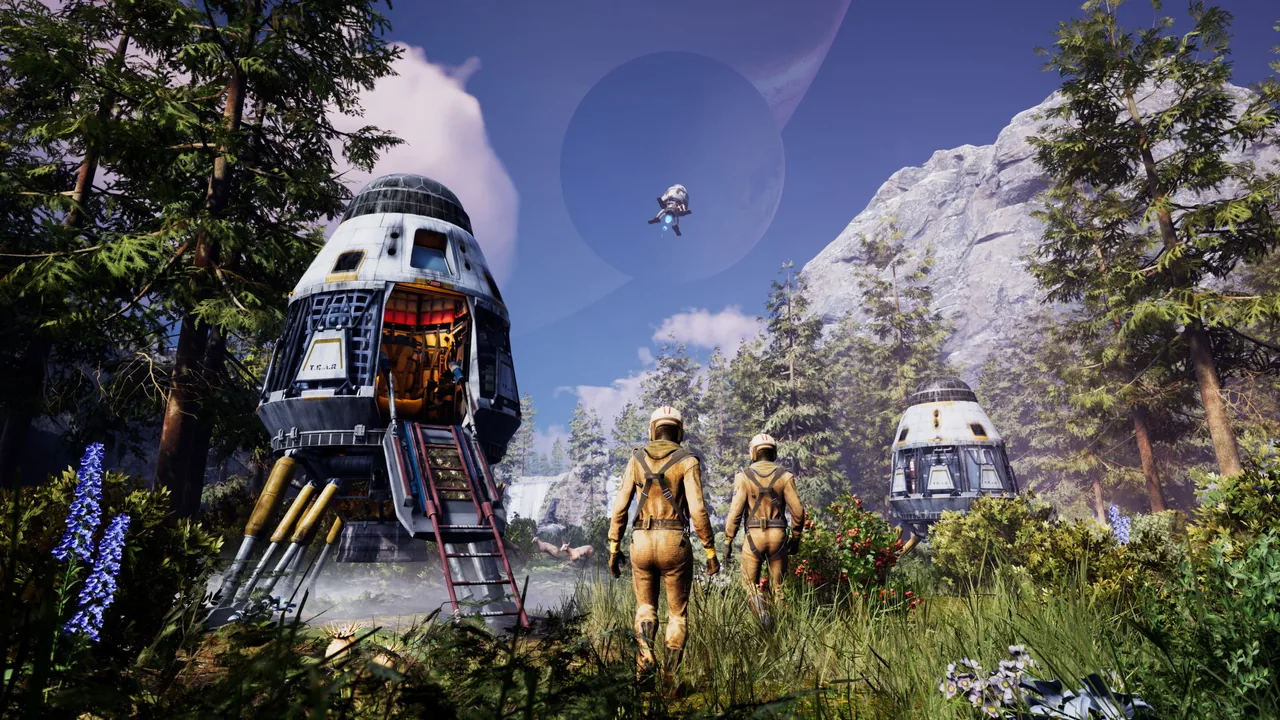
Where most survival sandboxes drop you into an open world and leave you to invent your own goals, Icarus gives you a throughline: drop from an orbital station onto the planet surface for mission-based sessions, or settle into a persistent Open World mode for longer-term play, with narrative content delivered either as "Operations" in the open world or episodic "Missions." That structure — knowing why you're on the ground and what you're working toward each session — is a genuine point of difference from the genre's usual "survive indefinitely for its own sake" default, and it's consistently the thing reviewers praise when they're praising the game at all.
Depth to actually specialise into
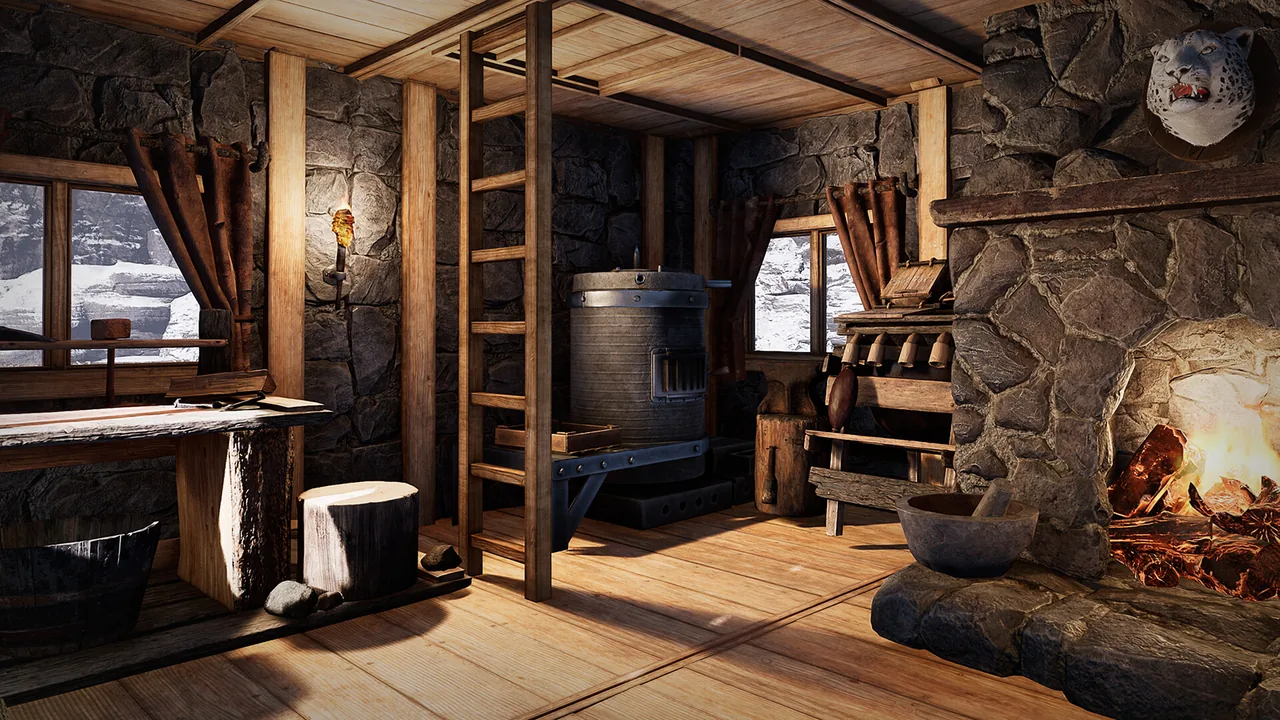
Three separate progression systems back that structure up: planetary tech unlocked through crafting tiers from hand-tools to advanced composites, over a hundred player talents across exploring, building, farming, hunting and taming, and an orbital workshop where exotic matter buys advanced gear between drops. Taming goes further than most competitors bother with too — breeding animals for favourable traits and training companions through their own talent trees is a real system, not a cosmetic afterthought. None of this is in serious dispute among reviewers; where opinions split is almost entirely about what you have to pay to keep using it.
The complaint that dominates everything else
Icarus currently carries eighteen separate paid DLC packages — expansions, content packs, themed furniture sets and small outposts — that together list for roughly NZ$327, against a NZ$49.99 base game. That's not this review estimating a vague "it adds up" impression; it's the literal sum of the storefront's own listed prices, and it's a figure a large and consistent share of Icarus's own reviewers have been making almost exactly the same argument about for years: content that shipped or was promised during Early Access, they say, was carved back out and sold separately once the game reached its full release. Several describe it plainly as a bait-and-switch on backers who paid for that content once already; others frame it more simply as expansions that should have been patches. Either way, this is the single most repeated theme in Icarus's negative reviews, dwarfing complaints about bugs, balance or difficulty in both frequency and vote count.
The base game, judged on its own
Setting the DLC argument aside for a moment, several reviewers make a related but distinct point: the base game by itself is thinner than its trailers suggest, with some describing encountering most of what it has to offer within the first several hours of a first session. That's a fair thing to know before buying — Icarus's marketing leans on systems and content that, in practice, sit behind a purchase decision well beyond the initial NZ$49.99, and judging the base game in isolation is a meaningfully different exercise from judging "Icarus with everything attached."
Recovering, but not resolved
It's worth noting that recent sentiment runs ahead of the lifetime figure — 89 of the last 100 English reviews are positive, against a 74.5% lifetime score — suggesting the DLC controversy was more acute in earlier waves of reviews than it is right now, whether through pricing adjustments, better communication, or simply a playerbase that's settled into knowing what they're buying. That's a real improvement worth crediting. It doesn't undo the arithmetic, though: the full catalogue still costs several times the base game, and that fact isn't going anywhere regardless of how any individual review reads today.
Final verdict
Icarus is a well-designed, mechanically deep survival game let down badly by its own business model. The mission structure, the three-tier progression and the taming systems are genuinely good ideas, executed competently enough that reviewers focused purely on gameplay routinely recommend it. But eighteen paid DLC packs adding up to roughly six and a half times the base price is the fact most likely to determine whether a given player feels well served or badly used, and it's the argument this game's own community has been making, loudly and consistently, for years. Buy the base game for what it is on its own terms, do the DLC math carefully before going further, and treat any glowing review of "the full Icarus experience" as a review of a much more expensive product than the one on the store page's headline price.
Price and DLC data checked 5 August 2026.
If you'd rather your progression came with one price and no ongoing arithmetic, Wanderer keeps its entire persistent world free to play.
Pros and cons
Pros
- Mission-based drops paired with a persistent open-world mode give structure to a genre that's often just an open sandbox with no throughline
- Deep taming, farming and three separate tech trees (planetary, talents, orbital workshop) give real long-term systems to specialise into
- A genuinely hostile, well-designed PvE world that rewards preparation rather than relying on cheap ambushes for tension
- Co-op for up to eight players, with dedicated servers free to run for open-world sessions
Cons
- Eighteen separate paid DLC packs add up to roughly six and a half times the base game's own price, and a large, consistent share of reviewers argue core content was carved out of the base game specifically to sell back piecemeal
- Bug reports, especially performance and lag issues after updates, are frequently paired with complaints that new paid content ships faster than fixes to existing problems
- The base game alone is reported by several reviewers as thin — encountering most of what it offers within the first several hours, before any DLC is factored in
- Solo play is explicitly harder than the game is designed for; several reviewers say Icarus only really works as intended with a full co-op group
Screenshots
-
ICARUSImage: RocketWerkz via Steam -
ICARUSImage: RocketWerkz via Steam -
ICARUSImage: RocketWerkz via Steam -
How the review scores each part of the gameWanderer Editorial -
The short versionWanderer Editorial