Game review
Hashire HEBEREKE: EX Review
5.5 / 10
- Developer
- CRT GAMES
- Publisher
- GRAVITY
- Released
- 3 September 2026
- Platforms
- ["Windows"]
- Genre
- Racing
A 1994 Super Famicom Cult Racer, Rebuilt for 2026
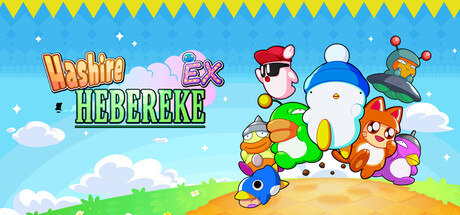
Hashire HEBEREKE: EX is exactly what its title promises: a modern remake of Hashire Hebereke, the 1994 Sunsoft racer that let a cast of Sunsoft's oddball mascot characters sprint on foot through obstacle courses, throwing items at each other along the way. CRT GAMES and publisher GRAVITY have rebuilt that concept for current hardware, keeping the core idea — this is a racer where you run rather than drive, dodging obstacles and flinging items at rivals in short, chaotic bursts — while adding the connective tissue a 32-year-old game never had: real online multiplayer, up to 8 players, alongside 4-player local split-screen.
The remake spent time in public before launch. A free demo went up June 12, covering the tutorial and the first two stages of story mode, and CRT GAMES ran it through Steam Next Fest that same month to gather feedback ahead of the full release. That's a sensible way to de-risk a remake of a fairly obscure cult title — let people sample the core running-and-throwing loop before asking $21.99 for the whole thing — and it shows in a launch that, bugs aside, clearly landed its central pitch with the people who tried it.
Four Modes, One Very Silly Centerpiece
The full release ships with a spread of modes built around that shared foot-race foundation. Story Mode plays out differently depending on which character you pick, sending you through ten stages to clear the game; even losing a stage doesn't lock you out, since the game explicitly invites you to just try again. Battle Run splits the screen for 2-4 players racing head to head to the finish line. Time Attack is the solo-focused mode, racing your own ghost data to chase a personal best rather than another player. And then there's Engacho — a tag mode where the "it" player carries a pile of poop on their head and wins by passing it to someone else, supporting 2-4 players.
That last mode is doing a lot of the game's personality. One reviewer who was talked into buying the game by a friend put it bluntly: "The poop tag mode had us completely in stitches, and the 8-player free-for-all is brilliantly chaotic and stress-relieving." Another, returning for nostalgia after playing the SNES original as a kid, called the whole package "a whole new game" once you factor in the ghost-racing Time Attack mode, the split-screen and online options, and the rhythm minigame layered on top for solo players. That rhythm minigame is a genuine addition rather than a rebuilt piece of the original — a small but real sign CRT GAMES was willing to expand the format rather than just reskin it.
A Launch Undercut by Real Bugs
Not every account of the remake is as warm. The pool's single negative review — from a player with over three hours logged, clearly invested enough to want the game to work — lays out a specific and credible list of problems: combat items that stop functioning mid-match and require a hard restart to fix, a rhythm minigame that simply doesn't register controller inputs, players getting physically stuck behind stage geometry, achievements that pop when they shouldn't (or fail to pop when they should), and global leaderboards that were populated with local computer names instead of Steam usernames. The same reviewer also flagged that even the original SNES-era menus weren't translated into English for this release — an odd omission in a remake explicitly aimed at bringing the game to a wider modern audience. Their verdict: "Overall, this release simply feels half-baked."
CRT GAMES didn't sit on that feedback. Two days after the September 3 launch, the developer posted a dedicated bug-fix notice acknowledging reports of achievements not unlocking properly on the Steam version, confirming they'd reproduced the issue and shipping a fix. That's a fast, direct response to a launch-week problem, and it's consistent with the pattern set by the pre-launch demo and Next Fest run — a small team that's actually reading its own feedback. Whether the controller input issues in the rhythm minigame and the local-leaderboard-name bug have had the same treatment isn't yet confirmed by the review pool, which is thin enough (ten English reviews) that any given bug's current status is genuinely hard to pin down from the outside.
Nostalgia Bait That Mostly Delivers on the Bait
Several of the positive reviews lean hard on nostalgia — "I honestly just bought this for the nostalgia hit," one player admits — but nearly all of them go on to describe genuine, current-day reasons the remake holds up beyond the callback: the level design's variety of obstacles and items, the chaos of playing with friends, the character designs staying cute and readable at speed. One reviewer who still prefers the SNES original was more measured, recommending people play that version instead unless the remake goes on sale — a reasonable position given the $21.99 asking price for what is, at its core, a fairly small party-racer package once you strip away the multiplayer scaffolding. That price sits noticeably higher than most of what carries this kind of pick-up-and-play party energy, and it's the detail most likely to give prospective buyers pause even among people who'd otherwise enjoy the modes on offer.
Verdict
Hashire HEBEREKE: EX succeeds at the thing it's most trying to do: take a genuinely obscure, charming 1994 foot-racing game and give it the online multiplayer and modern polish it never had, without losing the specific silliness — poop tag mode included — that made the original worth remembering. The reviews that engage with it in any depth are consistently warm about the mode variety, the character charm, and the addition of real online play. But the negative review's bug list is specific and credible, not a vague complaint, and it lands on real systems: achievements, controller input, leaderboards, and localization. CRT GAMES has shown it will patch fast when problems surface, which counts for something, but the review pool is still too small and too recent to say confidently that the rough edges are fully sanded down. At $21.99, this is an easy recommendation for anyone who remembers the SNES original fondly and has friends to drag into Engacho — and a "wait for a patch cycle or a sale" for everyone else.
Screenshots
-
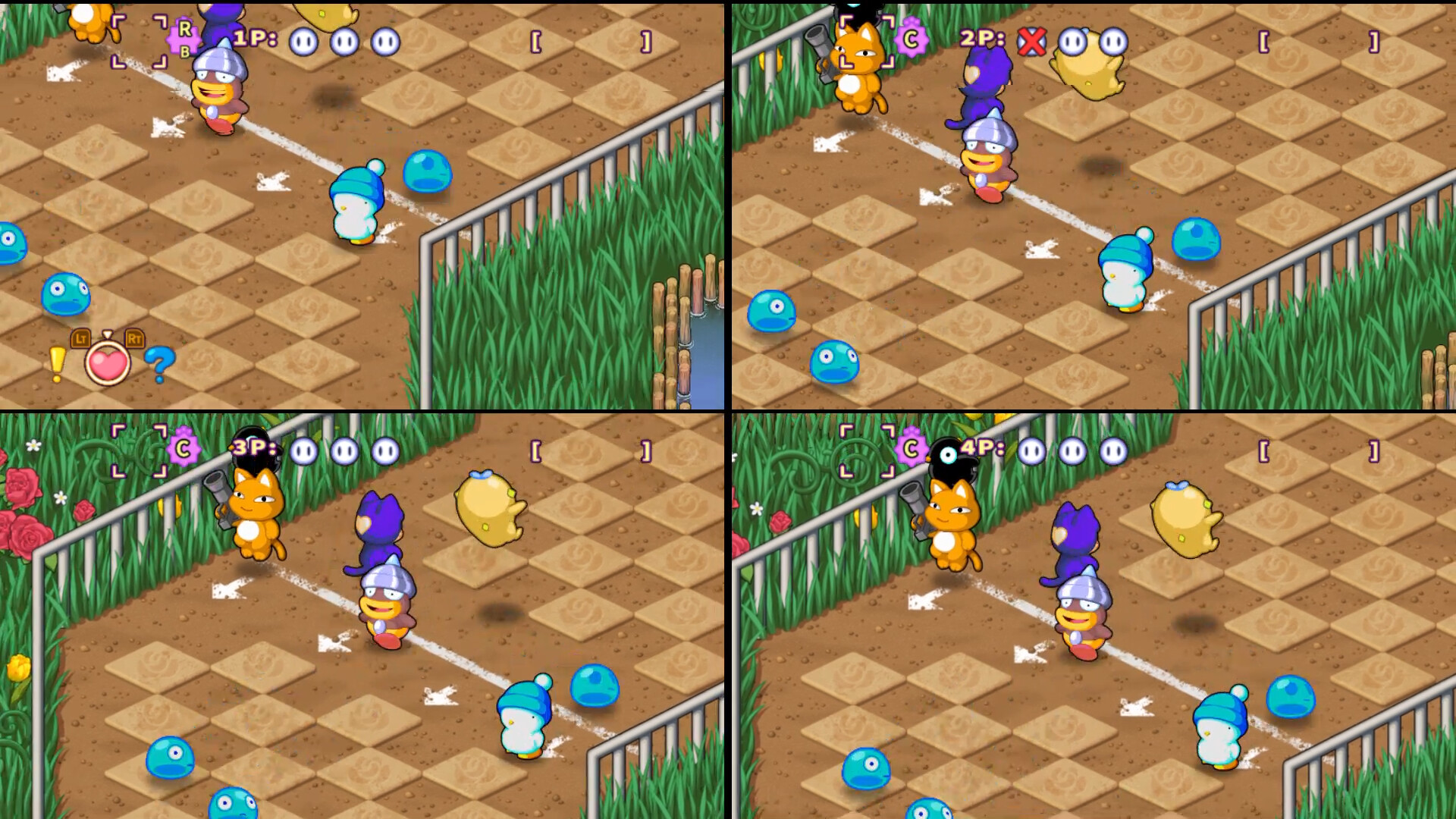
Battle Run splits the screen into quarters for up to four players, each chasing the same item pickups along a shared course.Image: CRT GAMES via Steam -
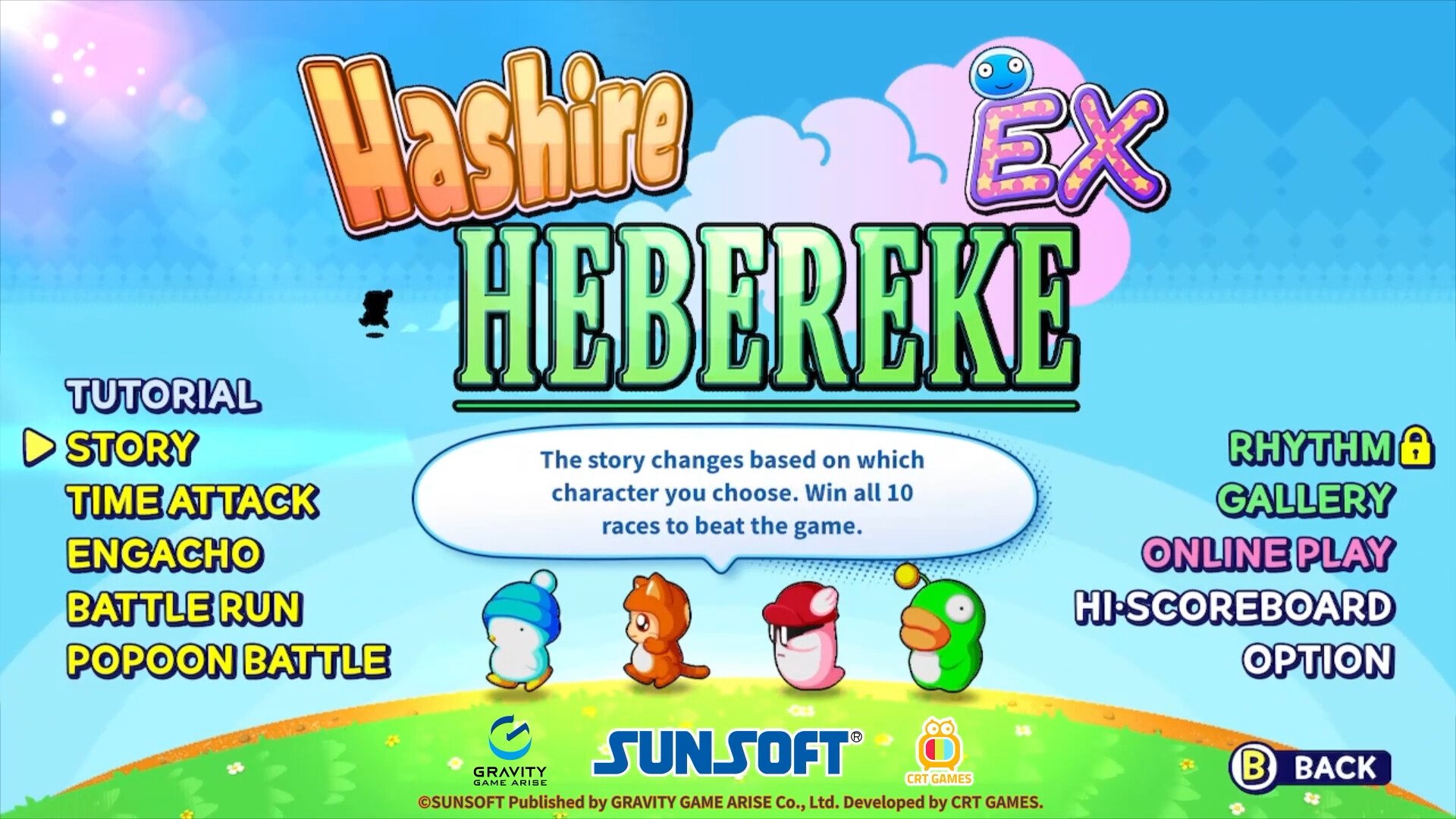
The title screen lays out the full mode list, including the tag-based Engacho and the rhythm minigame added for this remake.Image: CRT GAMES via Steam -
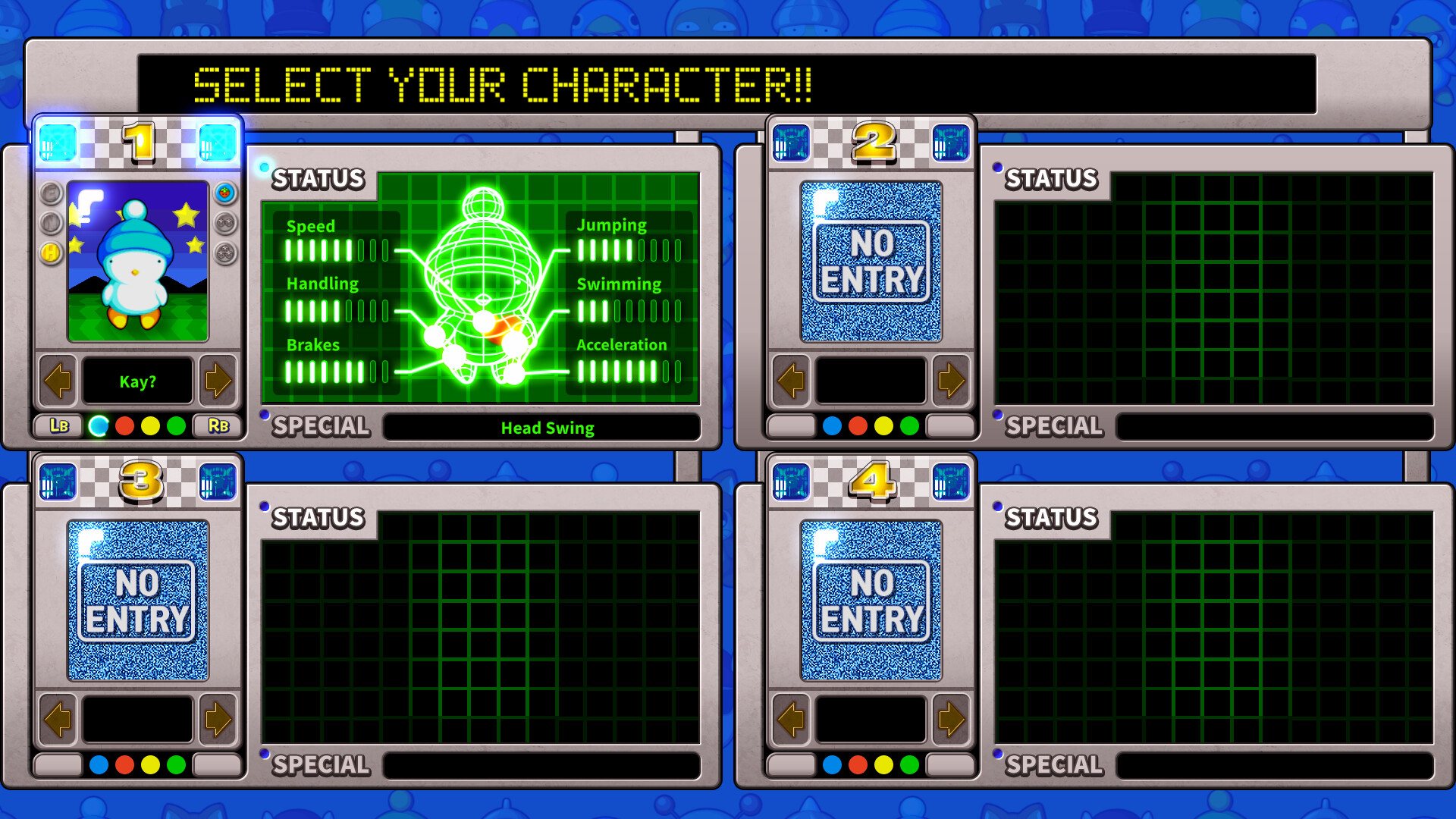
Character select breaks each racer down into six stats and a named special move, with only one of four slots filled in this screenshot.Image: CRT GAMES via Steam